

India and Tanzania have taken steps to establish trading in their own currencies, the Tanzanian shilling and Indian rupee, instead of the dollar.
India is one of Tanzania’s largest trading partners. According to the Indian High Commission in Dar es Salaam, trade between India and Tanzania was valued at US$4.5 billion in the year to March 2022.
According to Binaya Pradhan, India’s High Commissioner for Tanzania, India’s exports to Tanzania totaled US$2.3 billion (or about 5.3 trillion shillings), while its imports from the East African country totaled US$2.3 billion) between April 2021 and March 2022.
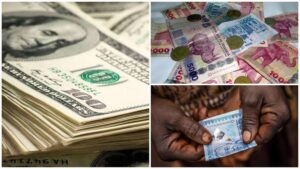
He also explained that Tanzanian companies and banks have the opportunity to make the most of the new framework to enable seamless payments in local currencies.
Mister. Pradhan added that the move will boost bilateral trade between the two countries and help the two countries maintain foreign exchange trading.
According to him, there is great potential for growth in the India-Tanzania trade, which is expected to surpass $6 billion this year.
Also, read; South Africa Avoids Renewing Work Permits For Thousands of Zimbabweans as They Face Possible Deportation
The Reserve Bank of India allowed trading in local currencies and allowed licensed Indian banks to open Special Rupee Vestro (SRVA) accounts in Tanzania.
Tanzanian banks are also required to open an SRVA in India to trade using this mechanism. You will then need to contact the authorized Indian banks who will contact the RBI with information about the deal in order to obtain approval.
This agreement now applies to 18 countries, including Kenya, Uganda, and Botswana.

The use of national currencies in bilateral trade agreements will reduce transaction costs and increase the efficiency of cross-border trade.
This, in turn, will lead to an increase in the volume of trade and an intensification of economic cooperation between the two countries.
By encouraging the use of local currencies in cross-border transactions, the measure will also reduce dependence on the US dollar, which has been causing economic turmoil in many African countries of late.

