
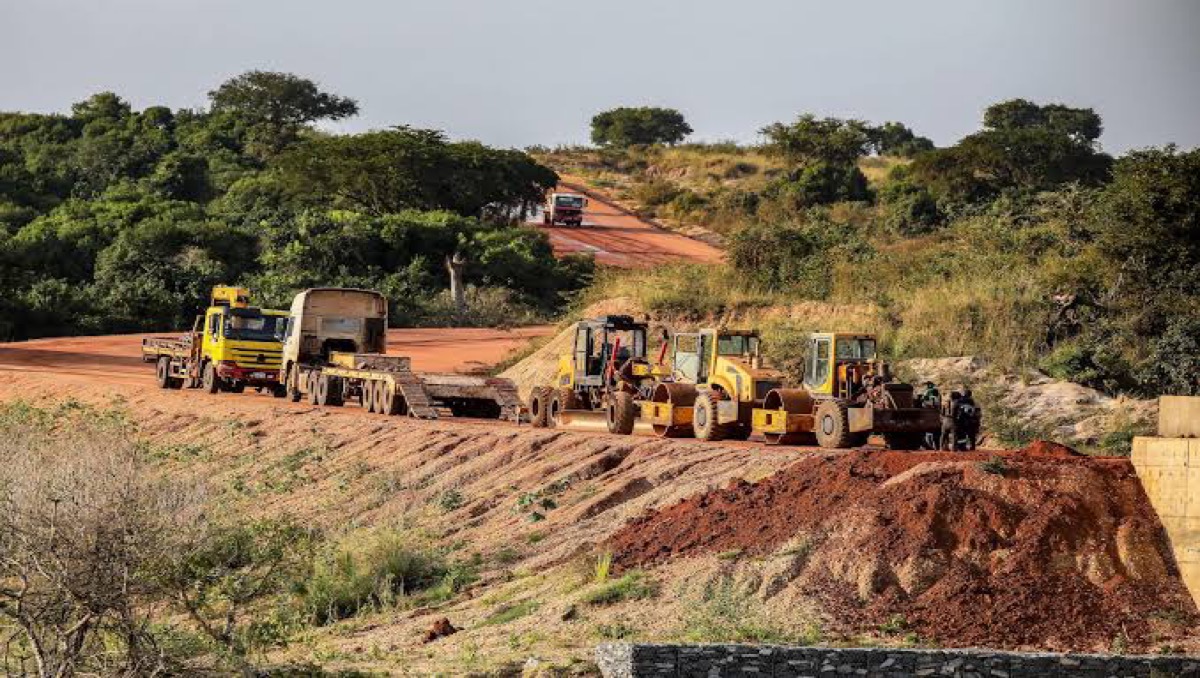
China has stepped in to provide funding for East Africa’s oil projects, taking over from previous financiers who withdrew due to mounting environmental concerns.
The East African Crude Oil Pipeline (Eacop) project, which has faced opposition from environmental activists, now sees Chinese companies leading the financing efforts as major Western banks, including Standard Chartered Bank, have backed out.
TotalEnergies, a key investor in Uganda’s oil projects, is actively working towards securing land acquisition and finalizing the financial aspects of the pipeline. This urgency stems from the need to meet the 2025 deadline for oil production and export in the region.
The involvement of Chinese state-owned companies, namely China Petroleum Pipeline Engineering (CPP) and China National Offshore Oil Corporation (CNOOC), marks a significant shift in the project’s financing structure.
Also, read; Tanzania’s Coal Exports Increase Significantly, Skyrocketing to $224 Million
China is expected to provide the majority of the loans required for the pipeline, effectively making Beijing the primary financial supporter.
This move comes amid growing concerns about the environmental impact of the Eacop project. Critics argue that the pipeline poses risks to fragile ecosystems, including protected areas and water sources. Previous financiers faced pressure from environmental activists, leading to their withdrawal from the project.
The shift to Chinese financing raises questions about the environmental standards and oversight that will be applied to the project.
It also highlights China’s increasing influence in East Africa’s energy sector, with Beijing becoming a major player in funding crucial infrastructure projects.

As East Africa moves forward with its oil ambitions, striking a delicate balance between economic development and environmental sustainability becomes imperative.
The region must ensure that robust environmental safeguards are in place, and transparency is maintained throughout the project’s execution to address the concerns raised by environmental activists and safeguard the region’s natural heritage.

