
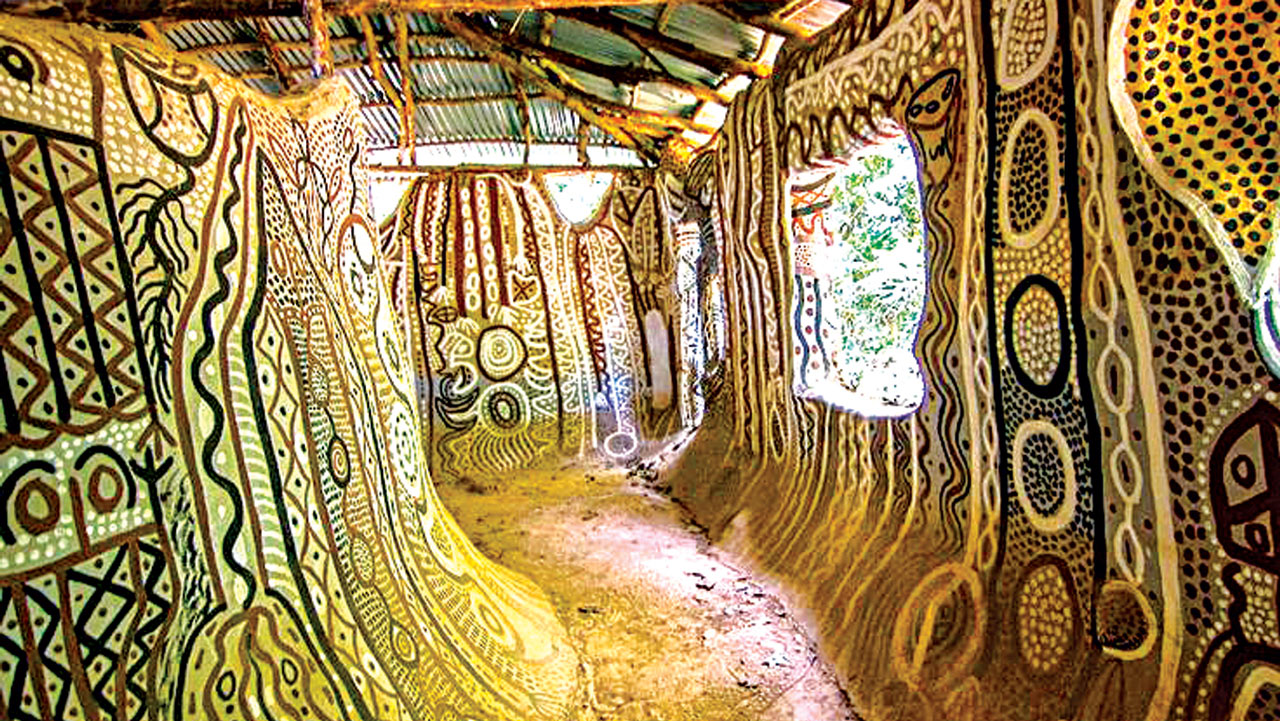
Nestled in the serene landscapes of southwestern Nigeria, the Osun Osogbo Grove stands as an awe-inspiring testament to the region’s rich cultural heritage and natural splendor.
This sacred forest is not only a visually stunning landscape but also holds deep spiritual significance, intertwined with centuries-old traditions and captivating folklore.
As a designated UNESCO World Heritage Site, Osun Osogbo Grove entices visitors from around the globe, beckoning them to immerse themselves in its captivating blend of history, art, and spirituality.
In this article, we embark on a journey of exploration through the captivating wonders of Osun Osogbo Grove, delving into its intriguing history, profound significance, and the array of attractions that make it a must-visit destination.
Prepare to be captivated by the ethereal charm and mysticism that permeate every inch of this remarkable cultural and natural sanctuary.
With the endorsement and support of the Ataoja, the reigning monarch at the time, as well as the local community, Wenger took a bold step in reviving the sacred essence of Osun Osogbo Grove.
She established the New Sacred Art movement, aimed at confronting land speculators, deterring poachers, safeguarding shrines, and rejuvenating the grove as the spiritual nucleus of Osogbo.
Recognized for her unwavering dedication and custodial efforts, Wenger was bestowed with the esteemed title “Adunni Olorisha.”
Sadly, contemporary mining activities in the neighboring town of Ilesha have resulted in the contamination of the revered Osun River, as these activities have been carried out without proper regulation and indiscriminately.
History of Osun Osogbo
The history of Osun Osogbo Grove dates back several centuries, with its roots entrenched in the Yoruba people’s cultural and religious practices.
According to Yoruba mythology, the grove is dedicated to Osun, the river goddess associated with fertility, healing, and beauty.
The grove is believed to be her sacred dwelling place, and people come here to pay homage, seek blessings, and participate in various ceremonies.
The preservation and sanctity of Osun Osogbo Grove owe much to the efforts of Susanne Wenger, an Austrian artist who settled in Osogbo in the 1950s.
With the support of the local community, Wenger campaigned for the preservation of the grove and its traditional practices.
Her efforts led to the establishment of the Osun Osogbo Festival, a two-week-long annual event that attracts thousands of devotees and tourists alike.
The Osun-Osogbo Festival holds a history spanning over 700 years, originating from an ancestral event that gave rise to this joyous celebration.
Legend has it that during a time of severe famine, a courageous hunter named Olutimehin led a group of migrants to seek refuge on the banks of the Osun River. It was here that a remarkable encounter took place.
As if from the depths of the water itself, Yeye Osun, the revered river goddess, appeared before Olutimehin and beseeched him to guide the people to a special place, which is now known as Osogbo town.
In exchange for their safekeeping and the promise of prosperity, the goddess requested an annual tribute in her honor.
Moved by the goddess’s offer, the group embraced her proposition, and thus began the tradition of the Osun-Osogbo Festival.
Each year, devotees gather to pay homage to the divine Osun River Goddess, commemorating the pact made centuries ago.
This vibrant festival serves as a symbol of gratitude, celebration, and the renewal of faith in the goddess’s protective and prosperous blessings.
The rich history and cultural significance of the Osun-Osogbo Festival continue to resonate within the hearts of the people, carrying forward the ancestral tale of survival, devotion, and the enduring bond between humanity and the natural world.
Osun-Osogbo Festival
The Osun-Osogbo Festival holds significant cultural and religious importance among the Yoruba people, drawing spectators and worshippers from around the world every August.
At the heart of the festival is the worship of Osun, the goddess associated with femininity, fertility, spirituality, and love.
The origins of the festival can be traced back approximately 600 years when the founders of the Osogbo community attempted to clear the area for settlement.
However, a spirit believed to be Osun intervened, designating the place as a sacred site of worship. Osun is often depicted as an enchanting woman adorned in white or yellow attire, exuding both beauty and sorrow.
The festival spans two weeks, during which devotees appease the goddess through various performances, including drumming, singing, and dancing. These vibrant displays also showcase intricate costumes worn by the participants.
The festival takes place in a sacred forest located on the outskirts of Osogbo, believed to be a place where the Orisha, the guiding spirit, manifests.
The proceedings are led by a virgin maiden known as Arugba, who acts as a bridge between the community and the deity. Arugba carries the sacrifices, including flowers, honey, and gold, on behalf of the community and attendees.
These offerings are traditionally carried in a large calabash. Prior to these rituals, special prayers are offered at the shrine of a priestess.
The Osun-Osogbo Festival has gained international recognition, attracting tourists from countries such as Cuba, Yugoslavia, and Slovenia, who perceive it as a cultural and religious connection.
Many foreigners have openly expressed gratitude for the blessings they received during the festival, often sharing their experiences through social media and television platforms.
Despite attempts by colonial authorities to suppress animist beliefs, the Osun-Osogbo Festival has persevered. In the past, rituals involving human sacrifice existed but were eradicated by the authorities.
The Osun Osogbo Festival is a vibrant celebration that takes place annually in August and attracts visitors from far and wide.
This cultural extravaganza showcases the fusion of tradition, spirituality, and artistic expression. The festival kicks off with the Iwopopo purification ritual, during which the town is ritually cleansed.
The highlight of the festival is the Arugba procession, where a chosen maiden carries the sacred calabash and leads the crowd to the river.
This symbolic act represents the goddess Osun’s journey to the river, believed to bring blessings and fertility to the land.
The festival also features music, dance, masquerades, and traditional performances, offering visitors a unique glimpse into the vibrant Yoruba culture.
In the present day, the people of Osogbo eagerly anticipate the month of August, as it marks a time of joyous celebration and cultural reconnection with their ancestral roots—the esteemed founders of the Osogbo Kingdom.
The Osun-Osogbo Festival spans a two-week period and encompasses a series of captivating events. The festivities commence with the traditional cleansing ceremony known as ‘Iwopopo,’ which is followed three days later by the illuminating of the ancient sixteen-point lamp, known as ‘Ina Olojumerindinlogun’—a remarkable artifact with a history spanning 500 years.
Subsequently, the ‘Iboriade’ takes place, during which the crowns of the past rulers, the Ataojas of Osogbo, are gathered to receive blessings.
The grand climax of the festival is a vibrant procession to the shrine located within the sacred grove, drawing a vast crowd of enthusiastic participants.
The air resonates with the rhythmic beats of drums, the fluid movements of dancers, and the melodies of musical performances.
Elaborate costumes adorn the celebrants as they engage in the richness of the Yoruba language, recite praise poetry, and immerse themselves in a kaleidoscope of colors and pageantry.
Leading this enthralling spectacle is the reigning Ataoja of Osogbo, accompanied by a revered performer known as the Arugba—a young woman from a lineage of royalty—who carries a sacred calabash and offers sacrifices to the deity.
This meticulously orchestrated event serves as a poignant reenactment of the very first encounter between Oluwatimilehin and Yeye Osun, encapsulating the essence of the festival’s ancient origins.
The Osun-Osogbo Festival unites the community in a profound celebration of their cultural heritage, forging a connection between past and present as they honor their ancestors and pay homage to the divine Yoruba goddess, Osun.
The Osun-Osogbo Festival brings significant advantages to Nigeria’s tourism sector, serving as a platform to showcase the rich cultural heritage of the community to visitors from various parts of the country and around the globe.
This grand celebration becomes an opportunity for the local community to share and promote their vibrant culture, attracting tourists who are eager to immerse themselves in the unique traditions and experiences offered by the festival.
Furthermore, the festival acts as a unifying force within Osogbo land. Despite the diverse social, economic, religious, and political backgrounds of the people, they set aside their differences and come together each year to commemorate the goddess.
The shared celebration fosters a sense of collective identity and reinforces the bonds of unity among the community members, transcending individual beliefs and affiliations.
The Osun-Osogbo Festival serves as a symbol of harmony and togetherness, reminding the people of their shared heritage and fostering a sense of pride in their collective culture.
Conclusion
In conclusion, the Osun-Osogbo Festival serves as a vibrant celebration of Yoruba culture and spirituality. With its rich history, captivating performances, and the worship of the goddess Osun, the festival has become a global event that unites people from diverse backgrounds.
As tourists and devotees alike come together to honor Osun and partake in the festivities, the Osun-Osogbo Festival stands as a testament to the enduring power of tradition and the preservation of cultural heritage.

