
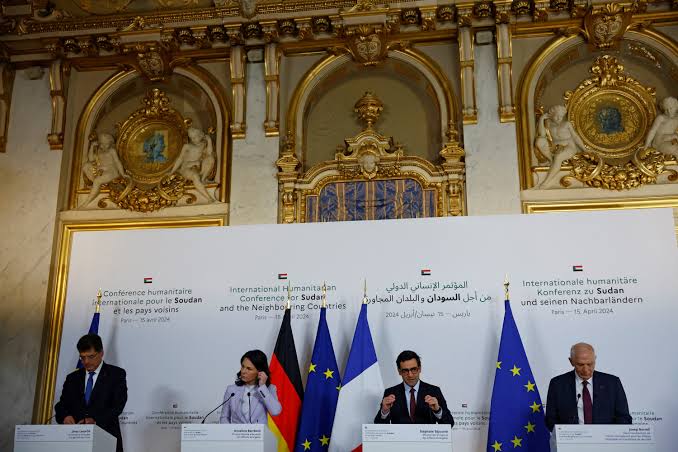
International donors pledged more than 2 billion euros ($2.13 billion) in aid for war-torn Sudan at a conference in Paris on Monday, marking the first anniversary of a conflict aid workers describe as devastating yet neglected.
Efforts to assist millions of people teetering on the brink of famine due to the war have been hindered by ongoing fighting between the army and the paramilitary Rapid Support Forces (RSF), as well as by restrictions imposed by the warring sides and competing demands from other global crises in Gaza and Ukraine.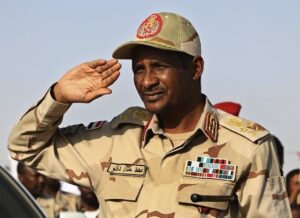
The conflict in Sudan is on the brink of spreading, with intensifying clashes in and around al-Fashir, a besieged aid hub and the last city in the western Darfur region not under RSF control. Hundreds of thousands of displaced people have sought refuge in the area.
Bashir Awad, a resident of Omdurman, part of the wider capital and a key battleground, expressed the frustration of many: “We had to help ourselves, share food with each other, and depend on God.”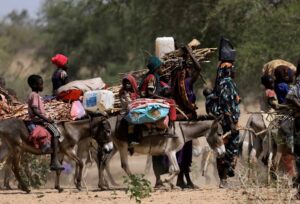
In Paris, the European Union pledged 350 million euros, while France and Germany, the conference co-sponsors, committed 110 million euros and 244 million euros respectively. The United States pledged $147 million and Britain $110 million.
Speaking at the end of the conference, French President Emmanuel Macron stressed the importance of coordinating international efforts to resolve the conflict and halt foreign support for the warring parties.
However, he lamented that the funds mobilized were likely less than those provided by other powers to fuel the conflict: “Unfortunately the amount that we mobilised today is still probably less than was mobilised by several powers since the start of the war to help one or the other side kill each other.”
Also, read: Triumph at Adwa: The Epic Tale of Ethiopia’s Victory Over Italian Colonialism
As regional powers vie for influence in Sudan, allegations have surfaced that the United Arab Emirates supplied arms to the RSF, while sources suggest the army received weapons from Iran. Both sides have denied these claims.
The war, stemming from power struggles between the Sudanese army and the RSF ahead of a planned transition, has devastated infrastructure, displaced over 8.5 million people, and severed access to food supplies and basic services.
German Foreign Minister Annalena Baerbock warned of the dire consequences if action is not taken: “We can manage together to avoid a terrible famine catastrophe, but only if we get active together now.”
The United Nations is seeking $2.7 billion for aid within Sudan and $1.4 billion for assistance in neighboring countries housing refugees. However, before the Paris meeting, the appeal was only 6% funded.
Access to aid on the ground remains a challenge, with the army blocking aid to areas controlled by the RSF, and allegations of aid looting by the RSF. Abdullah Al Rabeeah, head of Saudi Arabia’s KSRelief, urged for transparency in aid distribution.
Sudan’s army-aligned foreign ministry protested its exclusion from the conference, asserting that the international guardianship system had been abolished.
The military factions, once allies in the toppling of President Omar al-Bashir, have since clashed, resulting in thousands of civilian deaths and accusations of war crimes. The RSF and its allies have been accused of ethnic cleansing in West Darfur, though both factions deny the allegations.
The situation remains dire, with recent reports of 40,000 people fleeing their homes in al-Fashir following RSF raids, and subsequent clashes in the city threatening to escalate into full-blown intercommunal conflict, warned U.N. Secretary-General Antonio Guterres.

