
India has moved to ban two highly addictive opioids—tapentadol and carisoprodol—following a BBC investigation that exposed their illegal export and widespread abuse in parts of West Africa.
The decision, made by India’s Drugs Controller General, Dr. Rajeev Singh Raghuvanshi, immediately revokes manufacturing and export permissions for these drugs, which have been fueling a public health crisis in countries like Ghana, Nigeria, and Côte d’Ivoire.
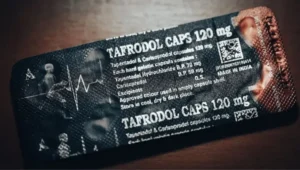
The investigation revealed that Aveo Pharmaceuticals, an Indian drug manufacturer, had been illegally shipping a dangerous mix of tapentadol, a potent opioid, and carisoprodol, a muscle relaxant banned in Europe due to its high addiction potential. Indian authorities swiftly responded by raiding Aveo’s factory in Mumbai, seizing its stock, and halting further production.
In a circular issued Friday, Dr. Raghuvanshi directly referenced the BBC’s findings, emphasizing that the ban was prompted by concerns over drug abuse and the severe health risks these substances pose. The combination of tapentadol and carisoprodol is not licensed for use anywhere in the world due to its life-threatening side effects, including respiratory distress, seizures, and fatal overdoses.
A Growing Crisis in West Africa
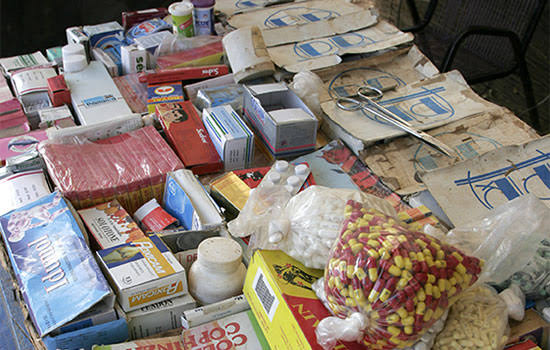
Despite the dangers, these opioids have become popular street drugs in West African nations, where they are cheap and readily available. Public export data shows that Aveo Pharmaceuticals and its sister company, Westfin International, have shipped millions of these tablets to Ghana and other neighboring countries.
Nigeria, with its population of 225 million, has emerged as the largest market for these illicit opioids. According to Nigeria’s National Bureau of Statistics, an estimated four million Nigerians abuse some form of opioid, worsening the country’s ongoing substance abuse crisis. The BBC World Service found packets of Aveo-branded pills being sold openly in Nigerian cities and towns across Côte d’Ivoire.
Undercover Sting Exposes Drug Trafficking
As part of the investigation, a BBC operative, posing as a businessman seeking to distribute opioids in Nigeria, infiltrated Aveo’s factory. In secretly recorded footage, Aveo director Vinod Sharma was seen presenting the same illicit drugs that were found on West African streets.

During the exchange, the undercover operative mentioned plans to sell the pills to Nigerian teenagers, emphasizing their popularity. Sharma, showing no hesitation, responded with a simple “OK” before explaining that taking multiple pills at once would help users “relax” and get “high.” Later in the conversation, he admitted, “This is very harmful for the health,” but added, “Nowadays, this is business.”
Aveo Pharmaceuticals and Vinod Sharma did not respond to media inquiries following the publication of the BBC’s findings. However, Indian authorities have pledged further legal action against the company, reinforcing their commitment to preventing illegal pharmaceutical exports that damage the country’s reputation.
India’s Food and Drug Administration has now been directed to conduct further inspections to ensure compliance with the ban and prevent the continued supply of these dangerous drugs. Officials have stated they are “fully prepared” to take decisive action against any individuals or entities involved in similar illegal activities.
With this swift intervention, India has taken a significant step toward addressing the opioid crisis in West Africa. However, given the scale of the illicit pharmaceutical trade, experts caution that more coordinated global efforts will be needed to curb the flow of these deadly substances and protect vulnerable communities.

