
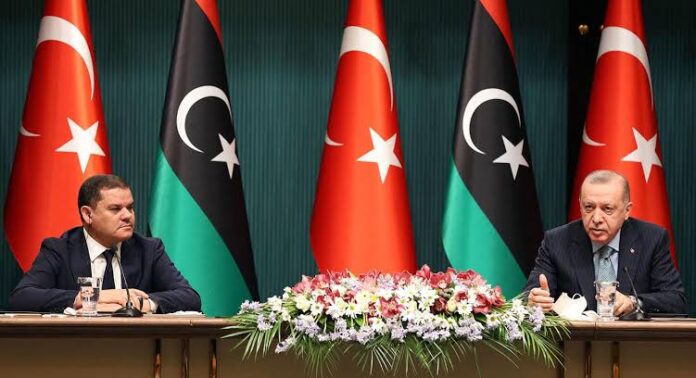
Ankara is charting a bold course in its energy strategy as it prepares to explore oil and gas prospects in Libya — part of a broader push to strengthen its presence in regional energy markets. The move comes as Turkey positions itself to play a more central role in the global energy landscape, particularly at a time when demand for reliable energy partners is growing.
Energy Minister Alparslan Bayraktar revealed that Turkey’s state-run energy company, Turkiye Petrolleri AO (TPAO), is in talks to begin exploration activities not just in Libya, but also in countries like Iraq and Bulgaria. This push is aimed at expanding the country’s energy footprint both onshore and offshore.
While Turkey is already in advanced discussions to explore Bulgaria’s portion of the Black Sea — with an agreement expected to be signed in the coming weeks — Libya presents a different kind of opportunity. The North African country, home to the continent’s largest oil reserves, is reopening its doors to global energy firms after years of political unrest and underinvestment.
Libya’s National Oil Corporation (NOC) recently hosted an investor showcase in Istanbul, giving Turkish officials and energy executives a firsthand look at the exploration blocks up for grabs. This follows similar roadshows held in major energy hubs like London and Houston. The Istanbul event underlines Turkey’s growing role in regional energy diplomacy and its deepening interest in North Africa’s resource-rich landscapes.
Also, read: Ghana’s Cardinal Peter Turkson Tipped as Potential Successor to Pope Francis
Libya, whose last major energy tender dates back to 2007, has begun welcoming back international players such as Italy’s Eni, the UK’s BP, and Spain’s Repsol. Now, Turkey is poised to join them, marking a potential return to a country it has long considered a strategic partner.
TPAO’s interest in Libya comes as part of a wider regional expansion. Minister Bayraktar noted that exploratory talks are also ongoing in Iraq, Azerbaijan, and Turkmenistan — countries with significant untapped hydrocarbon reserves.
Meanwhile, Ankara is working hard to transform Turkey into a regional energy transit hub, linking gas-rich nations in the Middle East and Caspian region with European markets. Talks with Bulgaria are already underway to expand gas transmission capacity along their shared border, with hopes of boosting the flow of natural gas into Southeastern Europe.
Domestically, Turkey is also making strides. Last year, TPAO began production from a gas field in the Turkish sector of the Black Sea. Offshore survey efforts are ongoing near Somalia as well — another sign of Turkey’s increasing ambition to secure diverse energy sources.
As global demand for stable and diverse energy supply chains continues to grow, Turkey is betting big on its geography, political relationships, and expanding technical capacity to become a pivotal player in the region’s energy future. Libya may well become a crucial piece in that puzzle.

