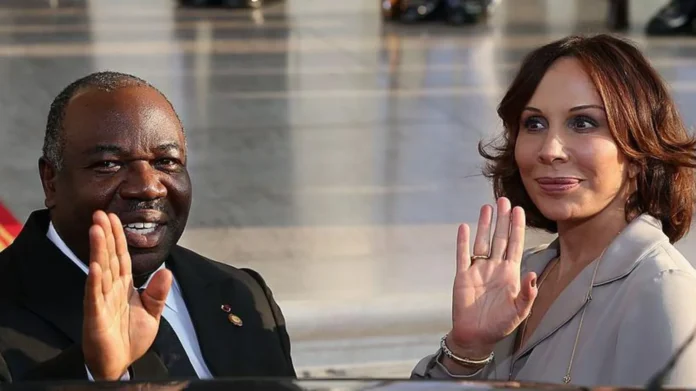
In a development drawing both regional and international attention, Gabon’s ousted president, Ali Bongo Ondimba, has finally left his home country after nearly two years in limbo. The former leader, who was removed from power in a 2023 military coup, has now resettled in Angola alongside his family, Angolan authorities confirmed in a statement released this week.
The Angolan presidency made the announcement via social media, stating that Bongo arrived in Luanda with his wife, Sylvia, and son, Noureddin. Their departure marks the first time the Bongo family has been seen outside Gabon since the military takeover that ended the family’s decades-long grip on the oil-rich Central African nation.
Human rights concerns had swirled around the Bongo family’s post-coup ordeal. While Ali Bongo had reportedly remained under house arrest since his ouster, Sylvia and Noureddin Bongo were jailed on a host of corruption-related charges and accused of misappropriating public funds. According to their lawyer, François Zimeray, their incarceration was not only unjust but inhumane.
“My clients were victims of arbitrary and cruel imprisonment. They were detained in underground cells and subjected to conditions no human being should endure,” Zimeray said. He described their release as “long overdue” and emphasized that the pair now needed time to heal and rebuild.
Although the Gabonese government has yet to issue an official comment on the matter, the country’s public prosecutor, Eddy Minang, clarified that the release of Sylvia and Noureddin was provisional, citing deteriorating health conditions. He added that legal proceedings against them remain ongoing.
Also, read: South Africa Plans Fresh Start with U.S. as It Begins Process of Appointing New Ambassador
The sudden shift in the Bongo family’s circumstances comes on the heels of a high-profile diplomatic visit. Angola’s President João Lourenço—who currently chairs the African Union—traveled to Libreville recently for talks with Gabon’s transitional leader, Brice Oligui Nguema, the former general who spearheaded the coup and won a landslide in last month’s presidential election.
This diplomatic thaw appears to have played a critical role in facilitating the Bongos’ release and relocation. President Lourenço’s involvement is also seen as part of broader efforts to reintegrate Gabon into the African political community. The African Union, which had suspended Gabon’s membership following the coup, officially readmitted the country late last month. AU chairman Mahmoud Ali Youssouf expressed hope that Gabon’s return could serve as an example for other countries navigating post-coup transitions.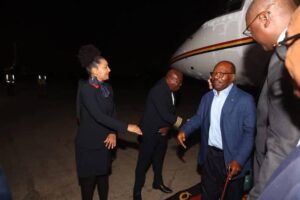
Yet, not everyone is convinced the release was purely humanitarian. Opposition leader Alain Claude Bilie-by-Nze accused President Nguema of yielding to international pressure. “This was clearly a response to what the world has long identified as an abuse of power,” he said in a statement.
The Bongo family’s fall from grace is steep. Ali Bongo came to power in 2009 following the death of his father, Omar Bongo, who had ruled Gabon for over 40 years. The family’s reign was marked by mounting allegations of state capture and extravagant wealth, starkly contrasting with the country’s persistent poverty. Despite its oil wealth, nearly one in three Gabonese citizens still live below the poverty line, according to UN data.
For now, the Bongo family is out of Gabon, but not yet out of the legal woods. As their new life in Luanda begins, questions about accountability, justice, and the future of governance in Gabon remain front and center for many across the continent.

