
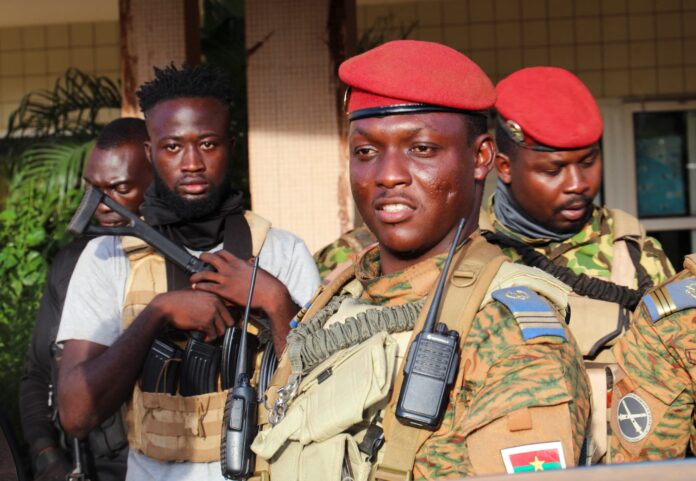
Burkina Faso has taken a bold diplomatic stand, flatly rejecting a proposal from the United States to accept deported non-citizens. The West African nation described the request as “unworthy and indecent,” making clear that its sovereignty is not for negotiation. The move has since sparked debate about U.S.–Africa relations and the growing resistance of African nations to Western pressure.
A Firm “No” From Ouagadougou
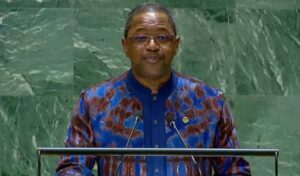
The announcement came from Burkina Faso’s Foreign Minister, Karamoko Jean-Marie Traoré, who stated that the U.S. request ran contrary to the nation’s principles of dignity and independence. According to reports, Washington had approached several African countries—including Burkina Faso—seeking to transfer individuals deported from the U.S., regardless of whether they were citizens of those nations.
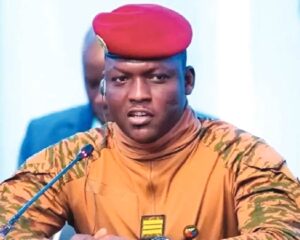
In response, Traoré made it clear that Burkina Faso would not participate in what he called a “policy of humiliation.” He emphasized that the country “is not a land of deportation,” adding that the proposal was inconsistent with the values upheld by the government under Captain Ibrahim Traoré.
Visa Tensions Follow the Refusal
Soon after the rejection, the U.S. Embassy in Ouagadougou announced a suspension of most visa services, directing Burkinabe citizens to process applications in Lomé, Togo instead. Though no official statement directly linked the suspension to the deportation dispute, local officials described the timing as “no coincidence.”
The diplomatic friction underscores a growing unease between Washington and Ouagadougou. Sources within the Burkinabe foreign ministry said the visa issue began when the U.S. accused certain Burkinabe nationals of overstaying or misusing visas—a charge the government dismissed as exaggerated.
A Wider Debate on U.S. Deportation Deals
Burkina Faso’s refusal comes as the Trump administration continues its effort to broaden third-country deportation agreements—deals that allow migrants to be sent to nations other than their own. Similar arrangements have reportedly been signed with Eswatini, Ghana, Rwanda, and South Sudan.
Critics argue that these agreements are often opaque and may violate international human rights standards. Humanitarian organizations warn that deportees sent to third countries frequently face uncertain futures, legal limbo, and inadequate protection.
Burkina Faso’s government, by contrast, appears determined not to be drawn into that cycle. In Traoré’s words, the country “will not lend its territory to policies that strip people of their humanity.”
Also, read: Africans Who Have Won the Nobel Peace Prize: From Mandela to Abiy Ahmed
A Symbolic Stand for African Sovereignty
While the standoff may strain diplomatic ties, many across the continent see Burkina Faso’s move as symbolic—a message that African countries are asserting greater control over their international dealings. Under Captain Traoré’s leadership, the government has positioned itself as staunchly anti-colonial and wary of perceived external interference.
This refusal fits squarely within that narrative. It signals a willingness to endure diplomatic pressure rather than compromise national pride. The phrase “Burkina Faso is a land of dignity, not a dumping ground” has since echoed across social platforms and local media, capturing the mood of defiance.
The rejection also highlights shifting power dynamics between the U.S. and Africa. As global alliances evolve, several African governments are increasingly aligning themselves around mutual respect and non-dependency. Burkina Faso’s move could encourage other nations to take similar stands in negotiations involving migration or military presence.
For the U.S., however, the decision poses a setback to its immigration strategy. It also complicates efforts to find partner nations willing to absorb deported migrants—a policy already under scrutiny from human rights advocates.
Burkina Faso’s “no” to Washington’s deportation plan goes beyond migration politics; it’s a declaration of self-respect. In a time when smaller nations are often cornered by global powers, the West African country is drawing its line clearly: national dignity is not up for barter.
Whether this defiance sparks lasting diplomatic consequences or reshapes regional policy remains to be seen. But one thing is certain—Burkina Faso has made its position known, and the world is paying attention.

