
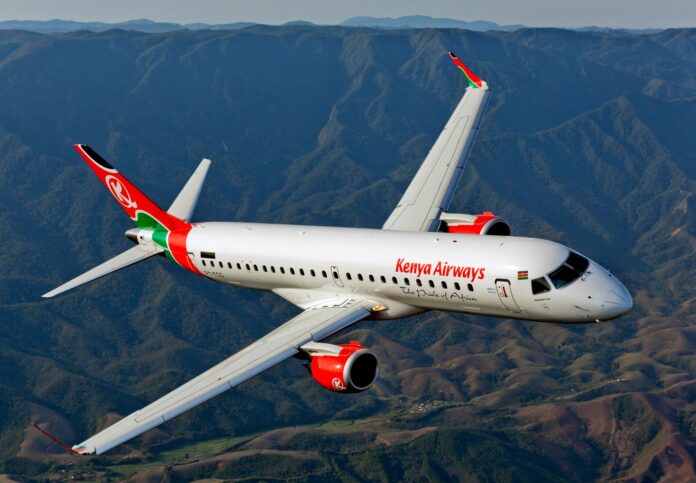
Kenya Airways is charting a bold new flight path—one powered not just by ambition, but by sustainability. In a significant move for African aviation, the airline has begun operating select flights using locally produced sustainable aviation fuel (SAF), setting a precedent that could reshape how the continent flies. With this initiative, Kenya Airways isn’t only cutting emissions; it’s sending a clear signal to global investors that Africa is ready to take the lead in clean energy innovation.
The new phase began in October 2025, with routes from Nairobi to Paris, London, Amsterdam, and Cape Town powered by a SAF blend that currently makes up about two percent of total fuel use. It’s a small step by global standards, but a huge leap for African aviation. The airline has set its sights on increasing that share to ten percent by 2030, in line with its long-term goal of achieving net-zero carbon emissions.
A Green Dream Born on African Soil
Unlike previous attempts where biofuel was imported, Kenya Airways is going local. The SAF being used is produced from non-food crops grown in Kwale County, on land previously degraded by mining. These crops—castor, sunflower, and other bio-based plants—are cultivated without displacing food sources, making the process both sustainable and community-friendly.
The production of this fuel has created jobs for farmers and processing technicians while breathing new life into idle farmland. Every batch of fuel undergoes international certification to meet aviation standards, proving that high-quality green fuel can come from African soil. For Kenya, this isn’t just an environmental milestone—it’s a declaration of independence from costly imported energy.
Also, read: Eco Friendly Home Tips 2025: Green Up Your Home with I Love Africa’s Guide
Beyond Emissions: The Bigger Picture for Africa
The implications of this innovation stretch far beyond Kenya’s borders. Sustainable aviation fuel burns cleaner than traditional jet fuel, reducing carbon emissions by up to 80 percent over its lifecycle. But its potential runs deeper. By investing in local biofuel production, Kenya Airways is helping build a circular economy that benefits farmers, engineers, and local industries alike.
This initiative also aligns with a growing global demand for cleaner travel. As countries in Europe tighten sustainability standards and carbon taxes rise, African airlines adopting SAF early could gain a strategic edge. Kenya Airways’ leadership in this field sends a powerful message that Africa can contribute meaningfully to global climate solutions—while driving its own economic growth.
Challenges on the Runway Ahead
Still, the journey toward sustainable flight isn’t without turbulence. Producing SAF locally remains expensive, and scaling up supply will require massive investment in both technology and infrastructure. Feedstock availability is another concern—balancing biofuel crops with food security remains a delicate dance.
There’s also the matter of policy. To sustain this progress, Kenya’s government and regional partners will need to create supportive frameworks—tax incentives, subsidies, and infrastructure investments that make SAF more viable. Without such support, the green transition could lose momentum before it fully takes off.
The Flight Toward a Sustainable Tomorrow
Kenya Airways’ adoption of biofuel is more than a headline—it’s a call to action for the entire continent. Africa holds immense potential to lead in the next wave of renewable energy, with millions of hectares of land suitable for non-food fuel crops and an abundance of agricultural by-products waiting to be repurposed.
If more airlines and governments follow Kenya’s lead, Africa could emerge as a hub for sustainable aviation fuel production, reducing dependency on imports while boosting rural economies. For now, every flight that leaves Nairobi powered by local SAF is a glimpse into that greener, self-sufficient future—a future where African skies carry not just passengers, but purpose.

