

West African economies are coming together to tackle one of their most pressing challenges: fuel price volatility. With inflation reaching alarming levels across the region, leaders are now prioritizing energy price stability through a single regional fuel price framework.
According to the African Development Bank, West Africa recorded the continent’s highest average inflation in 2024—an eye-watering 22.5%. Rising fuel prices have been a major contributor to that surge, driving up the cost of transportation, food, and essential goods. By creating a shared pricing system, regional governments hope to restore economic balance and strengthen trade ties.
Why Fuel Prices Matter So Deeply
In Africa, fuel isn’t just about powering vehicles—it fuels economies. From agriculture to industry, energy costs shape the price of almost everything. Whenever global oil prices spike, local markets across Nigeria, Ghana, Senegal, and Côte d’Ivoire feel the sting.
Analysts say the idea of a fuel price framework is long overdue. The plan aims to harmonize pump prices across borders, eliminate unfair disparities, and reduce the inflationary ripple effect that follows sudden fuel hikes. The policy also aligns with broader regional ambitions for economic integration and resilience under ECOWAS.
A New Regional Framework in Motion
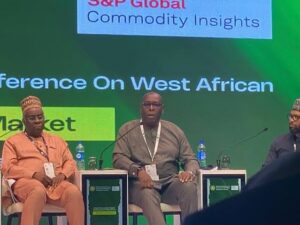
Nigeria is leading the charge. In partnership with S&P Global Commodity Insights, the country recently announced the creation of a West African Petroleum Price Index—a transparent benchmark designed to track and regulate fuel prices across the region.
Once implemented, the framework will serve as a pricing reference for countries dependent on imported refined products. It could also foster accountability, cut down on smuggling, and make cross-border trade more predictable.
The initiative is already gaining traction among ECOWAS member states, who see it as a blueprint for aligning national fuel policies with regional economic goals.
Also, read: Budget Travel in West Africa 2025: Explore More, Spend Less
Benefits Beyond the Pump
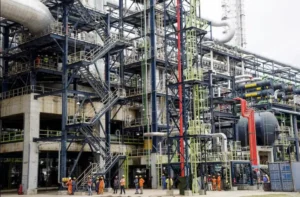
If successful, this regional fuel price framework could reshape West Africa’s economic future. The benefits are clear:
- Price Stability: By reducing erratic price changes, countries can better plan their budgets and protect citizens from sudden cost shocks.
- Investment Confidence: Predictable fuel pricing attracts foreign investors and supports domestic energy expansion.
- Inflation Control: A consistent pricing structure will help stabilize the cost of goods, transportation, and production.
- Energy Independence: Coordinated fuel management can encourage joint refining and renewable-energy ventures.
For Nigeria—the region’s largest fuel producer—this move could strengthen its dominance as a supplier while boosting regional cooperation.
Roadblocks on the Path to Implementation
Despite the optimism, hurdles remain. Each country maintains unique tax systems, fuel subsidies, and regulatory structures, all of which could complicate harmonization. Political will is another factor, as some governments may resist losing control over domestic pricing decisions.
Currency instability also looms large. With fluctuating exchange rates and heavy import dependency, maintaining uniform prices will require coordinated monetary oversight. Global market volatility adds yet another layer of complexity.
Still, regional leaders believe the long-term rewards outweigh the risks.
A Step Toward Economic Unity
This initiative symbolizes a new phase in West Africa’s regional cooperation—where economic pragmatism meets collective ambition. By working together to manage energy costs, ECOWAS nations are not only addressing inflation but also paving the way for deeper integration across transport, trade, and energy sectors.
For everyday citizens, the results could be transformative. A unified fuel price system means more stable living costs, stronger currencies, and fewer shocks to household budgets.
As the region looks ahead to 2026, the West African fuel price framework could become one of the most important policy milestones in its journey toward sustainable growth.

