
The Ancient Roots That Shaped a Continent
African culture is one of the oldest and most diverse cultural systems on the planet. With over 54 countries and more than 3,000 distinct ethnic groups, Africa represents an extraordinary mosaic of languages, customs, beliefs, and artistic expressions. Each community carries its own unique traditions, yet all are bound together by a shared sense of identity, resilience, and belonging that has survived thousands of years.
Why African Culture Is Considered the Cradle of Human Civilization
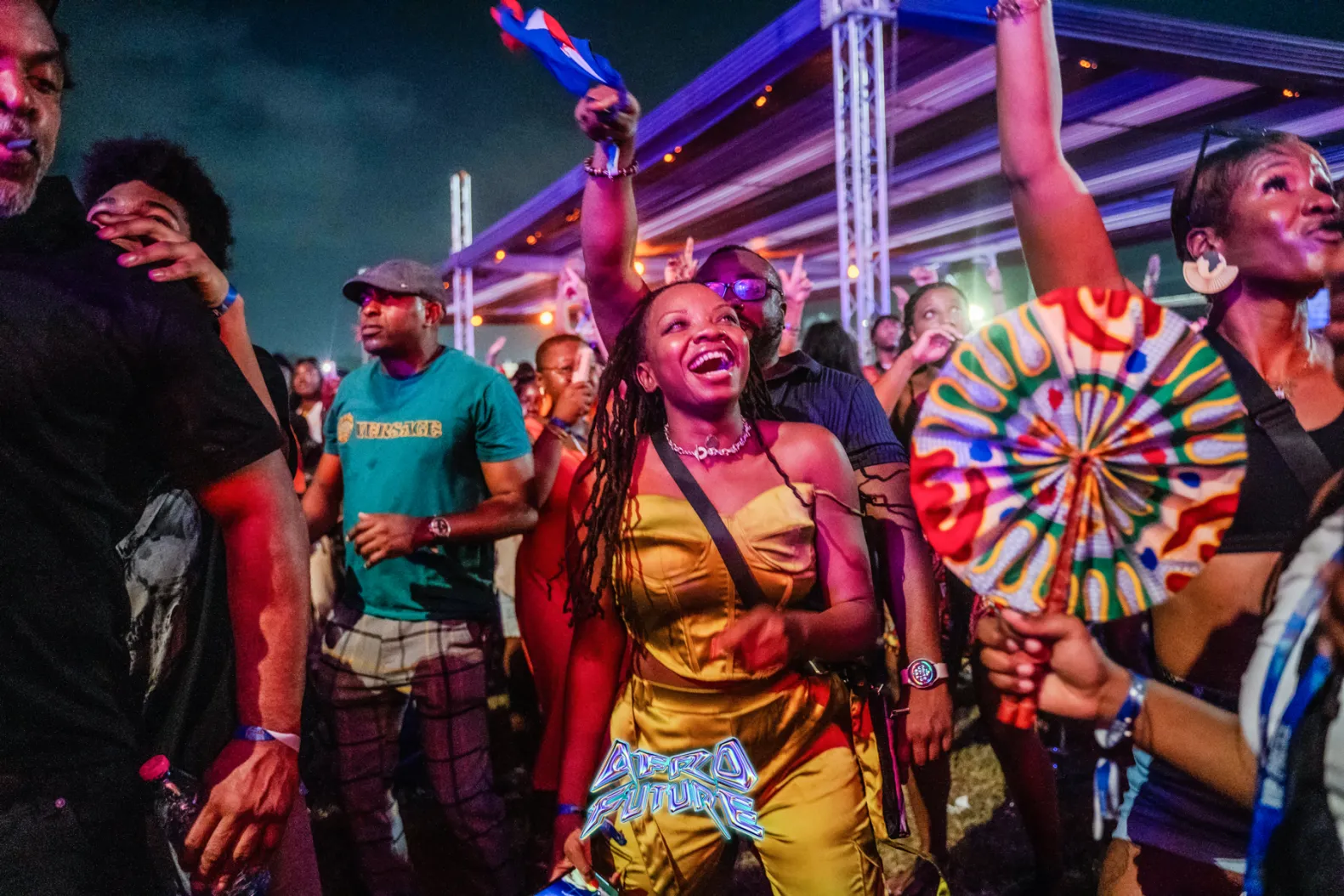
Historians and anthropologists widely recognize Africa as the birthplace of human civilization. From the ancient pyramids of Egypt to the kingdoms of Mali, Kush, and Great Zimbabwe, Africa’s cultural legacy predates many of the world’s most celebrated civilizations. Understanding African culture means understanding the very foundation of what it means to be human, our shared origin, our earliest social structures, and our first forms of art, music, and spiritual thought.
- Africa is home to over 2,000 spoken languages, reflecting extraordinary cultural depth
- Ancient African empires like Mali, Axum, and Songhai were global centres of trade and learning
- African culture continues to influence music, fashion, food, and philosophy worldwide
- Oral traditions and ancestral storytelling have preserved history for thousands of years
The Many Languages of Africa: How Diversity Shapes Cultural Identity
Over 2,000 Languages — Each One Window into a Unique Culture
Language is one of the most powerful expressions of African culture. Africa is the most linguistically diverse continent on Earth, with over 2,000 distinct languages spoken across its regions. These languages are not just tools for communication, they are vessels that carry history, wisdom, proverbs, and identity from one generation to the next. When an African language thrives, so does the culture it represents.
How Language Keeps African Traditions Alive Across Generations
Many of Africa’s most profound cultural teachings are embedded in proverbs, songs, and oral literature that exist only in indigenous languages. These linguistic treasures cannot be fully translated, they must be lived and spoken in their original tongue to carry their true meaning. Across the continent, communities are working hard to preserve their languages as living bridges to their ancestors and their identity.
- Major language families include Bantu, Afro-Asiatic, Nilo-Saharan, and Niger-Congo
- Swahili is spoken by over 200 million people across East and Central Africa
- Hausa serves as a powerful cultural and commercial bridge across West Africa
- Amharic, spoken in Ethiopia, is one of the world’s oldest written languages
- African proverbs encode centuries of cultural wisdom in just a few words
African Traditional Music: The Soul of a Continent Expressed Through Sound
Drums, Kora, and Mbira — Instruments That Carry History
Music is inseparable from African cultural life. Long before written records, African communities used music to document history, communicate across distances, celebrate harvests, mourn the dead, and welcome new life. The drum, perhaps the most iconic symbol of African culture is far more than a percussion tool. It is a language, a spiritual messenger, and a communal heartbeat that brings people together across generations and geography.
How African Music Has Shaped Sound Around the World
The global music landscape owes an enormous debt to African musical traditions. The rhythmic foundations of jazz, blues, hip-hop, reggae, and Afrobeats can all be traced back to African musical roots. Today, African artists continue to bring authentic African sound to global audiences, proving that African culture is not just a historical treasure, it is a living, evolving, and powerfully influential force in modern life.
- The djembe drum is used in ceremonial rituals across West Africa
- The kora, a 21-stringed instrument, is central to the West African griot tradition
- Mbira (thumb piano) is considered a sacred instrument in Zimbabwe
- African rhythms directly influenced the development of jazz, blues, and hip-hop globally
- Modern Afrobeats is now one of the fastest-growing music genres in the world
African Traditional Dance: Rhythm, Movement, and Cultural Expression
Every Step Tells a Story — The Deep Meaning Behind African Dance
In African culture, dance is never purely for entertainment. Every movement, every gesture, and every rhythm carries layers of meaning, spiritual, social, historical, or ceremonial. African cultural dance is used to mark life’s most important moments: birth, initiation into adulthood, marriage, harvest, and death. It is a living language of the body that communicates what words sometimes cannot.
Regional Dance Styles That Reflect Africa’s Cultural Diversity
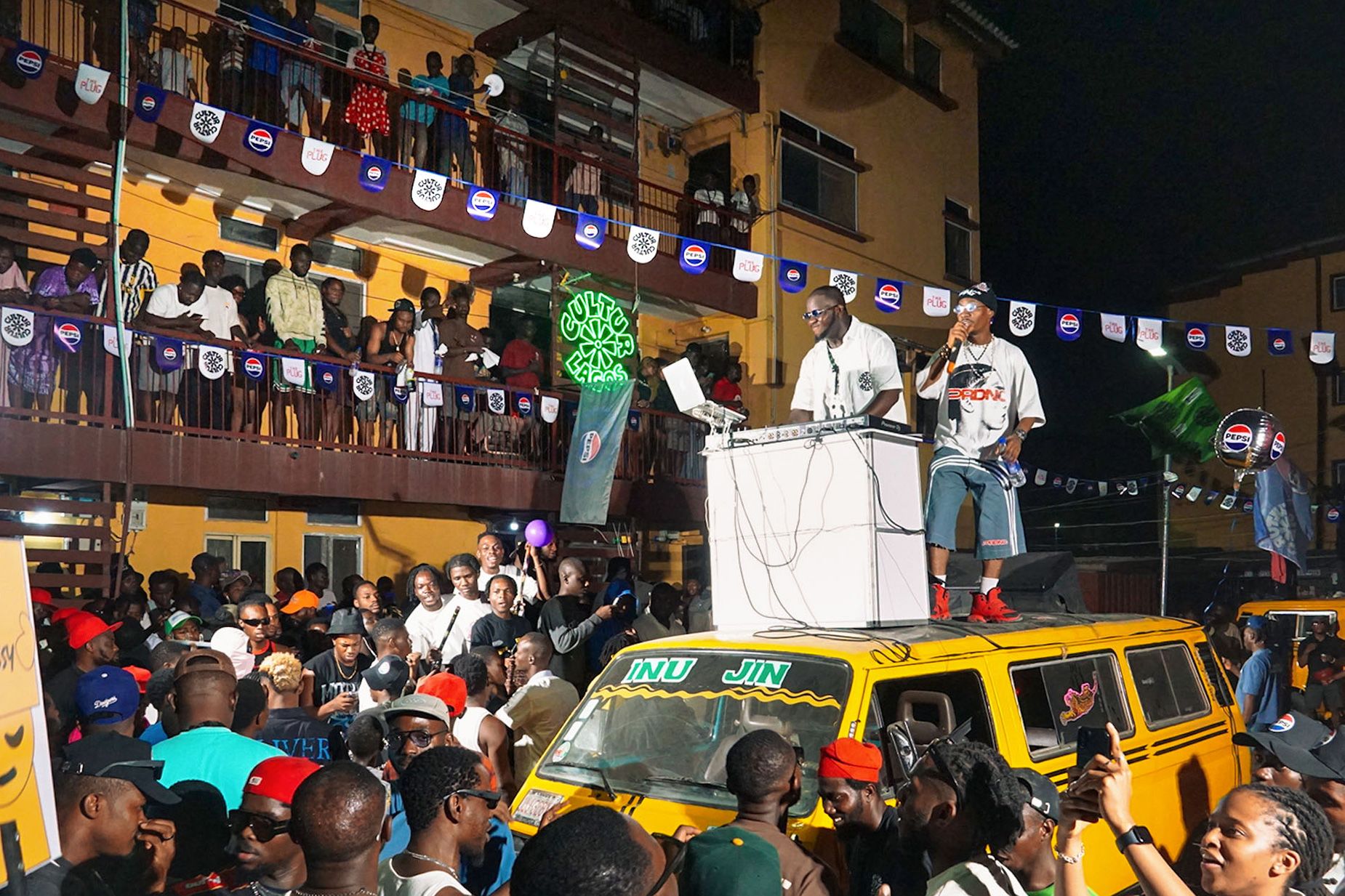
From the energetic Azonto of Ghana to the graceful Adumu jumping dance of the Maasai, African dance traditions are as diverse as the continent itself. Each region has developed its own distinctive styles that reflect local history, spiritual beliefs, and social values. Exploring these styles is a powerful way to understand the full depth of African cultural dance and what it means to different communities across the continent.
- West African dance emphasizes polyrhythm, grounded movement, and community participation
- East African dance often incorporates storytelling, props, and elaborate costumes
- South African gumboot dance originated among gold miners as a powerful form of expression
- North African dance traditions blend African and Middle Eastern cultural influences
- Dance is used in rites of passage, harvest festivals, and healing ceremonies across the continent
Learn African Dance: Join Classes and Celebrate the Culture
Why Learning African Dance Is More Than Just Movement
Learning African dance is one of the most direct and joyful ways to connect with African culture. Whether you are of African descent reconnecting with your roots or someone drawn to the beauty of African movement, taking African dance classes opens a door to a world of rhythm, story, and belonging that goes far beyond physical exercise.
What to Expect When You Step into an African Dance Class
African dance classes are welcoming, energetic, and deeply educational. Under the guidance of experienced African dance instructors, you will learn the foundational movements, rhythms, and cultural contexts behind each style. You do not need prior dance experience African culture celebrates all bodies, all levels, and all backgrounds. What matters most is your willingness to move, listen, and connect.
- Improve physical fitness while learning culturally rich movement traditions
- Connect with a global community of African culture enthusiasts
- Learn from certified, experienced African dance instructors
- Understand the stories and meanings behind every dance style you practice
- Build a genuine connection to the living traditions of African culture
Ready to begin? Register for African dance classes today and take your first step into a world of rhythm and cultural celebration.
The Vibrant World of African Cuisine: Flavors That Tell a Story
A Culinary Map of Africa — From North to South, East to West
African cuisine is one of the most varied and flavorful in the world, yet it remains one of the least understood outside the continent. Spanning 54 countries and hundreds of ethnic culinary traditions, multicultural Afro cuisines offer an extraordinary range of tastes, textures, and cooking techniques that reflect the land, history, and community of each region.
Key Ingredients and Dishes That Define African Food Culture
North African cuisine is characterized by fragrant spices like cumin, saffron, and cinnamon, featuring iconic dishes like Moroccan tagine. West African cooking celebrates bold, hearty flavors with dishes like jollof rice and egusi soup. East African cuisine features injera, a sourdough flatbread central to Ethiopian culture, while Southern African dishes like braai reflect a deep love of communal outdoor cooking, a perfect expression of African culture’s emphasis on togetherness.
- Jollof rice is one of West Africa’s most beloved and passionately debated dishes
- Injera — a fermented flatbread — is the foundation of Ethiopian and Eritrean cuisine
- Tagine from North Africa is a slow-cooked stew of meat, vegetables, and aromatic spices
- Ugali, a maize porridge, is a staple food across East and Central Africa
- Explore the full world of multicultural Afro cuisines and discover new favorites’
African Art, Symbols, and Crafts: The Visual Language of Ancient Civilisations
Adinkra, Kente, and Maasai Beadwork — Art with Deep Meaning
African art is among the most symbolically rich and visually powerful in human history. Unlike many Western art traditions that separate aesthetics from function, African art is fundamentally purposeful. Every pattern, color, and form carries cultural meaning. Ghanaian Adinkra symbols represent philosophical concepts like wisdom, strength, and unity. Kente cloth, woven in bright geometric patterns, tells the story of the wearer’s identity, a wearable expression of African culture at its finest.

How African Art Has Shaped Global Aesthetics and Modern Design
The influence of African art on the modern world is profound and often underacknowledged. African print patterns appear today in global fashion, interior design, and contemporary art, demonstrating the enduring power of African visual traditions to captivate and inspire across cultures and centuries. African culture did not simply receive influence from the world, it gave the world some of its most lasting and revolutionary visual ideas.
- Adinkra symbols from Ghana encode philosophical and spiritual concepts in visual form
- Kente cloth weaving is a royal tradition among the Akan people of Ghana
- Maasai beadwork uses color codes to communicate age, social status, and identity
- African masks are ceremonial objects with deep spiritual significance in many cultures
- African art directly influenced Cubism, Expressionism, and modern global design movements
African Fashion and Clothing: Style That Speaks Culture
Dashiki, Kente, Kitenge — Traditional Garments and Their Meaning
Clothing in African culture is never merely functional, it is a statement of identity, heritage, and belonging. The dashiki, a colorful garment with embroidered necklines, is worn across West Africa as a symbol of cultural pride. The kitenge, a vibrant printed fabric used across East and Central Africa, is made into everything from everyday clothing to wedding attire. Each pattern and color tells a story about who you are and what you are celebrating.
How African Fashion Is Taking Over Global Runways and Streets
African fashion has exploded onto the global stage, with designers from Lagos, Nairobi, Accra, and Johannesburg earning international acclaim. African prints, silhouettes, and embroidery techniques are now seen on runways in Paris, New York, and Milan. This global embrace of African fashion is more than a trend, it is a recognition of the sophistication and creativity that African culture has always possessed and generously shared with the world.
- The dashiki is a powerful symbol of African cultural pride worn across the diaspora
- Kitenge fabric is used for everyday wear, celebrations, and ceremonial events
- African fashion weeks in Lagos, Nairobi, and Johannesburg attract global attention
- Young African designers are blending traditional textiles with contemporary silhouettes
- Wearing African clothing is an act of cultural pride and identity affirmation
Spirituality and Religion in African Culture: From Ancient Beliefs to Modern Faith
Indigenous African Religions — Animism, Ancestors, and Sacred Rituals
Long before the arrival of Islam and Christianity on the continent, African communities developed rich and sophisticated spiritual systems. Indigenous African religions are deeply animistic, they recognize the presence of spiritual forces in nature, animals, and the cosmos. Ancestor veneration is central to many of these belief systems, reflecting African culture’s profound sense of continuity between the living, the dead, and those yet to be born.
How Islam and Christianity Blended into African Cultural Identity
Today, Islam and Christianity are widely practiced across Africa, but their adoption has rarely meant the erasure of indigenous beliefs. Instead, many African communities have created beautiful cultural syntheses, blending ancient spiritual practices with newer religious traditions in ways that are uniquely African. This spiritual creativity reflects the genius at the heart of African culture: the ability to absorb new influences while maintaining an unbroken connection to ancestral roots.
- Ancestor veneration remains a cornerstone of many African spiritual traditions today
- Sacred rituals mark every stage of life birth, initiation, marriage, and death
- African traditional healers bridge the spiritual and physical worlds in their communities
- African spirituality emphasizes harmony between humans, nature, and the divine
- Faith in African culture is lived, communal, and deeply connected to land and ancestry
African Cultural Festivals and Celebrations: Where Tradition Comes Alive
Grand Festivals That Unite Millions Across the Continent
African cultural festivals are among the most spectacular celebrations on Earth. They are living expressions of identity, history, and community, moments when African culture steps out of the past and dances into the present. Ethiopia’s Timkat festival celebrates Epiphany with colorful processions and music. Nigeria’s Durbar festival features elaborately dressed horsemen parading through the streets in a display of royal pageantry that has defined the region’s cultural identity for centuries.
How Festivals Preserve Heritage and Inspire the Next Generation
Cultural festivals play a vital role in keeping African culture alive for younger generations. For young Africans, these celebrations are not just entertainment — they are classrooms without walls, where they learn who they are, where they come from, and what their community values. When a young person performs an ancestral dance or participates in a sacred ritual, they are actively choosing to carry their culture forward into the future.
- Timkat in Ethiopia — one of the world’s most visually stunning cultural celebrations
- Durbar Festival in Nigeria — a magnificent display of emirate culture and horsemanship
- Homowo Festival in Ghana — a harvest celebration meaning “hooting at hunger”
- Carnival in Cape Verde blends African, Portuguese, and Brazilian cultural influences
- Africa’s festivals draw millions of cultural enthusiasts from around the world each year
How to Experience and Learn African Culture Today
Practical Ways to Immerse Yourself in Authentic African Culture
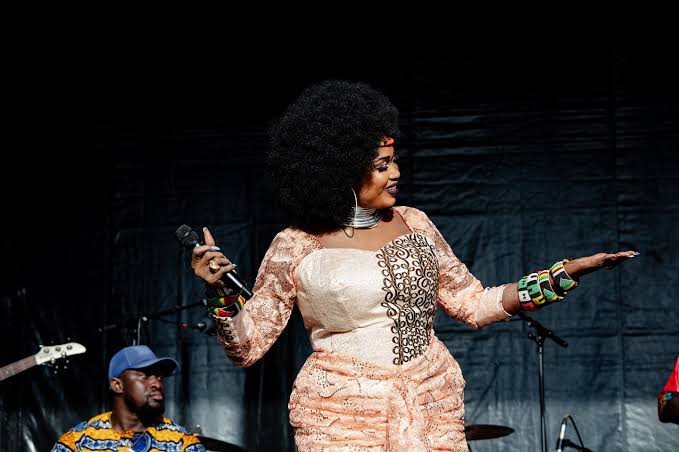
Experiencing African culture does not require a plane ticket to the continent. Today, authentic African cultural experiences are available through dedicated platforms, schools, and communities around the world. ILoveAfrica.com is one such platform — offering access to African dance classes, cultural education, culinary exploration, and a vibrant community of people who love and celebrate Africa.
Your First Step Toward a Deeper Cultural Connection Starts Here
African culture is not a museum exhibit to be observed from a distance, it is a living, breathing, joyful tradition that invites your full participation. Whether you begin by learning an African dance, preparing a traditional dish, or reading an African folktale aloud to a child, every act of cultural engagement is meaningful. Start where you are and let Africa’s extraordinary cultural heritage transform how you see the world.
- Join African dance classes with expert instructors who bring the culture to life
- Explore multicultural African cuisines and discover the stories behind every dish
- Enrol in the Afro School of Culture for a structured, immersive cultural curriculum
- Experience authentic African cultural dance and feel the rhythm of the continent
- Visit ILoveAfrica.com and become part of a global movement celebrating African culture
What is African culture?
African culture is a diverse system of traditions, languages, beliefs, art, and customs shared by 54 countries and over 3,000 ethnic groups, rooted in thousands of years of history.
Why is Africa called the cradle of human civilization?
Africa is home to some of the world’s oldest empires Egypt, Mali, Kush, and Great Zimbabwe and is widely recognized by historians as the birthplace of human civilization and earliest social structures.
How has African culture influenced the world?
African culture has shaped global music (jazz, blues, hip-hop, Afrobeats), fashion, art movements like Cubism, cuisine, and storytelling traditions enjoyed across every continent.
How can I learn and experience African culture?
You can join African dance classes, explore traditional cuisines, enroll in cultural schools like the Afro School of Culture, attend African festivals, or visit platforms like ILoveAfrica.com for immersive learning.

