What Is African Culture in Nigeria?
Nigeria is home to over 220 million people, more than 250 ethnic groups, and a cultural history that stretches back thousands of years before any colonial border was drawn. To understand African culture in Nigeria is to understand Africa itself its diversity, its creativity, and its unbreakable connection to tradition. Every ceremony, every meal, and every beat of a drum in Nigeria is a living act of cultural preservation.
The Ethnic Groups That Shape African Culture in Nigeria
Yoruba, Igbo, and Hausa-Fulani — Three Worlds Within One Nation
The Yoruba of southwest Nigeria built one of precolonial Africa’s most sophisticated urban civilizations, rich in art, divination, and philosophy. The Igbo of southeast Nigeria developed an egalitarian society where community consensus drove every major decision, a deeply African cultural value. The Hausa-Fulani of the north blended traditional African governance with Islamic scholarship, creating a cultural identity that still defines the region today.
Over 250 Ethnic Groups Coexisting in One Cultural Space
Beyond the three major groups, Nigeria’s smaller ethnic communities each carry traditions that are irreplaceable parts of African culture. The Edo people of Benin City produced bronze sculptures so sophisticated that European colonizers refused to believe Africans had made them. Every ethnic group in Nigeria adds another layer to a cultural tapestry that makes this nation arguably the most culturally rich on the entire continent.
- Yoruba — Ifa divination, art, and deep spiritual African cultural traditions
- Igbo — egalitarian values, masquerades and community-led African culture
- Hausa-Fulani — Islamic culture, emirate traditions, and fine craftsmanship
- Edo — creators of the world-famous Benin Bronze artistic tradition
- 250+ ethnic groups each contributing uniquely to Nigerian African culture
Nigerian Traditional Ceremonies — African Culture in Action
From Birth to Death — Every Moment Is a Ritual
In Nigerian African culture, no significant life moment passes without ceremony. Birth, naming, initiation, marriage, and death are all surrounded by rituals refined over centuries to carry deep cultural meaning. These ceremonies are the living mechanisms through which Nigerian African culture passes its values and identity from one generation to the next.
Why Nigerian Ceremonies Are the Most Elaborate in All of African Culture
The Yoruba naming ceremony, Isomoloruko, gathers family members to taste symbolic foods, honey for sweetness, kola nut for long life before a child receives a name that is both a prayer and a declaration. Nigerian ceremonies are elaborate not for spectacle but because African culture treats every milestone as a sacred opportunity to honor ancestors and reinforce community bonds.
African Culture in Nigeria Through Food
Jollof Rice, Egusi, Suya — Every Dish Tells a Story
Nigerian food is one of the most powerful expressions of African culture, carrying within every dish a history of community, geography, and spiritual belief. Jollof rice is not simply a popular meal, it is a symbol of Nigerian identity so tied to African culture that its preparation is debated with genuine passion across the diaspora. Explore the full world of multicultural Afro cuisines and discover the stories behind every Nigerian dish.
How Nigerian Cooking Is a Daily Act of Cultural Preservation
In Nigerian African culture, the kitchen is where cultural knowledge is quietly transmitted from elder to child. A grandmother teaching her granddaughter to pound yam is simultaneously teaching patience, strength, and respect for tradition. Every spice selection and cooking technique carries an unspoken lesson about who these people are.
The Spiritual Role of Food in Nigerian African Culture
Kola nut is offered to ancestors and guests alike as a sacred act of welcome and blessing in Nigerian African culture. Harvest festivals across Nigeria involve offering the first fruits of the season to ancestors before any community member eats. This reflects an African cultural worldview where gratitude and spiritual acknowledgement always come before personal consumption.
Nigerian Traditional Dishes and Their Cultural Meaning
| Dish | Region | Cultural Significance |
| Jollof Rice | Nationwide | Celebration, unity, and national cultural identity |
| Egusi Soup | Igbo / Yoruba | Ancestral meals, family gatherings, ceremonial feasts |
| Tuwo Shinkafa | Hausa-Fulani | Friday prayers, communal feasting, Islamic culture |
| Pounded Yam | Southwest Nigeria | Respect for elders, ceremonial and traditional meals |
| Banga Soup | Delta Region | Traditional marriage feasts and ancestral offerings |
| Kola Nut | Nationwide | Sacred offering, spiritual welcome, ancestral blessing |
African Culture in Nigeria Through Music
How Nigeria Became the Sound of the Entire African Continent
Nigeria’s musical tradition is one of the most prolific in all African culture, producing genres that have reshaped the global music industry from the inside out. From highlife in the 1950s to the Afrobeats revolution, Nigerian music has always been a vehicle for African cultural expression, political resistance, and communal identity. The country’s musical output is rooted in the same values that drive its ceremonies, rhythm is sacred, and music belongs to everyone.
Afrobeats — Nigeria’s Gift to Global African Culture
Afrobeats is the most significant cultural export Nigeria has ever produced, now one of the dominant forces in global popular music. Born from African cultural traditions of communal rhythm and storytelling through song, it fused ancient roots with contemporary production to create something entirely new yet unmistakably African. Artists like Burna Boy, Wizkid, Davido, and Tems have carried Nigerian African culture onto the world’s biggest stages.
- Fela Kuti — founding father of Nigerian musical African culture and political resistance through song
- Burna Boy — Grammy-winning artist whose music is a direct expression of Nigerian African culture
- Wizkid — the artist who introduced Afrobeats to a global mainstream audience
- Tems — redefining what a Nigerian African music artist sounds like on the world stage
- Davido — using his platform to amplify Nigerian African culture across three continents
Nigerian Traditional Dance and African Cultural Dance
Dance Styles That Carry Nigeria’s Living Cultural Identity
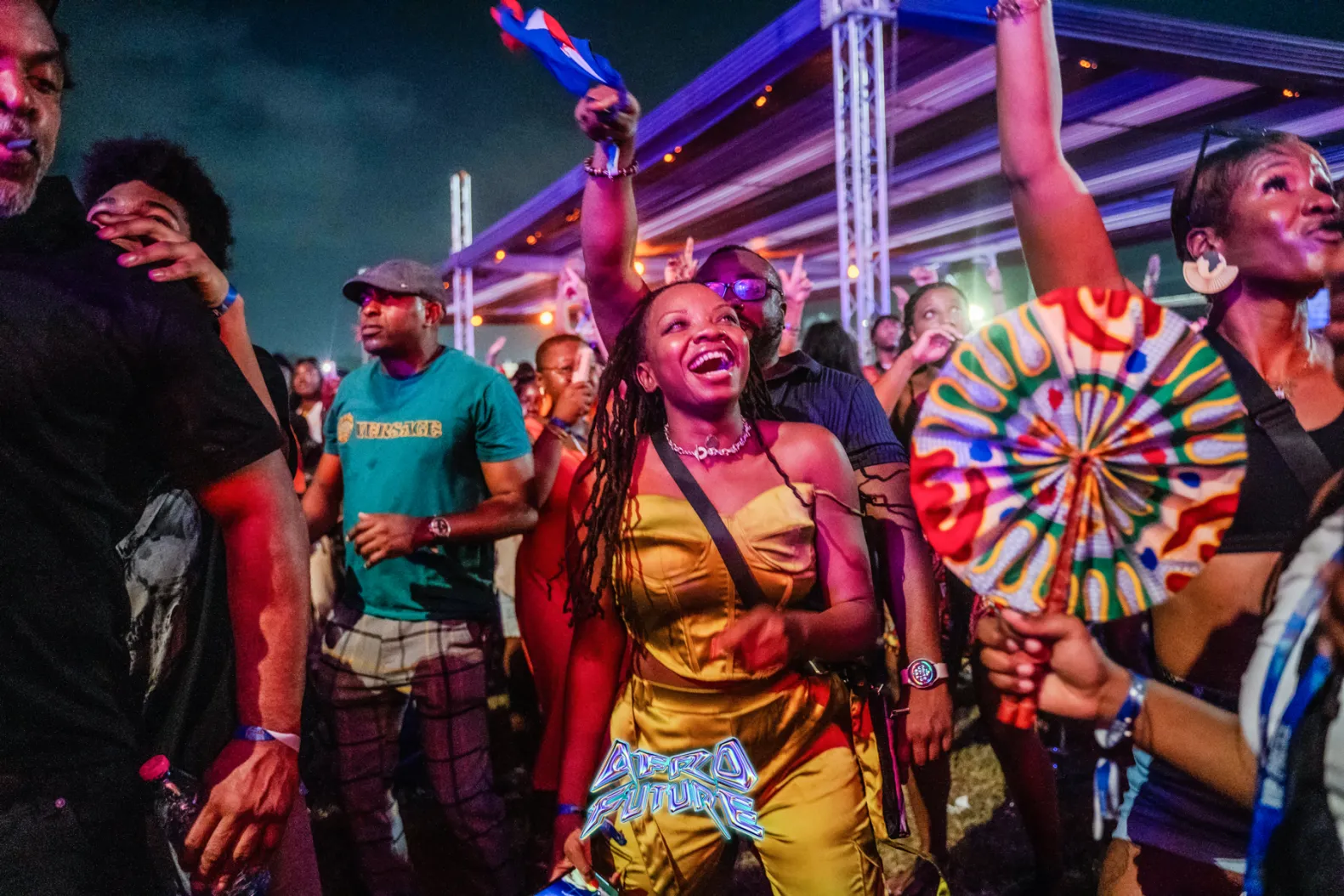
In Nigerian African culture, dance is woven into the fabric of every ceremony, celebration, and moment of communal significance. African cultural dance in Nigeria is a living archive, with each movement encoding knowledge about where a community comes from and what it believes. To watch a traditional Nigerian dance is to read a text written not in words but in the human body itself.
How Every Nigerian Ethnic Group Dances Differently
No two ethnic groups in Nigeria share the same dance vocabulary, and this diversity is one of the most powerful expressions of African culture in the country. Experienced African dance instructors who specialize in Nigerian traditions understand that teaching a dance style means teaching an entire worldview. The movement cannot be separated from the meaning behind it.
Nigerian Traditional Dance Styles
| Dance | Ethnic Group | Occasion |
| Bata | Yoruba | Spiritual ceremonies, Orisha worship, festivals |
| Atilogwu | Igbo | Youth celebrations, acrobatic cultural display |
| Durbar | Hausa-Fulani | Eid festivals, royal processions, Islamic celebrations |
| Ekombi | Efik / Ibibio | Female rite of passage, cultural celebrations |
| Swange | Tiv | Communal gatherings, social and cultural events |
| Agbadza | Ewe | Ceremonial and community cultural dance |
Traditional Nigerian Clothing — African Culture Worn with Pride
The Language of Color, Fabric, and Pattern in Nigerian Dress
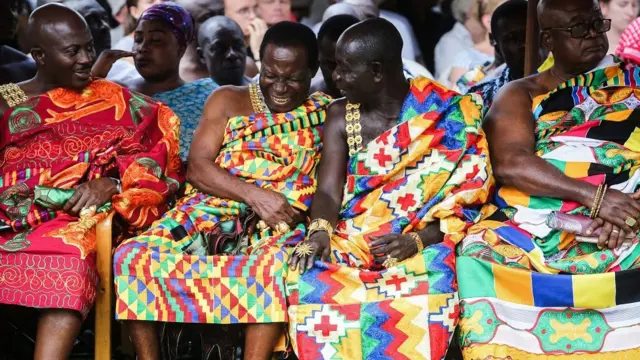
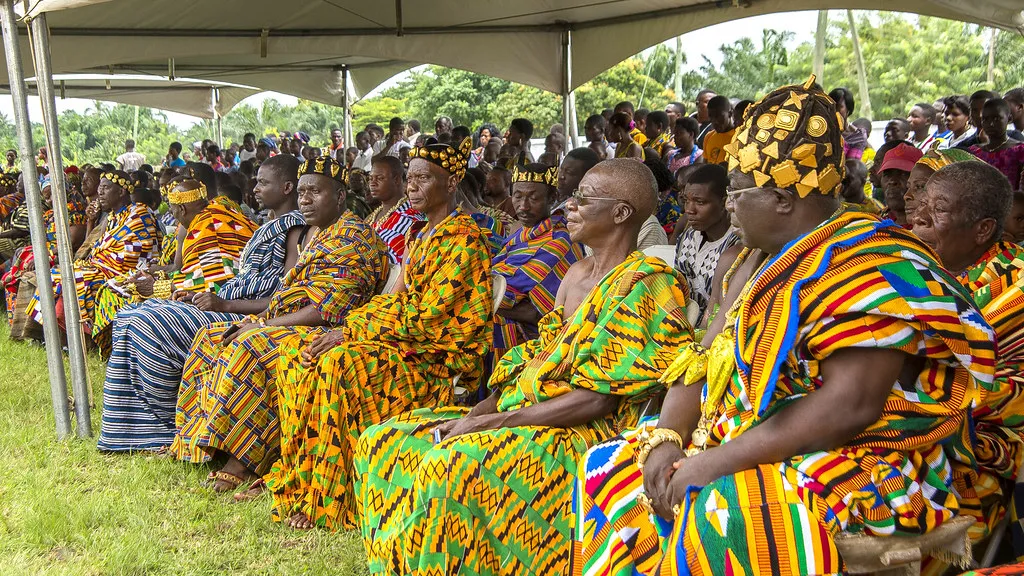
Traditional Nigerian clothing is one of the most spectacular expressions of African culture on the continent, with each garment communicating identity, status, and occasion through color, fabric, and form. The Yoruba agbada, a flowing wide-sleeved robe, commands immediate respect and signals cultural pride in a way that transcends language. Aso-oke, a hand-woven fabric used at Yoruba ceremonies, carries within its threads a tradition of craftsmanship that defines Nigerian African culture at its most refined.
- Agbada — Yoruba flowing ceremonial robe, a mark of cultural status and pride
- Aso-oke — hand-woven Yoruba fabric used at weddings, funerals, and cultural ceremonies
- George fabric — worn by Igbo women at traditional weddings, rich in cultural significance
- Hausa-Fulani attire — flowing robes and embroidered caps reflecting Islamic African culture
- Ankara print — a pan-Nigerian fabric and global symbol of African cultural identity
Religion and Spirituality in Nigerian African Culture
Islam, Christianity, and Indigenous Yoruba Beliefs
Nigeria is one of the most religiously complex nations in all African culture, with Islam dominant in the north, Christianity in the south, and indigenous spiritual traditions woven through both. This religious plurality is not simply a source of division, it is one of the defining characteristics of Nigerian African culture, a society that has found ways to live and create across profound spiritual differences.
How Three Faith Traditions Live Side by Side in One Nation
The Yoruba Ifa divination system is one of the most sophisticated indigenous spiritual traditions in African culture, recognized by UNESCO as an Intangible Cultural Heritage of Humanity. Ifa priests called Babalawo spend decades memorizing an oral scripture of 256 chapters that encodes Yoruba philosophy, medicine, and ethics in poetic verse. This tradition has survived alongside Christianity and Islam, proving the resilience of African cultural traditions beyond what any outside observer might expect.
Why Nigerian Spirituality Cannot Be Separated from African Culture
In Nigerian African culture, the boundary between the spiritual and the everyday simply does not exist in the Western sense. Every major life event, birth, marriage, illness, death, involves spiritual consultation, whether through Christian prayer, Islamic du’a, or Yoruba divination. This is a deeply African cultural philosophy that insists the visible and invisible worlds are always in conversation.
Nigerian Festivals — Where African Culture Becomes a Spectacle
Nigerian festivals are among the most visually stunning celebrations in all African culture, drawing millions of participants from across the country and around the world. Each festival is a concentrated expression of a community’s relationship to its ancestors, its land, and its nieghbour. To attend a major Nigerian festival is to experience African culture not as a historical concept but as a living, dancing, singing reality.
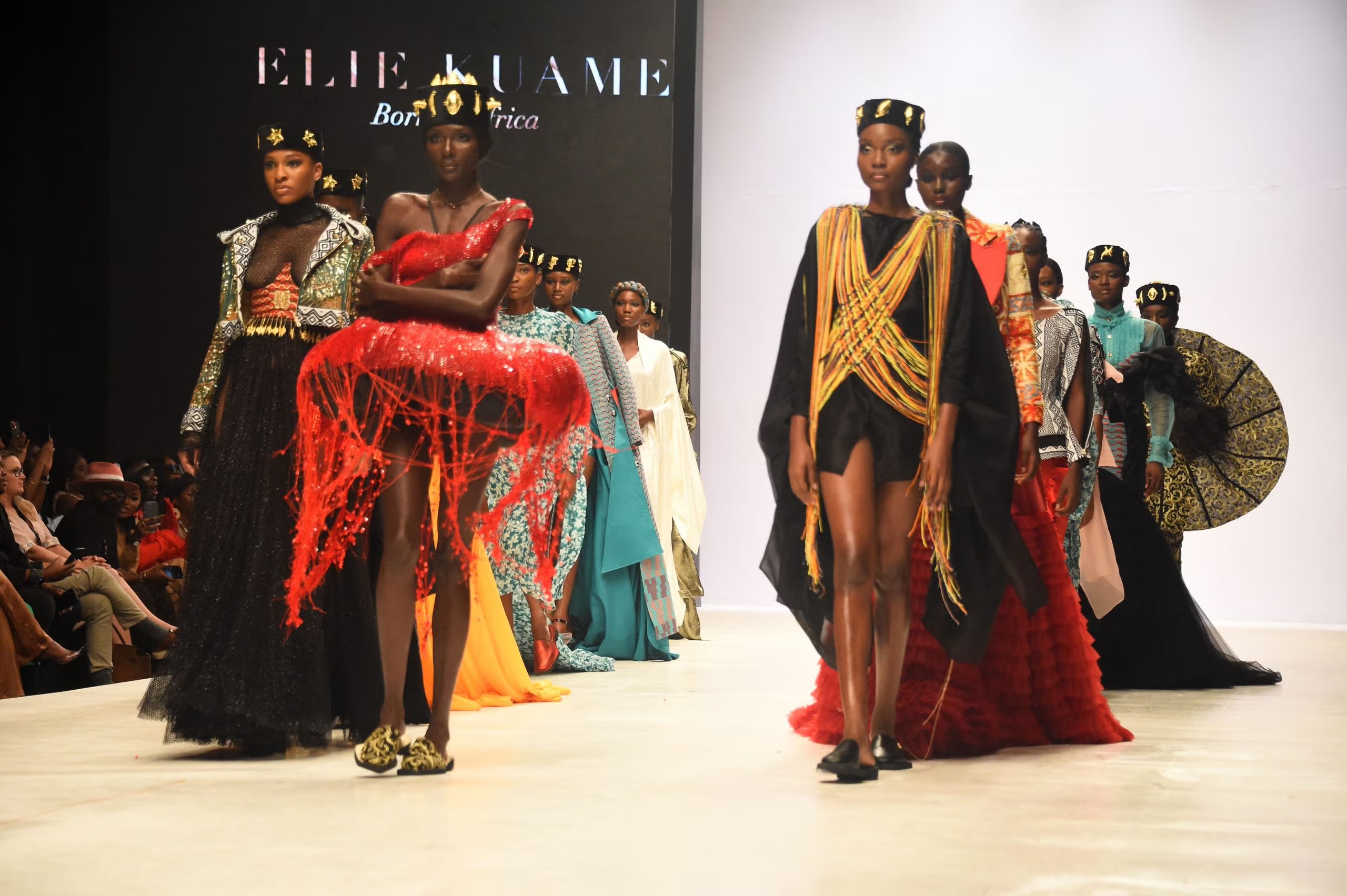
Major Nigerian Festivals and Their Cultural Significance
| Festival | Location | Cultural Meaning |
| Osun-Osogbo | Osogbo, Osun State | Yoruba goddess worship, ancestral heritage, UNESCO recognized |
| Durbar Festival | Kano, Kaduna | Islamic celebration, royal Hausa-Fulani cultural identity |
| New Yam Festival | Igbo communities | Harvest gratitude, ancestral offering, communal African culture |
| Eyo Festival | Lagos | Yoruba masquerade, ancestral spirits, Lagos cultural identity |
| Argungu Fishing Festival | Kebbi State | Cultural heritage, community unity, traditional competition |
| Calabar Carnival | Cross River State | Pan-Nigerian African cultural celebration and unity |
Nigerian Art and Storytelling in African Culture
Nigeria’s artistic tradition is one of the oldest and most technically accomplished in all of African culture, producing works that have permanently changed how the world understands African creativity. The Benin Bronzes, cast metal sculptures produced as far back as the thirteenth century represent a pinnacle of African cultural achievement that rivals anything produced globally in the same period. Today, Nollywood carries this storytelling tradition into the digital age, producing hundreds of films every year that explore Nigerian African culture with depth and authenticity.
- Benin Bronze sculptures — thirteenth-century African cultural art displayed in museums worldwide
- Uli body art — Igbo artistic tradition of geometric patterns with deep spiritual meaning
- Nollywood — world’s second-largest film industry, built on Nigerian African cultural storytelling
- Yoruba praise poetry — oral artistic tradition encoding history in improvised verse
- Contemporary Nigerian artists bringing African culture to global gallery spaces
The Yoruba Philosophy Behind Nigerian African Culture
Ifa — The Yoruba Traditional System of Knowledge
The Ifa system is not simply a religious practice, it is one of the most comprehensive philosophical frameworks in all African culture, addressing ethics, medicine, governance, and history. Recognized by UNESCO as an Intangible Cultural Heritage of Humanity, Ifa is an oral scripture of 256 chapters that Babalawo priests spend their entire lives memorizing and interpreting. The sophistication of this system challenges every assumption that African culture was ever primitive or unsystematic.
How Yoruba Thought Shaped African Culture Beyond Nigeria
When millions of enslaved Yoruba people were taken to Brazil, Cuba, and Haiti, they carried Ifa with them and it took root as Candomblé, Santeria, and Vodou, practiced by tens of millions today. This global diaspora of Yoruba African culture is one of the most remarkable examples of cultural resilience in human history. No amount of violence or displacement could permanently sever these people from the philosophical roots of their identity.
How Nigerian African Culture Is Influencing the World
The global influence of Nigerian African culture has never been greater, with the country’s music, film, fashion, and food penetrating every corner of the international cultural conversation. Afrobeats is now the fastest-growing music genre in the world, with Nigerian artists topping charts in countries where Africa was previously invisible to mainstream audiences. Nollywood films connect African diaspora communities on every continent to the Nigerian African culture of their homeland.
- Afrobeats dominating global streaming platforms and concert venues worldwide
- Nollywood producing over 2,500 films per year, second only to India in global output
- Nigerian fashion designers showing at Paris, Milan, and New York Fashion Weeks
- Nigerian food entering global restaurant culture through diaspora communities
- Yoruba language and cultural practices spreading through diaspora communities across the Americas
Where to Experience Nigerian African Culture Today
You do not need to travel to Lagos to begin experiencing Nigerian African culture. ILoveAfrica.com brings authentic African cultural experiences directly to you through African cultural dance classes, multicultural Afro cuisines, and structured learning at the Afro School of Culture. Every step toward Nigerian African culture is a step toward understanding one of humanity’s most extraordinary living heritages.
- Experience authentic African cultural dance rooted in Nigerian traditions
- Learn from certified African dance instructors who know Nigerian culture deeply
- Explore multicultural Afro cuisines and discover Nigerian food culture
- Enrol in the Afro School of Culture for structured Nigerian African cultural education
- Visit ILoveAfrica.com and join a global community celebrating African culture
Frequently Asked Questions
African culture in Nigeria?
Community and family are the absolute foundation of African culture in Nigeria. Every tradition, ceremony, and ritual is designed to strengthen bonds between people and between the living and their ancestors, no individual exists outside of their community in Nigerian African cultural thought.
How many ethnic groups are in Nigeria?
Nigeria has over 250 distinct ethnic groups, each carrying its own African cultural traditions, language, ceremonies, and worldview. The three largest Yoruba, Igbo, and Hausa-Fulani are the most widely known, but every smaller group contributes something irreplaceable to the full picture of Nigerian African culture.
What is the role of dance in Nigerian African culture?
Dance in Nigerian African culture is a sacred form of communication, not merely entertainment. It honors ancestors, marks life milestones like birth and initiation, and transmits cultural knowledge from one generation to the next. You can explore authentic Nigerian African cultural dance traditions and learn from experienced African dance instructors today.
What makes Nigerian food part of African culture?
Nigerian food is inseparable from African culture because every dish carries a history of community, spirituality, and tradition. From the sacred role of kola nut in ancestral offerings to the communal significance of jollof rice at every major celebration, eating in Nigeria is always more than a physical act. Discover the full story behind multicultural Afro cuisines and the cultural meaning behind every meal.
How is Afrobeats connected to Nigerian African culture?
Afrobeats is a direct evolution of Nigerian African cultural musical traditions rooted in communal rhythm, call-and-response, and the ancient practice of storytelling through song. It fused these deep African cultural roots with contemporary production to create a genre that is now one of the most listened-to in the entire world, carrying Nigerian African culture to every corner of the globe.
Where can I learn about Nigerian African culture?
ILoveAfrica.com offers authentic access to Nigerian African culture through dance classes, cultural education, and cuisine exploration. The Afro School of Culture provides structured, immersive learning for anyone who wants to go beyond surface-level appreciation and develop a genuine, deep connection with African culture in Nigeria and beyond.

