
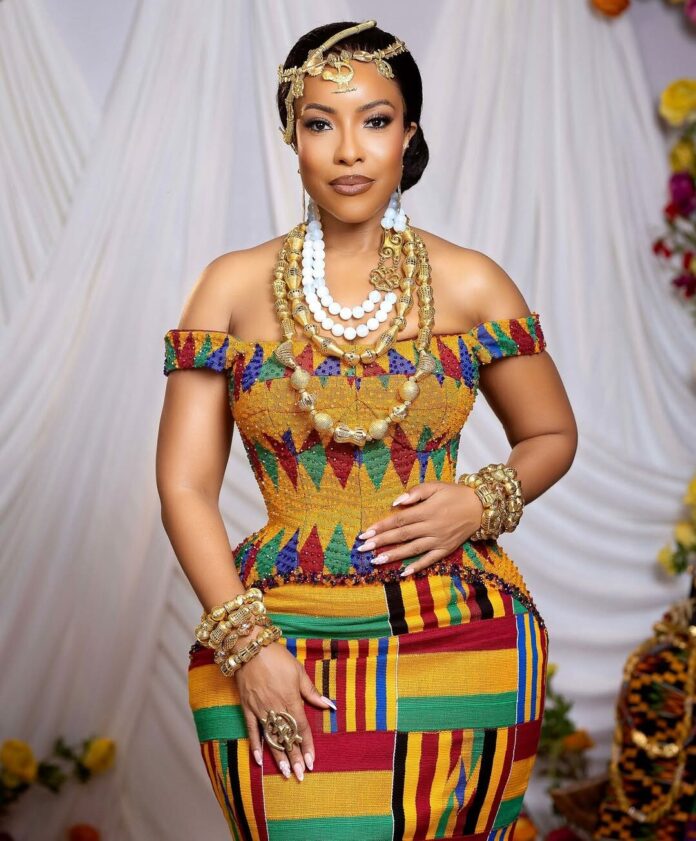
African traditional clothing is one of the most expressive and diverse forms of cultural heritage in the world. Spanning 54 countries and thousands of ethnic groups, the garments worn across the African continent tell stories of identity, history, spirituality, and pride. From the bold Kente cloth of Ghana to the flowing robes of North Africa, every thread carries meaning that goes far beyond fashion.
What Is African Traditional Clothing?
African traditional clothing refers to the garments, fabrics, and styles that have been passed down through generations within African communities. These are not just clothes, they are cultural documents stitched in color, pattern, and form. Unlike Western fashion trends that change seasonally, African traditional attire is rooted in ancestry and purpose, worn during ceremonies, rites of passage, celebrations, and everyday life.
Each region of Africa has developed its own distinct textile traditions based on climate, available materials, and cultural values. What unites them all is an extraordinary richness of craftsmanship and a deep sense of communal identity expressed through dress.
The Cultural Significance of African Traditional Clothing
Clothing as Identity and Heritage
In many African cultures, what you wear tells others exactly who you are your tribe, your status, your age, and even your marital status. A Maasai warrior’s red shuka communicates strength and warrior identity. A Yoruba chief’s agbada signals authority and nobility. Clothing functions as a living language that communities have spoken for centuries without a single word. Understanding African culture begins with understanding what people wear and why they wear it.
- Patterns and colors often carry specific meanings tied to ancestry
- Certain garments are reserved for royalty, elders, or priests
- Clothing marks important life milestones such as birth, puberty, marriage, and death
Spiritual and Ceremonial Meaning
Traditional African clothing is deeply intertwined with spiritual belief systems and ceremonial practices. During rituals, the right garment is not optional, it is sacred. Specific colors, symbols woven into fabric, and even the way a garment is tied can invoke ancestral protection or signal communication with the divine. In many West African traditions, white garments symbolize purity and are worn during naming ceremonies or funerals to honor the spiritual transition of souls.
- White represents purity and spiritual elevation in many traditions
- Red often symbolizes strength, sacrifice, and vitality
- Black carries both mourning and power depending on context
Most Iconic African Traditional Clothing by Region
West African Traditional Clothing
West Africa is perhaps the most globally recognized source of African traditional clothing, largely because of the African diaspora. The region is home to Kente cloth from Ghana, the Agbada from Nigeria, and the Boubou worn across Senegal, Mali, and Guinea. These garments are bold, colorful, and woven with geometric patterns that carry historical meaning. Kente cloth, for instance, was once exclusively for Ghanaian royalty and is now worn worldwide as a symbol of African pride and excellence.
- Kente cloth — woven silk and cotton from the Ashanti and Ewe peoples of Ghana
- Agbada — a wide-sleeved flowing robe worn by Yoruba and Hausa men
- Boubou/Bubu — a loose-fitting garment worn by both men and women across Sahelian West Africa
- Aso-Oke — a hand-loomed fabric from Yorubaland used in weddings and ceremonies
East African Traditional Clothing
East African traditional clothing reflects the region’s diverse ethnic mix and its long history of trade with Arabia, India, and Persia. The Maasai of Kenya and Tanzania are globally recognized for their striking red-checked shuka and elaborate beadwork jewelry. The Kanzu is a long white robe worn by Muslim men in coastal East Africa, a garment that reflects centuries of Swahili cultural exchange. Ethiopian traditional dress, such as the white cotton Habesha kemis adorned with embroidered borders, is among the most elegant on the continent.
- Shuka — the Maasai plaid wrap, typically in red and blue
- Kanzu — a white ankle-length robe worn along the Swahili Coast
- Habesha Kemis — traditional Ethiopian dress with colorful embroidered borders
- Kitenge/Kanga — printed cotton wraps widely used by women across the region
North African Traditional Clothing
North Africa blends Berber, Arab, and Sub-Saharan influences into a distinctive clothing tradition. The Djellaba, a long-hooded robe worn in Morocco, Algeria, and Tunisia, is one of the most recognizable garments of the region. Berber women are known for their intricate silver jewelry and embroidered robes, while Tuareg men are iconic for their deep indigo blue veils and robes that protect against the Saharan sun. The Kaftan of Morocco, heavily embroidered and worn during weddings, is among the most luxurious traditional garments on the continent.
- Djellaba — hooded full-length robe common across the Maghreb
- Kaftan — richly embroidered formal robe worn at Moroccan celebrations
- Haik — a large white wrap worn by women in Algeria and Tunisia
- Tuareg Tagelmust — the iconic indigo veil and robe of Saharan Tuareg men
Famous African Fabrics and Textiles
Kente Cloth — The Gold of West Africa
Kente cloth is arguably the most iconic African textile in the world. Originating from the Ashanti Kingdom of Ghana, it is hand-woven in narrow strips that are sewn together to create vibrant, geometric patterns. Every color and pattern in Kente carries meaning: gold represents royalty and wealth, green symbolizes growth and renewal, and red speaks of sacrifice and struggle. Today, Kente is worn globally by people of African descent as a proud symbol of heritage and resistance.
Key African fabrics and textiles at a glance:
| Fabric | Origin | Key Feature |
| Kente Cloth | Ghana (Ashanti/Ewe) | Hand-woven, geometric, royal symbolism |
| Ankara/African Wax Print | Pan-African | Bold prints, widely used for everyday wear |
| Mudcloth (Bogolan) | Mali (Bambara) | Earth-toned, hand-painted geometric patterns |
| Adire | Nigeria (Yoruba) | Indigo-dyed resist fabric |
| Kitenge | East/Central Africa | Colorful printed cotton wrap |
| Aso-Oke | Nigeria (Yoruba) | Hand-loomed, used in ceremonies |
| Habesha Cotton | Ethiopia | Fine white cotton with colored embroidery |
African Traditional Clothing for Men and Women
Men’s Traditional Attire
Across the continent, men’s traditional clothing balances dignity, cultural pride, and practicality. In West Africa, Agbada, a wide three-piece ensemble, is worn at important occasions such as weddings, funerals, and festivals. Ghanaian men drape Kente cloth over one shoulder like a toga for formal events. In East Africa, Maasai men wear the iconic shuka and carry a wooden rungu as part of their warrior identity. North African men favor the Djellaba or Kaftan, often paired with the traditional Babouche leather slippers.
- Agbada (Nigeria) — three-piece wide-sleeved robe for formal events
- Kente drape (Ghana) — worn toga-style for ceremonial occasions
- Shuka (East Africa) warrior cloth in bold red and blue plaid
- Djellaba (North Africa) every day and formal hooded robe
Women’s Traditional Attire
Women’s traditional clothing across Africa is celebrated for its extraordinary color, layering, and adornment. Yoruba women wear the iconic Iro and Buba, a wrapper skirt paired with a blouse along with the Gele, a head-tie that can take hours to perfect and is considered a crown. Ghanaian women incorporate Kente into their formal wear and bridal attire. East African women are known for Kanga wraps printed cotton cloths with Swahili proverbs printed on the border. Ethiopian women wear the Habesha Kemis for celebrations, a dress that radiates elegance with its embroidered hem and collar.
- Iro, Buba, and Gele (Nigeria) — iconic Yoruba women’s three-piece set
- Kanga (East Africa) — printed wrap with Swahili sayings on the border
- Habesha Kemis (Ethiopia) — white embroidered ceremonial dress
- Atoghu/Toghu (Cameroon) — velvet-based embroidered traditional attire
The Deep Connection Between African Clothing and Dance
African traditional clothing and dance are inseparable arts. The way a garment flows, spins, and moves is as much a part of the performance as the steps themselves. In many West African dance traditions, full-skirted wrappers are worn precisely so that the fabric fans outward during spinning, creating a dramatic visual effect that amplifies the energy of the dance. The African cultural dance tradition reflects this unity of body, cloth, and rhythm beautifully.
Specific dance costumes serve functional and symbolic roles:
- Masquerade costumes — full-body raffia or fabric suits that represent ancestral spirits in Igbo, Yoruba, and Senufo traditions
- Beaded dance attire — worn by Zulu and Ndebele women during ceremonial dances, where each bead arrangement has a specific meaning
- Flowing boubou robes — allow graceful arm movements in West African praise dances
- Ceremonial headdresses — large feathered or carved headdresses worn during royal dances in Cameroon and DR Congo
The relationship between clothing and movement is so important that African dance instructors teach students about the meaning of garments alongside the choreography itself because you cannot fully understand the dance without understanding what the dancer is wearing and why.
African Traditional Clothing in Modern Fashion
Global Runways Embracing African Prints
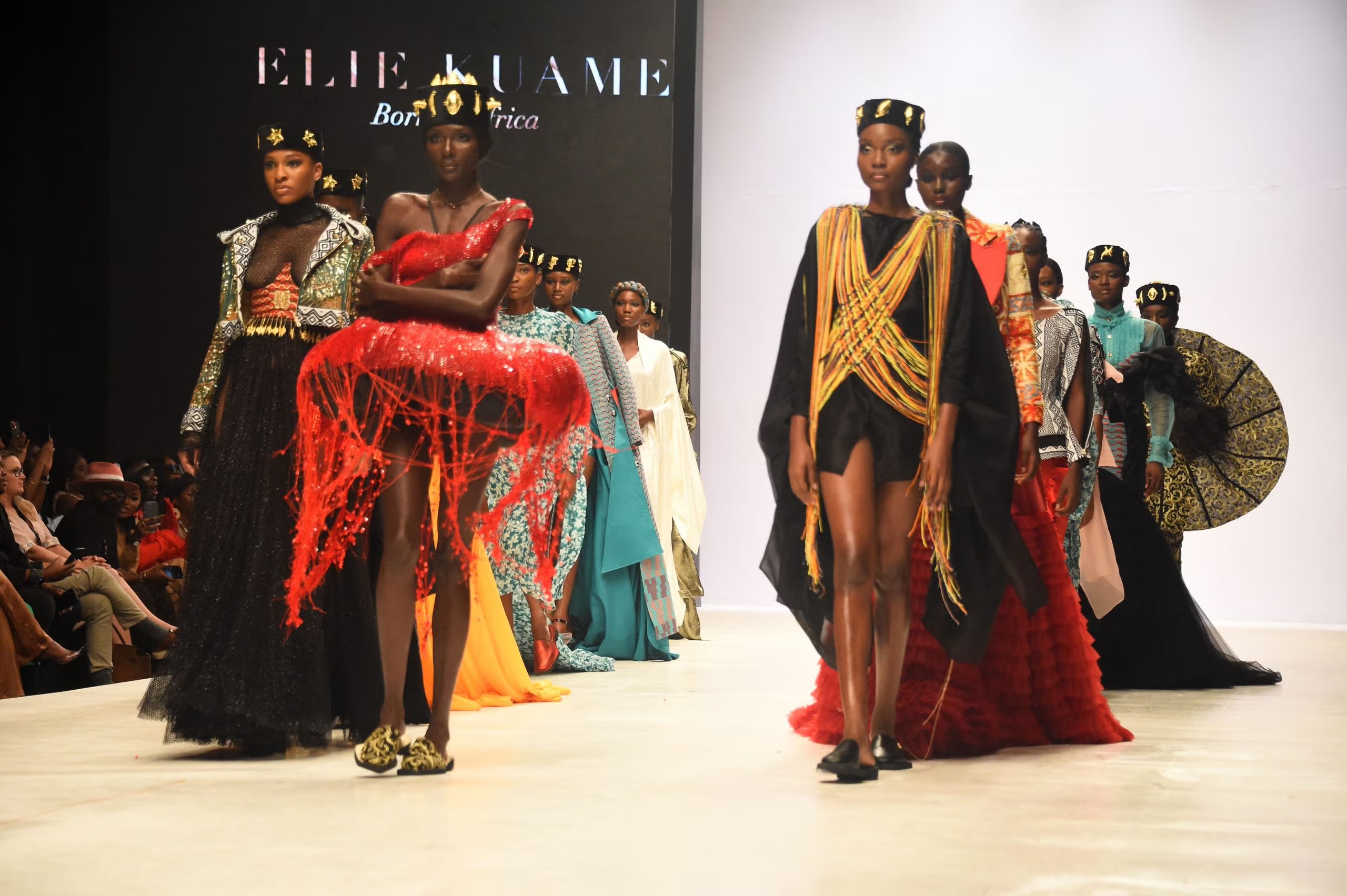
Over the past two decades, African traditional clothing has moved from cultural ceremonies to global fashion runways. Designers such as Duro Olowu, Ozwald Boateng, and Adama Paris have brought African prints, silhouettes, and textile traditions to Paris, Milan, and New York. Ankara print, once purely regional, is now a global fashion staple. Fashion weeks in Lagos, Nairobi, and Dakar have grown into internationally respected events that showcase African design to the world on its own terms.
- Lagos Fashion Week is one of the fastest-growing fashion events in Africa
- Afrofuturism blends traditional African aesthetics with futuristic design concepts
- Global brands like Louis Vuitton and Stella McCartney have collaborated with African artisans
How Diaspora Communities Keep the Tradition Alive
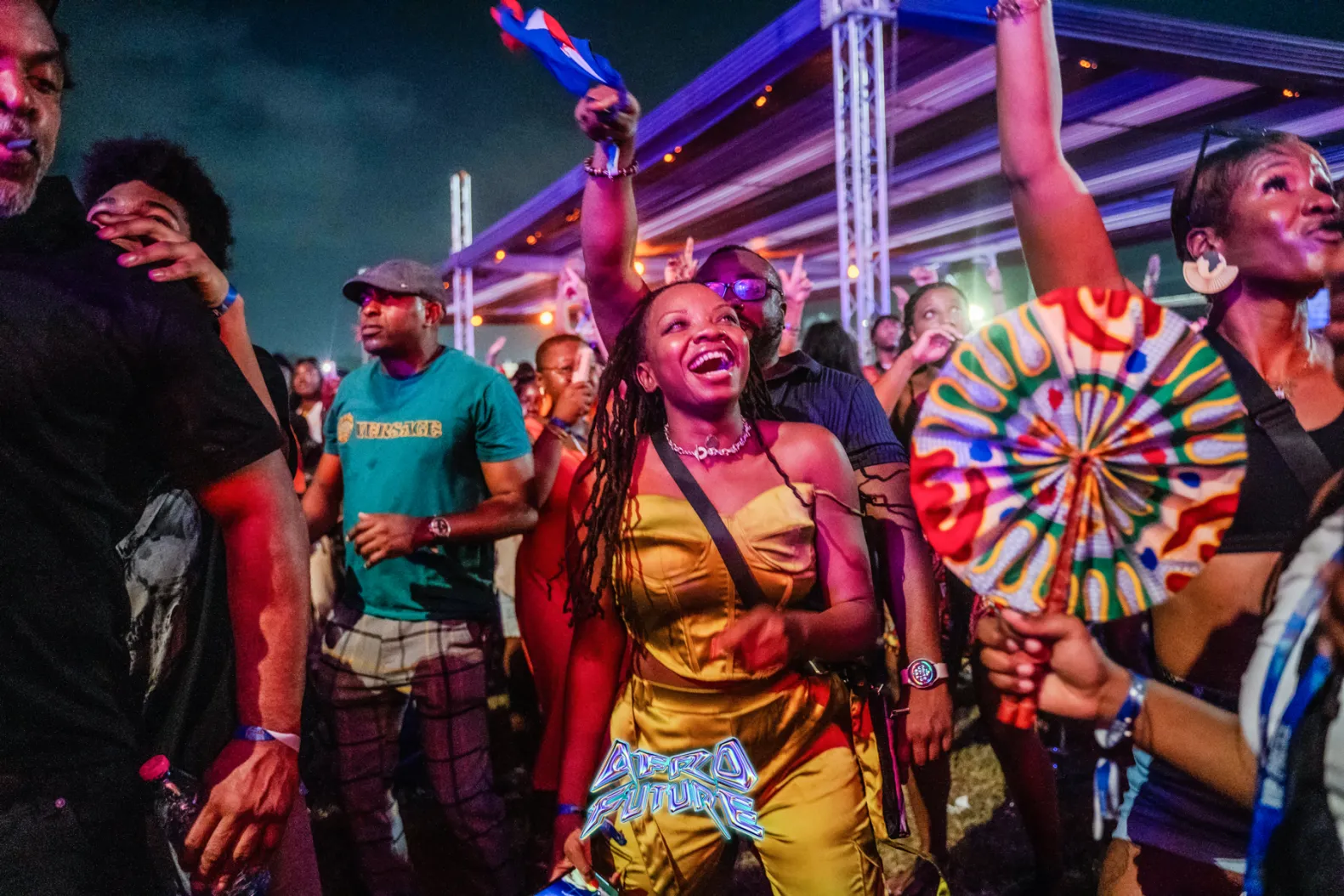
For African diaspora communities in Europe, North America, and the Caribbean, traditional clothing is a powerful act of cultural reclamation. Wearing Kente cloth at graduations, Dashikis at community events, or Ankara-print dresses at family gatherings is a way of staying connected to roots across generations and oceans. These communities are not just preserving tradition, they are evolving it, blending it with contemporary style to create vibrant new forms of African cultural expression that belong to the present as much as the past.
How to Experience Authentic African Culture Today
Learn African Dance and Culture Online
One of the best ways to deepen your appreciation for African traditional clothing is to engage with the culture that surrounds it. Dance, cuisine, and communal storytelling are all part of the same rich cultural tapestry. The Afro School of Culture offers immersive ways to connect with authentic African cultural experiences from dance classes to cultural workshops that explore the meaning behind the garments, rituals, and movements of Africa’s diverse peoples.
Exploring multicultural Afro cuisines alongside clothing traditions gives you a fuller picture of how deeply interconnected African cultural life is food, dress, music, and dance all speak the same language of community and identity.
Ways to engage with African traditional culture:
- Attend African cultural festivals in your city
- Take an Afro dance or drumming class from a qualified instructor
- Learn about the history behind specific fabrics like Kente or Bogolan
- Support African designers and artisans directly
- Explore cultural education platforms and community organizations
Why African Traditional Clothing Still Matters
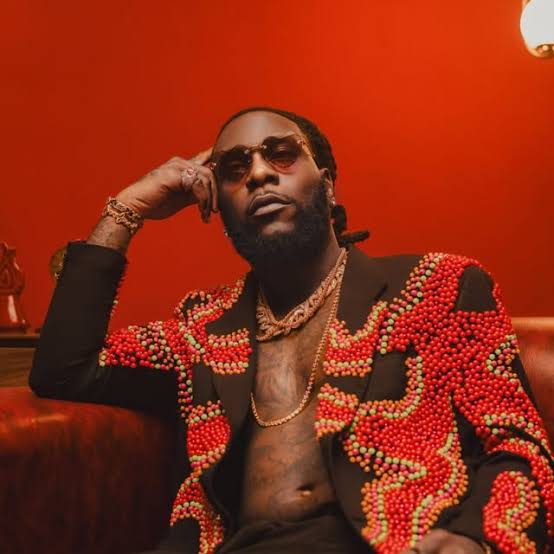
African traditional clothing is not a relic of the past, it is a living, breathing cultural force that continues to shape identity, inspire creativity, and connect communities around the world. In an era of global homogenization, these garments are acts of resistance and pride. They remind the world that Africa is not a monolith but a continent of extraordinary cultural diversity, each community with its own visual language woven in cloth.
Why African traditional clothing matters today:
- It preserves endangered textile traditions that took centuries to develop
- It gives diaspora communities a tangible connection to their heritage
- It challenges Eurocentric beauty and fashion standards on a global stage
- It supports local artisans, weavers, and dyers whose livelihoods depend on these traditions
- It educates younger generations about the depth and richness of African cultural history
- It promotes cultural exchange and mutual respect across communities worldwide
Final Thoughts
African traditional clothing is a testament to the extraordinary creativity, resilience, and cultural depth of the African continent. Whether it is the royal shimmer of Kente cloth, the spiritual significance of white ceremonial robes, or the warrior pride of a Maasai shuka, every garment carries a world within it. As interest in African culture continues to grow globally, it is more important than ever to engage with these traditions respectfully, thoughtfully, and with a genuine desire to understand not just to wear.
The best way to honor African traditional clothing is to learn its stories, support the people who create it, and celebrate the living cultures from which it comes.
Frequently Asked Questions
What is the most famous piece of African traditional clothing?
Kente cloth from Ghana is arguably the most globally recognized African traditional garment. Originally worn by Ashanti royalty, it is now a worldwide symbol of African pride and heritage, worn at graduations, celebrations, and cultural events across the diaspora.
What does color symbolize in African traditional clothing?
Colors carry specific meanings that vary by region and ethnic group. Generally, gold represents wealth and royalty, red symbolizes sacrifice and strength, white denotes purity and spiritual transition, and green reflects growth and renewal though meanings can differ significantly across cultures.
Is African traditional clothing still worn today?
Absolutely. African traditional clothing is worn daily in many communities and is central to weddings, funerals, festivals, and rites of passage. It has also become a major influence on global fashion, appearing on international runways and in everyday street style worldwide.
What is Ankara fabric and where does it come from?
Ankara, also known as African wax print, is a brightly colored cotton fabric with bold geometric and nature-inspired patterns. Though its industrial production has Dutch origins, it has been fully adopted into African fashion culture and is now considered a quintessentially African fabric used across the continent.
How is African traditional clothing connected to African dance?
African clothing and dance are deeply intertwined garments are often designed to move with the body during performance. Masquerade costumes, beaded dance attire, and flowing robes all serve specific roles in ceremonial dances, and understanding the clothing is considered essential to understanding the dance itself.

