
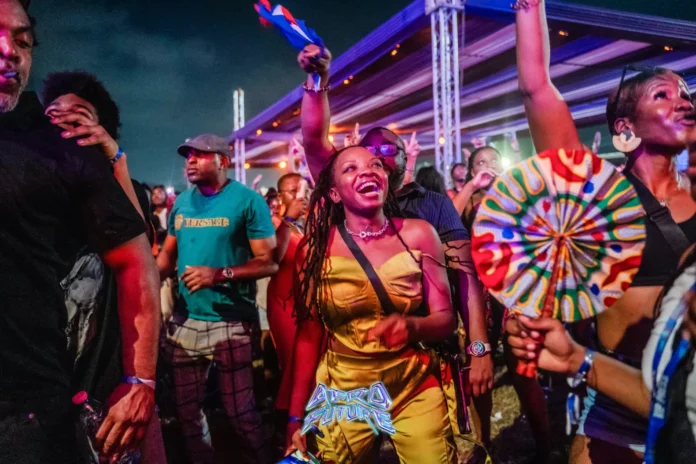
What Are African Traditions?
African traditions are the deeply rooted customs, beliefs and practices that have been passed from one generation to the next across a continent of over 54 countries and more than 3,000 distinct ethnic groups. They are not relics of the past but living expressions of identity that continue to shape how millions of people celebrate, mourn, eat, dance, and connect every single day. To understand African traditions is to understand the soul of an entire continent, its pride, its rhythm and its remarkable resilience. They answer the most fundamental human question: who are we, and where do we come from?
African Cultural Traditions and Their Importance
African cultural traditions provide people with a sense of belonging, purpose, and identity that no modern institution can fully replace. They carry the accumulated wisdom of ancestors, offering guidance on how to live with integrity, treat others with respect and find meaning in both joy and hardship. In a rapidly changing world, these traditions serve as an anchor reminding communities that no matter how much shifts around them, their roots remain strong. They are not optional additions to life but the very framework through which life is understood and celebrated.
Key Elements That Define African Traditions
- Community and collective identity over individual achievement
- Deep respect for elders as carriers of wisdom and history
- Ancestor veneration as a bridge between the living and the departed
- Music, dance, and storytelling as primary languages of culture
- Food and communal meals as acts of hospitality and spiritual connection
- Clothing and adornment as visible declarations of heritage and pride
- Rites of passage that mark every major transition in human life
Traditional African Ceremonies and Rituals
Sacred Practices That Bond Communities Together
Ceremonies and rituals sit at the very core of African traditions, marking life’s most important moments with music, prayer, and collective participation. Whether welcoming a newborn, celebrating a harvest, or honoring the departed, African communities have always understood that transitions deserve to be acknowledged with intention and meaning. From the Zulu Reed Dance of South Africa to the Homowo festival of Ghana’s Ga people, these ceremonies are vibrant expressions of spiritual and cultural identity that have endured for centuries. Rituals are not superstition; they are structured acts of gratitude and reverence that remind participants of something far greater than themselves.
 Famous African Ceremonies Across the Continent

| Ceremony / Ritual | Region / People | Purpose |
| Reed Dance (Umhlanga) | Zulu & Swazi, Southern Africa | Celebrating young women and cultural pride |
| Homowo Festival | Ga People, Ghana | Harvest thanksgiving and ancestor remembrance |
| Dipo Ceremony | Krobo People, Ghana | Coming-of-age initiation for young women |
| Gerewol Festival | Wodaabe, Niger | Male beauty competition and courtship ritual |
| Timkat | Ethiopia | Epiphany celebration rooted in Orthodox tradition |
| Egungun Festival | Yoruba, West Africa | Masquerade festival honoring ancestral spirits |
| Ulwaluko | Xhosa, South Africa | Male initiation and transition to adulthood |
Every Stage of Life Has a Ceremony
Rites of passage are among the most defining features of African traditions, formal ceremonies that mark the transition from one stage of life to another and are witnessed collectively by the community. Birth, puberty, marriage, and death are not private or unremarkable events but community milestones that deserve celebration and ceremony. Among the Xhosa people, the Ulwaluko initiation marks a young man’s passage into adulthood through a period of isolation, reflection, and cultural instruction. These rites are powerful because they remind every individual that their personal growth belongs not just to them; it belongs to the whole village.
African Traditional Music and Instruments
The Drumbeat That Has Echoed for Thousands of Years
Music is the lifeblood of African traditions, present in every ceremony, celebration, moment of grief, and act of worship across the continent. The drum holds an almost sacred status in many African cultures, said to speak a language the entire village understands, capable of conveying messages, calling people to gather, or communicating with the spirit world. African music is not a passive listening experience but an active, participatory one where the line between performer and audience completely dissolves. The call-and-response pattern so central to African musical tradition reflects the continent’s deepest value that no voice stands alone.
Iconic African Traditional Instruments by Region
- Kora — 21-string West African harp-lute, played by griots in Mali, Senegal, and Guinea
- Mbira (Thumb Piano) — Sacred instrument of the Shona people of Zimbabwe, used in spiritual ceremonies
- Djembe Drum — Goblet-shaped drum from West Africa, central to community gatherings and celebrations
- Nyatiti — Eight-string lyre from the Luo people of East Africa, used in songs of love and history
- Balafon — West African xylophone with gourd resonators, one of the oldest African instruments known
- Talking Drum (Dundun) Hourglass-shaped drum used to mimic tonal language and send messages across distances

African Traditional Dance — Culture in Motion
Every Step, Every Rhythm Carries a Story
Dance in African traditions is one of the most powerful cultural languages that exists, not entertainment alone but a sacred form of storytelling, spiritual communication, and community bonding. Each region of Africa has its own distinct dance forms with specific movements, costumes, and meanings tied deeply to local history and values. The Adumu jumping dance of the Maasai celebrates strength and coming-of-age, while the Kpanlogo of Ghana is a joyful, fast-paced expression of youth and communal freedom. African cultural dance is a living tradition that invites people from all backgrounds to experience its depth, energy, and meaning firsthand.
Learn African Dance with Authentic Instructors
For those who want to go beyond watching and truly participate in this living tradition, learning directly from trained cultural teachers is the most meaningful path forward. African dance instructors offer guided, authentic experiences that connect students not just to movement but to the deeper cultural stories and spiritual meanings behind every rhythm. Whether you are a complete beginner or someone with prior dance experience, these instructors make African dance accessible, joyful, and genuinely transformative. Every class is a step deeper into one of the world’s greatest living cultural traditions.
Traditional African Food and Cuisine
Every Dish Tells a Story of Land, People, and Heritage
Food in African traditions is a deeply cultural act that carries within it the history, geography, and values of a community, it is never just about sustenance. Communal eating, where a meal is shared from a single pot or platter, is one of the most widespread and meaningful practices across the continent, reinforcing bonds of trust, generosity, and belonging. From the injera flatbread of Ethiopia to the jollof rice of West Africa to the tagine of North Africa, every dish is a living archive of cultural memory. Exploring multicultural Afro cuisines is one of the most delicious and direct ways to experience the diversity and richness of African traditions.
What Makes African Food Traditions Unique
- Communal eating as a sacred act of sharing, trust, and hospitality
- Ingredients sourced from the land and tied to seasonal agricultural traditions
- Specific dishes prepared exclusively for ceremonies, rituals, and celebrations
- Spices and cooking techniques passed down orally through generations
- Food as a primary expression of welcome, feeding a guest is a cultural obligation of honor
- Regional diversity reflecting Africa’s extraordinary ecological and cultural variety
Traditional African Clothing and Fabric
What You Wear Tells the World Who You Are
In African traditions, clothing is one of the most visible and powerful expressions of cultural identity, communicating heritage, social standing, spiritual beliefs, and community pride without a single word. The Kente cloth of Ghana’s Ashanti people, woven in brilliant gold, green, and red, carries specific symbolic meanings in every pattern and color combination, traditionally reserved for royalty and ceremonies of great importance. Ankara fabric has become a pan-African symbol of cultural pride worn across the continent and diaspora as a bold declaration of identity and belonging. Body adornment through beadwork, scarification, and ceremonial jewelry such as the iconic layered bead of the Maasai deepens this visual language of tradition into something profoundly personal and collective at once.
African Storytelling and Oral Traditions
How Africa Preserved History Without Writing It Down
Long before the written word, African communities preserved their history, laws, and wisdom through the extraordinary art of oral tradition storytelling that required not just memory but skill, performance and deep responsibility to the community. The griot of West Africa is one of the most remarkable cultural figures in human history, a hereditary historian, musician, and oral archivist capable of reciting the names and stories of ancestors going back dozens of generations. These living libraries ensured that knowledge was not locked in books but breathed in the voices and memories of the people themselves.
African Proverbs and Their Deep Wisdom
African proverbs are some of the most concentrated expressions of the continent’s wisdom, short, sharp sayings that carry enormous depth and have guided communities through generations of challenge and celebration. “It takes a village to raise a child” is perhaps the most globally recognized African proverb, perfectly capturing the communal philosophy at the heart of African traditions. Proverbs are used in everyday conversation, dispute resolution, ceremonies, and the education of children. They are the compressed wisdom of ancestors offered as a compass for navigating human life. A person who speaks in proverbs is regarded in many African cultures as truly wise someone who has not forgotten where they come from.
Ubuntu Philosophy — The Heart of African Community Life
Ubuntu is perhaps the most profound philosophical concept to emerge from African traditions, a Bantu-language worldview that expresses the belief that human identity and well-being are fundamentally communal and inseparable. It shapes how communities make decisions, resolve conflicts, care for the vulnerable, and celebrate together, making it not just a philosophy but a way of organizing all of life. In a world increasingly defined by isolation and individualism, Ubuntu offers a radically different and deeply humane vision of what it means to be human. It is Africa’s gift to global thought, and it remains as relevant and necessary today as it has ever been.

Traditional African Marriage Customs
More Than a Union — A Bond Between Two Families
Marriage in African traditions is a sacred alliance between two families celebrated with elaborate ceremonies that can span multiple days and involve entire communities in the joy of the occasion. Lobola, practiced widely across southern Africa, involves the groom’s family offering cattle or valued goods to the bride’s family as a formal gesture of deep respect and gratitude. Far from being a transaction, Lobola is a dignified exchange that honors the bride and creates a lasting bond of obligation and kinship between two families. Similar traditions of formalized family negotiation and ceremonial exchange exist across East, West, and North Africa, each with its own unique cultural character and deep meaning.
African Spiritual Beliefs and Ancestor Veneration
Across the extraordinary diversity of African spiritual traditions, one powerful thread runs through many of them, the belief that ancestors remain an active and meaningful presence in the lives of the living. Ancestor veneration is one of the oldest and most widespread spiritual practices in human history, and it remains deeply alive across the continent today, with offerings, prayers, and rituals performed to maintain connection with those who have passed. In this worldview, the departed are never truly gone, they watch, guide, and protect those who remember them with honor.
African Art, Craft, and Traditional Symbols
African art is among the most diverse and symbolically rich creative traditions in the entire history of human expression, encompassing sculpture, weaving, pottery, mask-making, beadwork, and painting across thousands of distinct cultural styles. What sets traditional African art apart is that virtually every object and pattern carries specific cultural meaning, a mask is not decoration but a vessel for spiritual power; a woven design is not ornament but a coded message about identity and ancestry. The Adinkra symbols of Ghana’s Ashanti people are one of the most sophisticated examples of this visual language, with each symbol representing a specific concept, proverb, or value.
African Traditions in the Modern World
Far from fading in the face of globalization, African traditions are demonstrating extraordinary resilience, finding bold new expressions in music, fashion, film, and digital culture while remaining rooted in their ancient essence. African musicians are blending traditional rhythms with contemporary genres to create globally celebrated sounds; designers are bringing the boldness of traditional textiles to international fashion runways; filmmakers are carrying oral traditions to streaming screens worldwide. This creative renaissance is not a dilution of African traditions but a living evolution, proof that these traditions are powerful enough to grow, flexible enough to adapt, and compelling enough to captivate the entire world. The love for Africa and its heritage is spreading faster and wider than ever before.
How to Learn and Experience African Traditions Today
Experiencing African traditions has never been more accessible, there are rich opportunities to learn, participate, and immerse yourself in this extraordinary cultural heritage no matter where you are in the world. The Afro School of Culture offers one of the most inspiring and authentic pathways into African traditions, providing structured, meaningful engagement across music, dance, food, and cultural education. Whether you begin with dance, food, art, or storytelling, every entry point leads deeper into a heritage of extraordinary depth and beauty. By choosing to learn and celebrate African traditions, you are participating in the preservation of something genuinely precious for this generation and all those that follow.
Frequently Asked Questions
What are the most important African traditions practiced today?
The most widely practiced African traditions include rites of passage ceremonies, ancestor veneration, communal storytelling, traditional music and dance, and customary marriage practices such as Lobola. These vary across regions but share a common emphasis on community, respect for elders, and cultural identity.
Why is African traditional dance so important to African culture?
African traditional dance is not purely for entertainment, it is a form of prayer, storytelling, spiritual communication, and community bonding. Each dance style carries specific meanings tied to the community that created it, making it one of the richest archives of African cultural memory.
What is Ubuntu philosophy?
Ubuntu is an African philosophical concept meaning “I am because we are.” It expresses the belief that human identity and well-being are fundamentally communal, no person exists in isolation, and the flourishing of everyone is inseparable from the flourishing of the community.
How are African food traditions connected to culture?
In African traditions, food is a cultural act that expresses hospitality, community, and spiritual connection. Communal eating reinforces bonds of trust and belonging, and many traditional dishes are tied to specific ceremonies, seasons, and cultural occasions making them living expressions of heritage.
How can I learn more about African traditions?
You can start by taking African dance classes with qualified instructors, exploring African cuisines, attending cultural festivals, or joining cultural education programs like the Afro School of Culture. These are all authentic, joyful, and deeply enriching ways to connect with African heritage.

