In a dramatic shift that could reshape one of Africa’s most delicate peace processes, a new African country is expected to step in to mediate the peace talks between Rwanda and the Democratic Republic of Congo. This follows Angola’s unexpected decision to withdraw from its role as chief mediator.
Angola, which has played a central role in facilitating dialogue since early 2023, confirmed its withdrawal over the weekend. The Luanda government cited mounting frustrations with both parties’ unwillingness to fully commit to the negotiation process as the reason for its exit.
Eastern Congo has been gripped by renewed violence in recent months. The M23 rebel group, widely believed to receive support from Rwanda, has intensified its campaign, seizing control of several key areas—including territories rich in valuable minerals. The escalation has displaced tens of thousands of civilians and triggered widespread reports of human rights violations.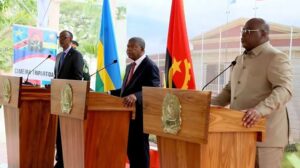
For more than a year, Angola had taken the lead in the African Union-backed effort to cool tensions between Kinshasa and Kigali. President João Lourenço personally spearheaded the mediation, pushing for direct engagement between the Congolese government and the M23 rebels. But despite months of diplomatic effort, progress remained elusive.
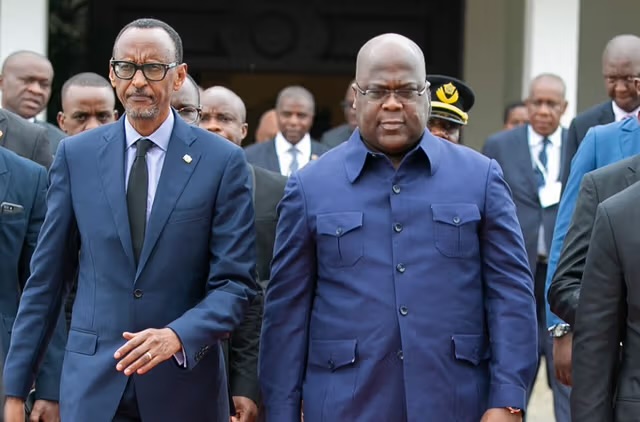
A turning point appears to have been a surprise meeting recently brokered in Qatar between Rwandan President Paul Kagame and his Congolese counterpart, Félix Tshisekedi. The Angolan government reportedly viewed the talks—which bypassed its mediation efforts—as a breach of trust. Luanda responded with a public reaffirmation of its preference for “African solutions to African problems,” expressing disappointment that external actors were intervening without regional consensus.
Also, read: Malawi Enforces Import Ban On Goods That Could Be Produced Locally to Boost Local Industry and Protect Jobs
Compounding the breakdown, an earlier attempt to host negotiations in Angola was derailed after the M23 pulled out, citing objections over sanctions imposed by the European Union. That setback further strained the fragile mediation process.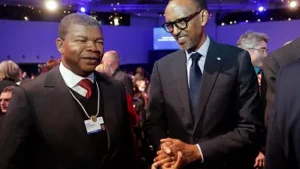
Despite the setback, there is cautious optimism. The African Union has moved quickly to assure stakeholders that a new African country will soon be named to take over mediation duties. While the name of the next mediator has not yet been disclosed, there is hope that a fresh approach could breathe new life into peace efforts.
Observers say that although Angola’s departure could lead to delays, it might also reset expectations and provide an opening for a different diplomatic strategy. “What’s most important now is maintaining momentum,” said a regional analyst. “This is not the time for a vacuum. A new mediator could help recalibrate the talks and potentially move them forward.”
As the humanitarian crisis deepens and rebel forces gain ground, the urgency for meaningful dialogue remains high. The coming days will be crucial in determining whether a new mediation initiative can succeed where past efforts have stalled.

