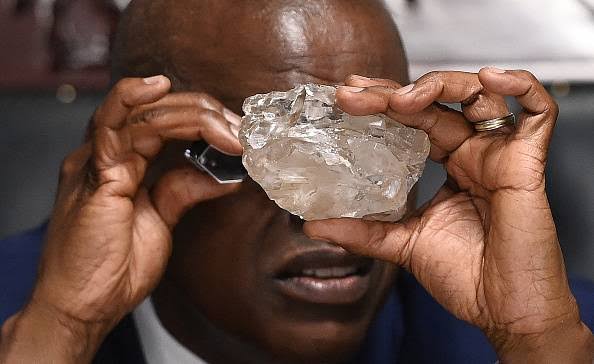
In a remarkable example of natural resources being used for national good, Botswana has turned its diamond wealth into a powerful engine for social development—most notably, by providing free education to every child in the country.
Once one of the poorest nations in the world at the time of its independence in 1966, Botswana has steadily transformed itself into a model of stability and sustainable development. Central to that transformation is the country’s diamond industry, which now funds a significant portion of Botswana’s education system.
Today, over 80 percent of diamond-related revenues are reinvested directly into the national economy under agreements between the government and diamond companies. A standout example is Debswana, a 50/50 joint venture between the Botswana government and global diamond company De Beers. Debswana not only operates the country’s largest diamond mines but also plays a leading role in building and maintaining educational infrastructure across Botswana.
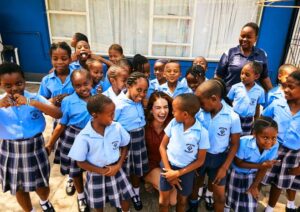
Botswana’s government guarantees free primary and secondary education to every child, a policy heavily subsidized by the diamond sector. Children of mine employees receive additional support, with tuition and educational resources provided at little to no cost. Debswana’s schools also offer access to special education units, music programs, computer training, and extracurricular activities ranging from swimming to chess.
In addition to core academic subjects—English, Setswana, mathematics, science, social studies, and agriculture—students are encouraged to engage with cultural studies and global disciplines, maintaining a curriculum that balances tradition with international standards.
“Our motto is ‘Deeds not words,’ and we live by it,” said Mompe. “This isn’t just about teaching facts. It’s about preparing children to thrive as full members of society.”
Also, read: Abigail Chams Makes History as Only Female East African Nominee at 2025 BET Awards
The impact of Botswana’s diamond-funded education model is attracting global attention. British actress and Natural Diamond Council Ambassador Lily James recently toured Debswana schools, including Livingstone House, during a visit to Botswana. “It’s inspiring to see how this country is using its resources so wisely,” she said. “You can feel the difference it’s making in these children’s lives.”
Botswana’s diamond industry currently accounts for 40 percent of the country’s GDP and 90 percent of its exports. But for many citizens, the most precious outcome isn’t economic—it’s educational. The schools supported by diamond revenues symbolize a long-term national investment: not just in stones, but in skills.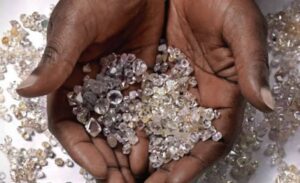
By turning its natural wealth into a foundation for free and inclusive education, Botswana is not only redefining how developing nations can manage resources, but also ensuring that its brightest gems are the children sitting in its classrooms.

