
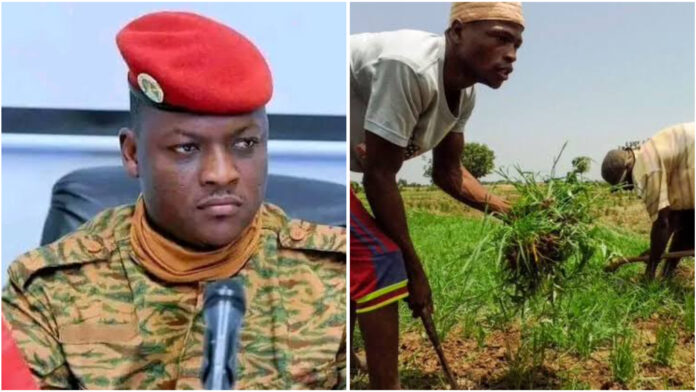
In a bold move aimed at reshaping its justice system, Burkina Faso has launched a prison reform initiative that offers inmates and those awaiting trial an opportunity to shorten their sentences through agricultural labor. Under this new policy, every month an inmate spends working in agriculture will result in a three-month reduction in their sentence.
This initiative represents a significant shift from traditional punitive measures to a model that prioritizes rehabilitation and reintegration. By engaging inmates in structured agricultural work, the program not only instills valuable farming skills but also provides them with a sense of purpose. These skills could prove crucial once they reenter society, increasing their chances of securing employment and reducing recidivism rates.
Also, read: Spanish City Honors and Adopts Senegalese Migrants for Heroic Intervention in Homophobic Attack
Beyond individual rehabilitation, this policy also aligns with Burkina Faso’s indigenous values, which emphasize communal contributions over strict punishment. By working the land, inmates are given a chance to give back to society in a meaningful way.
The impact of this reform extends beyond prison walls. Burkina Faso, like many nations, faces challenges in food security and agricultural productivity.
By channeling inmate labor into farming, the country is not only equipping individuals with life skills but also strengthening its domestic food supply. This initiative taps into an available labor force that can contribute to national agricultural efforts, helping the country move closer to self-sufficiency.
Burkina Faso’s approach to prison reform is both innovative and pragmatic, balancing justice with economic and social benefits. While the long-term effects remain to be seen, this policy could inspire other nations to explore alternative rehabilitation models that serve both the incarcerated population and the broader economy.

