
What Are Customs and Traditions in Africa?
The Foundation of African Identity and Community Life
Customs and traditions in Africa are the living codes of behavior, belief, and celebration that have shaped communities for thousands of years. They define how people greet, eat, marry, mourn, and pass wisdom from generation to generation across over 3,000 distinct ethnic groups. Understanding these customs is an invitation to experience one of the richest and most diverse cultural landscapes on earth.
The Role of Elders in African Customs
In virtually every African society, elders are the living bridges between past and present custodians of oral history, cultural law and spiritual knowledge. Major decisions, ceremonies, and rites of passage are never conducted without their guidance and blessing. To disrespect an elder in African custom is a violation of one of the continent’s most sacred and universal values.
How You Greet Someone Tells Everything About Your Culture
Greetings in African customs are meaningful acts of respect failing to greet someone properly, especially an elder, is considered a serious social violation. Many cultures involve bowing, kneeling, or using both hands in a handshake to show warmth and deference. Asking about someone’s family during a greeting is a way of honoring their entire world, not just the person standing before you.
Birth and Naming Customs in Africa
Welcoming a New Soul into the Community
The birth of a child in African customs is a community celebration, not a private family event. Naming ceremonies are held days after birth with prayers, offerings, and communal gatherings in Yoruba tradition, the Isomoloruko ceremony places symbolic items on the child’s tongue to wish them a long and prosperous life. Every name given carry meaning, history, and often the spirit of an ancestor within it.
African Customs Around Food and Eating
- Eating with the right hand is customary, the left hand is considered unclean in several traditions
- Communal eating from a shared bowl symbolizes unity, trust, and equality
- Guests are always served first and given the best portion as an act of sacred hospitality
- Refusing food offered by a host can be considered deeply offensive in many African cultures
- Elders are served before younger family members as a mark of respect
- Specific foods are reserved exclusively for ceremonies, rites of passage, and spiritual occasions
- Cooking together is itself a cultural ritual that strengthens bonds between families
Hospitality Customs in African Culture
A Stranger Is Never Truly a Stranger in Africa
Hospitality is one of the most deeply held customs across Africa, welcoming and feeding a guest is a moral and spiritual duty, not a social nicety. Turning away a stranger is seen as shameful, dishonoring not just the individual but the entire family and community. The Zulu concept of ubuntu and the Hausa concept of masunci both reflect how deeply generosity is woven into African social ethics.
Coming-of-Age Customs and Initiation Traditions
The Rituals That Turn Boys and Girls into Adults
Coming-of-age initiation is among the most significant customs in Africa, marking the formal transition from childhood into adulthood through isolation, physical challenge, and spiritual ceremony. The Xhosa Ulwaluko involves circumcision and weeks apart from the community before a joyful return as a recognized adult. Ghana’s Dipo ceremony provides young women with structured cultural education, beadwork, and community celebration of their transition into womanhood.
Coming-of-Age Traditions Across Africa
| Tradition | People / Region | For | Key Element |
| Ulwaluko | Xhosa, South Africa | Young Men | Isolation, circumcision, manhood instruction |
| Dipo Ceremony | Krobo, Ghana | Young Women | Cultural education, beading, community celebration |
| Hamar Bull Jumping | Hamar, Ethiopia | Young Men | Running across cattle backs to prove readiness |
| Ntanira na Mugambo | Meru, Kenya | Young Women | Alternative initiation through words and ceremony |
| Shembe Initiation | Zulu, South Africa | Youth | Spiritual cleansing and community blessing |
| Sande Society | Mende, Sierra Leone | Young Women | Weeks of cultural instruction and preparation for womanhood |
Marriage Customs and Wedding Traditions in Africa
Two Families, One Bond — The African Way of Marriage
Marriage in African customs is a communal event, a formal union between two families celebrated over multiple days with ceremony, music, and feasting. Lobola, practiced across southern and eastern Africa, involves the groom’s family offering cattle or valued goods to the bride’s family as a dignified gesture of respect, not a transaction. From elaborate Yoruba wedding ceremonies in Nigeria to joyful East African communal feasts, every region brings its own unique beauty to this universal celebration.

Funeral Customs and Death Traditions in Africa
Honoring the Departed with Dignity and Ceremony
Death in African customs is not an ending but a transition into the world of ancestors who continue to watch over the living. Funeral customs bring entire communities together in shared grief and celebration of a life fully lived. In Ghana, the tradition of fantasy coffins shaped like objects from the deceased’s life is one of the world’s most extraordinary expressions of how African culture honors the departed.
African Customs Around Dress and Appearance
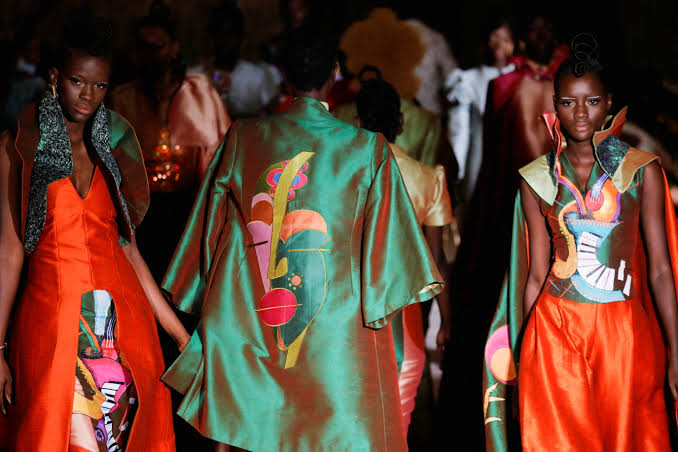
Clothing in African customs is a powerful statement of identity and cultural pride every fabric and adornment carries meaning far beyond fashion. Ghana’s Kente cloth communicates specific social and ceremonial messages through its patterns and colors, while the Maasai’s beaded jewelry uses color to represent values like courage, purity, and strength. What a person wears in African culture speaks before a single word is exchanged.
Traditional African Body Art and Adornment Customs
- Scarification — permanent skin markings used to represent tribal identity, bravery, and spiritual protection
- Henna art, widely practiced in North and East Africa, is applied at weddings and celebrations as a symbol of blessing and beauty
- Maasai ear stretching is a traditional practice that signals age, social status, and cultural belonging
- Body painting using natural pigments like ochre is used in ceremonies, initiations, and spiritual rituals across multiple cultures
- Lip plates worn by the Mursi women of Ethiopia are a powerful symbol of beauty, identity, and cultural pride
- Hair braiding patterns across West Africa carry specific cultural messages about age, marital status, and community belonging
The Cultural Meaning Behind African Adornment
In African customs, adorning the body is never a purely aesthetic act, it is a deeply intentional statement of who you are, where you come from, and what you believe. Every marking, braid and pigment carries a specific cultural code that members of the community can read and understand immediately. These adornment customs connect individuals to their ancestors, their spiritual beliefs, and their place within the social fabric of their community.
Religious and Spiritual Customs in Africa
African spiritual customs span indigenous religions, Islam, Christianity, and rich blends of all three with ancestors and nature spirits honored as active participants in everyday life. Even communities that practice Islam or Christianity often continue traditional customs alongside their faith. This reflects Africa’s deep and long-standing tradition of finding harmony between different ways of understanding the sacred.
African Harvest and Agricultural Traditions
- Harvest festivals are among the oldest and most universally celebrated customs across African agricultural communities
- Ghana’s Homowo festival means “hooting at hunger” a communal triumph over scarcity celebrated with feasting
- First-fruits ceremonies require the community to offer the first harvest to ancestors before anyone eats
- Communal farming, entire villages working together embodies the spirit of Ubuntu in daily life
- Rain-making rituals reflect the deep spiritual relationship between African communities and the land
- The Zulu and Swazi Reed Dance is partly a ceremony of thanksgiving tied to the land and its fertility
Music and Dance as Cultural Customs in Africa
Rhythm as a Way of Life, Not Just Entertainment
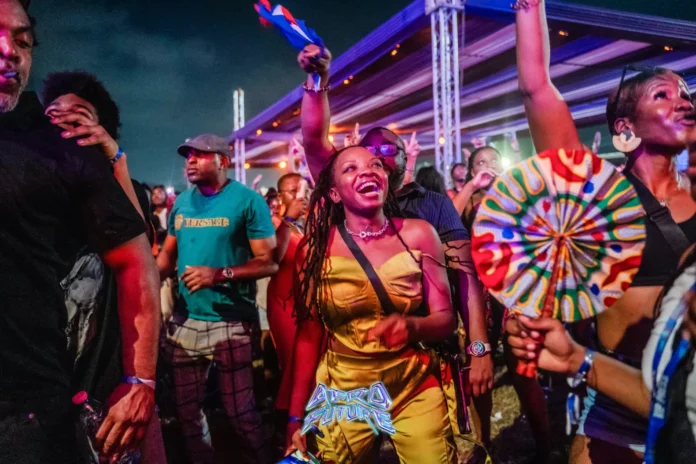
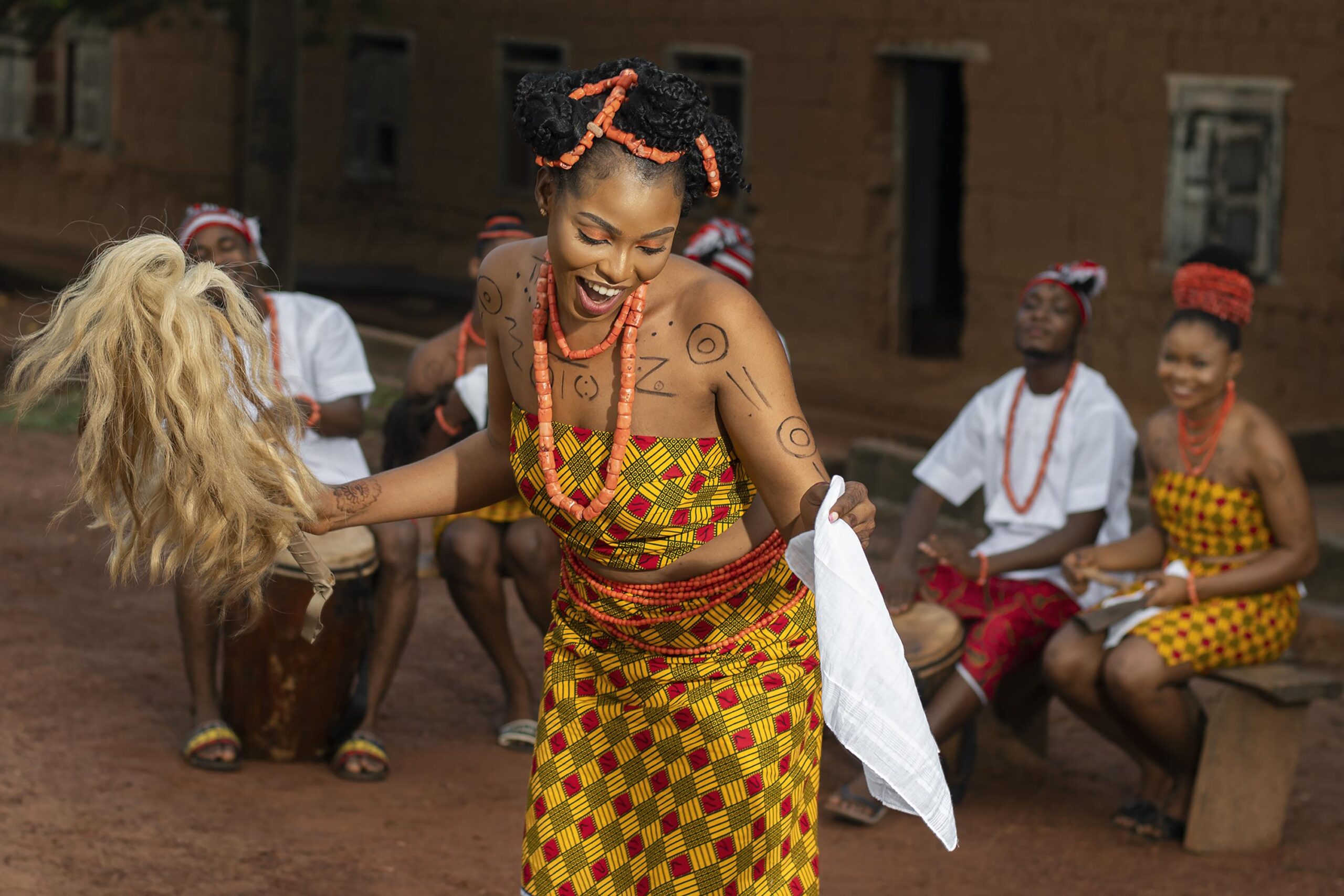
Music and dance are fundamental customs through which African communities pray, celebrate, grieve, and communicate present at every major life event. African cultural dance carries specific stories and spiritual roles that have been refined over hundreds of years. Trained African dance instructors offer an authentic and joyful path into this living cultural tradition for anyone who wants to experience it firsthand.
Storytelling and Oral Customs Across Africa
Oral tradition is one of Africa’s most important cultural customs history, law, and wisdom preserved entirely through the living voices of trained storytellers. The griot tradition of West Africa represents the peak of these custom hereditary historians who carry their community’s complete history through song and spoken words. These customs ensured that thousands of years of wisdom passed unbroken from generation to generation without a single written word.
Customs of Respect and Social Etiquette in Africa
African social customs define how people interact across generations younger people show deference to elders in speech, posture, and behavior, never eating before elders are served. Eye contact customs also vary by culture, with some seeing it as a sign of respect and others viewing it as confrontational. Every social interaction in African culture is an opportunity to affirm the shared values of respect and community that hold the social fabric together.
How African Customs Are Changing in the Modern World
Urbanization, technology, and globalization have created real pressure on African customs, especially among younger city-raised generations. Yet a powerful movement across the continent and diaspora is reclaiming these traditions through festivals, cultural schools, and digital communities. The love for Africa and its extraordinary heritage is stronger and more globally connected than ever before.
Why Learning African Customs and Traditions Matters Today
Learning about customs and traditions in Africa is an act of respect that carries thousands of years of wisdom about community, belonging, and the beauty of human life. The Afro School of Culture offers accessible, authentic pathways into African dance, music, and cuisine. Whether reconnecting with your roots or simply drawn to Africa’s richness, these traditions have something profound and lasting to offer you.
Frequently Asked Questions
What are the most common customs and traditions in Africa?
The most common include respect for elders, greeting rituals, communal eating, rites of passage, bride wealth practices like Lobola, and the use of music and dance in all major life events.
What is the role of elders in African customs?
Elders are custodians of oral history and cultural law who guide ceremonies, resolve disputes, and hold deep moral authority across virtually all African cultures.
What is Lobola and why is it important?
Lobola is a marriage custom where the groom’s family offers cattle or goods to the bride’s family as a dignified gesture of respect that creates lasting bonds between two families.
How is hospitality expressed in African customs?
Hospitality is a sacred obligation, welcoming and feeding a guest is a moral duty, and turning away a stranger is considered deeply shameful across most African cultures.
How can I experience African customs today?
You can start through dance classes, cultural festivals, cuisine experiences, or programs like the Afro School of Culture for an authentic and structured cultural experience.

