
As Africa faces rising temperatures, erratic water supply, and growing energy costs, households are realizing the urgent need to make eco-friendly changes. For I Love Africa readers, here are updated, practical tips to make your home greener in 2025.
We’ll cover energy solutions, water conservation, renewable upgrades, sustainable materials, and lifestyle habits that respect both the planet and your pocket.
1. Energy Solutions: Go Solar & Smart
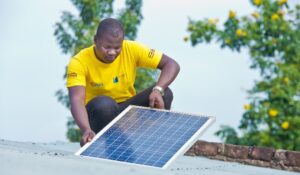
Many African homes still depend heavily on unreliable grids or diesel generators. Solar energy is becoming more affordable and effective. In 2025, solar mini-grids are transforming rural areas in Nigeria and Kenya, providing access to clean power and replacing kerosene lamps.
- Install rooftop solar panels and battery storage where feasible. Even small systems that power lighting, fans, and refrigeration can reduce your energy bills by large margins.
- Use smart power strips and efficient LED lighting to reduce waste when devices are idle.
- Choose appliances with high efficiency ratings. Though imports are increasing, many countries are reducing tariffs on solar panels and efficient equipment to encourage adoption.
2. Water Conservation: Every Drop Counts
Water scarcity is a real issue across many parts of Africa. Simple changes in households can make a big difference. South African government guidance offers practical steps you can take right away to prevent waste.
- Fix leaks in taps, pipes, and toilets promptly. A continuous drip may seem small but can waste thousands of liters over months.
- Use low-flow showerheads or install dual-flush toilets. These use much less water per use.
- Harvest rainwater for non-drinking uses like watering gardens or flushing toilets. Even a modest rain barrel helps.
- Reuse greywater safely for outdoor washing or landscaping.
3. Renewable Upgrades: Sustainable Tech & Off-Grid Systems
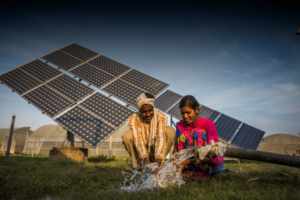
Off-grid and decentralized renewables continue to expand in Africa, bringing opportunity for households to leapfrog old systems.
- Consider solar home systems if grid power is unstable or unavailable. These systems often include panels, batteries, and efficient appliances.
- Use smart meters or energy monitors to see when your highest power usage is. Shift heavy loads (laundry, ironing) to sunny hours if you have solar.
- Explore incentives, subsidies, or financing options for renewable installations. Governments and NGOs are increasingly supporting these.
Also, read: South Africa Proposes Renaming Famous Kruger National Park from Colonial Name to a More Local Identity
4. Sustainable Materials & Design for Climate Adaptation
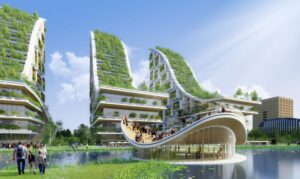
Another way to reduce environmental impact is through home construction and materials suited to Africa’s climate.
- Use locally available sustainable materials like mud bricks, compressed earth blocks, or properly treated wood. These materials often reduce cooling costs and environmental impact. Example: modern mud-brick homes in parts of Nigeria remain cool without reliance on heavy air conditioning.
- Insulated roofs, good ventilation, reflective roofing materials, lighter colours inside – all help reduce indoor heat.
- Low-VOC paints, non-toxic finishes, and natural flooring (bamboo, sustainably harvested wood) help improve indoor air quality.
5. Lifestyle Habits: Green Choices That Add Up

Small daily behaviors are just as important as big investments. Here are habits that lean green without huge cost:
- Only run full loads in washing machines or dishwashers.
- Shorten showers by even a minute or two. You’ll save water and energy.
- Let sinks or tubs catch water while waiting for hot water and use that water for plants or cleaning.
- Use a bucket instead of hose for outdoor cleaning when possible. Mulch garden beds to retain moisture.
Why These Tips Matter for Africa & For You
- Climate resilience: Reducing reliance on expensive fuels or unreliable water makes households less vulnerable to climate shocks.
- Economic savings: Many solutions pay for themselves, especially solar installations or energy/water efficient appliances.
- Health improvements: Better ventilation, cleaner materials, and safer water reduce risks of illness.

