
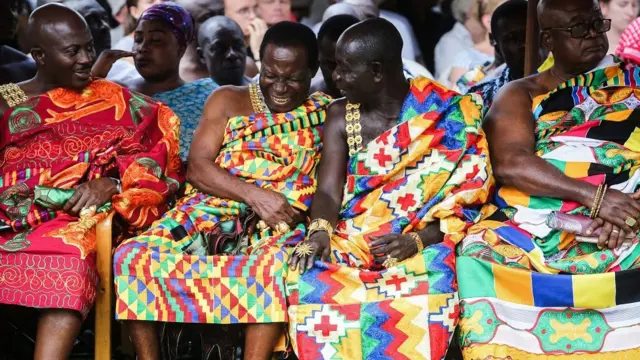
Ghana is taking a bold step toward cultural preservation by introducing stronger intellectual property protections for Kente, its centuries-old handwoven fabric. The move is set to grant Kente Geographical Indication (GI) status—placing it among globally protected cultural products like Champagne and Darjeeling tea.
This unprecedented effort has sparked debate across the global fashion world, where African motifs have long inspired luxury houses and high-street brands, often without acknowledgment or compensation. But with Ghana’s new claim, that era might be ending.
A Heritage Woven Into Law

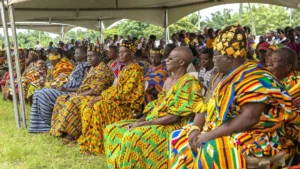
For centuries, Kente has been far more than a fashion statement. Its bold geometric patterns and symbolic colours represent identity, pride, and status. Worn during royal ceremonies, graduations, and national celebrations, it embodies dignity and cultural continuity.
In December 2024, UNESCO added Kente to its Representative List of Intangible Cultural Heritage of Humanity, recognizing its historic and artistic importance. Ghana’s latest move goes even further—ensuring that any commercial use of Kente abroad must now acknowledge its origin and potentially pay royalties to local weavers.
If successful, Kente will become Africa’s first textile with broad international protection under WIPO (World Intellectual Property Organization) and WTO (World Trade Organization) frameworks. It’s a landmark step toward decolonising design, and according to Ghana’s Ministry of Tourism, it positions the country at the forefront of global cultural justice.
Also, read: How to Support Underprivileged Kids in Africa: Meaningful Ways to Make a Difference
The Fashion Industry’s Reckoning
From Ankara to Maasai beadwork, African aesthetics have shaped the global fashion narrative for decades. Yet, the creators behind these designs rarely benefit. Ghana’s initiative directly challenges that imbalance, forcing the fashion industry to reconsider its sourcing ethics.
Experts predict ripple effects in Paris, Milan, and New York, where “African-inspired” collections dominate runways. With this legal backing, brands might soon need to negotiate usage rights or develop co-branding agreements with Ghanaian cooperatives and artisans.
This mirrors how French Champagne or Italian Parmesan enjoy protected geographical indications. The shift could transform the way global labels approach African textiles—no longer as “inspiration,” but as intellectual property with rightful ownership.
Cultural Ownership vs. Creative Freedom
The move, however, has sparked mixed reactions. Some designers worry that these protections might restrict cross-cultural collaboration or stifle creativity. Others question the enforceability of such laws across borders, given how designs evolve organically in fashion.
Still, for many African creators, this is an overdue correction. It’s not about closing borders—it’s about credit and compensation. As Ghana leads this charge, other nations are watching closely. Nigeria has long discussed protections for Aso-Oke and Adire fabrics, while Kenya and Tanzania continue to explore legal safeguards for Maasai intellectual property.
If successful, Ghana’s example could inspire a continent-wide framework ensuring that when African patterns appear in global collections, the communities behind them are not left behind.
The Road Ahead
The challenge now lies in implementation and global acceptance. International fashion houses must decide whether to collaborate or contest, while African governments must build systems that protect creators and enforce rights consistently.
For Ghana, however, the message is clear: Kente is not just a fabric—it’s a national treasure. And as the world’s fashion capitals take note, this could mark a historic turning point in redefining respect for cultural heritage.

