
In a move that has sent shockwaves through diplomatic circles, Ghana’s government has temporarily closed its embassy in Washington, D.C., following the exposure of a wide-reaching corruption scheme involving fraudulent visa processing and unauthorised payments.
The announcement came Monday from Ghana’s Foreign Affairs Minister, Samuel Okudzeto Ablakwa, who described the decision as a difficult but necessary step to protect the integrity of Ghana’s foreign service.
“This isn’t just about administrative failure. It’s about betrayal—of trust, of public resources, and of the name Ghana carries abroad,” Ablakwa said during a press briefing in Accra. “We are choosing accountability over comfort.”
The scandal came to light following a special audit ordered by the ministry, which uncovered a five-year-long scheme involving visa applicants being rerouted to an unofficial platform operated by Fred Kwarteng, an IT officer hired locally by the embassy in 2017.
Kwarteng allegedly built a hidden link on the official embassy website, redirecting applicants to a private company he operated—Ghana Travel Consultants (GTC). There, they were charged fees between $29.75 and $60—charges that had no legal backing and were never remitted to the Ghanaian government.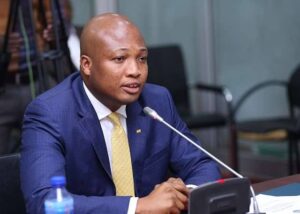
“These were not just technical oversights,” Ablakwa stated. “This was a calculated act to profit off the diaspora and those engaging with Ghana.”
Also, read: Kwame Onwuachi to Open a Caribbean Steakhouse on the Las Vegas Strip — A Bold First for a Black Chef
Investigators have confirmed that the payments went directly into Kwarteng’s personal bank account. The case has since been handed over to Ghana’s Attorney-General for criminal prosecution and recovery of stolen funds.
Following the revelations, the Foreign Ministry ordered a complete recall of all personnel posted to the D.C. mission. The embassy’s IT department has been scrapped, and all locally hired staff have been suspended until the conclusion of ongoing investigations.
Minister Ablakwa further revealed that a full forensic audit, led by the Auditor-General, is now underway to quantify the exact financial losses and identify any possible accomplices.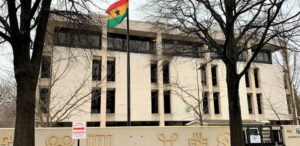
While the embassy’s closure has disrupted consular services for Ghanaians and foreigners alike, Ablakwa says the decision was not taken lightly. “We understand the inconvenience. But the price of doing nothing is far higher,” he said. “We owe it to our citizens at home and abroad to restore discipline and transparency.”
No specific timeline has been given for when the embassy will reopen, though the ministry says it will not resume operations until a complete overhaul is complete and new safeguards are in place.
Though the scandal centers on a single mission, the message from Accra is broader. “We’re using this moment to audit ourselves,” Ablakwa concluded. “Every diplomatic office representing Ghana is under the same spotlight now. This is the beginning of a wider cleanup.”
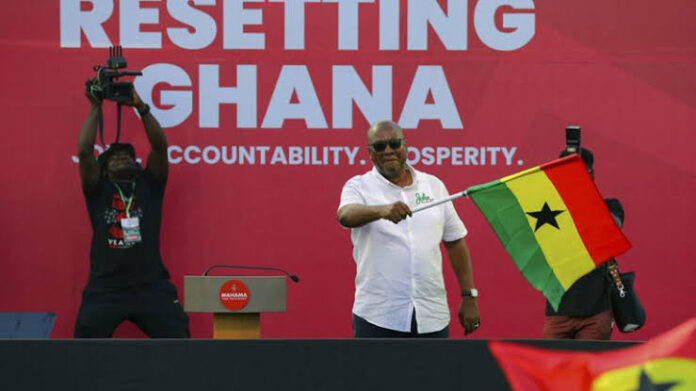
President John Mahama has thrown his support behind the initiative, reinforcing his administration’s vow to pursue zero tolerance for corruption—regardless of how far from home it may occur.

