

In a rare and encouraging turn for the Ghanaian economy, the country’s currency, the cedi, has taken global financial markets by surprise—earning the title of the world’s best-performing currency this month, according to Bloomberg.
Since the beginning of April, the cedi has appreciated nearly 16% against the US dollar, a rally that is doing more than just impressing analysts. For everyday Ghanaians, the stronger currency has offered a welcome break from rising prices, while economists see it as a sign of long-awaited economic recovery.
As of this week, the cedi is trading at GH₵13.4 to the dollar, a marked improvement that has contributed to the country’s lowest inflation rate in eight months. According to Government Statistician Alhassan Iddrisu, Ghana’s consumer inflation rate fell to 21.2% in April, down from 22.4% in March. Monthly price increases have also slowed, now sitting at just 0.8%, largely due to reduced import costs made possible by the cedi’s unexpected strength.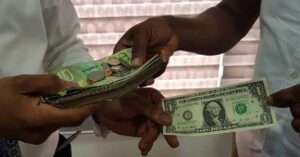
“The rally in the cedi reduced the cost of imports,” Iddrisu noted at a press conference in Accra, pointing to declines in both non-food inflation (now at 17.9%) and food inflation, which has eased from 26.5% to 25%.
Bloomberg’s currency data confirms what many in the local market have been sensing—that Ghana’s cedi has outpaced every global currency in April, bolstering consumer confidence and easing inflationary pressure at the same time.
But while the currency’s performance offers reasons to celebrate, Ghana’s central bank is unlikely to rush into slashing interest rates. Dr. Agyapomaa Gyeke-Dako, a senior economist at the University of Ghana Business School, explained that although the cedi’s strength is helping tame inflation, there are still risks—particularly from rising utility costs.
“The Bank of Ghana tightened rates at its last meeting to absorb excess liquidity,” she said. “So it’s unlikely they will ease up just yet.”
Also, read: Africa’s Richest Man, Dangote Brings $162 Million Sugar Refinery to Ghana
Indeed, the central bank surprised many in March with a 100 basis-point hike, raising the policy rate to 28% to keep inflation in check. Governor Johnson Asiama hinted that any adjustments to monetary policy would depend on future inflation readings.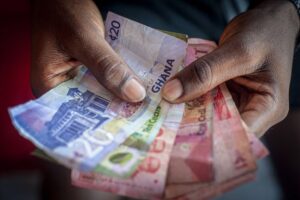
“If the disinflation trend continues, the committee will assess whether there’s room for a gradual easing,” he said, suggesting a cautious but hopeful outlook heading into the second half of 2025.
The International Monetary Fund (IMF), which has partnered with Ghana through a financial support programme, has also expressed renewed optimism. Stéphane Roudet, IMF Mission Chief to Ghana, told reporters in Washington that the currency’s rebound is a positive sign. “It gives us confidence that inflation is likely to continue falling in the coming months,” he said.
Ghana’s inflation rate has stayed above the central bank’s 6–10% target since 2021, after a debt crisis triggered sharp depreciation in the cedi and made imports far more expensive. But with forecasts pointing toward 16% inflation by the end of this year, there’s growing hope that the country is beginning to turn a critical corner.
For many Ghanaians, the cedi’s resurgence feels more than technical—it feels personal. It’s a sign that things are changing, that the tide might finally be turning, and that—just maybe—the country is finding its financial footing again.

