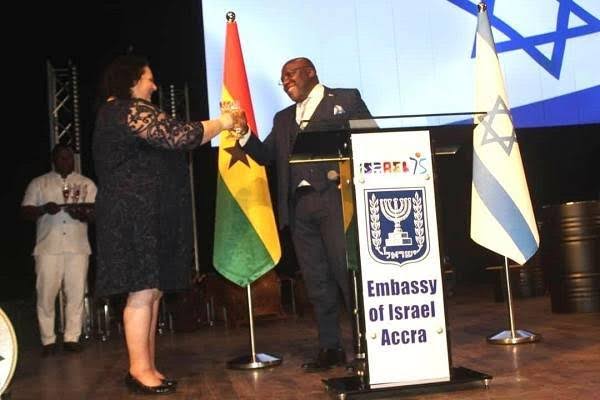
Israel’s Ambassador to Ghana, Roey Gilad, has openly expressed disappointment with Ghana’s recent abstention during a critical vote in Vienna on Iran’s compliance with nuclear regulations. The vote, held at the International Atomic Energy Agency (IAEA) board meeting, was seen as a litmus test of where global powers and allies stood on the increasingly volatile issue of Iran’s nuclear ambitions.
Out of the 35 nations represented at the IAEA board, 19—including the United States, United Kingdom, France, and Germany—voted in favor of the resolution declaring Iran non-compliant with IAEA standards. Three nations; Russia, China, and Burkina Faso, opposed the motion. Eleven, including Ghana, abstained, and two did not vote.
Ambassador Gilad, who also represents Israeli interests in Sierra Leone and Liberia, said while he respects Ghana’s sovereign right to chart its own diplomatic path, the abstention was a letdown, especially in light of the warm relations Israel has shared with Ghana over the years.
“We hoped Ghana would stand with us on this pressing matter,” Gilad said. “We understand the influences of organizations like the African Union and the Non-Aligned Movement, but we encourage Ghana to reflect independently on where it stands in a rapidly changing global landscape.”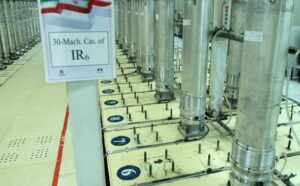
The ambassador pointed out that Israel had made efforts to lobby Ghana for support prior to the vote, highlighting their cooperative history in sectors like agriculture and trade. “We know many Ghanaians proudly fly the Israeli flag on their fishing canoes. That solidarity is not lost on us,” he said.
However, Gilad’s message came with a clear undertone: Iran’s nuclear posture is not just an Israeli concern but a global security issue. Israel views Iran’s accumulation of uranium enriched to 60% purity—dangerously close to weapons-grade—as a direct existential threat. The IAEA’s latest report confirms that Iran now possesses enough material to potentially create nine nuclear weapons, should it decide to proceed in that direction.
Also, read: Kenya’s Deputy Police Chief Steps Aside Amid National Outrage Over Blogger’s Death
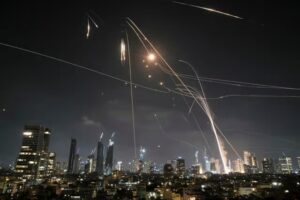
This resolution marked the first formal censure of Iran by the IAEA board in over 20 years. Iran has pushed back strongly, dismissing the resolution as politically motivated and announcing plans to open a new uranium enrichment facility. The fallout escalated dramatically last Friday, when Iran fired dozens of ballistic missiles in retaliation for Israeli airstrikes on key nuclear and military infrastructure within Tehran earlier in the week.
For Ghana, the decision to abstain reflects a complex balancing act. As a historically non-aligned nation and a member of the African Union—which often aligns with the Arab League’s geopolitical stance—Ghana has long walked a fine line between global partnerships and regional solidarity.
Ambassador Gilad made it clear that while Israel is disappointed, it is not turning its back on Ghana. “We continue to value our relationship with Ghana deeply. But we also believe that neutrality in moments like this can have far-reaching consequences,” he said.
As international tensions surrounding Iran’s nuclear program reach new heights, Ghana’s decision may not be the last word but it has certainly stirred debate about where the West African nation positions itself on the world stage in moments of high-stakes diplomacy.

