

The Museum of Fine Arts (MFA) in Boston has announced that it will close its Benin Kingdom Gallery on April 28, but rather than sending most of the prized artifacts back to Nigeria, the majority will instead return to their original donor, Robert Owen Lehman — a move stirring fresh debates about the fate of colonial-era treasures.
Lehman, a filmmaker and heir to a banking fortune, donated 34 Benin Bronzes to the MFA in 2008 through a staggered agreement that would have gradually transferred full ownership to the museum. However, following increasing scrutiny around the provenance of artifacts looted during the infamous 1897 British raid on Benin City, negotiations between the MFA and Lehman broke down. Rather than finalizing a transfer that could have allowed the pieces to remain on public view, Lehman requested the return of his collection.
“It’s really not appropriate for us to bring them into the collection,” Victoria Reed, the museum’s senior curator for provenance, told the Boston Globe, explaining that without ownership rights, the museum had little control over the artifacts’ future. MFA director and chief executive Matthew Teitelbaum described the development as a “mutual agreement,” though he acknowledged it was not the outcome anyone had hoped for. “We were making some progress, but without any certainty of outcome,” Teitelbaum told the New York Times.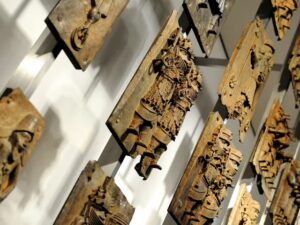
Only five of the 34 objects had been fully transferred to the MFA under the original agreement. Those five Benin Bronzes will remain in the museum’s collection and are scheduled to go on display this June in the Art of Africa Gallery. The remaining pieces, however, will leave Boston alongside the closing of the dedicated Benin Kingdom Gallery.
Also, read: Burkina Faso’s President Ibrahim Traoré Announces Free Childbirth Services in Government Hospitals
The MFA’s decision comes at a time when calls for the restitution of looted artifacts have grown louder around the world. Nigeria, under the authority of the current oba (king) of Benin, Ewuare II, has been actively seeking the return of these stolen cultural treasures. In February, the oba officially empowered Nigeria’s National Commission for Museums and Monuments to oversee repatriation efforts on his behalf. Although the MFA had previously opened channels of communication with Benin’s royal court, a formal ownership claim had not been filed before the donor reclaimed the works.
The story of the Benin Bronzes — intricate brass plaques, sculptures, and ceremonial objects — remains one of the most potent symbols of colonial exploitation. British soldiers seized thousands of artifacts during the brutal 1897 invasion of the Kingdom of Benin, selling many into private collections and Western museums, where they have remained for more than a century.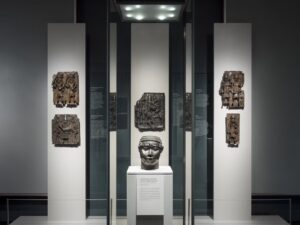
Lehman’s decision to rescind his gift underscores the complications museums face as they grapple with questions of ownership, history, and justice. While the MFA may retain a few pieces, the closure of the gallery signals the end of an ambitious effort to spotlight Benin’s artistic legacy within the museum’s walls.
As the global conversation around cultural restitution continues to evolve, the fate of many other looted artifacts in American and European museums remains uncertain — caught between the legacies of the past and the demands for a more just future.

