

O.J. Simpson, the former NFL star whose life was marked by both athletic triumphs and a notorious murder trial, has died at the age of 75 after battling cancer. The news of his passing was confirmed by his family and attorney on Wednesday in Las Vegas, where he spent his later years.
Simpson’s journey from football stardom to infamy began in the 1990s when he stood trial for the double-murder of his ex-wife, Nicole Brown Simpson, and her friend, Ron Goldman. Despite a highly publicized trial that captivated the nation, Simpson was acquitted of the charges, although the case continued to haunt him for the rest of his life.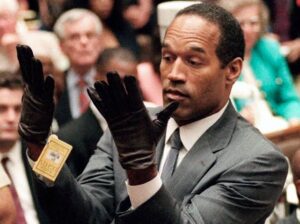
In recent years, Simpson had been battling prostate cancer, and his health had been in decline. Reports of his cancer diagnosis surfaced in February, with Simpson denying claims of being in hospice care. However, his condition worsened, leading to his passing on Wednesday.
Also, read; Six Arrested in Connection with Murder of South African Footballer Luke Fleurs
Throughout his life, Simpson’s legacy was one of both athletic prowess and controversy. A celebrated football player, he rose to fame as a Heisman Trophy winner at USC and enjoyed a successful career with the Buffalo Bills. Even after retiring from football, Simpson remained in the public eye as an actor and pitchman.
However, his image was forever tarnished by the murder trial, which cast a shadow over his achievements on the field. Despite his acquittal, Simpson’s reputation never fully recovered, and he remained a divisive figure in American culture.
In the wake of his passing, reactions have been mixed, with many reflecting on Simpson’s complex legacy. While some remember him as a football icon and charismatic personality, others cannot overlook the shadow of the murder trial that defined his later years.
As the nation mourns the loss of O.J. Simpson, his life serves as a reminder of the complexities of fame, justice, and the enduring impact of one man’s actions on the world stage.

