
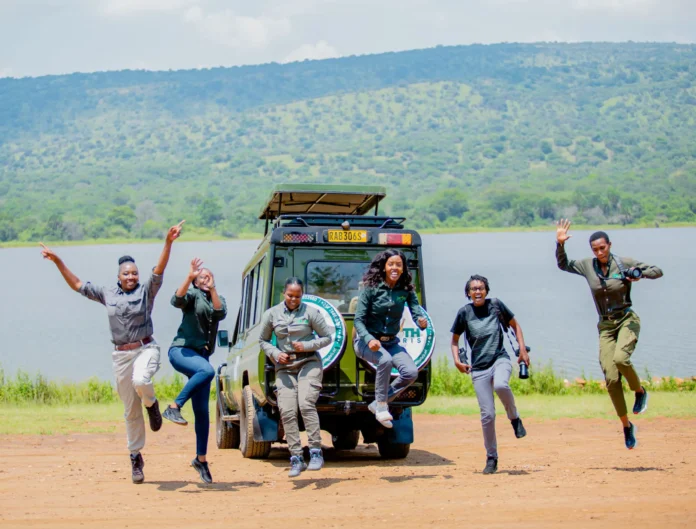
Traveling alone as a woman in Africa can be one of the most freeing and eye-opening experiences of your life—if you choose the right destination, stay alert and embrace the journey with curiosity. The continent offers kindness, adventure and authenticity like nowhere else. But first-time solo female travellers often ask: “Where is safe? Who understands? What should I know?”
In 2025, there are several African countries that consistently stand out for solo women travellers thanks to strong tourism infrastructure, low crime rates, welcoming local cultures and good transport options. Below are some of the top picks—and the human-first advice to travel with confidence.
1. Rwanda – Safety Meets Scenic Calm
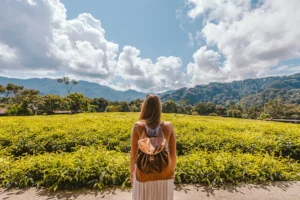
For a solo woman traveller seeking an African destination that blends nature, culture and comfort, Rwanda stands out. Kigali, the capital, is often described as one of Africa’s cleanest and safest cities. The country has invested heavily in public safety, and local attitudes are increasingly progressive when it comes to women travellers. Gorilla trekking in the Volcanoes region, staying in comfortable guesthouses and exploring markets are all experiences that carry an added sense of ease here.
What to know:
- Use registered taxis or ride-hailing apps in Kigali.
- Book tours ahead for gorilla treks or national-park visits—these areas are well managed.
- Stay connected: local SIM cards cost little and are key for solo travel confidence.
- Dress smart-casual and respect local norms; Rwandans are warm and helpful.
2. Botswana – Wilderness with Well-Regulated Comfort
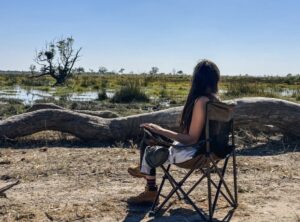
If your ideal solo trip mixes open skies, wildlife and tranquility, Botswana is a top contender. With stable democracy, one of Africa’s lowest crime rates and safari camps that cater to single travellers, Botswana gives you freedom without sacrificing safety. Here you’re more likely to hear the rustle of reeds in the Okavango Delta or the call of hyenas than worry about logistics.
What to know:
- Choose lodges or camps that specifically mention solo traveller inclusivity or single-room options.
- Safaris often have guides who look out for every guest—use that support.
- Bring layers: even climates like Botswana can surprise you after sunset.
- Don’t rely only on WiFi in remote lodges; offline download maps help.
3. Namibia – Road-Trip Friendly and English-Speakers Welcome

For solo female travellers who crave independence and road-trip adrenaline, Namibia offers a rare combination of safety and space. With low population density, excellent roads and a tourism sector used to independent travellers, it’s easier to feel at ease behind the wheel or on guided drives. English is widely spoken, another plus for peace of mind.
What to know:
- Self-driving? Stick to marked roads and inform someone of your route.
- Book accommodations ahead in remote areas—spots fill up fast in scenic zones.
- Wildlife viewing in places like Etosha sometimes means early mornings—pack accordingly.
- Solo doesn’t mean isolated: many travellers meet up at lodges or hostels for shared excursions.
Also, read: What to see in South Africa on your first trip — a traveler’s guide that actually helps
4. Ghana – Culture, Coastlines & Welcoming Communities
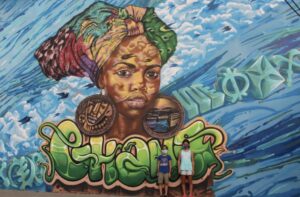
When you want West African warmth, history and beach time all in one place, Ghana is a standout. Its tourism industry is mature, locals are incredibly hospitable, and English being an official language makes navigating much easier. Whether wandering through Accra’s arts scene or visiting the historic castles at Cape Coast, you’ll feel welcomed and supported.
What to know:
- Use trusted ride-hailing apps or hotel-recommended taxis after dark.
- Join day tours for sites like Kakum National Park to simplify logistics.
- Bring lightweight clothing, a sun hat and reusable water bottle for comfort.
- Engage with local guide services—they deepen your trip and help support community tourism.
5. Mauritius – Island Escape Where Safety Meets Leisure
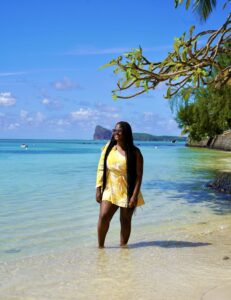
If your solo trip calls for sand between your toes, gentle rhythms and minimal stress, Mauritius fits the bill. Ranked among Africa’s safest destinations due to low crime rates, good infrastructure and a strong tourism focus, it’s a place where you can relax by day and explore local culture in the evening.
What to know:
- Pick beachfront accommodations with good guest reviews for added comfort.
- While the beach is relaxing, also schedule a hike or a local market visit to add depth.
- Be mindful of isolated spots at night; choose well-lit areas.
- Enjoy the blend of Creole, Indian and French influences—it’s part of the charm.
Safety Tips That Matter for Solo Female Travelers
No matter which destination you choose, these consistent safety habits will elevate your trip:
- Transport: Use trusted ride-hailing apps or arrange hotel transfers—avoid hitching rides, especially at night.
- Accommodation: Book places that receive strong reviews from other solo female travellers—look for hostels, guesthouses or lodges that welcome women alone.
- Connectivity: Keep your phone fully charged, share your location with someone, and carry a local SIM or eSIM.
- Clothing & behaviour: Respect local culture but stay comfortable. Avoid flashy jewellery, and keep your outfit practical for transit and city exploration.
- Trust your instincts: Leave any situation that feels off. Your gut is one of your best travel tools.
- Stay visible: Especially at dawn or dusk, stay in public or well-lit spaces and let someone know your plans.
- Insurance & docs: Always travel with insurance, keep digital copies of your passport and emergency contacts, and know the local emergency number.

