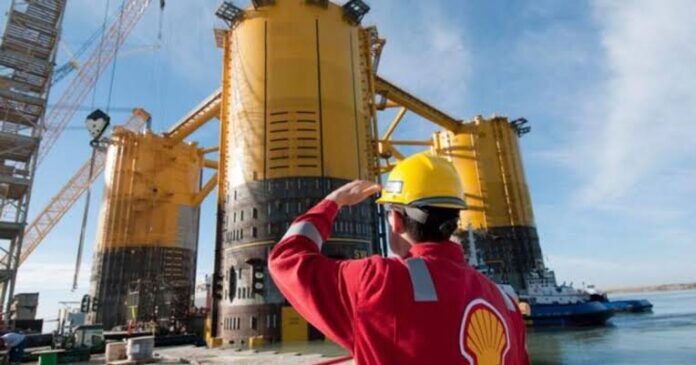
In a year of shifting strategies and growing scrutiny, energy giant Shell paid more to Nigeria in taxes and related charges than to any other country in 2024—totaling a hefty $5.34 billion. The disclosure, part of Shell’s UK legal filing released on Thursday, comes at a pivotal moment as the company prepares to end its decades-long presence in Nigeria’s onshore oil sector.
Despite persistent controversy surrounding its operations in the Niger Delta—ranging from oil spills to environmental degradation—Shell’s financial footprint in Nigeria has remained substantial. The 2024 payments reflect a notable increase from the previous year, signaling that, even in the twilight of its onshore era, Shell remains deeply tied to the Nigerian economy.
Shell’s onshore exit has been years in the making. Since 2021, the company has actively sought buyers for its onshore and shallow water assets. The rationale? A shift toward cleaner, more manageable operations—and an ambitious pledge to achieve net-zero carbon emissions by 2050. Offshore production in Nigeria, which Shell considers less prone to theftand environmental incidents, will continue.
The Niger Delta, a region once seen as the heartbeat of Nigeria’s oil wealth, has become more of a liability for international oil firms. Decades of oil-related pollution, frequent litigation, and growing security concerns have pushed companies like Shell to rethink their stakes. While critics argue that Shell’s departure leaves behind a legacy of environmental damage, the company insists its move is in line with a global portfolio overhaul.
Also, read: Nigerian Author, Abi Daré Wins First-Ever Climate Fiction Prize for Powerful Sequel “And So I Roar”
Globally, Shell’s tax and charge contributions for extractive activities in 2024 totaled around $28.1 billion—down nearly 5% from the previous year. Yet Nigeria’s share stands out, accounting for almost one-fifth of that amount.
The UK, Shell’s home base, offered a stark contrast. Rather than collecting revenue from Shell’s extraction efforts, the British government actually refunded $32 million to the company in 2024, related to decommissioning costs in aging fields like Brent. That was a slight dip from the $43 million refund Shell received the year before. It’s worth noting, though, that this figure doesn’t represent Shell’s total tax obligations in the UK. According to end-of-year figures, the company paid about $6 billion in total UK taxes in 2023.
Even with a reduction in global tax payments, Shell reported solid financials. Adjusted earnings for 2024 came in at $23.7 billion—a 17% drop from the previous year but still a strong showing amid a volatile energy landscape.
As Shell wraps up its onshore chapter in Nigeria, questions linger: What will happen to the communities affected by decades of drilling? Who will take over the assets—and will they do better by the people and the environment? For now, the numbers speak to Shell’s outsized presence in Nigeria. Whether its departure leaves a void or a chance for renewal remains to be seen.

