
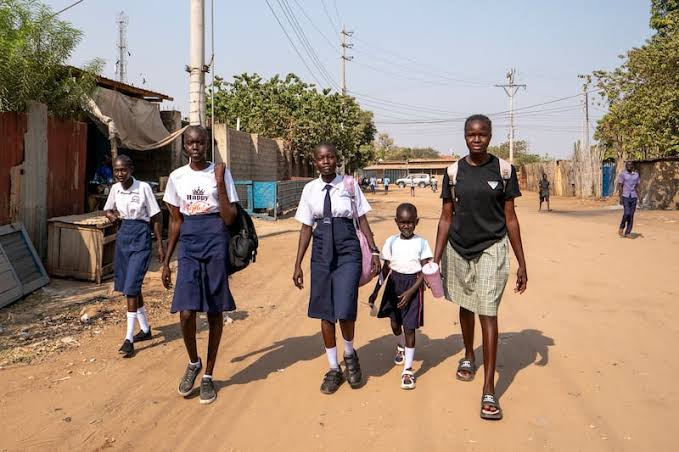
South Sudan has announced the closure of all schools for two weeks as an extreme heatwave grips the country, causing multiple students to collapse daily. The decision, confirmed by Deputy Education Minister Martin Tako Moi on Thursday, comes as temperatures soar to dangerous levels, with Juba city alone recording an average of 12 student collapses per day.
This marks the second time South Sudan has taken such drastic action, with similar school closures occurring during a heatwave in February and March last year. The country, already vulnerable to the effects of climate change, experiences severe flooding during the rainy season and extreme heat during the dry months.
Many schools in South Sudan are housed in makeshift structures made of iron sheets, offering little protection against the sweltering heat. Without electricity to power cooling systems, students are left exposed to unbearable classroom conditions.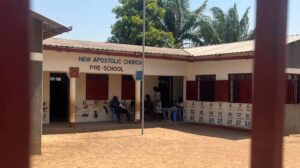
Environment Minister Josephine Napwon Cosmos has urged residents to stay indoors and stay hydrated as temperatures are expected to climb as high as 42 degrees Celsius (107.6 degrees Fahrenheit). She also suggested that government workers adopt a shift system to minimize the risk of heat-related illnesses.
Also, read: Nigeria’s Former Military Leader Expresses Deep Regret for 1993 Election Annulment
Education experts are now pushing for a revision of the academic calendar, advocating for schools to close in February and resume in April when temperatures ease. Abraham Kuol Nyuon, dean of the Graduate College at the University of Juba, emphasized the need for a localized school calendar tailored to the weather patterns of South Sudan’s ten states.
However, not everyone sees the closures as a proactive solution. Integrity South Sudan, a civil society group, criticized the government for failing to plan ahead, stating that shutting schools due to extreme weather reflects a lack of commitment to the education sector.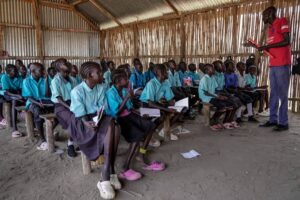
Compounding the crisis, South Sudan’s already fragile healthcare system remains strained due to years of political instability. Between 2013 and 2018, nearly 400,000 people lost their lives in a civil war that ended with a peace agreement between President Salva Kiir and his deputy, Riek Machar.
The country is also grappling with economic difficulties, worsened by disruptions in oil exports after a key pipeline was damaged in neighboring Sudan. Although the pipeline has since been repaired, South Sudan continues to face financial challenges, leading to the postponement of elections originally scheduled for last year.
As the heatwave persists, calls for long-term solutions—such as improved school infrastructure, better planning, and climate adaptation policies—are growing louder.

