
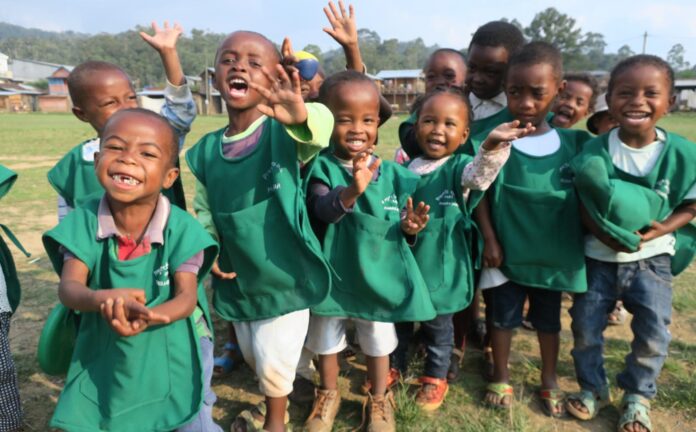
For many children across Africa, the word “opportunity” is still a dream waiting to be realised. Whether it’s lack of school fees, inadequate nutrition, or minimal access to digital tools, underprivileged kids face challenges that affect their futures. The good news? You can help—and not just by donating money.
With thoughtful involvement, you can create real, lasting change. Here’s how.
1. Focus on Education: The Power of Staying in School

Education is often described as the “ticket out of poverty,” and in Africa that’s particularly true. Organisations like Sewa International SA in South Africa offer programs to keep kids from low-income households in school by covering uniforms, books, transport and more. Through support like this, children who might drop out are given a chance to finish their schooling and open doors to better opportunities.
What you can do:
- Sponsor a child’s school fees or supplies through trustworthy programs such as Develop Africa, which provides scholarships for underprivileged children in Africa.
- Volunteer as a mentor or tutor—your support in helping a child grasp difficult subjects can change their trajectory.
- Support digital-literacy initiatives that equip children with 21st-century skills rather than just memorising textbooks.
2. Provide Basic Needs: Nutrition, Safe Environments & Health

A child whose stomach is empty or who lacks a safe place to learn cannot absorb knowledge the way they should. Programs like Mary’s Meals deliver daily meals in African schools so that hunger doesn’t stand between a child and their future. Additionally, community-based organisations often provide libraries, safe drinking water, and basic health support.
What you can do:
- Donate or partner with initiatives that combine food, health checks and schooling—they address the whole child.
- Support local shelters or after-school centres that provide safe spaces for kids after school hours.
- Advocate for child-friendly infrastructure in your community or network: libraries, computer labs, playgrounds can all make huge differences.
3. Support Through Sponsorship and Long-Term Engagement

Sponsoring a child isn’t just about giving money—it’s about forming a connection, being consistent, and tracking progress. For example, organisations such as World Bridge Foundation offer child-sponsorship programs that include periodic updates and accountability to ensure funds are used properly.
What you can do:
- Choose a sponsorship program that provides transparency (photo updates, progress reports, clarity on fund usage).
- Commit for the long term—children in difficult circumstances benefit from recurring, stable support rather than one-off acts.
- Combine sponsorship with engagement: send letters, encourage the child, ask questions (where appropriate); it shows them someone cares.
Also, read: Indian Investors Acquire South Africa’s 135-Year-Old Pharmaceutical Icon for $215 Million
4. Empower Through Skills, Creativity and Mentorship

Beyond the basics, many children stand at risk because they don’t know what’s possible—no one has told them that they can be something. Organisations such as African Kids Education Matters help gifted children by providing support in STEM, arts and entrepreneurship. And in Nigeria, a gallery for underprivileged children turned art into income and self-esteem.
What you can do:
- Sponsor or volunteer with programs teaching coding, music, digital design, art—skills that open doors beyond traditional schooling.
- Organise or support mentorship programmes connecting kids with role models from similar backgrounds.
- Facilitate creative projects (art shows, workshops, exhibitions) that show children they’re capable and seen.
5. Choose Reputable Organisations & Be Smart About Giving

Not all charities or programmes are equal. It matters where your support goes. The Guardian has advised donors to research before contributing.
What you can do:
- Check if the organisation is registered in their country, offers transparent reports, shows evidence of impact.
- Prefer local partners—they often know the community better and deliver more relevant support.
- Focus on sustainability: Does the programme build capacity (teachers, infrastructure) or just provide temporary relief?
- Stay engaged: Ask questions, keep informed, and if possible visit or virtually connect with the project to understand the impact.
Why It Matters
For our audience, supporting underprivileged kids in Africa isn’t charity—it’s investment in the continent’s future. These children are tomorrow’s leaders, innovators, creators, employees and entrepreneurs. When you help a child stay in school, learn digital skills, or just believe they matter—you’re helping Africa 2025 and beyond realise its potential.

