
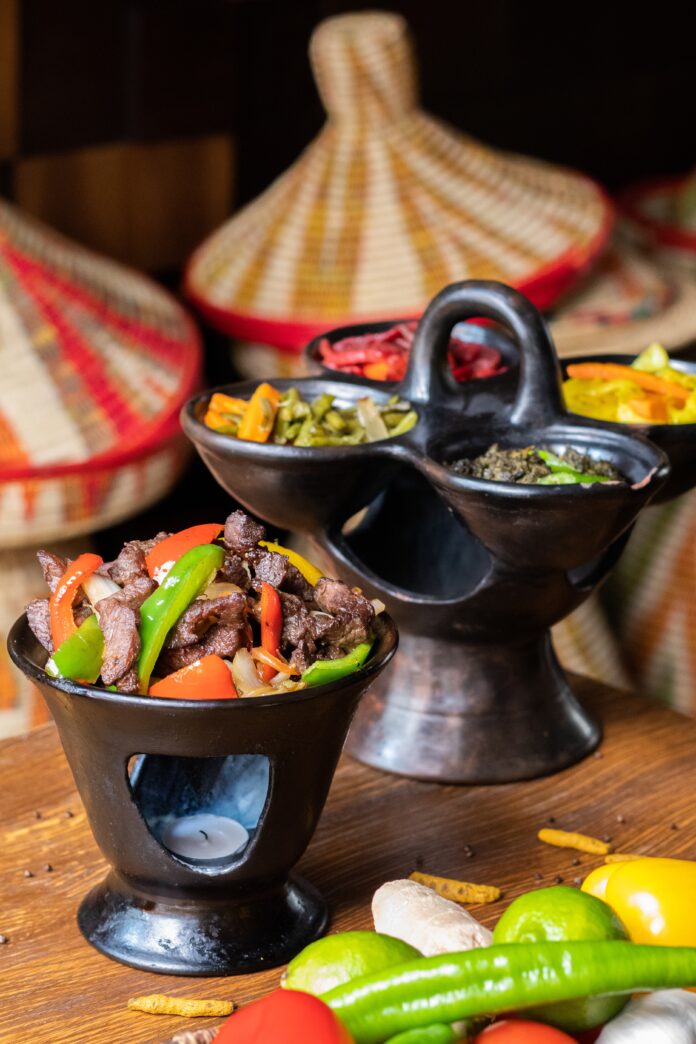
What Is Traditional African Food?
Traditional African food refers to the dishes, cooking methods, and eating customs developed by African communities over thousands of years long before any outside influence arrived on the continent. It is one of the most diverse food traditions on earth, spanning 54 countries and thousands of ethnic communities, each with its own staple ingredients, cooking techniques, and food rituals. Traditional African food is never just nourishment, it is ceremony, community, spiritual practice, and ancestral memory all served on one plate.
Why Traditional African Food Is Unlike Any Other Cuisine on Earth
What makes traditional African food truly unique is not any single dish or ingredient but the philosophy behind the eating. In African food culture, a meal is never a solo act, it is a communal event where the act of preparing, sharing, and eating together is as important as the food itself. Traditional African food carries within every recipe a history of the land it came from, the people who grew its ingredients, and the ancestors who first cooked it making every meal a living connection to the past.
Traditional African Food by Region
West African Food — Bold, Rich, and Community Driven
West African traditional food is characterized by bold flavors, rich stews, and an extraordinary range of ingredients that reflect the region’s agricultural abundance. Palm oil, ground crayfish, fermented locust beans, and a wide variety of leafy vegetables form the foundation of a culinary tradition that has fed communities for centuries. Explore the full world of multicultural Afro cuisines and discover the extraordinary depth of West African food culture.
East African Food — Ancient Grains, Spice, and Sharing Plates
East African traditional food is built around ancient grains like teff, sorghum, and millet crops that have sustained communities in some of the world’s most challenging landscapes for thousands of years. Ethiopian cuisine, centered on injera flatbread and richly spiced stews called wat, is one of the most distinctive and internationally celebrated traditions in all traditional African food. The East African practice of eating from a single shared plate is not just a practical tradition, it is a daily enactment of the communal values that define African culture.
Southern African Food — Fire, Meat, and Communal Tradition
Southern African traditional food is defined by its relationship with fire, the braai, or barbecue, is not just a cooking method but a social institution that brings communities together around heat, meat, and conversation in a tradition that predates any written record. Dishes like umngqusho a slow-cooked stew of samp and beans beloved across South Africa demonstrate how traditional African food transforms the simplest ingredients into something deeply satisfying and culturally significant. Southern African food traditions reflect the region’s extraordinary cultural diversity, with Zulu, Xhosa, Sotho, and many other communities each contributing distinctive flavors and techniques.
North African Food — Aromatic, Slow-Cooked, and Deeply Spiced
North African traditional food is among the most internationally recognized of all African food traditions, with Moroccan tagine, Tunisian harissa, and Algerian couscous now appearing on restaurant menus worldwide. The region’s food tradition is built on a sophisticated spice palette, cumin, saffron, cinnamon, preserved lemon, and ras el hanout that reflects centuries of trade routes connecting Africa to the Middle East and Mediterranean. North African traditional food is slow food in every sense dish that take hours to prepare and are meant to be eaten at leisure, in company, with bread torn and shared.
Central African Food — The Continent’s Best Kept Culinary Secret
Central African traditional food is perhaps the least internationally known but among the most nutritionally sophisticated on the continent, built around an extraordinary range of forest ingredient, wild game, freshwater fish, plantains, cassava leaves, and palm nut that form the basis of stews of remarkable depth and flavor. Congolese pondu a slow-cooked dish of cassava leaves with fish or meat is one of the most beloved traditional African food dishes in the region, eaten daily by millions across the Democratic Republic of Congo. Central Africa’s food traditions deserve far more global recognition than they currently receive.
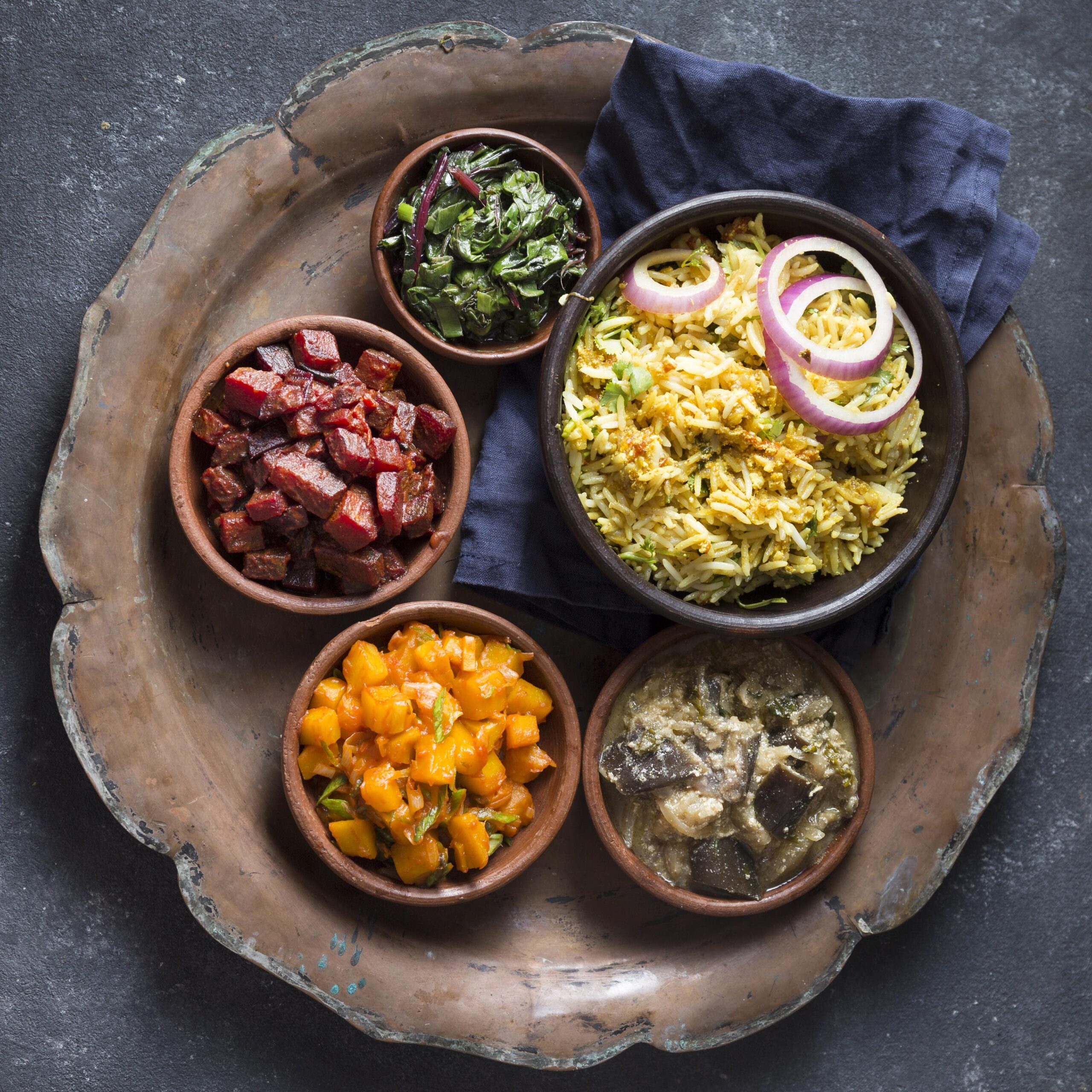
The Most Iconic Traditional African Food Dishes
Jollof Rice — The Dish That Started a Continent-Wide Debate
Jollof rice is the most politically charged dish in all traditional African food a one-pot rice dish cooked in tomato, pepper, and spices that has sparked genuine debates about which country makes it best, with Nigeria and Ghana as the primary contestants in a rivalry that shows no sign of resolution. What is not debated is jollof rice’s status as the defining celebration dish of West Africa, no wedding, naming ceremony, or major gathering is complete without a pot of perfectly cooked jollof rice at the centre of the table. The dish’s extraordinary popularity across West Africa and the global African diaspora makes it arguably the most culturally significant single dish in all of traditional African food.
Injera — Ethiopia’s Sacred Flatbread
Injera is far more than a bread, it is the plate, the utensil, and the centerpiece of Ethiopian traditional food culture simultaneously. Made from teff an ancient Ethiopian grain with a uniquely sour fermented flavor injera is used to scoop up stews and salads in a communal eating tradition that makes every meal a shared experience. The preparation of injera requires a three-day fermentation process that produces a flatbread of extraordinary nutritional value and cultural significance, making it one of the most distinctive foods in all traditional African food.
Tagine — North Africa’s Slow-Cooked Masterpiece
The Moroccan tagine named after the distinctive conical clay pot it is cooked in is one of the most celebrated dishes in all traditional African food, a slow-cooked stew of meat, vegetables, and aromatic spices that has been refined over centuries of culinary tradition. The genius of the tagine lies in its cooking vessel, the conical lid traps steam and returns it as condensation to the stew, creating a self-basting cooking environment that produces extraordinary tenderness without a drop of added water. A properly made tagine is a lesson in patience, in the value of slow cooking, and in the sophisticated culinary intelligence of North African food tradition.
Egusi Soup — West Africa’s Ceremonial Bowl
Egusi soup made from ground melon seeds cooked with palm oil, leafy vegetables, and assorted proteins is one of the most important dishes in West African traditional food, occupying a ceremonial role in Yoruba and Igbo culture that goes far beyond ordinary meals. It is the soup most prepared for ancestral offerings, naming ceremonies, and important family gatherings, a dish whose presence signals that something significant is being marked. The preparation of egusi soup is considered a skilled art in West African food culture, and a well-made pot is a source of genuine pride for the cook who made it.
Braai — Southern Africa’s Fire Tradition
The braai is Southern Africa’s most beloved traditional food tradition, a communal barbecue that is simultaneously a cooking method, a social ritual, and a cultural institution that transcends every ethnic, racial, and class boundary in the region. Unlike a Western barbecue which centres on the food, a braai centres on the fire, the gathering around it, the conversations that happen beside it, and the community that forms every time wood is lit and meat is placed above the heat. In South Africa, the braai has been declared a national cultural institution, and Heritage Day on September 24th is celebrated across the country as National Braai Day.
The Ingredients That Define Traditional African Food
Traditional African food is built on a set of foundational ingredients that have sustained communities across the continent for thousands of years. These are not exotic curiosities, they are nutritional powerhouses that modern food science is now recognizing as among the healthiest and most sustainable foods on earth. Understanding these ingredients is the key to understanding traditional African food at its most fundamental level.
Key Ingredients in Traditional African Food
| Ingredient | Region | Role in Traditional African Food |
| Palm oil | West and Central Africa | Primary cooking oil, flavor base of most traditional stews |
| Teff | Ethiopia and Eritrea | Ancient grain used to make injera flatbread |
| Cassava | Pan-African | Staple root vegetable eaten boiled, fermented, or ground |
| Plantain | West and Central Africa | Versatile staple eaten fried, boiled, or roasted |
| Sorghum | East and Southern Africa | Ancient grain used for porridge, beer, and flatbread |
| Kola nut | West Africa | Sacred offering food used in spiritual ceremonies |
| Ras el hanout | North Africa | Complex spice blend central to Moroccan and Algerian cuisine |
| Egusi seeds | West Africa | Ground melon seeds used as protein base in soups and stews |
Traditional African Food and Spiritual Ceremony
When Cooking Becomes Prayer
In African culture, cooking has never been a purely practical act, it is a form of spiritual communication, a way of honoring the ancestors and the forces that sustain life. The first harvest of any crop in many African communities must be offered to the ancestors before any community member eats a practice that acknowledges gratitude and maintains the spiritual contract between the living and those who came before. Traditional African food at its most sacred is not about feeding the body, it is about feeding the relationship between the human community and the spiritual world that surrounds it.
Sacred Foods Offered to Ancestors Across African Cultures
Specific foods across African cultures carry a sacred status that elevates them above ordinary nourishment into the realm of spiritual practice. Kola nut in West African cultures is the most universally sacred food offered to guests, deities, and ancestors as an act of welcome and blessing that no other food can replicate. Palm wine, certain grains, and specific animal parts are reserved across many African communities for ceremonial use, appearing only at the moments when traditional African food crosses the boundary between the physical and the spiritual world.
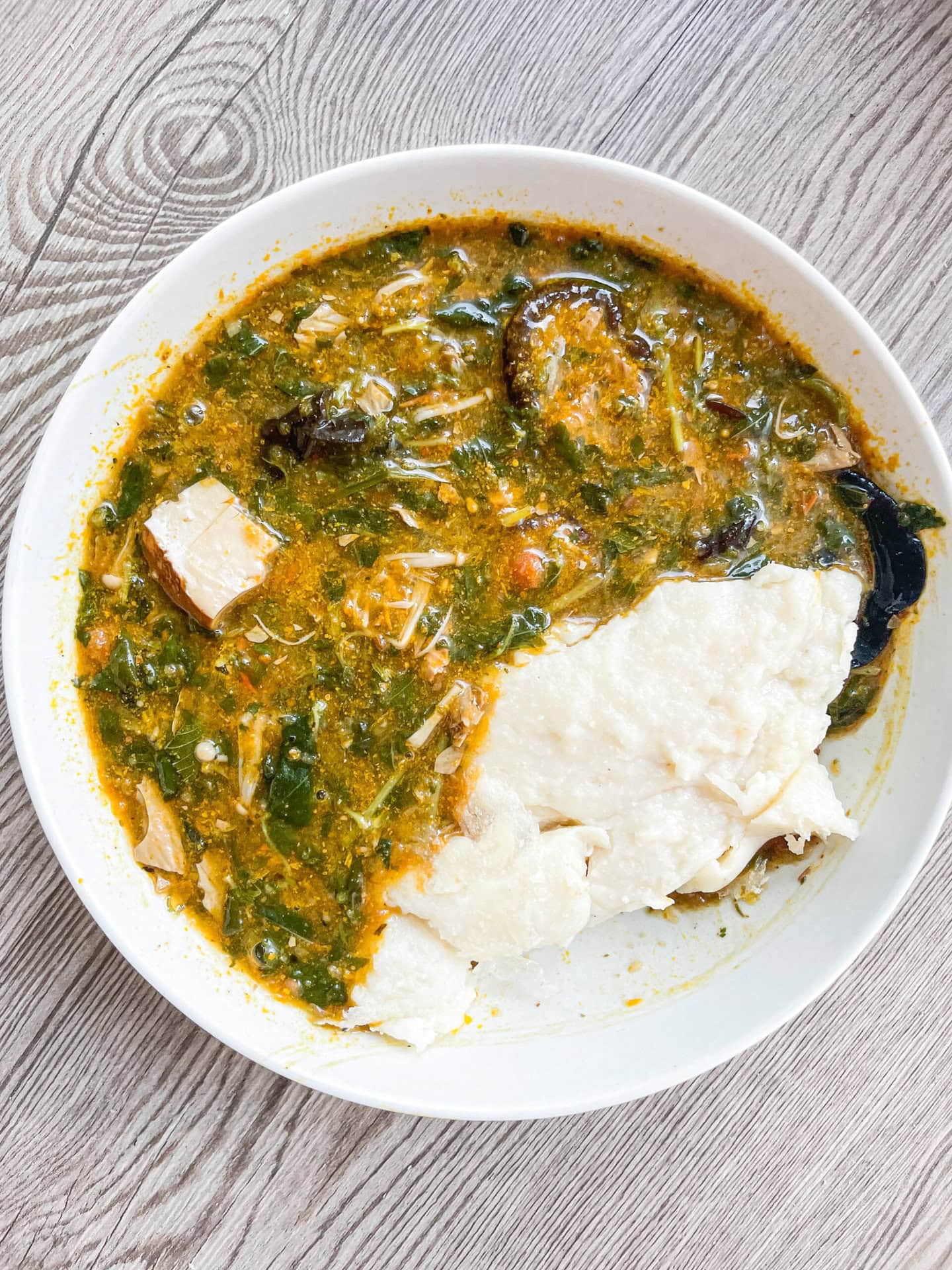
Sacred Foods in Traditional African Food Culture
- Kola nut — West Africa’s most sacred food, offered to ancestors and guests as spiritual welcome
- Palm wine — fermented palm sap used in libation ceremonies across West and Central Africa
- First harvest grains — offered to ancestors before any community member eats, across many cultures
- Bitter kola — used in Igbo and Yoruba spiritual ceremonies for blessing and purification
- Ugali and milk — ceremonially significant foods in Maasai culture for warriors and elders
Traditional African Food at Weddings and Festivals
What Gets Cooked When a Community Comes Together
Traditional African food reaches its most elaborate and culturally significant expression at weddings, naming ceremonies, and major festivals occasions when entire communities gather and the quality and quantity of the food served communicates the host family’s generosity, status, and cultural pride. A Yoruba wedding without a mountain of perfectly cooked jollof rice, a pot of rich egusi soup, and an abundance of pepper soup is not a wedding, it is an incomplete ceremony. The food at an African community gathering is never just catering, it is one of the primary ways the host family declares who they are and how seriously they take their cultural obligations.
Festival Foods Across African Cultures
- New Yam Festival — freshly harvested yam dishes served as offering and celebration across Igbo culture
- Homowo Festival — palm nut soup with kpokoi served communally across Ga culture in Ghana
- Timkat — traditional Ethiopian fasting foods broken with injera and rich meat stews after ceremony
- Eid celebrations — elaborate rice dishes, grilled meats, and sweet pastries across Muslim African cultures
- Harvest festivals — first fruits of the season offered and then shared across Southern African cultures
How Traditional African Food Is Prepared
The Tools, Techniques, and Time Behind Every Dish
Traditional African food preparation is built on techniques and tools that have been refined over thousands of years for maximum flavor and nutritional value. The wooden mortar and pestle used across the continent to pound yam, grind spices, and prepare grain is one of the most important tools in traditional African food culture, producing textures and flavors that no electric appliance can replicate. Slow cooking over wood fire, smoking, fermenting, and sun-drying are preservation and flavor techniques that define traditional African food and give it a depth that modern fast cooking methods simply cannot achieve.
Traditional African Food Preparation Methods
- Pounding — mortar and pestle used for yam, spices, and grain preparation across the continent
- Slow pot cooking — clay and iron pots over wood fire for stews and soups of extraordinary depth
- Fermentation — used for injera, dawadawa, ogi, and many other traditional African food staples
- Sun-drying — preservation techniques are used for fish, meat, and vegetables across arid regions
- Smoking — wood smoke is used to preserve and flavor fish and meat across Central and West Africa
Traditional African Food and Health
Why Ancient African Diets Are Now Getting Global Attention
Modern nutritional science is increasingly recognizing what African communities have always known traditional African food is extraordinarily healthy, built on whole grains, legumes, vegetables, and fermented foods that provide complete nutrition without the processed ingredients that define much of the modern Western diet. Teff, the Ethiopian grain used to make injera, is now sold as a superfood in health stores across Europe and America, a food that Ethiopian communities have eaten daily for thousands of years. The health benefits of traditional African food are not new discoveries; they are ancient knowledge finally receiving the recognition it has always deserved.
Health Benefits of Traditional African Food
- Teff and sorghum — ancient grains high in protein, iron, and calcium with low glycemic index
- Fermented foods — dawadawa, ogi, and injera provide probiotics that support gut health naturally
- Leafy vegetables — used abundantly in West and Central African stews, rich in vitamins and minerals
- Legumes — black-eyed peas, lentils, and beans provide plant protein across all traditional African diets
- Minimal processing — traditional African food preparation preserves nutritional value that modern methods destroy
How Traditional African Food Is Influencing Global Cuisine
Traditional African food is having a moment of global recognition that is long overdue African restaurants are opening in major cities worldwide, African ingredients are appearing in global supermarkets, and food critics and chefs are discovering a culinary tradition of extraordinary depth and sophistication. West African flavors palm oil, fermented locust beans, suya spice are influencing restaurant menus from London to New York. Ethiopian injera and Moroccan tagine have already achieved international mainstream status, paving the way for the wider world of traditional African food to follow.
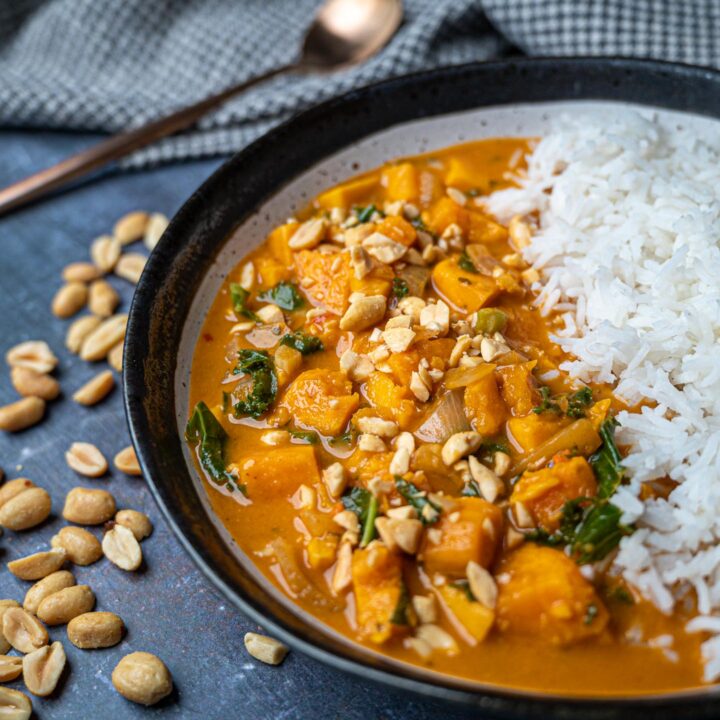
Traditional African Food in the Modern World
How Young Africans Are Keeping Food Traditions Alive
Across Africa and in diaspora communities worldwide, a new generation is actively reclaiming traditional African food as an expression of cultural identity and ancestral pride. Young African chefs are bringing traditional recipes into modern restaurant kitchens without compromising their authenticity serving jollof rice, egusi soup, and injera to international audiences who encounter these dishes for the first time and immediately understand why they have sustained communities for thousands of years. This culinary reclamation is part of a broader African cultural renaissance that institutions like the Afro School of Culture are actively supporting and celebrating.
- African food content creators building massive global audiences around traditional recipes
- African restaurants opening in London, New York, Paris, and Toronto to critical acclaim
- Young African chefs combining traditional techniques with contemporary presentation
- African food festivals drawing thousands of visitors to celebrate traditional culinary heritage
- Traditional African food ingredients now available in supermarkets across Europe and America
Start Your Traditional African Food Journey Here
- Explore multicultural Afro cuisines and discover the full world of traditional African food
- Enrol in the Afro School of Culture for deep education on African food traditions and culture
- Join African cultural dance classes and experience how food and dance connect in African culture
- Learn from African dance instructors who carry the full African cultural tradition
- Visit ILoveAfrica.com and begin your journey into traditional African food and culture today
Frequently Asked Question
What is traditional African food?
Traditional African food refers to the dishes, cooking methods, and eating customs developed by African communities over thousands of years. It spans 54 countries and has thousands of ethnic traditions, making it one of the most diverse and rich food traditions on earth.
What is the most famous traditional African food dish?
Jollof rice is arguably the most internationally recognized traditional African food dish, beloved across West Africa and the global diaspora. Ethiopian injera and Moroccan tagine are also globally celebrated as iconic examples of traditional African food.
What ingredients are most common in traditional African food?
Palm oil, cassava, plantain, sorghum, teff, egusi seeds, and kola nut are among the most important ingredients in traditional African food. Each region has its own staple ingredients shaped by local agriculture, climate, and cultural tradition.
Is traditional African food healthy?
Yes, traditional African food is built on whole grains, legumes, fermented foods, and abundant vegetables that provide complete nutrition naturally. Ancient African grains like teff and sorghum are now recognized globally as nutritional superfoods with extraordinary health benefits.
What role does food play in African ceremonies?
In African culture, traditional food is central to every major ceremony from the kola nut offered to ancestors and guests at Yoruba gatherings to the first harvest offerings of many cultures. Food in African ceremony is a spiritual act connecting the living to their ancestors.
Where can I explore traditional African food?
Multicultural Afro cuisines on ILoveAfrica.com is your gateway into the extraordinary world of traditional African food authentic, diverse, and deeply rooted in the continent’s living cultural traditions.

