
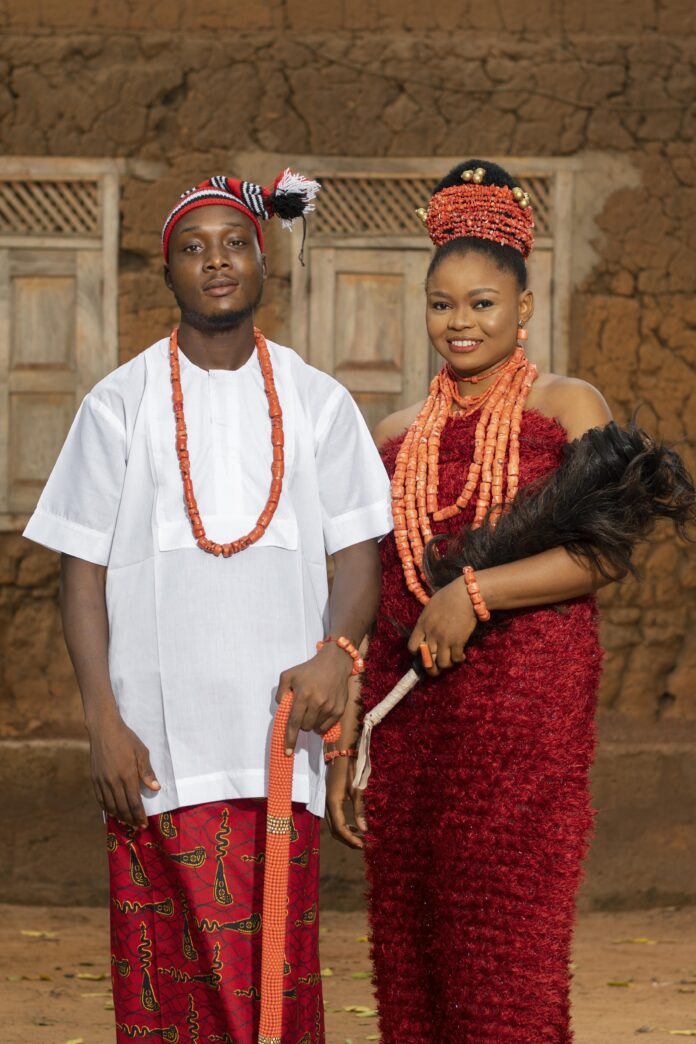
Long before bridal magazines existed and long before fashion weeks were invented, African communities had already developed wedding attire traditions of extraordinary depth and beauty. Traditional African wedding attire is not inspired by any global trend, it is the source, a living cultural system that has been communicating identity, family, and love through fabric and beadwork for thousands of years. What the world is now calling “bridal fashion inspiration” has been practiced across Africa since before anyone was writing it down.
The Story Behind Every Stitch
In African culture, traditional wedding attire is never chosen for how it looks in a photograph, it is chosen for what it says. Every fabric selection, every color combination, every bead arrangement in traditional African wedding attire communicates a message to the community gathered about the family’s identity, the couple’s aspirations, and the ancestral blessings being invoked on the union. To wear traditional African wedding attire is to speak a cultural language that has been spoken at weddings for generations before you and will continue long after.
How Geography Shapes the Wedding Look
The Gold and Glory of West African Bridal Dress
West African traditional wedding attire is defined by richly woven fabrics, bold color combinations, and gold accessories that announce family pride and cultural identity from across a crowded room. Ghanaian Akan couples choose Kente cloth patterns whose philosophical names carry specific meanings, the fabric itself is a wedding speech delivered in color and thread. Yoruba weddings transform entire families into coordinated visual declarations through aso-ebi matching fabrics that turn community solidarity into something you can see and feel.
East Africa — Where Beads Do Talking
East African traditional wedding attire communicates with extraordinary precision through beadwork each color and arrangement carrying meaning that every community member reads without being told. A Maasai bride is adorned with layers of beaded jewelry prepared specifically for her wedding, encoding her identity, her family’s blessing, and her transition into a new stage of life in a visual language century old. Along the Swahili coast, embroidered kanzu robes for men and elaborately wrapped, jewelled buibui for women reflect a wedding attire tradition shaped by African, Arab, and Indian cultural exchange.
Southern Africa — Worn with Warrior Pride
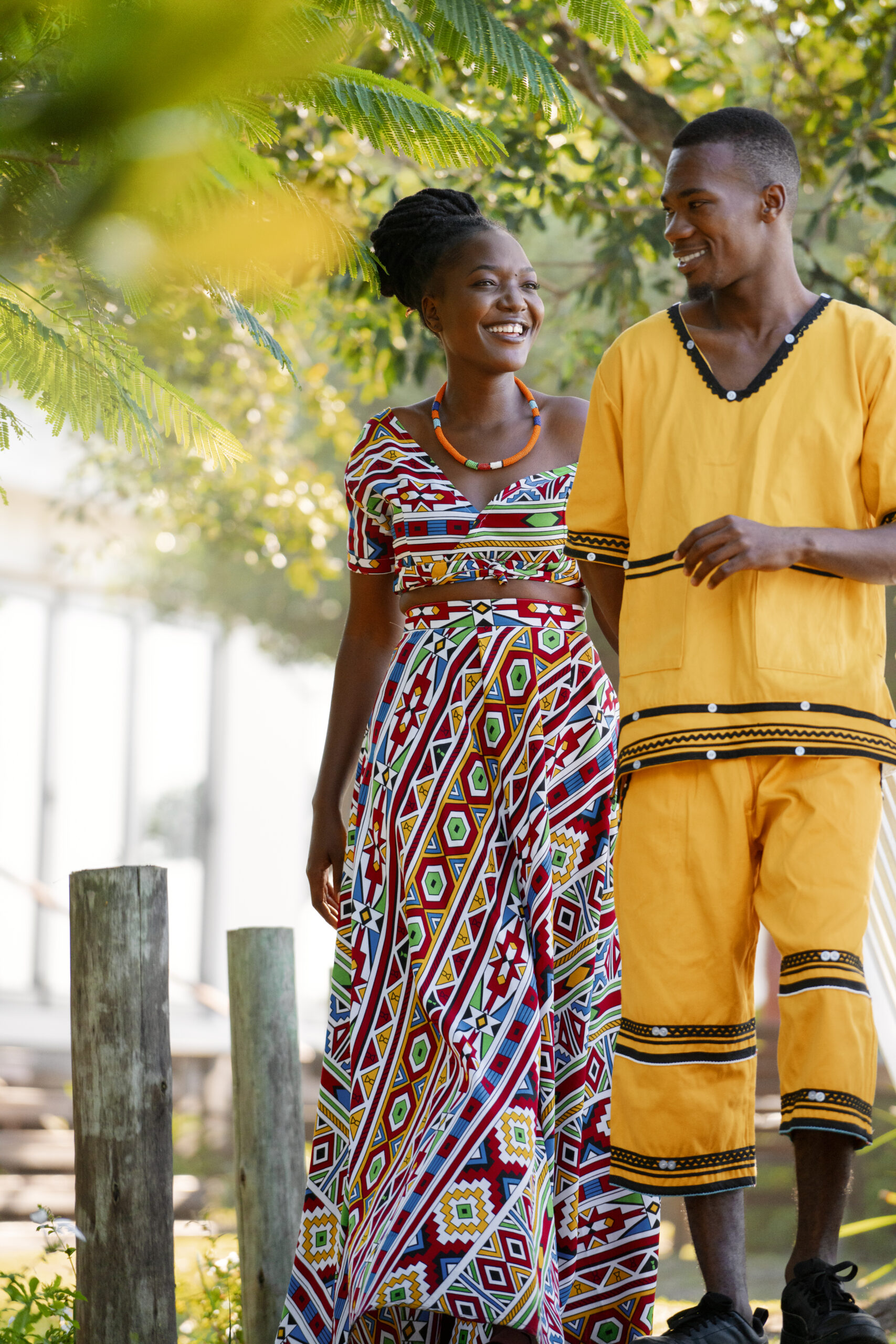
Southern African traditional wedding attire carries the weight of deep ceremony, what you wear communicates not just who you are but exactly what this marriage means to your community and your ancestors. Zulu wedding attire uses animal skins, feathers, and coded beadwork to mark the bride and groom’s transition into a new stage of life with the full blessing and witness of the community. Ndebele brides wear a jocolo beaded blanket that grows with the marriage over years making the wedding attire itself a living document of the relationship’s journey.
North Africa — Silk, Thread, and Desert Beauty
North African traditional wedding attire is among the most intricately crafted bridal dress on the entire continent, featuring silk fabrics embroidered with gold thread in patterns that identify the bride’s regional and cultural origin. Moroccan brides famously change through multiple complete wedding outfits during a single ceremony each garment marking a different stage of the ritual and a different dimension of the bride’s identity. Algerian and Tunisian wedding attire traditions produce garments of such elaborate craftsmanship that they are passed down through generations as family heirlooms.
The Garments Every African Wedding Remembers
Kente — The Cloth That Was Born for Royalty
Kente cloth is the most philosophically rich fabric in all traditional African wedding attire hand-woven by Akan artisans in Ghana with each pattern carrying a specific name, proverb, and meaning that makes the choice of Kente at a wedding a profound cultural statement. A single Kente cloth can take weeks to produce, making authentic Kente wedding attire one of the most labor-intensive bridal garments anywhere in the world. When an Akan couple selects their Kente pattern for their wedding, they are not choosing a color scheme, they are choosing a philosophy to wear into their married life.
Aso-Oke — Nigeria’s Most Powerful Wedding Fabric
Aso-oke is the hand-woven Yoruba fabric that forms the backbone of Nigerian traditional wedding attire used for the groom’s agbada, the bride’s iro and buba outfit, and the coordinated aso-ebi fabric worn by every member of both families. The color chosen for a Yoruba wedding’s aso-oke is a carefully negotiated decision that communicates family status, spiritual significance, and the couple’s vision for their life together. No other single fabric in traditional African wedding attire carries the same community-wide cultural weight as a perfectly coordinated Yoruba aso-oke wedding.
The Zulu Bride’s Skin, Beads, and Sacred Hat
Zulu traditional wedding attire transforms animal skins, feathers, and precisely coded beadwork into a ceremonial language that every community member reads with immediate understanding. The isigcoko, a hat made by the bride’s father’s family to symbolise her transition into her husband’s home is one of the most emotionally charged pieces of traditional African wedding attire in existence. Every element of Zulu bridal dress has been refined over centuries of ceremony into something that is simultaneously beautiful, precise, and spiritually serious.
Ndebele — A Wedding Dress That Grows With You
Ndebele traditional wedding attire is unlike any other bridal tradition in Africa, the jocolo beaded blanket worn by the bride is added to throughout the marriage, making it a living garment that grows alongside the relationship it was made to celebrate. The colors and patterns of Ndebele beadwork communicate the bride’s age, family identity, and life stage with a specificity that no written record could match. This makes Ndebele wedding attire perhaps the most uniquely biographical bridal tradition in the entire continent.
What Every Color Is Saying at an African Wedding
Color in traditional African wedding attire is a living language one that every culturally fluent guest in the room can read without being told. Choosing the wrong color combination at an African wedding is not a fashion mistake, it is a cultural communication error that will be understood and remembered. The Afro School of Culture teaches this color language as part of its deep cultural education in African traditions.
Color Meanings in Traditional African Wedding Attire
| Color | Meaning at Weddings | Culture / Region |
| Gold / Yellow | Wealth, royalty, and divine blessing on the union | Akan Ghana, pan-West African |
| White | Purity, new beginnings, and spiritual cleansing | Igbo Nigeria, East Africa |
| Red | Love, passion, and the blood bond of family unity | Zulu, Maasai, pan-African |
| Blue | Peace, fidelity, and harmony in the new union | Tuareg North Africa, Swahili coast |
| Green | Fertility, growth, and new life beginning together | Pan-African, various regions |
| Purple | Feminine power, wealth, and the honour of the bride | Akan Ghana, East Africa |
How the African Bride Gets Dressed
From Head to Toe — The Bridal Transformation
Dressing an African bride for her traditional wedding is never a solo act, it is a communal ritual involving mothers, aunts, sisters, and elder women who each play a specific role in the transformation. Every layer added to the bride communicates something, the gele headwrap announces she is a married woman, the coral beads declare her family’s status, the wrapper fabric identifies her ethnic heritage. By the time an African bride is fully dressed for her traditional wedding, she is wearing her entire cultural identity on her body.
The Jewelry and Beads That Carry the Real Message
In traditional African wedding attire, accessories are often more culturally loaded than the garments themselves. Yoruba coral beads communicate family wealth and spiritual protection in a code every Yoruba guest decodes immediately. Maasai bridal beadwork is assembled in color combinations prepared specifically for the wedding, encoding the bride’s community identity and the blessing being placed on her union. Every piece of jewelry and beadwork in traditional African wedding attire was selected with a cultural purpose that goes far deeper than appearance.
What African Brides Wear at Traditional Weddings
- Yoruba bride — aso-oke iro and buba with coral beads, gele headwrap, and gold accessories
- Igbo bride — George fabric wrapper with coral beads and eagle feather headpiece
- Zulu bride — animal skin skirt, isigcoko hat, and elaborate red and white beadwork
- Maasai bride — red shuka wrap with multi-layered beaded collar and arm bands
- Moroccan bride — multiple silk kaftans changed throughout the ceremony with gold jewelry
- Ndebele bride — beaded jocolo blanket, beaded neck rings, and geometric beaded apron
The African Groom — Dressed to Be Seen
What His Outfit Tells the Whole Community
In many African cultures, the groom’s traditional wedding attire is the more elaborate of the two a full public declaration of family pride, cultural identity, and readiness to lead a household. The Yoruba agbada, a sweeping three-piece robe in coordinated aso-oke fills a room with cultural authority the moment its wearer enters. A well-dressed African groom in traditional wedding attire is not just a wedding participant, he is a living announcement of where he comes from and who his people are.
What African Grooms Wear at Traditional Weddings
- Yoruba groom — agbada three-piece robe in aso-oke with matching fila cap and leather shoes
- Igbo groom — isi-agu lion head fabric with traditional wrapper and red cap of honour
- Zulu groom — animal skin regalia with feathered headpiece and traditional weapons of honour
- Akan groom — Kente cloth draped toga-style with gold accessories and sandals
- Hausa-Fulani groom — flowing embroidered babban riga robe with matching embroidered cap
- Maasai groom — red shuka with beaded accessories communicating warrior status and readiness
Aso-Ebi — The Tradition That Dresses a Whole Village
Aso-ebi is the Yoruba practice of coordinating matching fabrics worn by family and close friends at a wedding now one of the most widespread and visually powerful traditions in all African wedding culture. When an entire room of people dress in the same fabric, they are not just coordinating outfits, they are announcing their belonging to each other and their collective blessing of the union being celebrated. The aso-ebi tradition has spread from Yoruba culture across West Africa and into diaspora communities on every continent.
- Fabric and color chosen by the couple to reflect their identity and cultural background
- Separate aso-ebi groups for bride’s family and groom’s family — each in their own color
- Modern African weddings feature multiple aso-ebi groups creating a spectacular visual tapestry
- The tradition has spread from Nigeria to Ghana, Cameroon, and African diaspora communities globally
- Aso-ebi fabric choices are now a major driver of Nigerian and West African textile culture
When the Outfit Starts to Dance
Why African Wedding Clothes Are Built for Movement
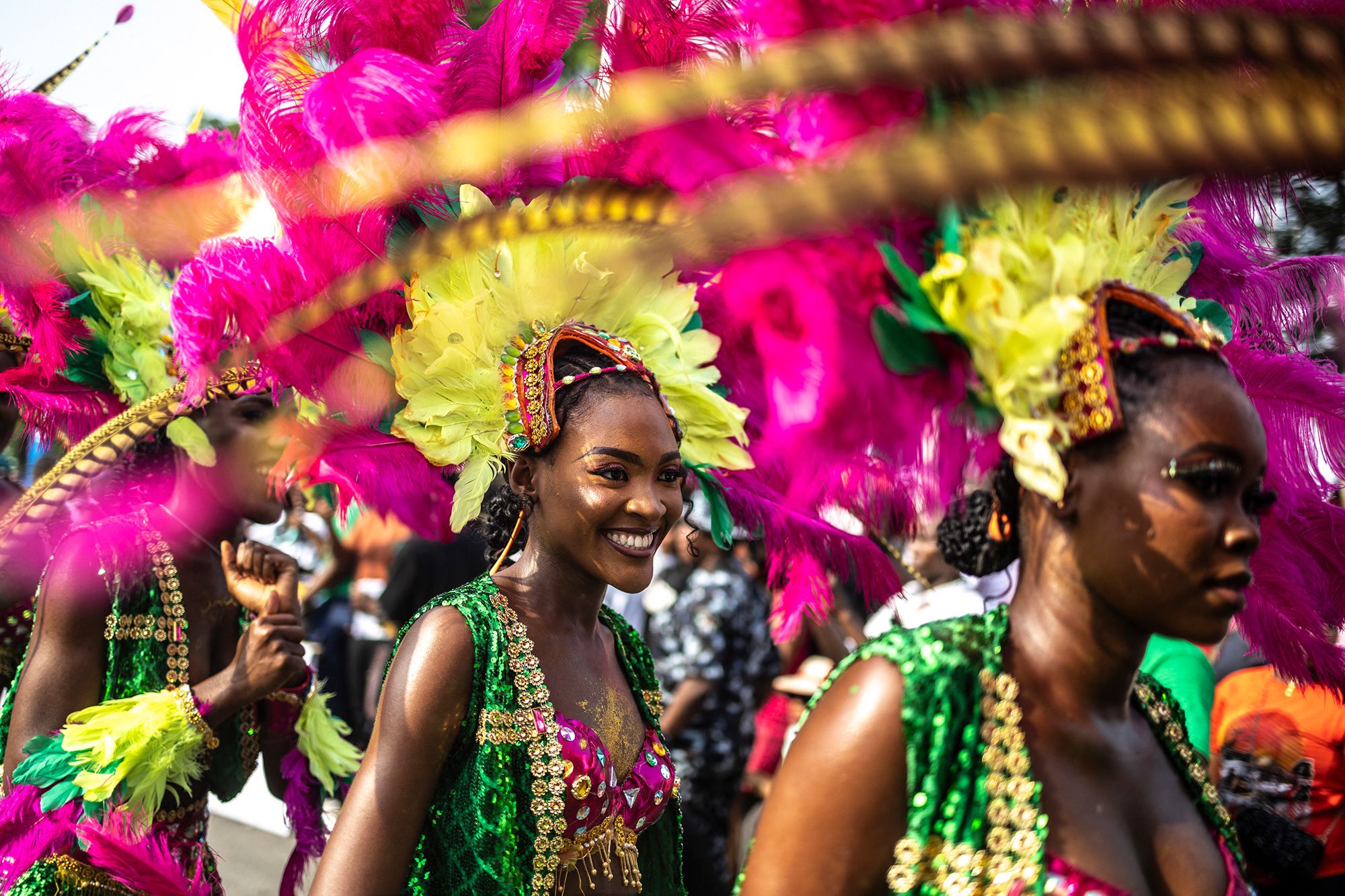
Traditional African wedding attire is not made to be worn standing still, it is designed to move, sweep, and amplify the cultural expression of African cultural dance during wedding celebrations. The wide sleeves of a Yoruba agbada create dramatic arcs of fabric when the groom dances that no camera can fully capture and no words can adequately describe. Learning from experienced African dance instructors means learning how traditional wedding attire and movement were always designed to work as a single cultural expression.
How Wedding Attire Moves With African Dance
- Yoruba agbada — sweeping sleeves create dramatic visual arcs during wedding celebration dances
- Zulu wedding regalia — animal skins and feathers amplify every warrior dance movement
- Maasai bridal beadwork — creates percussive sound and visual rhythm during the Adumu jumping dance
- West African aso-oke — coordinated fabric creates breathtaking visual unity when guests dance together
- Ndebele beaded rings — produce sound and visual rhythm that becomes part of the wedding dance itself
Old Roots, New Runways — African Wedding Fashion Today
How Modern Couples Are Owning Their Heritage
Today’s African couples are approaching traditional wedding attire with a creative pride that previous generations were sometimes denied the freedom to express. Many couples now choose both a traditional African ceremony and a Western one wearing completely different and equally celebrated attire at each. African designers are reimagining traditional fabrics in contemporary silhouettes, creating wedding attire that honours ancestral roots while speaking a modern visual language that resonates globally.
- Dual ceremonies celebrating both traditional African and Western cultural identities
- African designers creating modern silhouettes from traditional Kente, aso-oke, and kitenge fabrics
- Diaspora couples incorporating traditional African wedding attire into ceremonies overseas
- Social media making traditional African wedding attire globally visible and widely celebrated
- Nigerian, Ghanaian, and South African wedding trends influencing bridal fashion worldwide
From Lagos to London — How African Wedding Style Is Going Global
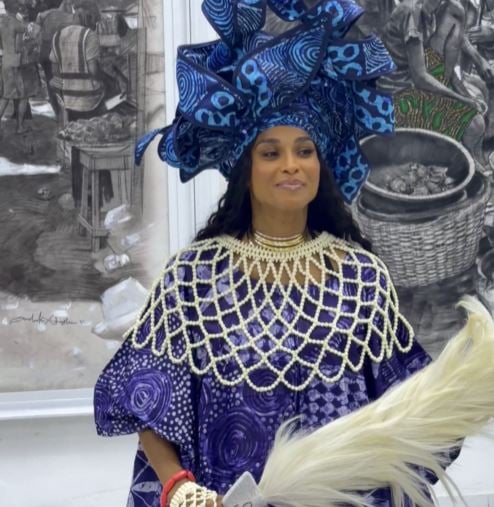
Traditional African wedding attire is now appearing on international bridal runways, in global fashion editorials, and in the wedding albums of couples on every continent who have been inspired by its visual power and cultural depth. This is not African wedding fashion being discovered by the outside world, it is African designers and communities taking their own traditions to the world’s biggest stages on their own terms. The influence of traditional African wedding attire on global bridal fashion is growing every year, and it is only just beginning.
How to Go Deeper into African Wedding Culture
Understanding traditional African wedding attire means understanding the culture it comes from the values, the ceremonies, the music, the dance, and the food that surround every African wedding. ILoveAfrica.com brings all of this to you authentically through African cultural dance classes, multicultural Afro cuisines, and the Afro School of Culture where African wedding traditions are taught with genuine depth.
Start Here
- Join African cultural dance classes and experience how wedding attire moves with African dance
- Learn from African dance instructors who understand attire and movement as one cultural expression
- Explore Afro cuisines and discover how food connects to African wedding ceremony and culture
- Enrol in the Afro School of Culture for structured education on African wedding traditions
- Visit ILoveAfrica.com and begin your journey into traditional African wedding culture today
Frequently Asked Questions
What makes traditional African wedding attire different from Western bridal fashion?
Traditional African wedding attire is a complete cultural language every fabric, color, and bead communicates family identity, ethnic heritage, and spiritual belief. It is not chosen for aesthetics alone, but for what it says to every culturally literate guest in the room.
What do African brides typically wear?
It depends entirely on ethnic background. A Yoruba bride wears aso-oke with coral beads and a gele headwrap. A Zulu bride wears animal skin with coded beadwork. A Maasai bride layers elaborate beaded jewelry. Every tradition is distinct and deeply culturally specific.
What is aso-ebi and why does it matter?
Aso-ebi is the Yoruba tradition of family and friends wearing matching fabrics at a wedding to declare community solidarity. It has spread across West Africa and the diaspora and is one of the most visually powerful practices in African wedding culture.
What colors are most worn at African weddings?
Gold signals royalty and blessing, red represents love and family bonds, white means new beginnings, blue conveys fidelity, and green symbolises fertility. Color meanings are culturally specific and vary across the continent’s ethnic communities.
How does traditional African wedding attire connect to dance?
African wedding attire is built to move flowing sleeves, beadwork, and animal skin all create visual and percussive effects during African cultural dance that amplify the meaning of both the clothing and the movement as one expression.
Where can I learn more about African wedding culture and attire?
The Afro School of Culture on ILoveAfrica.com teaches African wedding traditions, dance, food, and cultural heritage with genuine depth and authenticity.

