
What Is Traditional African Wedding Attire?
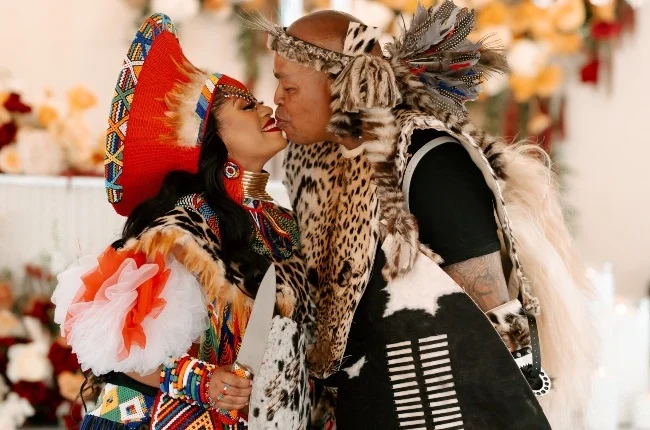
Traditional African wedding attire refers to the garments, fabrics, beadwork and accessories worn by brides, grooms and their communities during African traditional marriage ceremonies. Every color, fabric, and accessory communicates family identity, ethnic heritage, spiritual belief, and social status to everyone present. Across 54 countries and thousands of ethnic communities, no two traditions of traditional African wedding attire are the same making it one of the most diverse and culturally rich bridal traditions on earth.
Why Traditional African Wedding Attire Carries Deep Cultural Meaning
African weddings are a union of two families, two lineages, and two communities not simply two individuals. Traditional African wedding attire reflects this collective dimension, with every garment chosen to communicate something specific to the gathering. The fabrics, colors, and beadwork are deliberate cultural statements refined over centuries of ceremony. A deeper understanding of African cultural dance and dress traditions is available through dedicated cultural learning platforms rooted in the continent’s living heritage.
Traditional African Wedding Attire by Region
West Africa — Aso-Oke, Kente, and Royal Ceremony
West African traditional wedding attire is defined by richly woven fabrics, bold colors, and gold accessories that announce family pride and cultural identity. In Nigeria, Yoruba weddings are built around aso-oke a hand-woven fabric used for the bride’s outfit, the groom’s agbada, and the coordinated aso-ebi worn by the entire family. In Ghana, Akan couples wear Kente cloth in patterns whose philosophical meanings make the fabric itself a wedding speech delivered in color and thread.
East Africa — Beadwork, Kanzu, and Swahili Tradition
East African traditional wedding attire communicates through beadwork with extraordinary precision Maasai brides wear layers of beaded jewelry encoding identity and family blessing in a color language every community member understands. Along the Swahili coast of Kenya and Tanzania, embroidered kanzu robes for men and elaborately wrapped buibui for women reflect a wedding attire tradition shaped by African, Arab, and Indian cultural exchange. The Baganda of Uganda dress brides in the gomesi a floor-length dress tied at the waist with a sash that has become one of East Africa’s most recognisable wedding garments.
Southern Africa — Zulu Skins, Ndebele Beads, and Shweshwe
Southern African traditional wedding attire is among the most ceremonially specific on the continent the garments worn communicate exactly what stage of life has been reached and what the marriage means to the community. Zulu brides wear the isidwaba leather skirt, isicwaya breast covering, and inkehli hat each piece marking the transition into wifehood. Ndebele brides wear the jocolo beaded blanket that grows throughout the marriage, and South African Shweshwe fabric produces wedding dresses of timeless geometric elegance.
North Africa — Silk, Kaba, and Desert Embroidery
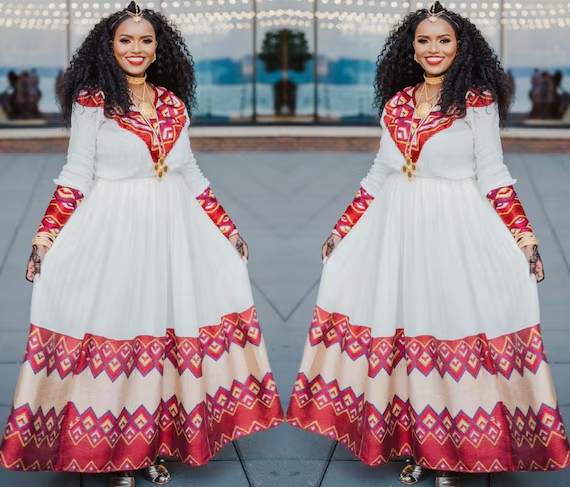
North African traditional wedding attire is among the most intricately crafted bridal dress on the continent, featuring silk embroidered with gold thread in patterns identifying the bride’s regional origin. Moroccan brides change through multiple complete wedding outfits during a single ceremony, each marking a different stage of the ritual. Ethiopian brides wear the Habesha Kemis a white cotton dress hand-embroidered at the neckline and sleeves paired with the Kaba embroidered cape worn by both bride and groom.
The Most Iconic Traditional African Wedding Attire Styles
Kente Cloth — Ghana’s Royal Wedding Fabric
Kente cloth is the most philosophically rich fabric in all traditional African wedding attire hand-woven by Akan artisans with each pattern carrying a specific name, proverb, and cultural meaning. An Akan couple selecting their Kente pattern for their wedding chooses a philosophy to wear into married life, not simply a color scheme. A single Kente cloth can take weeks to produce, making authentic Kente wedding attire one of the most labor-intensive bridal garments in the world.
Aso-Oke — The Yoruba Fabric That Unites a Wedding
Aso-oke is the hand-woven Yoruba fabric forming the backbone of Nigerian traditional wedding attire used for the groom’s agbada, the bride’s iro and buba, and the coordinated aso-ebi worn by every family member. The color chosen for a Yoruba wedding’s aso-oke communicates family status, spiritual significance, and the couple’s vision for their life together. No other fabric in traditional African wedding attire carries the same community-wide cultural weight as a perfectly coordinated Yoruba aso-oke wedding. The significance of such fabrics is explored in depth through the Afro School of Culture.
Agbada — The Groom’s Most Powerful Statement
The Yoruba agbada a sweeping three-piece ceremonial robe worn by the groom is one of the most commanding pieces of traditional African wedding attire in existence. Its voluminous sleeves, embroidered chest panel, and coordinating fila cap fill a room with cultural authority. A well-made agbada is not just a wedding outfit, it is a living declaration of family identity and cultural pride that every guest present can read and appreciate.
Habesha Kemis — Ethiopia’s Sacred Bridal Dress
The Habesha Kemis is a white cotton dress hand-embroidered at the neckline, sleeves, and hem with rich floral and medieval patterns reflecting Ethiopia’s ancient Christian cultural heritage. Worn with gold jewelry and a bridal henna tattoo, the Habesha Kemis creates a bridal look of extraordinary refinement worn at Ethiopian weddings for centuries. The complete Ethiopian wedding attire includes the embroidered Kaba cape worn by both bride and groom a rare tradition of matching wedding attire for both partners.
Traditional African Wedding Attire by Culture
| Culture | Bride’s Attire | Groom’s Attire |
| Yoruba Nigeria | Aso-oke iro and buba, gele headwrap, coral beads | Agbada three-piece robe, fila cap |
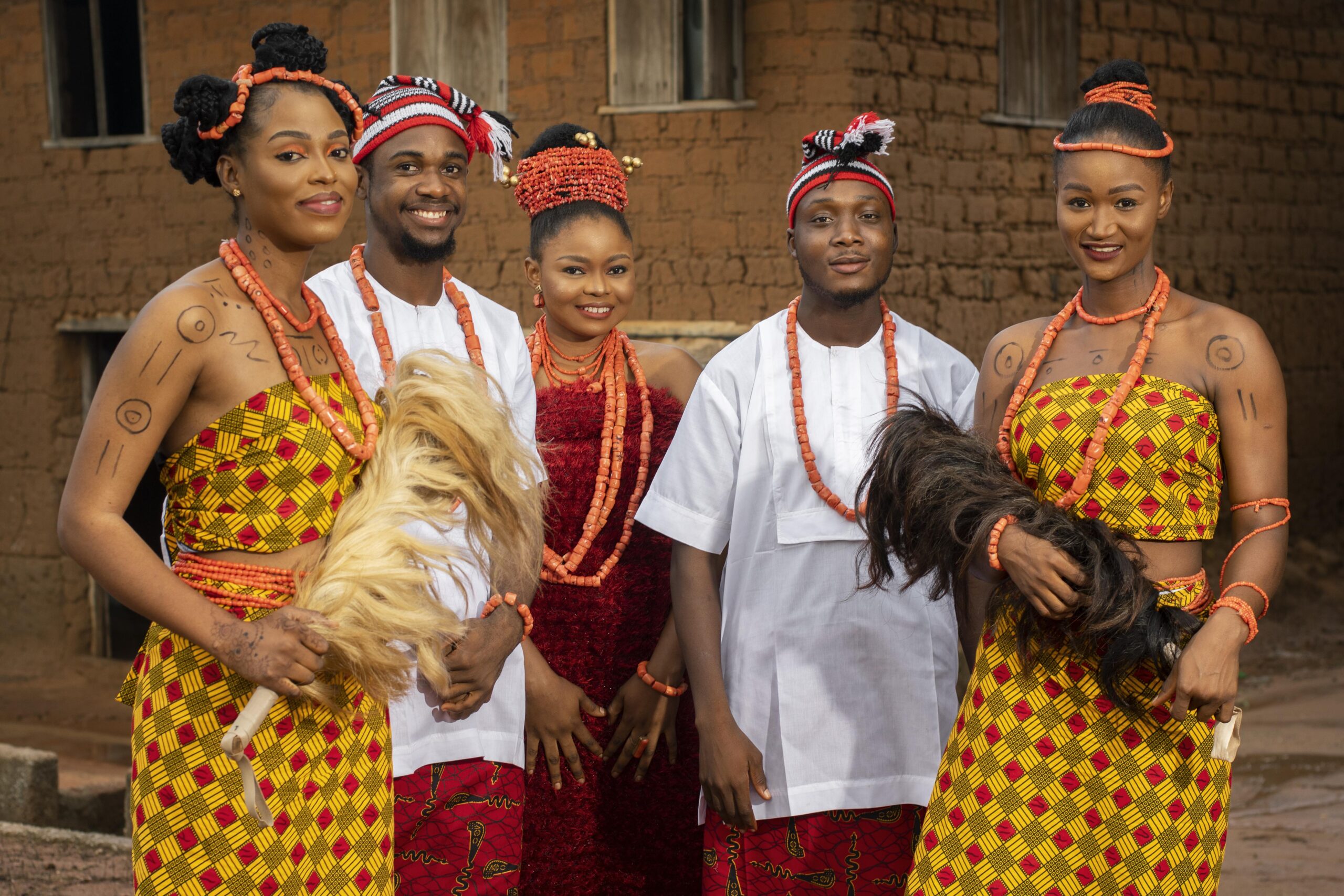
| Igbo Nigeria | George fabric wrapper, coral beads, eagle feather headpiece | Isi-agu top, red cap of honour |
| Akan Ghana | Kente cloth in royal patterns with gold accessories | Kente draped toga-style with gold sandals |
| Zulu South Africa | Isidwaba skirt, inkehli hat, red and white beadwork | Animal skin regalia with feathered headpiece |
| Maasai Kenya/Tanzania | Red shuka, multi-layered beaded collar and arm bands | Red shuka with beaded warrior accessories |
| Ethiopian Amhara | White Habesha Kemis with embroidery and gold jewelry | Habesha Libs with embroidered Kaba cape |
| Hausa-Fulani Nigeria | Embroidered atamfa or lace with headwrap | Flowing babban riga embroidered robe |
| Moroccan | Multiple silk kaftans changed throughout ceremony | White or cream djellaba with embroidery |
What Colors Mean in Traditional African Wedding Attire
Color in traditional African wedding attire is a living language every color choice communicates a specific message to everyone present at the ceremony. Wearing the wrong color combination at an African wedding is not a fashion mistake, it is a cultural communication error that every culturally literate guest will notice. Understanding color meaning is one of the most important steps toward understanding traditional African wedding attire at its deepest level.
Color Meanings in Traditional African Wedding Attire
| Color | Wedding Meaning | Culture |
| Gold | Royalty, wealth, and divine blessing on the union | Akan Ghana, pan-West African |
| White | Purity, new beginnings, and spiritual cleansing | Igbo Nigeria, Ethiopian, East Africa |
| Red | Love, passion, and the blood bond of family unity | Zulu, Maasai, pan-African |
| Blue | Peace, fidelity, and harmony in the new union | Ndebele, Tuareg, Swahili coast |
| Green | Fertility, growth, and new life beginning together | Pan-African, various regions |
| Purple | Feminine power, wealth, and the honour of the bride | Akan Ghana, East Africa |
Traditional African Wedding Attire for the Bride
How African Brides Dress Across the Continent
Traditional African wedding attire for brides reflects the specific ethnic, regional, and family identity of the woman wearing it, no two traditions are the same. Dressing an African bride is a communal ritual involving mothers, aunts, and elder women who each play a specific role in the transformation. By the time fully dressed, an African bride carries her entire cultural identity on her body for the community to witness and celebrate.
Accessories That Complete the African Bridal Look
In traditional African wedding attire, accessories are often more culturally loaded than the garments themselves. Yoruba coral beads communicate family wealth and spiritual protection in a code every guest decodes immediately. Maasai bridal beadwork is assembled in color combinations prepared specifically for the wedding, encoding community identity and the blessing placed on the union a visual language as precise as any written document.
What African Brides Wear at Traditional Weddings
- Yoruba bride — aso-oke iro and buba with coral beads, gele headwrap, and gold accessories
- Igbo bride — George fabric wrapper with coral beads and eagle feather headpiece
- Zulu bride — isidwaba leather skirt, inkehli hat, and red and white coded beadwork
- Maasai bride — red shuka wrap with multi-layered beaded collar and arm bands
- Ethiopian bride — white Habesha Kemis with hand embroidery and bridal henna tattoo
- Moroccan bride — multiple silk kaftans changed throughout ceremony with gold jewelry
- Ndebele bride — beaded jocolo blanket, stacked neck rings, and geometric beaded apron
- Akan bride — royal Kente cloth in patterns chosen for philosophical meaning
Frequently Asked Questions
What do African brides wear at traditional weddings?
African brides wear culturally specific outfits such as aso-oke (Yoruba), Kente (Ghana), Habesha Kemis (Ethiopia), or beadwork attire (Maasai), along with symbolic accessories like beads and headwraps.
What is the meaning of traditional African wedding attire?
It represents family identity, cultural heritage, spiritual beliefs, and social status, with each fabric, color, and accessory carrying a specific message.
What fabrics are used in African traditional weddings?
Common fabrics include Kente cloth, Aso-oke, Shweshwe, George fabric, and embroidered cotton like Habesha Kemis.
Why do African brides change outfits during weddings?
In some cultures, especially Moroccan weddings, brides change outfits multiple times to represent different stages of the ceremony and cultural traditions.
What do colors mean in African wedding attire?
Colors have symbolic meanings gold for wealth, white for purity, red for love and unity, blue for peace, and green for fertility.

