
Uganda’s parliament has ignited a firestorm of controversy after passing legislation that allows civilians to be tried in military courts—just months after the country’s highest court ruled the practice unconstitutional.
The move, passed on Tuesday, flies in the face of a January Supreme Court decision that explicitly declared military tribunals lacked the legal foundation to try civilians and violated fair trial standards. Despite this, lawmakers pushed the bill through, prompting sharp rebukes from opposition leaders and human rights advocates.
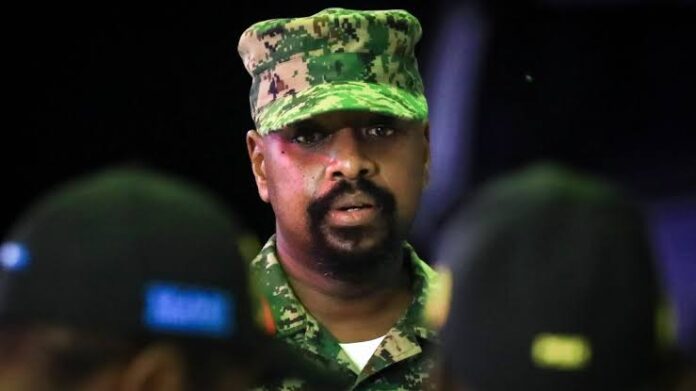
In a post on X (formerly Twitter), General Muhoozi Kainerugaba—commander of the armed forces and son of President Yoweri Museveni—celebrated the passage of the bill, calling the lawmakers “fearless patriots.” “Uganda will remember your courage and commitment,” he wrote.
Critics, however, see a darker agenda at play.
“This is not about justice or national security,” said opposition MP Jonathan Odur during parliamentary debate. “It’s about silencing dissent. There’s no legal basis to try civilians in military courts. This law is shallow, unreasonable, and outright unconstitutional.”
For years, Uganda has used military tribunals to prosecute opposition figures, often under charges related to firearms or national security. In 2018, musician-turned-politician Bobi Wine faced a military trial for allegedly possessing illegal weapons—charges that were eventually dropped, but only after intense local and international pressure.
Also, read: South Africa Offers Tesla Deal as Ramaphosa Tries to Mend Trump Relations
The latest legislation has further heightened fears about shrinking democratic space in Uganda. Earlier this month, General Kainerugaba made headlines when he claimed he was detaining a missing opposition activist in his own basement. The statement followed allegations of abduction made by the activist’s political party.
Still, the government insists this is a matter of national stability. Military spokesperson Chris Magezi said the law aims to “decisively deal with armed violent criminals, deter the formation of militant political groups that seek to subvert democratic processes, and ensure national security is bound on a firm foundational base.”
But human rights groups and opposition leaders argue that using military courts to try civilians erodes civil liberties and opens the door to abuse. They warn it sets a troubling precedent in a country where political persecution has already become commonplace.
“This law isn’t just controversial—it’s dangerous,” said one Kampala-based legal analyst who asked to remain anonymous. “When the highest court says something is unconstitutional and parliament does it anyway, we’re looking at a breakdown of checks and balances.”
For now, Uganda finds itself at a constitutional crossroads—one that could define the relationship between the state and its people for years to come.

