What Is Traditional African Dress?
Traditional African clothing refers to the garments, fabrics, beadwork, and accessories worn by African communities as expressions of identity, status, spirituality, and cultural pride. Unlike fashion in the Western sense, every piece of traditional African dress carries meaning every color communicates something, every fabric tells the story of the community that made it. Across 54 countries and thousands of ethnic groups, traditional African dress is one of the most diverse and culturally powerful forms of human expression on earth.
Why African Dress Has Never Gone Out of Style
Traditional African dress has outlasted empires, colonization, and the relentless pressure of globalization not because it was preserved in a museum but because it was worn, lived in, and passed down by real people who refused to let it die. Today, traditional African dress is experiencing its most powerful global moment yet, with African designers, artists, and everyday people bringing their cultural heritage onto the world’s biggest stages. What you wear in African culture is never just clothing, it is a declaration of survival, pride, and belonging that has been made continuously for thousands of years.
Traditional African Dress by Region
North Africa
North African traditional dress reflects centuries of Berber, Arab, and sub-Saharan cultural exchange, producing garments of striking elegance. The Moroccan djellaba, a long-hooded robe embroidered with geometric patterns, identifies the wearer’s region and social background immediately. Tuareg men of the Sahara are known for their deep indigo robes and face veils, earning them the name “Blue People” one of the most dramatic expressions of traditional African dress on the continent.
West Africa
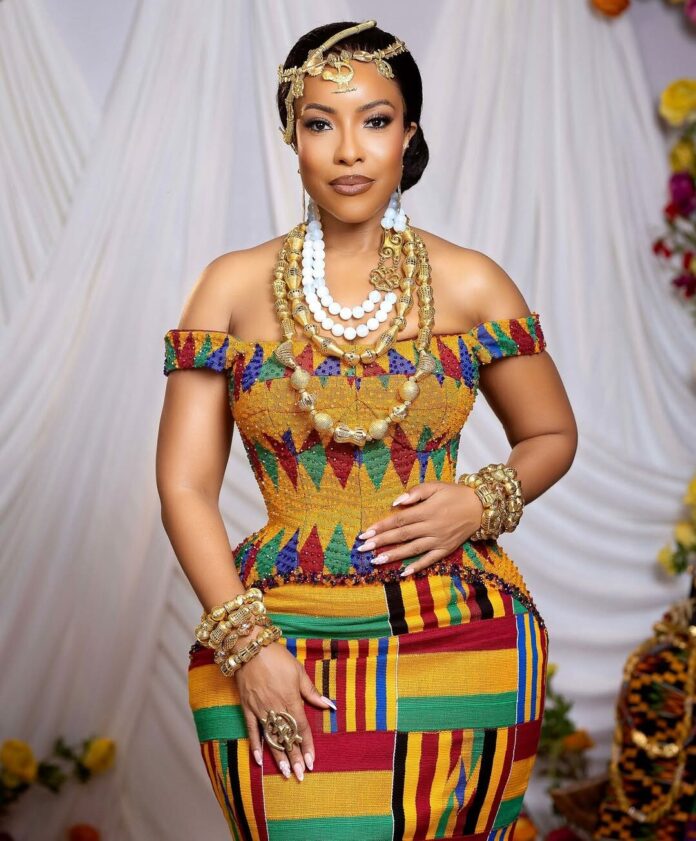
West Africa produces some of the most iconic traditional African dress in the world, from Ghana’s royal Kente cloth to the flowing embroidered boubou robes of Senegal and Mali. The Yoruba agbada, a voluminous three-piece ceremonial robe communicates wealth and social status in a single sweeping gesture that commands immediate respect. West African traditional dress is deeply connected to the region’s African cultural dance traditions, where clothing and movement are always designed to work as one.
East Africa
East African traditional dress is defined by bold beadwork, draped fabrics, and precise color systems that encode social information for those who know how to read them. The Maasai of Kenya and Tanzania layer elaborate beaded jewelry that communicates age, gender, and marital status simultaneously, a complete social profile worn on the body. The Kanzu, a long white robe worn across Uganda, Kenya, and Tanzania, reflects the deep Swahili cultural heritage of East Africa expressed through traditional dress.
Southern Africa
Southern African traditional dress is among the most ceremonially rich on the continent, with garments that transform entirely depending on the ritual being observed. Zulu traditional dress uses animal skins, feathers, and specific beadwork color codes to communicate a wearer’s life stage with precision. Ndebele women of Zimbabwe and South Africa wear stacked beaded rings around their necks and legs a tradition so visually powerful it has influenced designers worldwide while remaining rooted in deep community cultural logic.
The Most Worn Traditional African Dress Styles
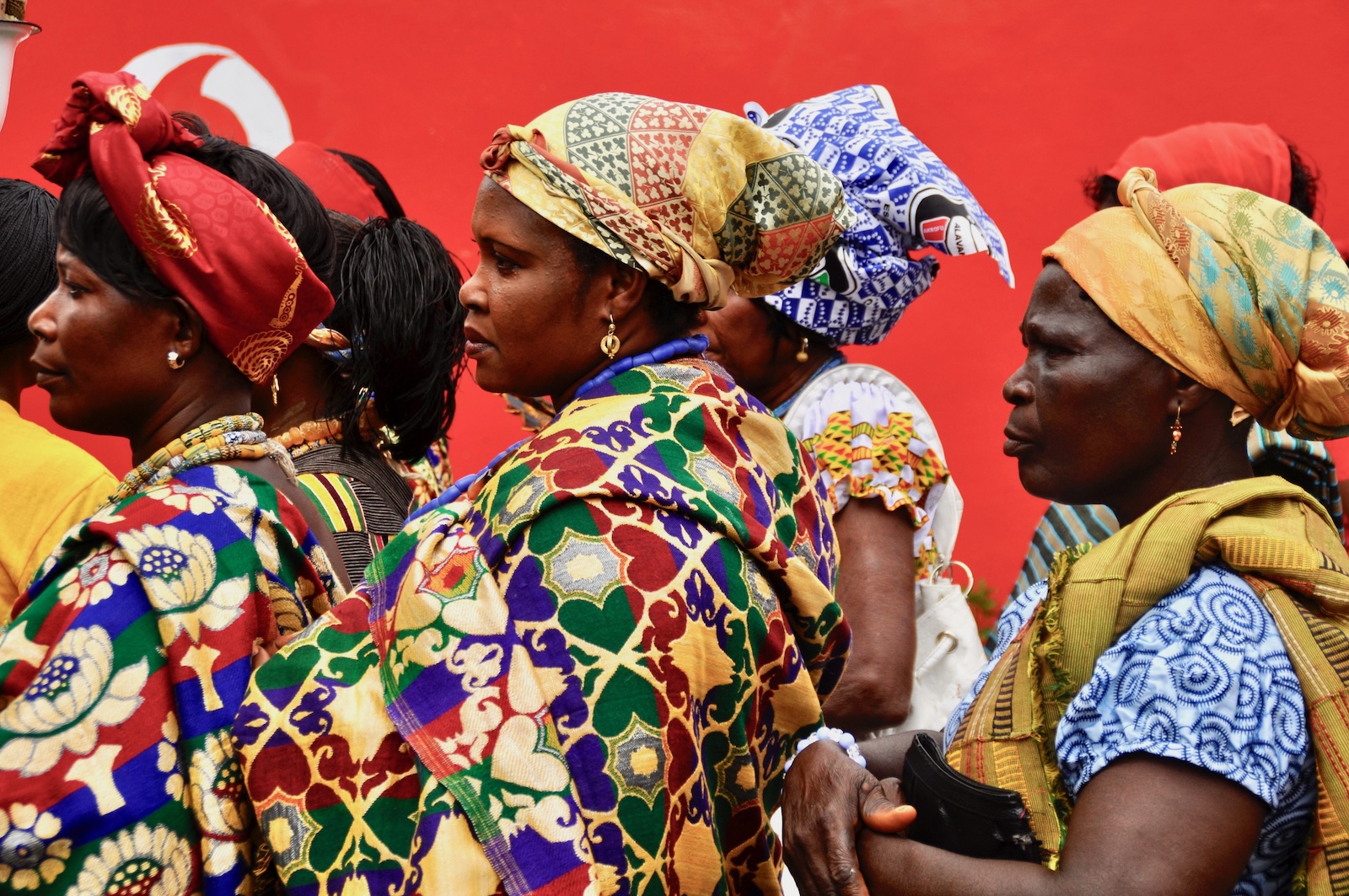
Across the continent, certain traditional African dress styles have become so widely recognized that they now carry meaning far beyond their original communities. Kente cloth from Ghana, originally woven only for Akan royalty, is now worn globally as a symbol of African cultural pride. The dashiki travelled from West Africa to the diaspora and became a symbol of Black cultural identity during the civil rights era. Kitenge, the vibrantly printed cotton fabric of East and Central Africa, is worn from daily market visits to elaborate wedding ceremonies traditional African dress that truly belongs to everyone.
- Kente — royal Ghanaian fabric where every pattern carries a name and a proverb
- Dashiki — West African garment that became a global symbol of African identity
- Kitenge — East and Central African printed fabric worn at every occasion
- Boubou — flowing West African robe worn across Senegal, Mali, and Guinea
- Aso-oke — hand-woven Yoruba fabric reserved for major life ceremonies
- Agbada — elaborate three-piece Yoruba ceremonial robe for men
What Colors Mean in African Dress
Color in traditional African dress is a precise communication system, not a decorative choice. In Akan culture, gold signals royalty and divine connection, black communicates maturity and spiritual depth, and white is worn for purification and mourning occasions. Learning to read color in traditional African dress is one of the first steps toward genuine cultural literacy, a skill taught in depth at the Afro School of Culture.
Color Meanings in Traditional African Dress
| Color | Meaning | Culture / Region |
| Red | Strength, sacrifice, spiritual power | Maasai, Zulu, Pan-African |
| Gold / Yellow | Royalty, wealth, divine status | Akan / Ashanti Ghana |
| White | Purity, mourning, spiritual cleansing | Igbo Nigeria, East Africa |
| Black | Maturity, age, spiritual intensity | Akan Ghana, Pan-African |
| Green | Growth, renewal, connection to land | Pan-African, various regions |
| Blue | Peace, harmony, love | Tuareg North Africa, Maasai |
| Purple | Feminine power, wealth, healing | Akan Ghana, East Africa |
African Dress at Weddings and Ceremonies
Wedding Dress Traditions
At a Yoruba wedding in Nigeria, the choice of aso-oke fabric color for the aso-ebi, the matching outfits worn by family and friends is a carefully negotiated decision that communicates family status and cultural pride to everyone present. An Igbo bride’s George fabric and coral bead jewelry are selected not just for beauty but for the specific messages they send about her family’s lineage. In traditional African dress culture, arriving at a wedding in the wrong color or wrong fabric sends a social message that the wearer may not have intended.
Funeral and Festival Dress Codes
At a Ghanaian Akan funeral, mourners arrive in red and black a specific combination that signals grief and community membership that no other color combination can replace. At the Osun-Osogbo festival in Nigeria, white clothing is required as a mark of spiritual purity and devotion. These dress codes are not arbitrary rules but the visible expression of values that traditional African dress has been communicating for centuries.
Beads and Accessories in African Dress
Beadwork is one of the most sophisticated communication systems within traditional African dress, encoding social identity in wearable form across East, Southern, and West Africa. Among the Maasai, each bead color carries a specific meaning red for bravery, blue for energy, white for purity and combinations create a complete portrait of the wearer’s social identity. Ndebele women of South Africa wear stacked beaded rings that grow throughout their lifetime, making their traditional African dress a physical record of the years they have lived and the stages they have passed through.
- Maasai beaded collars — color combinations encoding age, marital status, and community role
- Ndebele beaded rings — stacked neck and leg rings marking each stage of womanhood
- Zulu love letters — beaded messages with emotions encoded in color combinations
- Yoruba coral beads — worn by royalty and priests as sacred markers of spiritual power
- Tuareg silver amulets — protective jewelry central to North African traditional dress
Men vs Women in Traditional African Dress
Traditional African dress distinguishes between men’s and women’s garments, but the distinction is about communicating different social roles, not simply enforcing modesty. In many West African traditions, men’s ceremonial dress is the more elaborate, the Yoruba agbada with its sweeping embroidered sleeves is a public declaration of social standing. Women’s traditional African dress, meanwhile, communicates family lineage, marital status, and fertility through specific fabric choices and beadwork that carry equally sophisticated cultural meaning.
Men vs Women in Traditional African Dress
| Garment | Gender | Culture | Occasion |
| Agbada | Men | Yoruba Nigeria | Ceremonies, weddings, celebrations |
| George fabric | Women | Igbo Nigeria | Traditional weddings and ceremonies |
| Kente cloth | Both | Akan Ghana | Royalty, graduation, major celebrations |
| Shuka wrap | Both | Maasai Kenya/Tanzania | Every day and ceremonial occasions |
| Djellaba | Both | North Africa | Daily life, prayer, formal occasions |
| Ndebele beaded apron | Women | Ndebele South Africa | Marriage ceremony, rite of passage |
African Dress and Dance
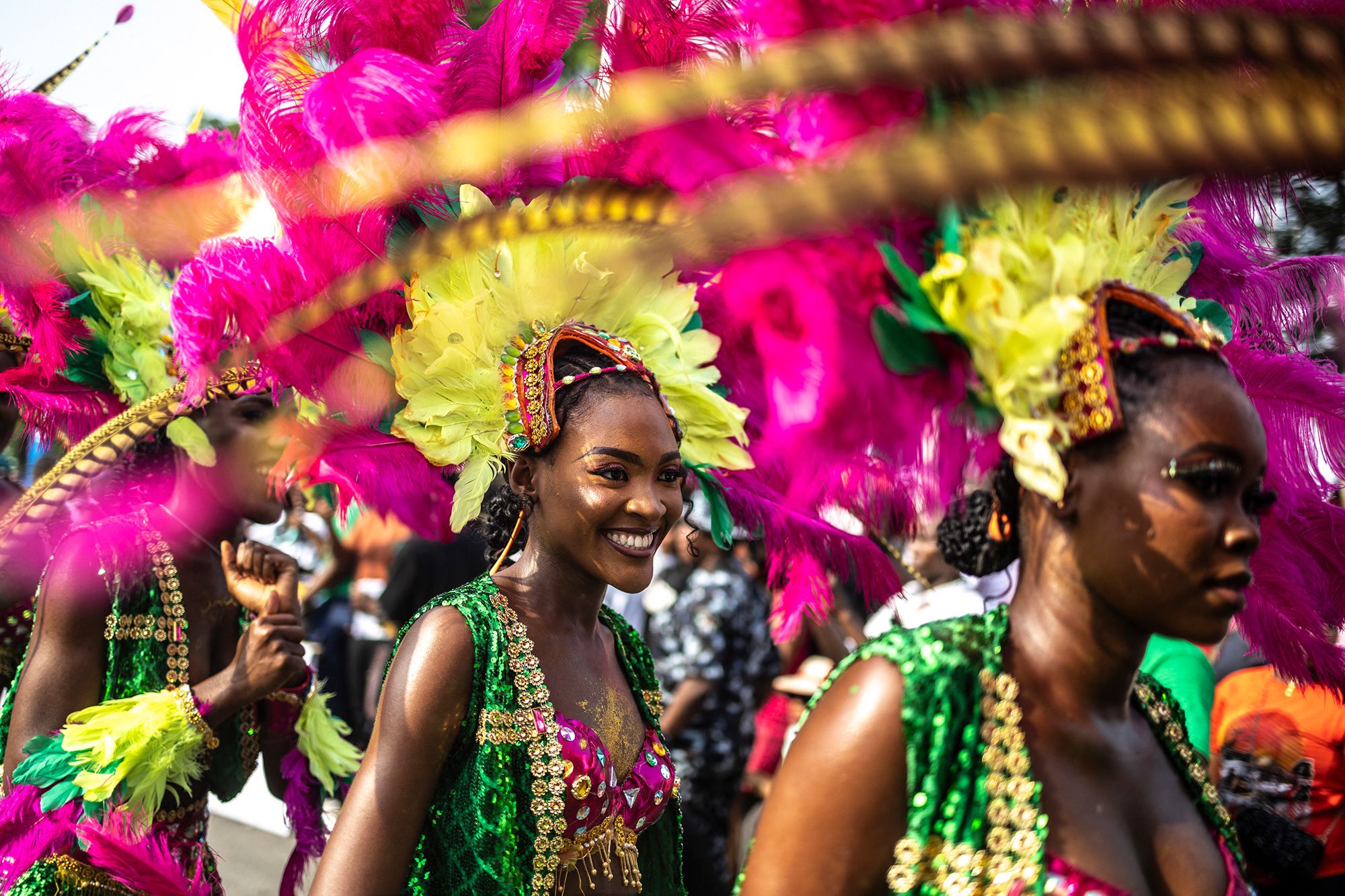
Traditional African dress and African cultural dance are two halves of a single cultural expression, the garment is as much part of the performance as the movement itself. The wide sleeves of a West African boubou create sweeping arcs of fabric during ceremonial dance that amplify every movement into visual poetry. Experienced African dance instructors teach that you cannot truly understand traditional African dance without understanding what the clothing is saying at the same time.
- Zulu Indlamu — animal skin dress transforms into visual power during the war dance
- West African boubou — wide sleeves create dramatic visual movement during festivals
- Maasai Adumu — beadwork and red shuka move together in the jumping dance ceremony
- Ghanaian Kente — flowing fabric creates visual rhythm matching the drumming at festivals
- Ndebele beaded rings — produce percussive sound and visual rhythm during traditional dance
How African Dress Influenced Global Fashion
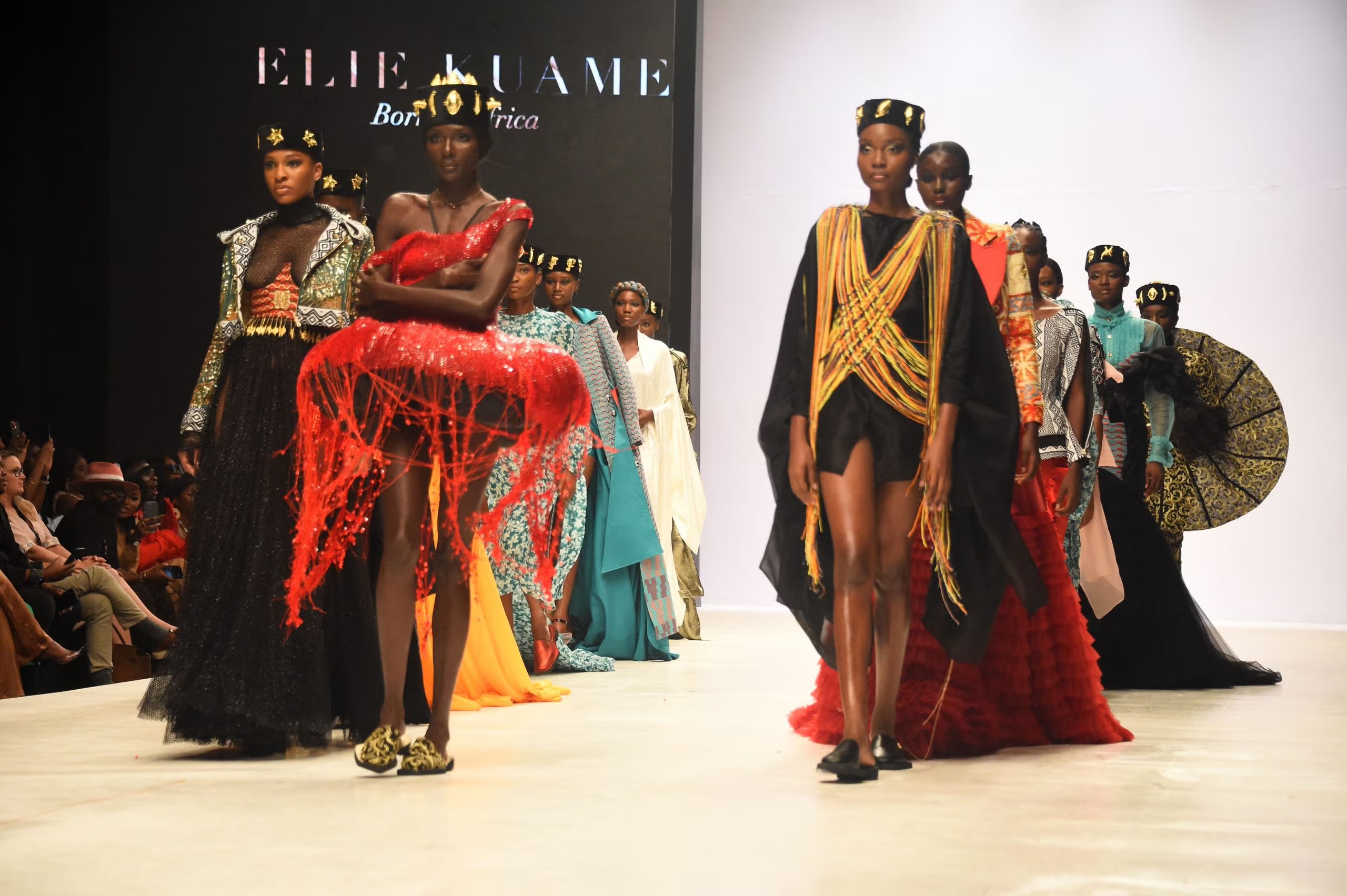
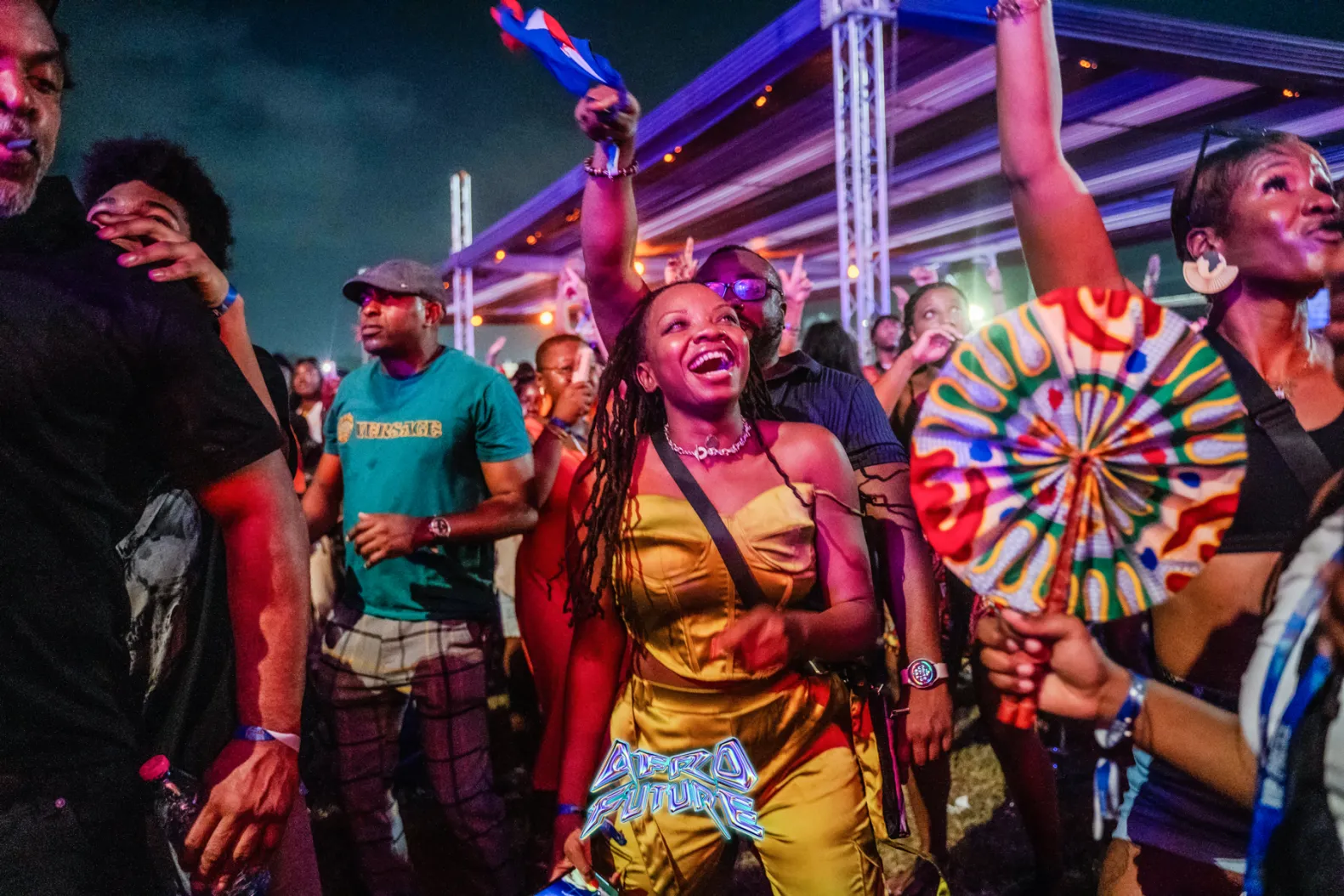
The influence of traditional African dress on global fashion is profound, growing, and no longer one-directional. Yves Saint Laurent’s 1967 African collection drew directly from West African traditional dress aesthetics, and dozens of global designers have incorporated African prints and silhouettes since. More powerfully, African designers themselves like Ozwald Boateng, Duro Olowu, and Kenneth Ize are now taking traditional African dress to the world’s biggest runways on their own terms, not as an influence but as the source.
- Ankara and Kente print now appearing in global streetwear and luxury collections
- African fashion weeks in Lagos, Nairobi, and Johannesburg gaining international recognition
- Beyoncé’s Black Is King bringing traditional African dress to a global visual audience
- African designers showing at Paris, Milan, and New York Fashion Weeks independently
- Global demand for authentic African fabrics driving growth of traditional textile industries
Young Africans Reclaiming Traditional Dress
Across Africa and in diaspora communities worldwide, young people are reclaiming traditional African dress as an act of cultural resistance and identity affirmation. Where previous generations were sometimes pressured to abandon traditional clothing for Western dress, today’s generation is making the opposite choice, wearing Kente to graduation, Ankara to the office, and beadwork to every occasion that matters. This cultural renaissance is exactly what the Afro School of Culture exists to support and celebrate.
Where to Learn About African Dress Today
The best way to understand traditional African dress is to experience it in its living context in motion, at ceremony, through dance, and through the people who wear it every day. ILoveAfrica.com offers exactly that from African cultural dance classes where dress and movement are explored together, to the Afro School of Culture where the meaning behind every garment is taught with depth and seriousness.
- Join African cultural dance classes and see traditional dress come alive in movement
- Learn from African dance instructors who understand how clothing and movement speak together
- Explore Afro cuisines and see how food and dress connect at every African ceremony
- Enrol in the Afro School of Culture for deep education on traditional African dress
- Visit ILoveAfrica.com and begin your journey into traditional African dress today
Frequently Asked Questions
What is traditional African dress?
Traditional African dress refers to the garments, fabrics, beadwork, and accessories worn by African communities as expressions of cultural identity, social status, and spiritual belief a living system of meaning refined over thousands of years across 54 countries and thousands of ethnic groups.
What is the most famous traditional African dress?
Kente cloth from Ghana is arguably the most internationally recognized traditional African dress originally woven only for royalty, with each pattern carrying a specific philosophical name and meaning. Today it is worn globally as a powerful symbol of African cultural pride and identity.
What do colors mean in traditional African dress?
Colors carry precise cultural meanings gold represents royalty, red signals strength and sacrifice, white is used for spiritual and mourning occasions, black communicates maturity, and green represents growth and connection to the land. Meanings vary by community and region across the continent.
How does traditional African dress connect to dance?
Traditional African dress and African cultural dance are inseparable garments are designed to move with the body during ceremony, creating visual meaning that amplifies the message of the dance itself. Clothing and movement together form a single cultural expression.
Is traditional African dress still worn today?
Yes, it is experiencing a powerful revival. Young Africans across the continent and in the diaspora are actively reclaiming traditional African dress, wearing Ankara, Kente, dashiki, and beadwork at ceremonies, graduations, and in everyday life with growing confidence and pride.
Where can I learn more about traditional African dress?
The Afro School of Culture on ILoveAfrica.com offers structured cultural education covering traditional African dress, dance, food, and heritage taught by people who carry these living traditions from the inside.

