
Introduction to African Music Traditions
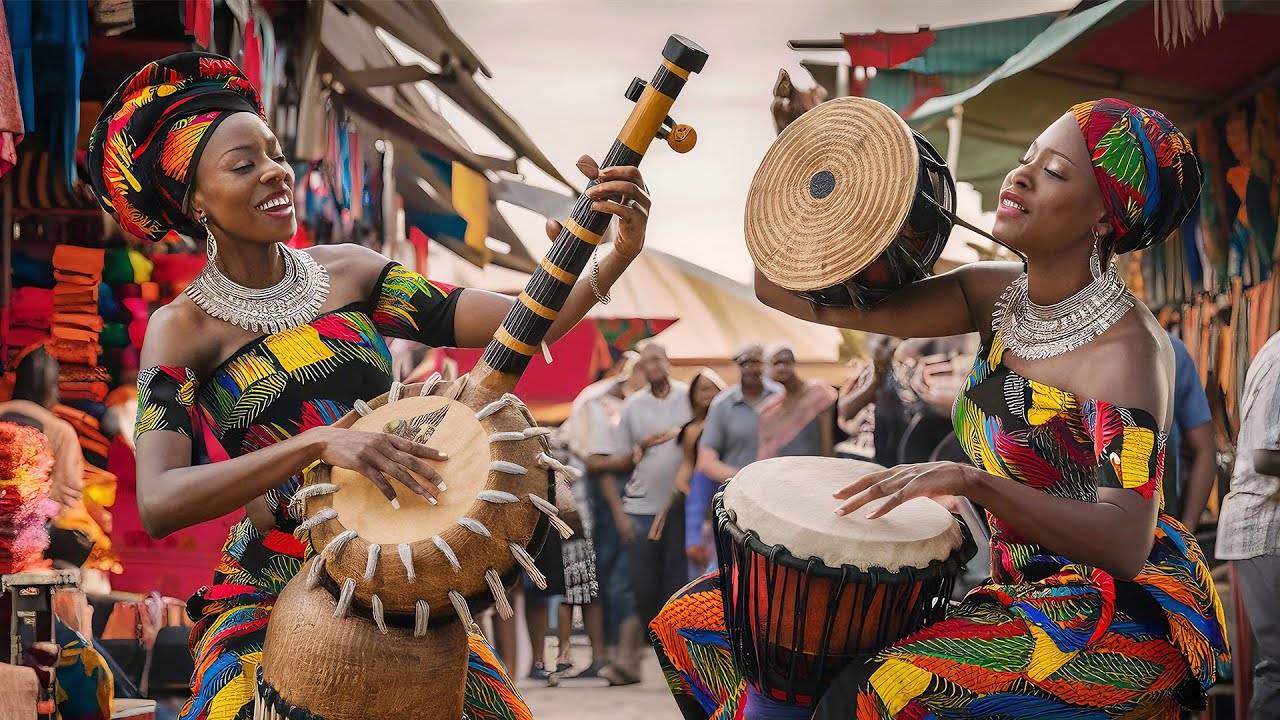
African music traditions are among the oldest and most diverse on the planet. Long before recorded history, music was woven into the daily life, spirituality, and social structure of African communities. It wasn’t background noise, it was communication, ceremony, and identity all at once.
Why Music Is Important in African Culture
In African culture, music is rarely just entertainment. It marks every significant moment of life birth, initiation, marriage, harvest, and death. Communities use music to pass down history, settle disputes, honor ancestors, and celebrate seasons. Understanding African traditions helps explain why music holds such a sacred, inseparable place in everyday African life.
The Diversity of African Musical Traditions
One of the biggest misconceptions about African music is treating it as a single tradition. Africa is home to over 3,000 ethnic groups, each with its own instruments, rhythms, and ceremonial practices. What you hear in West African drumming circles sounds nothing like the vocal harmonies of Southern Africa or the string music of the Sahel. This diversity is exactly what makes African music one of the richest cultural subjects in the world.
The History of African Music Traditions
Ancient Origins of African Music
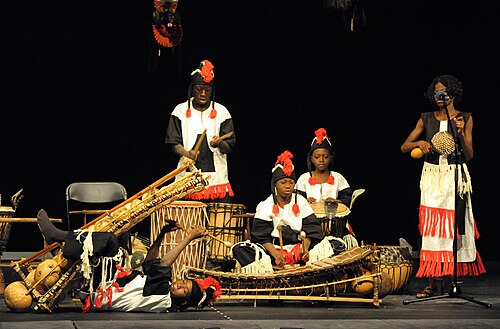
African music traditions stretch back tens of thousands of years. Archaeological evidence from ancient Egypt, sub-Saharan Africa, and the Sahara region shows musical instruments and ceremonial depictions that confirm music’s deep roots in African civilization. Flutes carved from bone and early percussion instruments have been discovered across the continent, pointing to traditions far older than most written histories.
Oral Storytelling and Music
Before writing systems, music was Africa’s library. Griots, the master storytellers and musicians of West Africa, carried entire genealogies, histories, and moral codes inside their songs. The griot tradition, still alive today in countries like Mali, Senegal, and Gambia, demonstrates how music and oral tradition operated as a single system for preserving cultural memory across generations.
Traditional Music Before Colonialism
Before colonial disruption, African musical traditions thrived within complex social systems. Music was tied to royalty, religious practice, warrior culture, and agricultural life. Kingdoms like the Mali Empire, the Ashanti of Ghana, and Great Zimbabwe each had sophisticated musical cultures with specialized musicians serving specific ceremonial roles. These weren’t casual folk performances, they were structured, purposeful cultural institutions.
Evolution Through Generations
African music has always evolved without abandoning its roots. New instruments, trade contacts, and cultural exchanges between communities created rich hybrid traditions long before European contact. The cultures across Africa have historically blended, borrowed, and innovated which is why African music today is both ancient in structure and endlessly creative in expression.
Main Characteristics of Traditional African Music
Polyrhythms and Complex Rhythms
Polyrhythm, the layering of multiple rhythmic patterns simultaneously is one of the defining features of African music. Unlike Western music that typically emphasizes a single steady beat, African rhythms stack patterns on top of each other to create a dense, interlocking sound. A djembe player, a talking drum, and hand claps may each follow a different cycle, but together they produce one unified groove that is deeply mathematical and physically compelling.
Call-and-Response Singing
Call-and-response is so fundamental to African music that it shaped gospel, blues, jazz, and hip hop worldwide. A lead vocalist or instrumentalist offers a phrase, and the community responds. This structure reinforces collective participation; there is no passive audience in traditional African music. Everyone is part of the performance.
Music and Dance Connection
In most African musical traditions, music and dance are inseparable. Movement is not an accompaniment to music; it is part of the music itself. Rhythms are designed with specific dance forms in mind, and dances communicate social meaning, spiritual states, and cultural messages that words alone cannot carry.
Community Participation
Traditional African music is communal by nature. Unlike the Western concert model where performers play and audiences watch, African music traditions invite everyone to participate through singing, clapping, dancing, or percussion. Music is something communities do together, not something done for them.
Improvisation and Repetition
Repetition in African music serves a specific purpose, it builds trance-like states, deepens communal energy, and allows improvisation to emerge organically. Skilled musicians improvise over repeated rhythmic foundations, adding layers of expression within a structure the whole community understands. This combination of repetition and improvisation is one of the most influential musical ideas Africa gave to the world.
Traditional African Musical Instruments
African Drums and Percussion
Percussion is the backbone of most African musical traditions, but the drum family is vast and varied across the continent.
Djembe
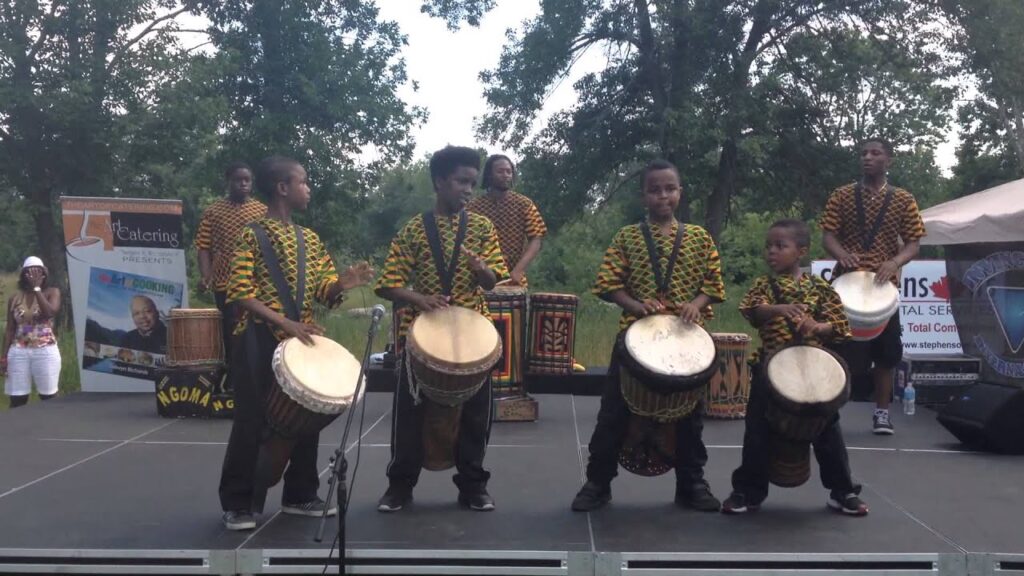
The djembe, originating from West Africa and associated with the Mande people of Mali, Guinea, and neighboring countries, is a goblet-shaped drum capable of producing three distinct tones. Skilled djembe players use these tones bass, tone, and slap to create complex polyrhythmic conversations with other drummers. The djembe is now one of the most recognized African instruments worldwide.
Talking Drum
The talking drum is one of Africa’s most remarkable innovations. By squeezing the cords along the drum’s body while playing, musicians can change the pitch to mimic the tonal patterns of spoken language. In communities across West Africa, talking drums were used to send messages across long distances long before telecommunications existed.
Ngoma Drums
Ngoma drums are central to the music and ceremonial life of East and Central Africa. The word “ngoma” means both “drum” and “music” in many Bantu languages, which alone tells you how central these instruments are to daily cultural life across the Great Lakes region and beyond.
String Instruments
Kora
The kora is a 21-string bridge harp native to West Africa, particularly associated with Mande griots in Mali, Senegal, Guinea, and Gambia. Its sound is hauntingly beautiful somewhere between a harp and a lute and griot masters use it to accompany praise songs, historical narratives, and ceremonial performances. The kora is now gaining global recognition as one of the world’s great acoustic instruments.
Musical Bows
Musical bows are among the oldest string instruments on earth, found across Southern and East Africa. Played by resonating a single string with the mouth acting as a soundbox, they produce delicate overtone melodies. The musical bow traditions of the San people of Southern Africa are considered some of the oldest living musical practices in human history.
Wind Instruments
Flutes
Flutes appear across the entire continent, from the simple reed flutes of pastoral communities in East Africa to the elaborately crafted flutes of West African courts. Flutes are often played in ensemble with drums and vocals, adding melodic texture to rhythmically dense performances.
Horn Instruments
Animal horns and carved wooden horns have been used in African music for ceremonial signaling, royal announcements, and spiritual rituals. The kudu horn of Southern Africa and the ivory horns of Central African kingdoms served both musical and communicative roles in their communities.
Mbira and Thumb Pianos
The mbira also called thumb piano or kalimba is a uniquely African invention consisting of metal or bamboo tines attached to a resonating board. Associated most closely with the Shona people of Zimbabwe, the mbira is used in spiritual ceremonies called bira to call ancestral spirits. Its shimmering, layered sound has made it one of Africa’s most internationally recognized instruments.
Regional African Music Traditions
| Region | Key Traditions | Notable Instruments | Associated Styles |
| West Africa | Griot storytelling, drumming circles | Djembe, Kora, talking drum | Highlife, Afrobeat, juju |
| East Africa | Taarab, ngoma ceremonies | Ngoma drums, oud, flute | Benga, taarab |
| Central Africa | Polyphonic forest music | Bow harp, percussion | Soukous, Congolese rumba |
| Southern Africa | Vocal harmony, mbira ceremonies | Mbira, musical bow, ngoni | Mbaqanga, isicathamiya |
| North Africa | Arab-Berber traditions | Oud, guembri, bendir | Gnawa, Andalusian classical |
West African Music Traditions
West Africa is the continent’s most globally influential musical region. The griot tradition connects music directly to history and social authority. Drumming traditions from Ghana, Nigeria, Mali, and Senegal formed the rhythmic DNA of jazz, blues, and eventually nearly all modern popular music. Styles like highlife from Ghana and juju music from Nigeria grew directly from these deep traditional roots.
East African Music Traditions
East African music blends indigenous percussion traditions with Arabic and Indian influences brought by centuries of Indian Ocean trade. Taarab music from Zanzibar and the Swahili coast is a perfect example, it combines African rhythms, Arabic scales, and Indian melodic elements into something entirely its own. The ancient African lifestyle of coastal East Africa was shaped by these cross-cultural musical exchanges.
Central African Music Traditions
Central Africa, particularly the Congo Basin, is home to some of the world’s most complex polyphonic vocal music. The Aka and Mbuti forest peoples practice interlocking vocal harmonies called “hindewhu” that musicologists consider among the most sophisticated vocal music on earth. Congolese rumba and soukous, now popular across the continent, evolved from these deep rhythmic and melodic traditions.
Southern African Music Traditions
Southern Africa’s musical identity is built around extraordinary vocal harmony traditions. The Zulu isicathamiya style made globally famous by Ladysmith Black Mambazo, layers male voices in tight, swaying harmonies rooted in community ceremony. Mbira music from Zimbabwe connects the living to ancestral spirits and remains a deeply practiced spiritual tradition, not merely a cultural artifact.
North African Musical Heritage
North African music sits at a unique crossroads of Berber, Arab, sub-Saharan African, and Mediterranean influences. The Gnawa people of Morocco practice a form of spiritual music and ritual healing that connects directly to sub-Saharan African ancestry. Andalusian classical music, preserved in cities like Fez and Tlemcen, reflects centuries of Arab-Moorish civilization. The customs and traditions in Africa of North African communities show how music has always served as a carrier of both spiritual and social identity.
African Music in Ceremonies and Rituals
Wedding Ceremonies
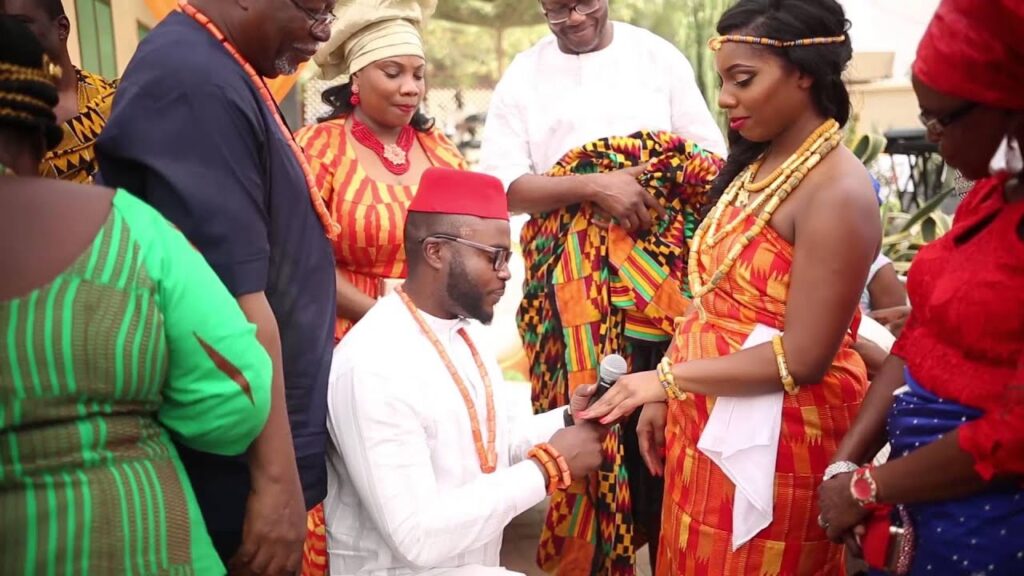
Across Africa, weddings are musical events that can last for days. Music signals different stages of the ceremony the arrival of the bride, the payment of bride price, the blessing of the couple, and the celebration of the new family. In West Africa, griots perform praise songs for both families. In East Africa, women’s singing circles accompany the bride’s preparation with songs specific to that community’s wedding tradition.
Funeral Traditions
Music in African funeral traditions serves a dual purpose, it mourns the deceased and celebrates their transition to the ancestral world. In many cultures, silence at a funeral is more alarming than sound. Drumming, singing, and dancing guide the spirit of the departed and comfort the living. Traditional African customs around death treat music as an essential bridge between the worlds of the living and the ancestors.
Initiation Rituals
Initiation ceremonies marking the transition from childhood to adulthood are among the most musically rich events in African cultural life. Special songs, rhythms, and instruments are reserved exclusively for initiation periods and are not performed at any other time. Music teaches initiates adult responsibilities, community values, and spiritual expectations functioning as an educational curriculum delivered through sound.
Spiritual and Religious Ceremonies
African spiritual traditions are inseparable from music. Whether in the bira ceremonies of Zimbabwe, the bori possession rituals of the Hausa people, or the Gnawa healing ceremonies of Morocco, music is the mechanism through which communities communicate with spiritual forces. Specific rhythms, instruments, and songs are associated with specific spirits, deities, or ancestors, and using them incorrectly is considered spiritually dangerous.
Harvest Celebrations
Agricultural communities across Africa mark the harvest with music that expresses gratitude, reinforces community bonds, and invites spiritual blessing for the next season. These are not solemn affairs harvest music is often the most joyful, energetic, and participatory music of the year, involving entire villages in drumming, singing, and dancing that continues through the night.
The Influence of African Music on Global Genres
Influence on Jazz and Blues
The connection between African music traditions and American jazz and blues is direct and documented. Enslaved Africans carried their musical knowledge polyrhythms, call-and-response, pentatonic scales, and improvisation across the Atlantic. These elements became the structural foundation of blues, which in turn gave birth to jazz. The “blue notes,” the swing rhythm, and the vocal improvisation of jazz all trace back to African musical practice.
African Rhythms in Latin Music
The rhythmic complexity of Latin music Cuban rumba, Brazilian samba, Haitian Compa comes directly from West and Central African traditions transported through the slave trade. The clave rhythm that underlies most Afro-Cuban music is a direct descendant of African rhythmic cycles. Latin music’s global popularity is, at its core, the global popularity of African rhythm.
Afrobeat and Modern Afrobeats
Fela Kuti’s Afrobeat a fusion of traditional Yoruba music, jazz, funk, and political commentary created one of the 20th century’s most original musical forms. Modern Afrobeats, led by artists from Nigeria and Ghana, has taken these foundations global. Today’s African music artists dominate global streaming charts by building on traditions rooted in centuries of West African musical culture.
Influence on Hip Hop and Pop Music
Hip hop’s foundational techniques sampling, rhythmic repetition, call-and-response between rapper and crowd reflect African musical logic. The drum machine patterns that defined early hip hop were unconsciously reconstructing African polyrhythmic structures. Today’s pop music, with its heavy percussion and groove-based production, owes more to African music traditions than most producers would acknowledge.
Preservation of African Music Traditions
Cultural Festivals
Music festivals across Africa play a vital role in keeping traditional music alive. Events like the Festival au Désert in Mali, the Sauti za Busara in Zanzibar, and FESTAC in Nigeria have historically brought traditional musicians into conversation with contemporary audiences and international visitors, ensuring living traditions remain visible and valued.
UNESCO Preservation Efforts
UNESCO has recognized several African musical traditions as Intangible Cultural Heritage requiring protection. The Gelede ceremonies of West Africa, the mbira music of the Shona people, and the polyphonic singing of the Aka people are among the traditions receiving international preservation attention. These designations provide both resources and global recognition for communities working to keep ancient practices alive.
Digital Preservation
Organizations like the Smithsonian Folkways archive and various African university ethnomusicology departments are digitizing field recordings, documenting instrument-making techniques, and creating educational resources to ensure traditional music survives beyond its living practitioners. Digital archives are becoming one of the most important tools for preserving music that was previously only passed down through direct teaching.
Younger Generations and Revival
Across Africa, a new generation of musicians is deliberately returning to traditional roots. Artists in Ghana, Mali, Senegal, and South Africa are fusing traditional instruments and rhythms with contemporary production not as nostalgia, but as a conscious cultural statement. This fusion approach is keeping traditions alive while making them relevant to audiences who grew up on streaming platforms. The culture of Nigeria is a strong example of how traditional musical values continue to shape one of Africa’s most globally influential music industries.
FAQs About African Music Traditions
What are the main characteristics of African music traditions?
The defining characteristics include polyrhythm, call-and-response singing, deep connection between music and dance, communal participation, and the use of music in ceremonies and spiritual rituals. No single feature captures all African music, the diversity across regions is as important as any shared characteristic.
Why is drumming so important in African traditions?
Drums in African culture serve as both musical instruments and communication tools. They mark ceremonies, summon communities, honor ancestors, and in the case of talking drums, transmit actual spoken messages across distances. Drumming is the rhythmic heartbeat of most African ceremonial and social life.
What is a griot and why are they important?
A griot is a West African oral historian, praise singer, and musician who serves as a living library for their community. Griots preserve genealogies, historical events, and cultural wisdom through music and storytelling. The griot tradition has survived for centuries and remains active in Mali, Senegal, Gambia, and Guinea.
How did African music influence global genres?
Through the transatlantic slave trade, African rhythmic and melodic traditions were transplanted into the Americas, directly producing blues, jazz, gospel, and eventually rock and roll. African rhythms also shaped Latin music through Cuban and Brazilian traditions. Today, modern Afrobeats and its global streaming success represents the latest chapter in African music’s worldwide influence.
Which African instruments are most widely recognized globally?
The djembe drum and the mbira (thumb piano) are the most internationally recognized African instruments. The kora has gained significant global appreciation through artists like Toumani Diabaté. The talking drum is perhaps the most culturally unique, as its ability to mimic human speech makes it unlike any instrument from other traditions.
Is traditional African music still practiced today?
Absolutely. Traditional African music is not merely a historical relic, it is actively practiced in ceremonies, festivals, and daily community life across the continent. Many contemporary African artists are consciously incorporating traditional instruments and structures into modern recordings, ensuring these traditions continue to evolve and reach new audiences.
How old are African music traditions?
Archaeological evidence suggests African music traditions are at least 40,000 years old, based on bone flutes and cave paintings depicting musical activities found across the continent. The griot tradition in West Africa is documented for over a thousand years. African music is not just culturally rich; it is among the oldest continuous artistic traditions in human history.
Key Takeaways
- African music traditions are thousands of years old and deeply rooted in ceremony, spirituality, and community life
- Africa’s musical diversity is vast; there is no single “African music” but hundreds of distinct regional traditions
- Polyrhythm and call-and-response are the most influential structural features of African music worldwide
- Griots remain one of the world’s most remarkable living traditions of music and oral history
- African music directly shaped jazz, blues, gospel, Latin music, hip hop, and modern pop
- Traditional instruments like the djembe, kora, talking drum, and mbira each carry deep cultural meaning
- Preservation efforts through festivals, UNESCO recognition, and digital archives are keeping these traditions alive
Explore More African Culture
African music is one thread in a much larger cultural tapestry. If this article sparked your curiosity, there is so much more to discover about the continent’s living heritage from its ceremonial clothing to its storytelling traditions, its spiritual practices to its culinary customs. Africa’s cultural depth rewards every curious reader who looks beyond the surface.
Explore more at ILoveAfrica.com and go deeper into the traditions, histories, and people that make Africa one of the world’s most extraordinary cultural destinations.

