
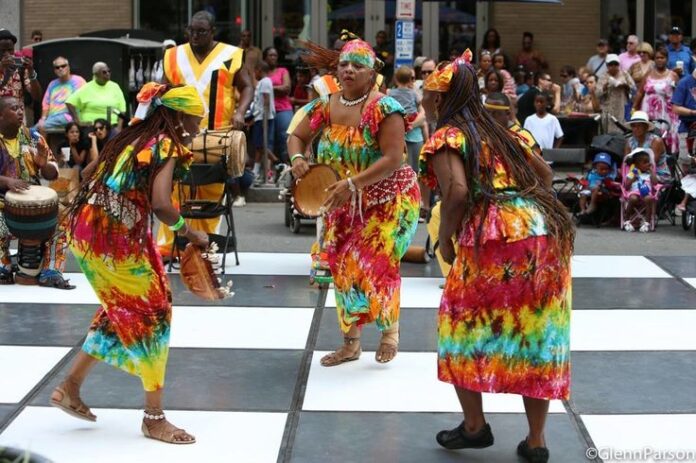
African American Black culture is one of the most creative, resilient, and globally influential cultural traditions in human history. Born from the forced displacement of millions of Africans across the Atlantic and forged through centuries of survival, resistance, and extraordinary creativity, African American culture has shaped music, language, food, fashion, literature, and values far beyond the borders of the United States. Understanding it means understanding one of the most significant cultural stories of the modern world.
What Is African American Culture?
Definition
African American culture is the set of traditions, values, artistic expressions, social practices, and shared identity developed by Black Americans whose ancestry traces primarily to enslaved Africans brought to North America. It is a distinct culture that emerged from the intersection of diverse African traditions, the brutal experience of slavery, the struggle for freedom and equality, and the creative genius of a community that transformed suffering into some of the world’s most celebrated art forms. It is neither identical to African culture nor simply a subset of mainstream American culture, it is its own rich and living tradition.
Why It Matters Today
African American culture is not a historical subject, it is the cultural engine behind enormous portions of contemporary global entertainment, language, fashion, and social thought. Hip-hop is the world’s most consumed music genre. AAVE phrases enter mainstream English with every generation. The civil rights framework developed by Black American activists has influenced liberation movements on every continent. Understanding African American Black culture is essential context for understanding the modern world and the African traditions and diaspora that shaped it.
Historical Origins of African American Culture
African Roots
African American culture begins in Africa specifically in the West and Central African communities from which most enslaved people were taken. Yoruba, Akan, Igbo, Wolof, Mande, and Bantu cultural traditions contributed languages, musical structures, spiritual practices, storytelling traditions, and value systems that survived the Middle Passage in transformed but recognizable forms. The polyrhythmic music structures, the call-and-response patterns, the communal approach to worship, and the oral storytelling tradition that define so much of African American cultural life trace directly to African music traditions and oral storytelling that enslaved Africans refused to abandon.
Slavery and Cultural Survival
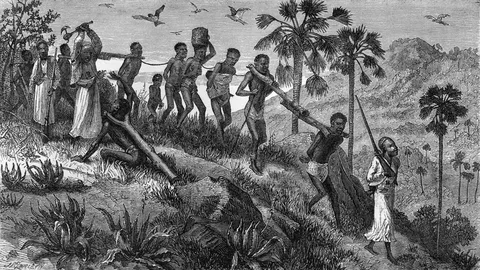
The enslavement of Africans in America was a systematic attempt to erase African identity families were separated, African languages were forbidden, cultural practices were suppressed. What makes African American cultural history so remarkable is what survived despite this erasure. Spirituals encoded secret messages in sacred music. Folktales preserved the Anansi and Hare trickster traditions in new American forms (Br’er Rabbit). Ring shout ceremonies maintained African-derived spiritual practice under the guise of Christian worship. The culture did not merely survive slavery; it found creative ways to flourish within it.
The Great Migration and Civil Rights Movement
After emancipation, African Americans built churches, schools, newspapers, and businesses that became the backbone of Black cultural life. The Great Migration (1910-1970), in which six million Black Americans moved from the rural South to Northern cities, created the conditions for the Harlem Renaissance, Chicago blues, Detroit soul, and ultimately hip-hop. The Civil Rights Movement of the 1950s and 1960s was simultaneously a political struggle and a cultural explosion gospel anthems and freedom songs made political resistance emotionally irresistible. The Black Power Movement that followed connected self-determination to cultural pride, producing the Black Is Beautiful movement, the Black Arts Movement, and a conscious revaluation of Black aesthetics that permanently changed American culture.
Core Values and Cultural Identity
Community, Family, and Faith
Three values run consistently through African American cultural life across generations, regions, and class backgrounds: community, family, and faith. Community in the African American tradition means collective responsibility looking out for neighbors, investing in institutions, and understanding individual success as inseparable from community well-being. Family in African American tradition extends beyond the nuclear unit to encompass extended family networks of aunts, uncles, grandparents, and fictive kin who function as family without biological connection. Faith primarily Protestant Christianity but also Islam, Judaism (particularly among the Ethiopian Jewish community), and increasingly traditional African spiritual practices has been the organizing institution of African American community life since slavery.
Resilience and Empowerment
Cultural resilience is perhaps the defining quality of African American identity, the capacity to absorb extraordinary adversity and respond with creativity, community solidarity, and forward momentum. This is not the resilience of passive endurance but of active transformation taking the raw material of suffering and producing jazz, blues, gospel, soul, and hip-hop. The concept of “Black excellence” that permeates contemporary African American culture the insistence on achieving at the highest level despite systemic barriers is a direct expression of this centuries-old cultural commitment to empowerment through excellence.
African American Traditions and Customs
Oral Storytelling
Oral storytelling is one of African American culture’s most important traditions, connecting directly to the African storytelling traditions that enslaved Africans brought from West and Central Africa. Kitchen table conversations, church testimony, front porch storytelling, and the verbal art of the dozens (competitive verbal dueling) are all expressions of a culture that has always treated spoken language as an art form. The African American preaching tradition which combines Biblical narrative, political commentary, musical rhythm, and theatrical performance in a single form is one of the most sophisticated oral art forms produced anywhere in the world.
Family Gatherings
Family gatherings are central to African American cultural life in ways that connect personal celebration to collective identity. The Sunday dinner after church, the family reunion (often the largest regular gathering in African American family life, drawing relatives from across the country), and the gathering of community around life transitions births, graduations, weddings, funerals all reinforce the extended family network that provides both material support and emotional sustenance. These gatherings are also cultural transmission events where family history is shared, older generations pass knowledge to younger ones, and cultural identity is reinforced through shared food, music, and storytelling.
Religious Traditions
The Black church is not simply a religious institution, it is the central cultural, political, and social institution of African American community life. From the founding of the African Methodist Episcopal Church by Richard Allen in 1794 to the civil rights organizing that happened in Black Baptist and Methodist churches across the South, the church has been the space where African American culture is celebrated, preserved, and transmitted. The musical traditions of the Black church gospel, spirituals, and contemporary praise and worship have shaped virtually every genre of American popular music.
African American Music and Artistic Expression
| Genre | Period | African American Origin | Global Influence |
| Spirituals | 1600s-1800s | Enslaved communities | Foundation of American sacred music |
| Blues | 1870s onward | Mississippi Delta | Foundation of rock, jazz, country |
| Jazz | 1890s-present | New Orleans | Global concert and popular music |
| Gospel | 1920s-present | Black church tradition | Contemporary Christian music worldwide |
| Soul and R&B | 1950s-present | Post-war urban communities | Global pop and dance music |
| Hip-Hop | 1970s-present | South Bronx, New York | World’s most consumed music genre |
Spirituals and Blues
Spirituals were the first great musical creation of African American culture sacred songs created by enslaved people that encoded both genuine Christian faith and coded messages about freedom, resistance, and escape. They represent one of the most creative acts of cultural survival in human history: transforming the oppressor’s religion into a vehicle for the oppressed community’s hope and resistance. The blues that emerged in the Mississippi Delta after emancipation translated that spiritual tradition into a secular form a deeply personal music that processed suffering, longing, and joy in structures that would influence every subsequent American music genre.
Jazz, Gospel, Soul, and R&B
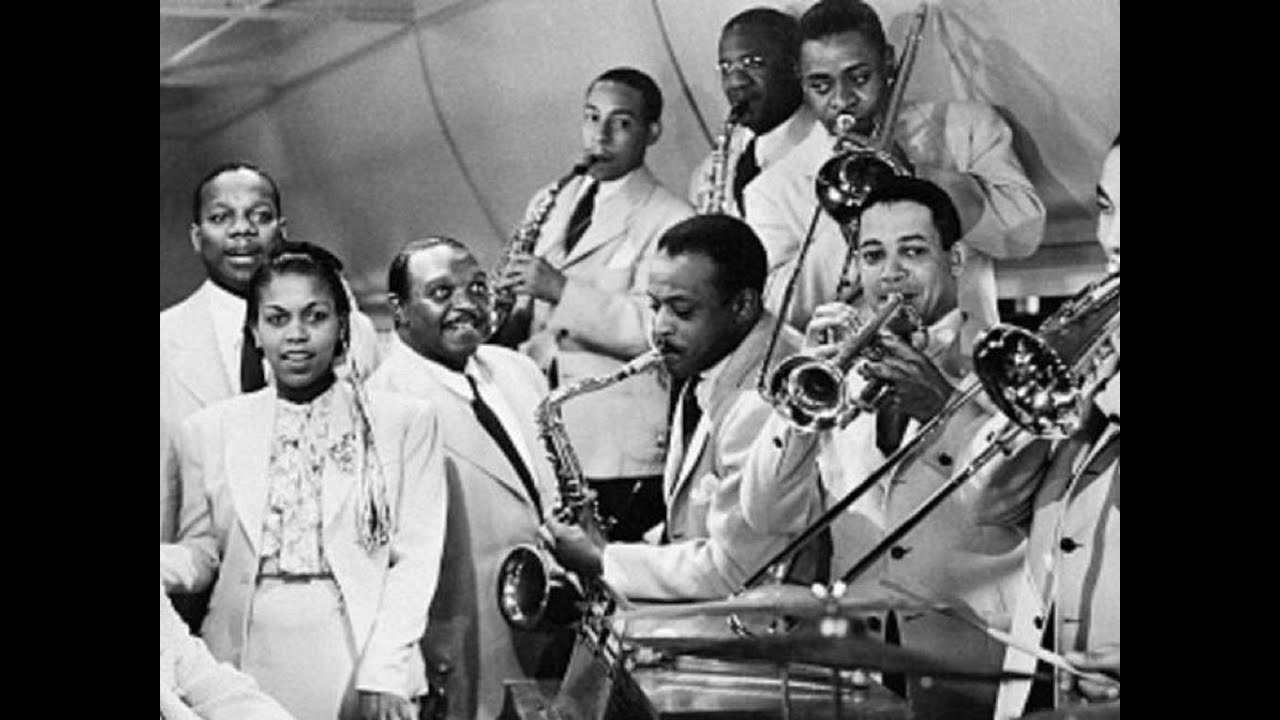
Jazz emerged from New Orleans as a synthesis of African rhythmic traditions, blues harmony, and improvisational spirit Louis Armstrong, Duke Ellington, Miles Davis, and John Coltrane created a music now considered America’s greatest original art form. Gospel transformed the spiritual tradition into full-throated celebration, with Aretha Franklin and Sam Cooke carrying the church’s musical power into secular contexts that changed popular music globally.
Hip-Hop Culture
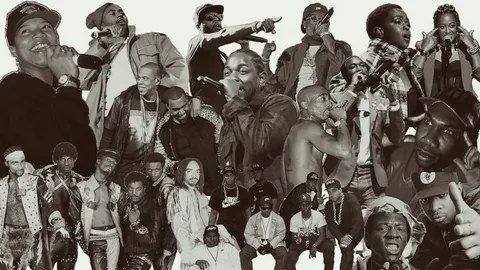
Hip-hop is the defining cultural movement of the late 20th and early 21st centuries, a complete artistic and cultural ecosystem that emerged from the South Bronx in the 1970s encompassing rap, DJing, breakdancing, and graffiti art. It is now the world’s most consumed music genre, with artists from Nigeria, France, the UK, Brazil, Japan, and every continent working in forms that African American creators invented. Hip-hop’s influence extends far beyond music into fashion, language, entrepreneurship, politics, and the visual arts. African music artists today, particularly those working in Afrobeats, acknowledge the direct influence of African American hip-hop on their own creative tradition a creative conversation that reconnects the diaspora to the continent.
Language and Communication
African American Vernacular English (AAVE)
African American Vernacular English is a fully rule-governed linguistic system not “incorrect English” but a dialect with its own consistent grammatical structures, phonological patterns, and expressive vocabulary that linguists have documented and studied extensively. AAVE features grammatical distinctions that Standard American English lacks (the habitual “be” that marks regular repeated action), preserves features from West African languages in its phonology, and has produced a vocabulary that American English has been borrowing for over a century. Every generation of American youth learns linguistic innovations from Black communities before mainstream media notices and adopts them.
Influence on Popular Culture
AAVE’s influence on mainstream American English and global popular culture is so pervasive that most people using terms like “cool,” “hip,” “woke,” “GOAT,” “bussin,” “slay,” or “no cap” are unaware of their African American origins. Black Americans have been America’s most prolific cultural innovators in language for generations, creating new terms and expressions that move from Black communities to mainstream use with every cultural cycle. Social media has accelerated this process dramatically, with Black Twitter and Black TikTok creators generating cultural trends that spread globally within days.
Soul Food and Culinary Traditions
Origins and Significance
Soul food is the culinary tradition that emerged from the cooking of enslaved Africans in the American South a cuisine built from necessity, creativity, and West African culinary traditions that transformed humble ingredients into dishes of extraordinary flavor and cultural significance. Collard greens, black-eyed peas, cornbread, fried chicken, sweet potatoes, and okra many of which are direct imports from West African food traditions became the foundation of a culinary heritage that fed a community through centuries of hardship while creating dishes now celebrated worldwide.
Popular soul food dishes and their significance:
- Collard greens — West African leafy vegetable tradition, cooked with smoked meat for depth
- Black-eyed peas — West African staple, traditionally eaten on New Year’s Day for good luck
- Cornbread — Indigenous American grain adapted through African American cooking traditions
- Fried chicken — technique combining West African seasoning traditions with Southern cooking
- Sweet potato pie — a distinctly African American dessert tradition, separate from pumpkin pie
- Gumbo — direct Creole synthesis of West African, Native American, and French culinary traditions
Modern Interpretations
Contemporary African American chefs and food writers are reclaiming soul food’s history and expanding its definition connecting its ingredients and techniques explicitly back to West African culinary traditions while also modernizing and elevating the cuisine in restaurant contexts. Chef Marcus Samuelsson, food historian Michael Twitty, and a generation of young Black chefs are reframing soul food not as a humble working-class kitchen tradition but as a sophisticated diaspora cuisine with deep historical roots deserving the same culinary prestige as French or Japanese food.
Important Celebrations and Holidays
| Holiday | Date | Significance |
| Juneteenth | June 19 | Commemorates the end of slavery in Texas (1865); now a federal holiday |
| Black History Month | February | Month-long celebration of African American history and achievements |
| Kwanzaa | December 26 to January 1 | Pan-African cultural celebration of seven core values |
| MLK Day | Third Monday in January | Federal holiday honoring Dr. Martin Luther King Jr. |
Juneteenth
Juneteenth June 19, 1865 marks the day that enslaved people in Galveston, Texas learned of their emancipation, more than two months after the end of the Civil War. It is the oldest celebration of emancipation in American history, observed in African American communities for over 150 years before becoming a federal holiday in 2021. Juneteenth celebrations include community gatherings, red food and drinks (a tradition with West African roots connecting red to joy and celebration), music, and reflection on both the progress made and the work remaining.
Kwanzaa
Kwanzaa was created in 1966 by Maulana Karenga as a Pan-African cultural celebration drawing explicitly on African traditions and values. Observed from December 26 to January 1, it centers on seven core principles called the Nguzo Saba: unity (Umoja), self-determination (Kujichagulia), collective work and responsibility (Ujima), cooperative economics (Ujamaa), purpose (Nia), creativity (Kuumba), and faith (Imani). Kwanzaa represents a conscious effort to connect African American identity to its African roots using Swahili terminology, African symbols, and communal ceremony to strengthen cultural pride and community bonds.
Fashion, Beauty and Self-Expression
The Black Is Beautiful movement of the 1960s and 1970s was a direct cultural revolution rejecting white beauty standards and asserting that African American physical features, particularly darker skin and natural hair, were beautiful rather than problems requiring correction. The natural hair movement of the 2010s and 2020s extended this revolution, with millions of Black women reclaiming natural textures that relaxers had historically straightened. This is not merely a beauty trend; it is a cultural and political act of self-affirmation.
African American fashion has driven mainstream American style for decades through hip-hop’s influence on streetwear sneaker culture, oversized silhouettes, and brand identity transformed into art. The recent emergence of African fashion aesthetics into African American style, with Ankara prints, Kente cloth, and African-inspired jewelry appearing in everyday dress, reflects a cultural reconnection to the continent that personal fashion choices now express organically.
African American Literature and Intellectual Contributions
Harlem Renaissance
The Harlem Renaissance of the 1920s and 1930s was one of the most extraordinary cultural explosions in American history a decade in which Black writers, poets, artists, musicians, and intellectuals transformed Harlem into the center of African American cultural life and produced work of permanent significance. Langston Hughes gave American poetry a new voice. Zora Neale Hurston documented African American Southern folklore with scholarly rigor and literary brilliance. Countee Cullen, Claude McKay, and Jean Toomer expanded the boundaries of American literature. The Harlem Renaissance established that African American intellectual and artistic life was not marginal to American culture but central to it.
Influential Authors and Contemporary Voices
The Harlem Renaissance established a literary tradition that produced some of America’s greatest writers. James Baldwin’s essays on race remain the most sophisticated analysis of American racial dynamics ever written. Toni Morrison, the first African American woman to win the Nobel Prize in Literature, explored the psychological dimensions of slavery with no equal in American fiction. Contemporary voices including Ta-Nehisi Coates, Colson Whitehead, and Jesmyn Ward continue a tradition of literary excellence that shows no sign of diminishing.
Modern African American Culture in the Digital Age
Social media has given African American creators unprecedented reach Black Twitter, Black TikTok, and Black Instagram generate cultural trends that move to mainstream adoption in days rather than years. Black creators and entrepreneurs are building businesses and platforms on digital infrastructure unavailable to previous generations. HBCUs have experienced a major revival as younger generations recognize their significance as institutions nurturing Black excellence in ways predominantly white universities historically have not.
Key digital era milestones:
- Black Twitter as America’s most influential online cultural commentary space
- Black TikTok creators generating dance trends that become global phenomena within days
- HBCUs seeing record applications from academically talented Black students
- African American entrepreneurs building billion-dollar companies in beauty, entertainment, and tech
- Afrofuturism connecting African American creative culture to Pan-African identity globally
Common Misconceptions About Black Culture
African American culture is frequently misunderstood through two complementary errors oversimplification that reduces it to a few stereotypes, and external appropriation that lifts cultural products without understanding their context. The most important thing to understand about African American culture is its internal diversity: there is no single Black experience, no single Black aesthetic, no single Black political position. African American culture encompasses enormous class, regional, generational, religious, and political diversity within a shared historical experience and cultural heritage. Acknowledging this diversity is the first step toward genuine cultural understanding.
The Future of African American Culture
African American culture in 2026 is simultaneously more globally influential than it has ever been and more explicitly connected to its African roots than at any previous moment. Afrobeats has created a musical conversation between the African continent and the diaspora. African fashion aesthetics are entering African American daily dress. Pan-African identity frameworks are gaining traction among younger generations who see their cultural heritage as connected across the Atlantic rather than divided by it. The future of African American culture is not only American, but also global and increasingly reconnected to the continent from which it began.
Frequently Asked Questions
What is African American culture?
African American culture is the distinctive set of traditions, values, artistic expressions, and shared identity developed by Black Americans whose ancestry traces primarily to enslaved Africans. It emerged from the intersection of diverse West and Central African cultural traditions with the American experience of slavery, emancipation, migration, and the ongoing struggle for equality. It is distinct from both African culture and mainstream American culture while deeply influencing both.
How is African American culture different from African culture?
African American culture emerged specifically from the experience of displacement, slavery, and survival in North America. While it retains deep African roots in musical structure, storytelling traditions, communal values, and spiritual practices, it developed its own distinct forms over 400 years in the American context. African culture refers to the enormously diverse traditions of the African continent itself. The relationship between them is one of ancestral connection and diaspora transformation rather than identity.
What role does music play in African American culture?
Music is arguably the most central expression of African American cultural identity. From spirituals that encoded resistance during slavery to jazz that defined American musical modernity, from gospel that powered the civil rights movement to hip-hop that dominates global entertainment, music has been the primary vehicle through which African American communities have expressed joy, processed grief, communicated values, and asserted their humanity. Every major American music genre has African American roots.
What is Juneteenth and why does it matter?
Juneteenth marks June 19, 1865; the day enslaved people in Galveston, Texas received word of their emancipation. It is the oldest African American emancipation celebration, observed in Black communities for over 150 years before becoming a federal holiday in 2021. It matters because it commemorates not just the end of legal slavery but the beginning of African American freedom a freedom that came with ongoing struggles for true equality that continue today.
How has African American culture influenced the world?
Hip-hop is the world’s most consumed music genre. AAVE has shaped American English and global youth culture. The civil rights framework inspired liberation movements on every continent. African American athletes, writers, and artists achieved global cultural influence that transcends their American context. In the digital age, Black American cultural creators generate trends that move worldwide within days.
Explore More African Heritage and Culture
African American Black culture is the most globally visible expression of the African diaspora a living demonstration of what African cultural traditions can become when they travel across oceans, survive extraordinary adversity, and are transformed by creative genius into something new and enduring. The roots of this culture reach back to the continent itself.
Explore more at ILoveAfrica.com to discover the African traditions, histories, and living cultures that gave rise to one of the world’s most extraordinary cultural stories.

