What Are the Cultures of Africa?
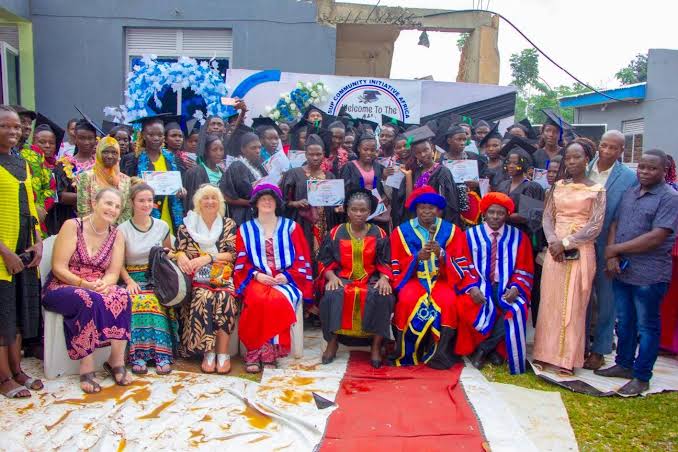
The cultures from Africa are the thousands of distinct ethnic traditions, belief systems, languages, and ways of life that have developed across the African continent over thousands of years. Africa is not one culture, it is a vast, living collection of civilizations, each with its own identity, philosophy, and creative expression. Understanding the cultures from Africa means understanding the most diverse and ancient collection of human traditions anywhere on earth.
How Many Cultures Exist in Africa?
Africa is home to over 3,000 distinct ethnic groups spread across 54 countries, making it the most culturally diverse continent on the planet. No two cultures from Africa are exactly alike, even neighboring communities separated by a single river can have entirely different languages, ceremonies, and spiritual beliefs. This extraordinary diversity is a testament to the creativity of human beings when they develop in deep connection with their land and their ancestors.
- Over 3,000 distinct ethnic groups across the African continent
- 54 countries, each containing multiple distinct cultures from Africa
- More than 2,000 languages spoken, each tied to a specific culture
- Every region carries its own unique traditions, ceremonies, and beliefs
- No two cultures from Africa share an identical set of practices or values
Major Cultures from Africa You Should Know
Yoruba Culture — Southwest Nigeria’s Spiritual and Artistic Heart
The Yoruba people of southwest Nigeria are the creators of one of the most sophisticated cultural systems in all of Africa, with a rich tradition of art, philosophy, music, and the Ifa divination system recognized by UNESCO. Yoruba culture has spread far beyond Nigeria through the transatlantic slave trade, it took root in Brazil, Cuba, and Haiti as Candomblé, Santeria, and Vodou. Today, Yoruba culture continues to shape Nigerian identity, global music through Afrobeats, and spiritual practice across three continents.
Zulu Culture — Southern Africa’s Warrior and Ceremonial Tradition
The Zulu people of South Africa built one of the most powerful kingdoms in African history, with a culture defined by military discipline, elaborate ceremony, and deep reverence for ancestral connection. Zulu traditional dress animal skins, feathers, and precisely coded beadwork communicate social identity at every ceremony from initiation to marriage. The Zulu Indlamu war dance, performed in full traditional regalia, remains one of the most dramatic expressions of any of the cultures from Africa.
Maasai Culture — East Africa’s Most Recognizable Living Culture
The Maasai of Kenya and Tanzania are among the most internationally recognized of all the cultures from Africa, known for their distinctive red shukas, elaborate beadwork, and the Adumu jumping dance performed by young warriors. Maasai culture is built around cattle livestock is not just wealth but a spiritual and social currency that defines relationships, ceremonies, and identity. Despite intense pressure from modernization, the Maasai have maintained their cultural practices with remarkable tenacity.
Akan Culture — Ghana’s Royal and Philosophical Tradition
The Akan people of Ghana are the creators of Kente cloth one of the most intellectually rich fabrics in all the cultures from Africa, where every pattern carries a philosophical name and meaning. Akan culture is matrilineal, meaning lineage and inheritance pass through the mother’s line, giving women a unique and powerful social position. The Akan Adinkra symbol system encodes an entire philosophical worldview in visual form, making it one of the most visually communicative of all the cultures from Africa.
Amhara Culture — Ethiopia’s Ancient Christian Highland Tradition
The Amhara people of the Ethiopian highlands are custodians of one of the oldest Christian civilizations on earth, with a written script Ge’ez that dates back over 2,000 years and is still used in religious ceremony today. Amhara culture is defined by its ancient Orthodox Christian traditions, elaborate religious festivals like Timkat and Meskel, and a cuisine built around injera flatbread that is one of the most distinctive of all the cultures from Africa. Ethiopia’s cultural heritage is so ancient and well-preserved that it stands as one of the most important cultural treasures on the entire continent.
The Role of Family in Cultures from Africa
Why Family Is the Foundation of Every African Culture
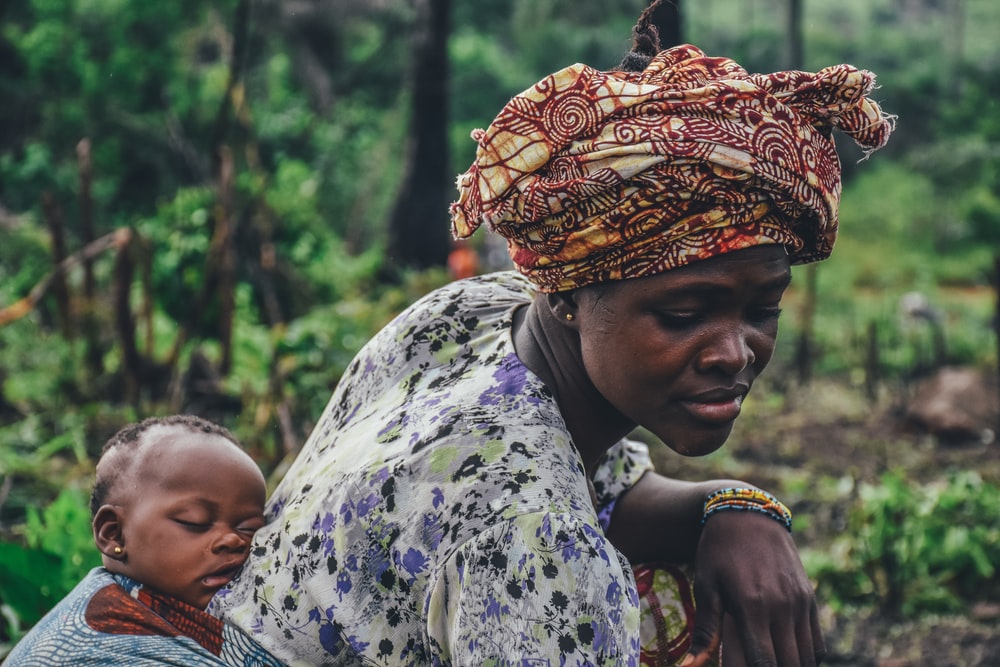
Across all the diverse cultures of Africa, one value remains constant: the centrality of family. In African cultures, family extends to grandparents, aunts, uncles, cousins, and community elders, all of whom carry specific roles and responsibilities within the group. This extended family structure has allowed cultures from Africa to survive hardship, colonization, and displacement without losing their core identity.
- Ubuntu philosophy “I am because we are” shared across Southern African cultures
- Extended family as social safety net across all cultures from Africa
- Elders respected as keepers of cultural knowledge and community history
- Children raised collectively by the entire community, not just parents
- Family decisions made through consensus rather than individual authority
Food Traditions Across Cultures from Africa
How Every African Culture Eats Differently
Food in the cultures from Africa is never simply sustenance, it is ceremony, community, and spiritual practice all at once. Every culture of Africa has developed a distinctive cuisine shaped by its land, its history, and its values. Explore the full depth of multicultural Afro cuisines and discover how food connects the cultures from Africa to their deepest traditions.
Food Traditions Across Cultures From Africa
| Culture | Signature Dish | Cultural Meaning |
| Yoruba Nigeria | Egusi Soup | Ceremonial gatherings and ancestral offerings |
| Amhara Ethiopia | Injera + Wat | Communal sharing eating from one plate |
| Maasai Kenya | Milk and blood mixture | Warrior strength ritual and rite of passage |
| Moroccan North Africa | Tagine | Hospitality tradition and family gathering |
| Zulu South Africa | Umngqusho | Celebration dish served at major ceremonies |
| Akan Ghana | Fufu and light soup | Shared family meal, respect for elders |
Music and Rhythm in African Cultures
How Different African Cultures Use Music Differently
Music in the cultures from Africa serves a different purpose in every community, it is prayer, history, medicine, and celebration depending on the context. The Yoruba talking drum encodes spoken language in rhythm, allowing messages to be sent across distances without words. The Maasai use only the human voice in their ceremonies, creating a choral tradition of extraordinary power that stands apart from every other musical culture on the continent.
- Yoruba talking drum — encodes spoken Yoruba language in rhythmic patterns
- Maasai throat singing — ceremonial vocal chanting with no instruments used
- Griot tradition — West African cultures preserve history through song
- Ethiopian sacred music — ancient hymns sung in Ge’ez script churches for 2,000 years
- Zulu isicathamiya — the choral tradition that gave the world Ladysmith Black Mambazo
Dance Traditions Across Cultures from Africa
Why Every African Culture Dances for a Different Reason
Dance in the cultures from Africa is never a single thing, it is war preparation, spiritual ceremony, community celebration, and rite of passage depending on which culture you are witnessing. The Zulu Indlamu is a warrior dance performed in full traditional dress as a declaration of strength and cultural pride. Discover the living tradition of African cultural dance and the stories each style carries.
- Zulu Indlamu — warrior identity and cultural pride in South Africa
- Maasai Adumu — jumping dance marking the transition to warrior manhood
- Ghanaian Kpanlogo — community celebration dance of the Ga people
- Ethiopian Eskista — rolling shoulders and chest dance of spiritual expression
- West African Sabar — Wolof culture drum and dance tradition from Senegal
Spiritual Beliefs Across Different African Cultures
Indigenous Beliefs — Animism, Ancestors, and Sacred Forces
The indigenous spiritual traditions of the cultures from Africa are among the most sophisticated belief systems in human history. Most African indigenous religions share a core understanding that the spiritual and physical worlds are not separate ancestors remain active in the lives of the living, and nature carries spiritual power. These beliefs are not primitive superstitions but fully developed philosophical systems that have guided communities for thousands of years.
How Islam and Christianity Blended into African Cultures
When Islam and Christianity arrived in Africa, they blended with indigenous beliefs in ways that produced uniquely African expressions of both faiths. In Nigeria, Yoruba Christians incorporate ancestral ceremonies into their worship; in Ethiopia, Orthodox Christianity has merged with ancient Cushitic traditions to create a faith found nowhere else on earth. This capacity to absorb new influences while maintaining cultural roots is one of the defining strengths of the cultures of Africa.
Art and Craft Traditions from African Cultures
The artistic traditions of the cultures of Africa are among the most technically accomplished and symbolically rich in human history. From the thirteenth-century Benin Bronzes of Nigeria to the geometric Adinkra symbols of Ghana, African art has always been purposeful created to communicate, preserve, and transmit cultural knowledge. Today, a new generation of African artists is bringing the cultures from Africa to the world’s most prestigious galleries and design platforms.
- Benin Bronze — Edo culture Nigeria, cast metal sculptures of extraordinary sophistication
- Kente weaving — Akan culture Ghana, royal fabric encoding philosophical meaning
- Maasai beadwork — East African culture, social identity encoded in color and pattern
- Ndebele murals — Southern African culture, geometric wall paintings marking life stages
- Tuareg silver jewelry — North African culture, protective amulets and status symbols
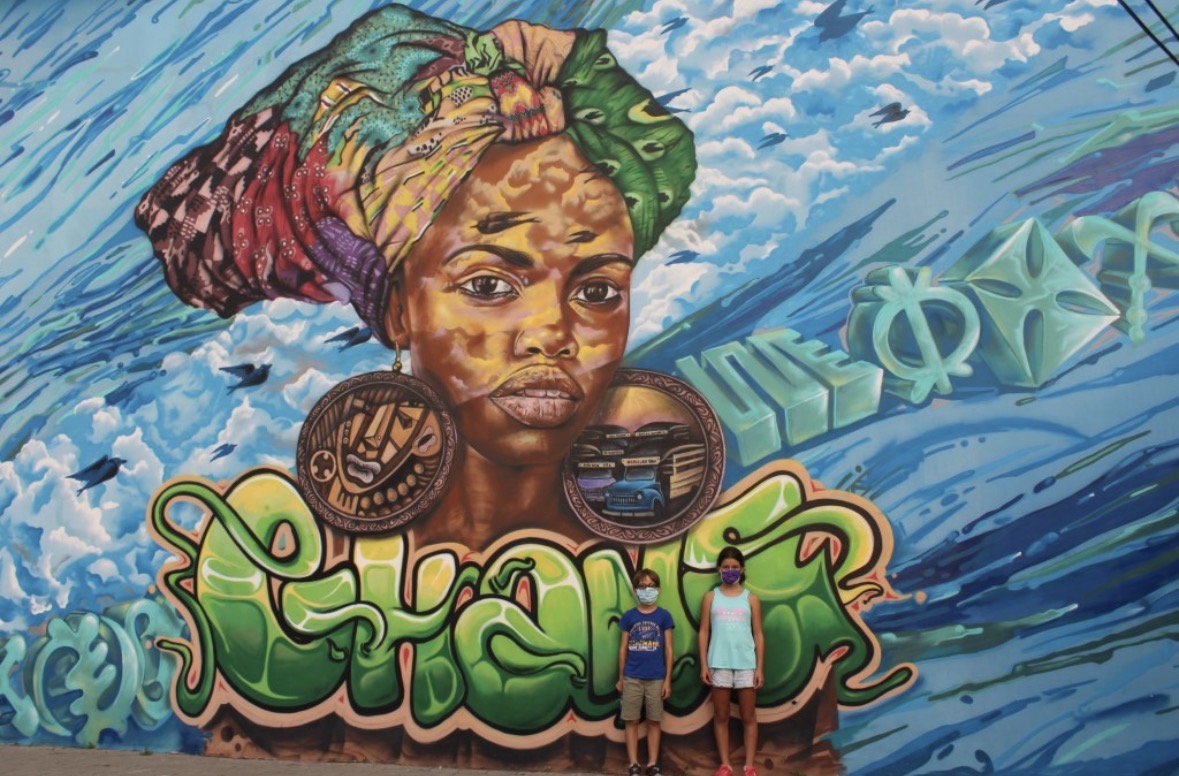
Languages That Define Cultures from Africa
How Language and Culture Are Inseparable in Africa
In the cultures of Africa, language is never just communication, it is the container that holds an entire worldview, a set of values, and a connection to ancestry. African proverbs, oral histories, and sacred texts exist only in indigenous languages, meaning that when a language dies, a culture loses part of itself that can never be recovered. Preserving the languages of the cultures of Africa is one of the most urgent cultural priorities of our time.
Languages Across Cultures From Africa
| Language | Culture | Region |
| Yoruba | Yoruba people | Southwest Nigeria |
| Swahili | East African cultures | Kenya, Tanzania, Uganda |
| Amharic | Amhara culture | Ethiopia |
| Zulu | Zulu culture | South Africa |
| Hausa | Hausa-Fulani culture | Northern Nigeria, Niger |
| Akan / Twi | Akan culture | Ghana, Ivory Coast |
Clothing and Dress Across African Cultures
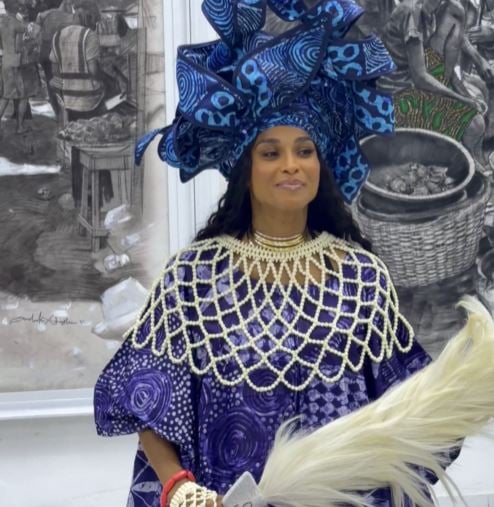
Clothing in the cultures from Africa is a visual language that communicates identity, status, belief, and occasion without a single word being spoken. Each culture from Africa has developed its own distinctive dress tradition from the royal Kente cloth of the Akan to the red shuka of the Maasai worn today with the same cultural intentionality they have always carried. Learn more about African dress culture through the Afro School of Culture.
- Kente cloth — Akan royal dress, every pattern carries a philosophical name
- Shuka — Maasai warrior wraps in red, communicating strength and identity
- Habesha Kemis — Ethiopian traditional white dress worn at religious festivals
- Agbada — Yoruba three-piece ceremonial robe for men at major occasions
- Basotho blanket — Sotho culture South Africa, worn as a mark of cultural belonging
Festivals That Represent Cultures from Africa
How African Cultures Come Alive in Celebration
Festivals are the moments when the cultures of Africa become most visible when tradition declares itself to the world through music, dance, dress, and ceremony. Every major African festival is a concentrated expression of a community’s deepest values and its relationship to its ancestors. Attending an African cultural festival is one of the most powerful ways to experience the living reality of the cultures from Africa firsthand.
Major Festivals Across Cultures From Africa
| Festival | Culture | Country | Significance |
| Timkat | Amhara / Ethiopian | Ethiopia | Epiphany celebration, ancient Christian tradition |
| Durbar | Hausa-Fulani | Nigeria | Royal procession, Islamic cultural identity |
| Osun-Osogbo | Yoruba | Nigeria | UNESCO-listed Yoruba goddess festival |
| Reed Dance | Zulu / Swazi | South Africa | Female rite of passage, cultural pride |
| Homowo | Ga culture | Ghana | Harvest festival means “hooting at hunger” |
| Gerewol | Wodaabe culture | Niger / Chad | Male beauty contest and courtship ceremony |
How Cultures from Africa Shaped the World
Cultures from Africa have shaped global civilization in ways still not fully acknowledged. Jazz, blues, hip-hop, and reggae all trace their rhythmic roots directly to West African musical cultures brought to the Americas through the transatlantic slave trade. Yoruba religious culture gave birth to Candomblé, Santeria, and Vodou spiritual traditions practiced by tens of millions across the Caribbean and South America today.
- Jazz and blues rooted in West African musical cultures and rhythmic traditions
- Yoruba religion spread across the Caribbean and Americas through diaspora communities
- African philosophy — Ubuntu, Ifa, Ma’at — influencing global ethics and leadership
- African art reshaping global design, fashion, and contemporary visual culture
- African languages and oral traditions influencing Caribbean and African American cultural forms
Where to Experience Cultures from Africa Today
You do not need to travel across the continent to begin experiencing the cultures from Africa. ILoveAfrica.com brings authentic African cultural experiences directly to you through African cultural dance classes, multicultural Afro cuisines, and the Afro School of Culture where the cultures from Africa are taught with the depth they deserve.
- Join African cultural dance classes and experience the cultures from Africa in movement
- Learn from African dance instructors rooted in the living cultures of Africa
- Explore Afro cuisines and taste the food traditions of African cultures
- Enrol in the Afro School of Culture for structured education on cultures from Africa
- Visit ILoveAfrica.com and connect with the living cultures from Africa today
How many cultures are there in Africa?
Africa is home to over 3,000 distinct ethnic groups across 54 countries, each carrying its own language, traditions, and cultural practices. This makes the cultures of Africa the most diverse collection of human traditions on any continent on earth.
What are the most well-known cultures of Africa?
Among the most internationally recognized cultures from Africa are the Yoruba of Nigeria, the Zulu of South Africa, the Maasai of Kenya and Tanzania, the Akan of Ghana, and the Amhara of Ethiopia each carrying a rich and distinct tradition of art, ceremony, philosophy, and community life.
What do the cultures of Africa have in common?
Despite their extraordinary diversity, the cultures from Africa share several core values the centrality of community and family, deep respect for elders and ancestors, the use of music and dance in ceremony, and a belief that the spiritual and physical worlds are inseparably connected.
How have cultures from Africa influenced the world?
The cultures from Africa have shaped global music through jazz, blues, and Afrobeats; global spirituality through Yoruba-derived religions in the Americas; global art through African visual traditions that influenced Cubism and modern design; and global philosophy through concepts like Ubuntu studied in leadership and ethics worldwide.
How is dance important in cultures from Africa?
Dance in the cultures from Africa marks rites of passage, honors ancestors, communicates social identity, and binds communities together at every major life event. Explore authentic African cultural dance traditions with experienced African dance instructors today.
Where can I learn about cultures from Africa?
The Afro School of Culture on ILoveAfrica.com offers structured, immersive education on the cultures from Africa covering dance, food, history, dress, and philosophy taught by people who carry these living traditions from the inside.

