
What Was the Ancient African Lifestyle?
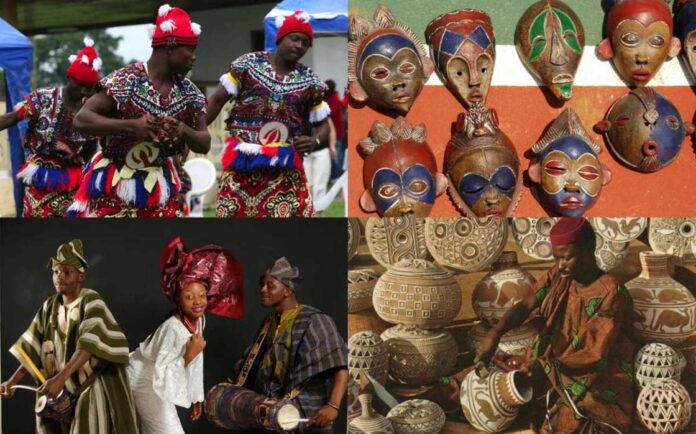
The ancient African lifestyle was not a single way of living, but thousands shaped by geography, climate, and centuries of cultural evolution across the world’s most diverse continent. From hunter-gatherer communities of the Kalahari to sophisticated urban empires like Mali and Songhai, ancient Africans developed remarkably varied approaches to food, shelter, governance, and spirituality. Africa was never primitive, it was extraordinarily complex, deeply organized, and culturally rich long before the rest of the world took notice.
Africa as the Cradle of Human Life
Africa is the birthplace of human civilization, the continent where Homo sapiens first evolved and from which all modern humanity descends. The earliest evidence of ancient African lifestyle spans hundreds of thousands of years cave paintings, stone tools, burial sites, and settlements revealing communities far more sophisticated than early scholars acknowledged. Every human being alive today carries within their DNA a direct connection to the ancient African lifestyle.
- Africa is the oldest inhabited continent with human remains dating over 300,000 years
- The San people of Southern Africa are among the world’s oldest surviving indigenous cultures
- Ancient cave paintings document ancient African lifestyle, hunting, and ceremony in vivid detail
- Archaeological sites reveal iron smelting, agriculture, and long-distance trade from ancient times
Types of Ancient African Societies
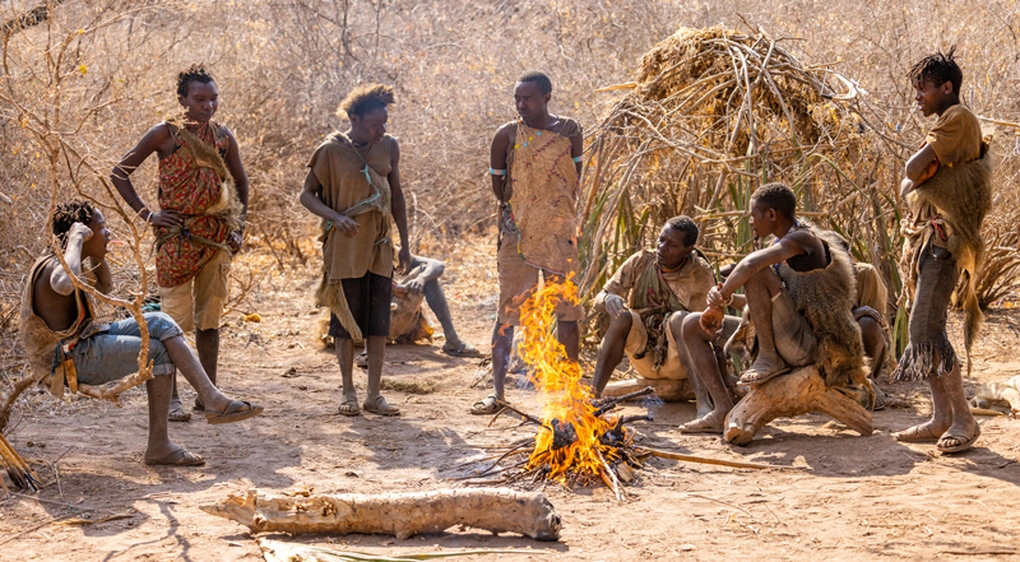
Hunter-Gatherer Communities
The oldest form of ancient African lifestyle was the hunter-gatherer community nomadic groups who moved continuously in search of food and water. These were not disorganized wanderers but highly skilled communities with sophisticated knowledge of plants, animals, and terrain built over thousands of years. Hunter-gatherer societies were remarkably egalitarian decisions made collectively and resources shared regardless of gender or age.
Agricultural Village Societies
As ancient Africans developed farming, permanent village societies emerged built around communal land and elder governance. Each village ruled itself through a council of elders whose decisions were reached through community discussion, a deeply democratic system. The ancient West African expression “it takes a whole village to raise a child” emerged directly from this communal ancient African lifestyle.
Urban Kingdoms and Empires
The ancient African lifestyle also produced some of the world’s most sophisticated urban civilizations. The Mali Empire, Songhai, Kingdom of Kush, Great Zimbabwe, and Axum built cities, established continental trade networks, created written languages, and produced art and scholarship of the highest order. These were not isolated achievements; they were the natural product of communities that had been developing their societies for thousands of years. Learn more about these living cultural traditions at the Afro School of Culture.
Types of Ancient African Societies
| Society Type | Key Features | Notable Examples |
| Hunter-Gatherer | Nomadic, egalitarian, land-based knowledge | San people, Bambuti of Congo |
| Pastoral | Cattle herding, seasonal movement, warrior culture | Ancient Maasai ancestors, Fulani herders |
| Agricultural Village | Settled farming, elder governance, communal land | Ancient West African village societies |
| Stateless Society | Settled but no central government, consensus-based | Ancient Igbo communities |
| Kingdom / Empire | Centralized rule, trade networks, urban centres | Mali, Songhai, Axum, Great Zimbabwe |
Daily Life in Ancient Africa
Homes and Shelter
Most people in the ancient African lifestyle lived in thatched round huts with thick mud walls, a design of remarkable practical intelligence that kept interiors cool in heat and warm at night. The circular design reflected deep cultural values about community and equality. Royalty lived in larger stone or wood compounds most famously the dry-stone enclosures of Great Zimbabwe, built without mortar and still standing today.
Work and Social Roles
Ancient African daily life was organized around clearly defined social roles ensuring every community member contributed to collective survival. Farmers were the backbone of society in the Mali Empire; they belonged to a respected social class and participated in local governance and military service. Artisans’ blacksmiths, weavers, and jewelers educated special status, sometimes believed to possess supernatural powers connected to their ability to transform raw materials.
Key Social Roles in Ancient African Communities
- Farmers — primary food producers, respected across all ancient African societies
- Artisans — blacksmiths, weavers, and jewelers with high social and sometimes spiritual status
- Warriors — professional soldiers, maintaining order within empires and protecting communities
- Traders — long-distance merchants connecting communities through gold, salt, and goods networks
- Griots — oral historians preserving centuries of community knowledge through music and storytelling
- Healers — community medicine men and women with deep knowledge of plants and spiritual practice
What Ancient Africans Ate
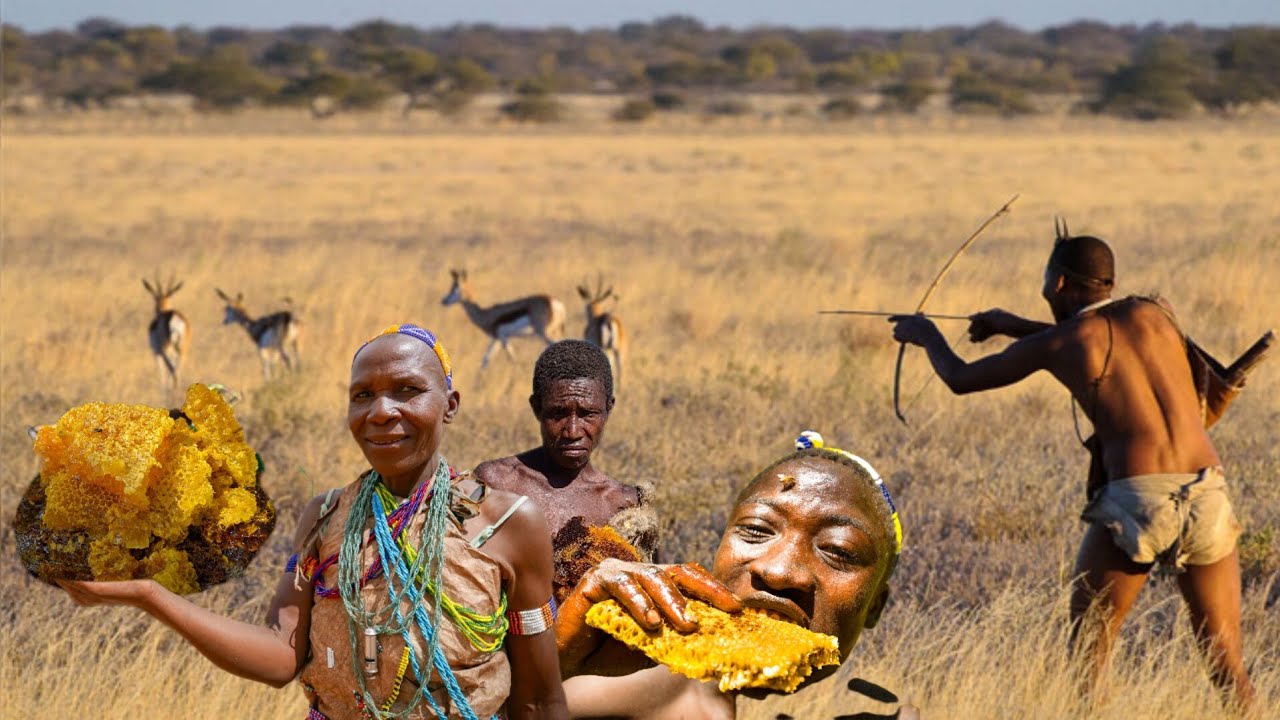
The ancient African lifestyle produced food traditions of extraordinary diversity shaped entirely by local geography. West Africans along rivers grew rice and fished; grassland communities grew millet and sorghum; rainforest communities cultivated peanuts and sweet potatoes. Yam was particularly important across West Africa ground into fufu, a staple food still eaten across the continent today. Explore the living legacy of these traditions through multicultural Afro cuisines that trace their roots directly to the ancient African lifestyle.
Staple Foods of Ancient Africa
- Millet and sorghum — ancient grains grown across West and East African grasslands
- Yam — used to make fufu, one of West Africa’s most ancient and enduring food traditions
- Teff — the Ethiopian ancient grain used to make injera flatbread still eaten daily today
- African rice — a distinct, red-skinned variety cultivated along West African rivers for millennia
- Cassava and plantain — staple root crops across Central African ancient communities
- Fish and game — supplementary protein from rivers, lakes, and hunting across all regions
Ancient African Clothing and Dress
In the earlier ancient African lifestyle, clothing was minimal the continent’s heat made heavy garments impractical, and many communities wore little beyond ceremonial animal skin coverings. As Islam spread across North and West Africa from the 7th century, cotton and woven bark cloth garments became more widespread and elaborate. Even in ancient times, Africans wore extensive jewelry beads, bangles, and ornaments made from copper, gold, and bone communicating social status and cultural identity. Discover the living continuation of this tradition through African cultural dance where traditional dress and movement remain inseparable.
Ancient African Religion and Spiritual Life
Indigenous Beliefs and Ancestor Veneration
The ancient African lifestyle was shaped by polytheistic traditions recognizing spiritual forces in nature, animals, the cosmos, and community ancestors. Many ancient Africans believed that when a person died, their spirit continued with supernatural powers and that ancestral spirits could intervene to protect or warn the living. Many households maintained a dedicated sacred space for daily ancestral prayer as natural and necessary as eating or sleeping.
Magic, Healing, and Traditional Medicine
The ancient African lifestyle placed enormous trust in community healers sangoma, diviner, or herbalist with deep knowledge of medicinal plants and spiritual diagnosis. Their knowledge was accumulated over generations through careful observation and oral transmission, representing one of the world’s most sophisticated systems of indigenous medicine. The witch doctor could produce effective remedies, amulets, and community ceremony that addressed illness, conflict, and misfortune simultaneously. Learn about these living traditions at the Afro School of Culture.
The Arrival of Christianity and Islam
The ancient African lifestyle absorbed new religious influences without abandoning indigenous traditions creating uniquely African spiritual syntheses. The Kingdom of Axum became the first African kingdom to formally adopt Christianity as state religion in the 4th century CE. Islam entered through North African trade cities from the 7th century, eventually becoming dominant across North and West Africa while blending with existing indigenous practices.
Kinship, Family, and Community Values
The ancient African lifestyle was fundamentally communal individual identity was inseparable from family and community membership. Kinship systems in ancient African societies were elaborate networks providing economic support, conflict resolution, child-rearing, and spiritual continuity across generations. The concept of Ubuntu “I am because we are” did not originate in modern philosophy but in the ancient African lifestyle where collective existence was the only meaningful form of being.
- Extended family clans provided social security across all ancient African communities
- Children were considered the responsibility of the entire community, not just parents
- Elders held authority as keepers of knowledge, history, and community values
- Marriage in ancient Africa always united two families, not just two individuals
- Decisions were made through consensus collective wisdom over individual authority
Ancient African Music, Dance, and Storytelling
Music, dance, and storytelling were essential cultural infrastructure in the ancient African lifestyle not entertainment but mechanisms for preserving history, educating the young, and maintaining spiritual relationships. The griot tradition oral historians who memorized and performed centuries of community history through song functioned as a living library for communities without written records. Every evening in ancient West African villages, communities gathered to hear griots perform, making storytelling one of the most important social rituals of ancient African daily life.
Ancient African Music and Dance Traditions
Music in the ancient African lifestyle was inseparable from ceremony drums communicated messages across distances and created the rhythmic foundation for communal African cultural dance that bound communities together in shared physical expression. Dance was spiritual practice, community education, and social celebration simultaneously performed at harvest festivals, initiation ceremonies, and funerals. The rhythmic traditions of the ancient African lifestyle form the direct foundation of jazz, blues, hip-hop, and Afrobeats. Connect with these ancient traditions through experienced African dance instructors today.
- Drums used as long-distance communication tools across ancient African communities
- Dance performed at every major life event birth, initiation, marriage, harvest, and death
- Griots preserved centuries of oral history through musical performance and poetic recitation
- Ancient African instruments include kora, mbira, balafon, and various percussion traditions
- Call-and-response musical structures from ancient Africa became the foundation of global music
Ancient African Trade and Economy
The ancient African lifestyle produced sophisticated long-distance trade networks connecting communities across the continent and beyond linking Africa to the Middle East, Asia, and Europe through routes carrying gold, salt, copper, and ivory. The Empire of Ghana built its wealth on control of trans-Saharan gold and salt trade routes, demonstrating complex market economies centuries before colonial narratives suggested they existed. Trade in the ancient African lifestyle was not just economic but cultural a mechanism through which ideas, technologies, religions, and artistic traditions moved between communities. Discover how ancient African trade traditions shaped the multicultural Afro cuisines we celebrate today.
Key Ancient African Trade Goods
| Trade Good | Region | Significance |
| Gold | West Africa, Great Zimbabwe | Primary currency of trans-Saharan and Indian Ocean trade |
| Salt | Sahara Desert | Essential food preservative, equal in value to gold |
| Ivory | East and Central Africa | Luxury good exchanged with Asian and European merchants |
| Copper | Central Africa | Used for tools, weapons, and ceremonial objects |
| Cloth and textiles | West and North Africa | Traded across the Sahara for spices, horses, and luxury goods |
Ancient African Art and Architecture
The ancient African lifestyle produced art and architecture of remarkable sophistication that continues to influence global aesthetics today. Rock paintings found across the continent some dating back over 30,000 years document ancient African daily life, hunting, and ceremony in vivid visual detail. The stone enclosures of Great Zimbabwe, the Nok terracotta sculptures of Nigeria dating to 500 BCE, and the pyramids of ancient Kush all demonstrate that ancient African societies were producing world-class architectural and artistic achievements for millennia. Learn about the continuation of these art traditions at ILoveAfrica.com.

Ancient African Education and Knowledge Systems
Education in the ancient African lifestyle was embedded in daily life from griot storytelling to initiation ceremonies that formally marked a young person’s transition into adult knowledge and responsibility. Ancient African universities existed long before most realize the University of Timbuktu in Mali was a major Centre of Islamic scholarship in the 14th and 15th centuries with hundreds of thousands of manuscripts. This ancient tradition of structured cultural education continues today through the Afro School of Culture at ILoveAfrica.com.
How the Ancient African Lifestyle Lives on Today
The ancient African lifestyle is not simply history; it is a living root system from which modern African culture continues to grow. Food traditions developed in ancient Africa are still eaten daily across the continent and the diaspora. Music and dance forms created in ancient African communities form the foundation of every major global music genre. Understanding the ancient African lifestyle is the most direct path to understanding why modern African culture its music, food, dance, and philosophy is as powerful and globally influential as it has become.
- Ancient African food traditions fufu, injera, millet porridge still eaten daily today
- Griot storytelling tradition is still actively practiced across West Africa and the diaspora
- Ubuntu and communal values from ancient Africa shape modern African society and philosophy
- Ancient African rhythmic traditions directly created jazz, blues, hip-hop, and Afrobeats
- Initiation ceremonies, naming traditions, and ancestral veneration from ancient Africa continue today
Explore and celebrate these ancient living traditions through ILoveAfrica.com your gateway to authentic African cultural heritage. Experience them through African cultural dance, Afro cuisines, and expert African dance instructors who carry these traditions alive today.
FAQs — Ancient African Lifestyle
What was daily life like in ancient Africa?
Most ancient Africans lived in communal agricultural villages, farming staple crops and gathering in the evenings to hear griots tell stories. Life was spiritually rich, governed by elders, and deeply connected to land, ancestors, and community.
What did ancient Africans eat?
Ancient Africans ate based on their geography millet and sorghum in grasslands, rice along rivers, yams near rainforests, and teff in Ethiopia. Fufu made from ground yams were a widespread staple, supplemented by fish, game, and vegetables. Explore the living legacy through multicultural Afro cuisines.
What religion did ancient Africans practice?
Ancient African religion was largely polytheistic and animistic recognizing spiritual forces in nature and ancestors. Ancestor veneration was central to daily life. Christianity arrived through Axum in the 4th century CE, and Islam spread through North and West Africa from the 7th century, both blending with existing indigenous traditions.
What were the greatest ancient African empires?
The greatest ancient African empires include Mali, Songhai, Axum, Kush, and Great Zimbabwe known for sophisticated trade networks, urban centers, military power, and scholarship. Timbuktu was one of the world’s greatest medieval centers of learning with hundreds of thousands of manuscripts.
How did ancient African lifestyle influence modern culture?
Ancient African rhythmic traditions directly created jazz, blues, hip-hop, and Afrobeats. Ancient food traditions like fufu and injera are still eaten daily. Ubuntu philosophy, griot storytelling, and communal values all continue to shape modern African identity. Discover these living traditions at Afro School of Culture and ILoveAfrica.com.

