What Makes African Cultures in South Africa So Unique?
South Africa is called the Rainbow Nation for a reason, it is home to one of the most extraordinary concentrations of cultural diversity anywhere on earth, with 11 official languages, dozens of distinct ethnic communities, and African cultural traditions stretching back over 20,000 years. African cultures in South Africa are not historical artifacts preserved in museums, they are living systems of identity, ceremony, language, music, food, and spiritual practice that shape the daily lives of millions of people across the country’s nine provinces. Understanding these cultures means understanding one of the most complex and compelling human stories on the African continent.
The Deep Roots — African Cultures in South Africa Before Colonization
The San — Africa’s First Cultural Tradition
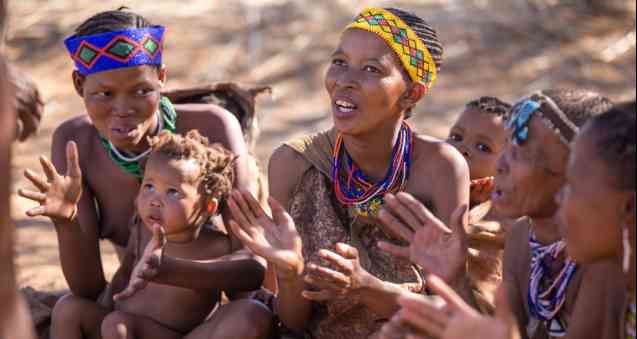
The San people one of the oldest African cultures in South Africa have inhabited the southern African subcontinent for at least 20,000 years, making their cultural tradition one of the most ancient still practiced by living human beings. As nomadic hunter-gatherers, the San developed an extraordinary depth of ecological knowledge, a sophisticated spiritual system centered on healing dances and trance states, and an artistic tradition expressed in rock paintings found across mountains and caves throughout South Africa. Their click languages, among the oldest phonologically complex languages known, are now recognized as a precious and endangered element of humanity’s linguistic heritage.
The Khoisan and the Arrival of Bantu-Speaking Peoples
When Bantu-speaking peoples began migrating into southern Africa over a thousand years ago, they encountered the Khoisan the collective term for the San and the Khoekhoe pastoralists who had already built rich cultural traditions across the landscape. Over centuries, these groups interacted, traded, and occasionally clashed, with the Bantu-speaking communities eventually establishing the Nguni and Sotho-Tswana ethnic groups whose descendants make up most of the South Africa’s population today. This ancient meeting of African cultures in South Africa created a cultural complexity that European colonizers would later both encounter and seek to suppress but which has ultimately proved stronger than any colonial effort to erase it.
African Cultural Groups in South Africa at a Glance
| Cultural Group | Language | Region | Distinctive Cultural Feature |
| Zulu | IsiZulu | KwaZulu-Natal | Warrior tradition, Reed Dance, Indlamu, beadwork |
| Xhosa | IsiXhosa | Eastern Cape | Click language, Ulwaluko initiation, oral storytelling |
| Sotho (Basotho) | Sesotho | Free State, Lesotho border | Basotho blanket, initiation schools, highveld farming |
| Tswana | Setswana | Northwest province | Communal governance, settled agriculture, kgotla system |
| Pedi (BaPedi) | Sepedi | Limpopo | Bjale initiation, harmonic singing, traditional healing |
| Ndebele | IsiNdebele | Mpumalanga, Limpopo | Geometric wall murals, idzilla brass rings, beadwork |
| Venda | Tshivenda | Limpopo | Sacred Lake Funduzi, Domba python dance, mbila music |
| Tsonga (Shangaan) | Xitsonga | Mpumalanga, Limpopo | Xibelani spinning dance, marimba tradition |
| Swazi | SiSwati | Mpumalanga | Incwala ceremony, Umhlanga Reed Dance |
| San | Khoisan | Northern Cape, Kalahari | Rock art, healing dance, click language, oldest culture |
Zulu Culture — The Heartbeat of KwaZulu-Natal
The Zulu Identity and Warrior Heritage
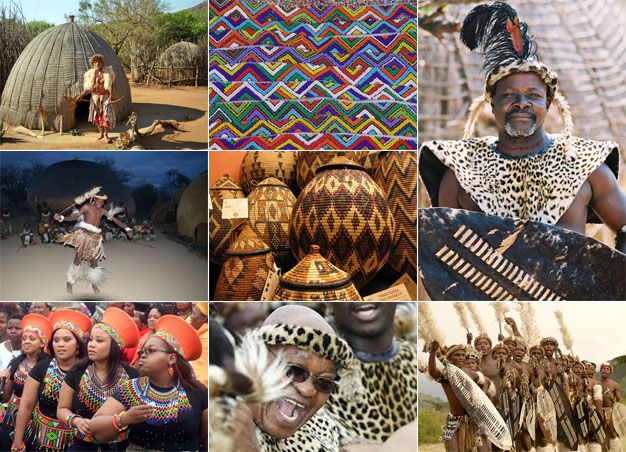
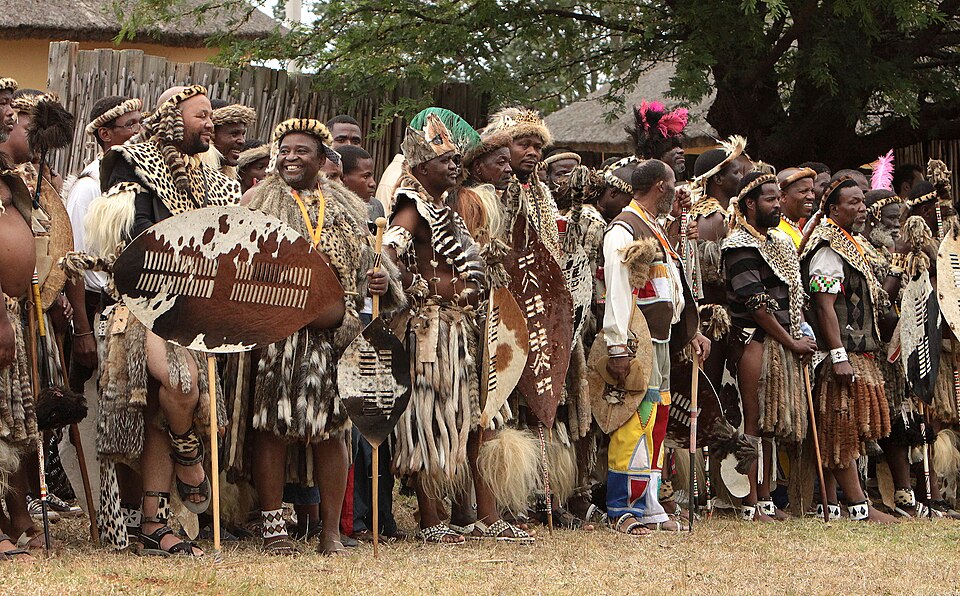
Zulu culture is the largest and one of the most internationally recognized African cultures in South Africa, with approximately 11 million Zulu people around 22% of the country’s population primarily in KwaZulu-Natal province. The Zulu kingdom, built into a military powerhouse by Shaka in the early 19th century during the period known as the Mfecane, created a cultural identity so strong that it has survived colonization, apartheid, and the full force of globalization without losing its essential character. Zulu people refer to themselves as “AmaZulu” the people of the heavens, a name that captures the grandeur and self-confidence that defines Zulu cultural expression.
Zulu Ceremonies, Dance, and Beadwork
The annual Umkhosi woMhlanga, the Reed Dance is one of the most spectacular expressions of Zulu culture, drawing thousands of young Zulu women to present reeds to the Queen Mother in a ceremony celebrating cultural pride and feminine identity. Zulu beadwork is a complete cultural language the famous “love letters” created by young women encode emotional messages in specific color combinations that communicate feelings without a single spoken or written word. The Indlamu war dance, performed in full traditional regalia with animal skins, feathers and shields, is one of the most powerful examples of African cultural dance in the entire country learn it with authentic African dance instructors.
Xhosa Culture — Storytellers, Initiates, and Click Language Masters
The Xhosa Identity
Xhosa culture the cultural home of Nelson Mandela, Desmond Tutu, and Miriam Makeba is one of the most celebrated African cultures in South Africa, with a tradition of oral storytelling, political eloquence, and cultural sophistication that has shaped the national identity of the entire country. With approximately 8 million speakers in the Eastern Cape, the Xhosa are the second-largest African cultural group in South Africa and are classified as part of the Nguni language family closely related to the Zulu but with a distinct cultural character shaped by the Eastern Cape landscape and history. IsiXhosa’s three types of click sounds dental (c), palatal (q), and lateral (x) are inherited from the Khoisan peoples through centuries of cultural contact, making it one of the most phonologically remarkable languages in the world.
Xhosa Initiation and Rites of Passage
The most sacred institution in Xhosa culture is Ulwaluko the male initiation ceremony in which young men undergo circumcision, spend weeks in seclusion in the bush away from their communities, and emerge as fully recognized adult men prepared to take their place in Xhosa society. This rite of passage has been practiced continuously for centuries and remains, despite urbanization and modernization, the cultural event that every Xhosa man considers the most defining moment of his life. Women undergo a parallel ceremony called Intonjane, marking their transition to womanhood through community celebration and the transmission of cultural knowledge by elder women.
Ndebele Culture — South Africa’s Most Visual African Culture
Ndebele Wall Art and Geometric Expression
If Zulu culture is known for its warrior energy and Xhosa culture for its oratorical power, Ndebele culture stands apart as the most visually arresting of all African cultures in South Africa a community whose women have transformed the exterior walls of their homes into an internationally celebrated art form. Ndebele geometric wall paintings use bold black outlines filled with vibrant primary colors red, yellow, green, blue in patterns of extraordinary precision that communicate cultural identity, social status, and community membership to anyone who knows how to read them. This art form is practiced exclusively by women and is passed down through generations of mothers and daughters as one of the most important transmissions of cultural knowledge in Ndebele life. Learn about this extraordinary visual tradition at the Afro School of Culture.
Ndebele Traditional Dress and Idzilla Rings
Ndebele traditional dress is among the most elaborate of any African culture in South Africa married women wear idzilla, brass rings stacked around their necks, arms, and legs that are added to throughout a woman’s married life and traditionally never removed while her husband is alive. These rings are not jewelry in the Western decorative sense, they are a living record of a woman’s marital status, her husband’s prosperity, and her community’s cultural values encoded in metal and worn on the body for everyone to read. Together with the geometric beadwork worn across Ndebele culture, this dress tradition makes Ndebele the most visually distinctive of all African cultures in South Africa.
Sotho-Tswana Culture — Builders of the South African Highveld
Basotho, Tswana and Pedi Cultural Identity
The Sotho-Tswana group comprising the Basotho, Tswana, and Pedi peoples represents the second-largest African cultural community in South Africa, with approximately 7 million speakers spread across the Free State, Northwest province, and Limpopo. Historically, these communities built substantial stone-walled settlements on the highveld and developed sophisticated governance systems particularly the kgotla, a community assembly where disputes were resolved and decisions made through open public discussion that predate any European institution of democracy in South Africa. The Basotho blanket, worn as a royal garment and cultural symbol across ceremonial occasions, is one of the most instantly recognizable items of traditional dress associated with any African culture in South Africa.
Initiation Schools and Cultural Transmission
Sotho-Tswana initiation schools lebollo for girls and bjale for Pedi speakers are among the most important cultural institutions in this community, marking the transition to adulthood through months of education in the bush under elder guidance. These schools transmit cultural values, practical knowledge, and community identity in a structured environment that has functioned as the primary educational institution for generations long before formal schooling arrived. The harmonic singing traditions and foot-stamping dances of Sotho-Tswana culture are some of the most musically distinctive expressions of any African culture in South Africa alive today and actively performed at ceremonies across the region.
Venda, Tsonga and Swazi — South Africa’s Richly Diverse Smaller Cultures
Venda
Venda culture in Limpopo province is one of the most spiritually distinct African cultures in South Africa a community whose cultural identity blends East African, Central African, Nguni, and Sotho influence in ways found nowhere else in the country. Sacred Lake Funduzi believed to be the home of the python god Zwivhanda sits at the Centre of Venda spiritual life as a place of ancestral power that no outsider may approach without permission from community elders. The Domba or python dance performed by young women during their initiation into womanhood, moving in a serpentine chain while humming sacred songs is one of the most extraordinary ceremonial traditions of any African culture in South Africa.
Tsonga
Tsonga culture also known as Shangaan is concentrated primarily in Mpumalanga and Limpopo, with a cultural identity built from a distinctive blend of Tsonga, Zulu, and Mozambican influences that has produced one of South Africa’s most joyful and energetic cultural expressions. The xibelani dance in which women wear enormous grass-and-bead skirts that spin at extraordinary speed during performance is one of the most visually spectacular examples of African cultural dance practiced by any culture in South Africa. Tsonga marimba and percussion music tradition is equally celebrated creating a sound that is immediately recognizable as distinctly Shangaan wherever it is heard.
Swazi
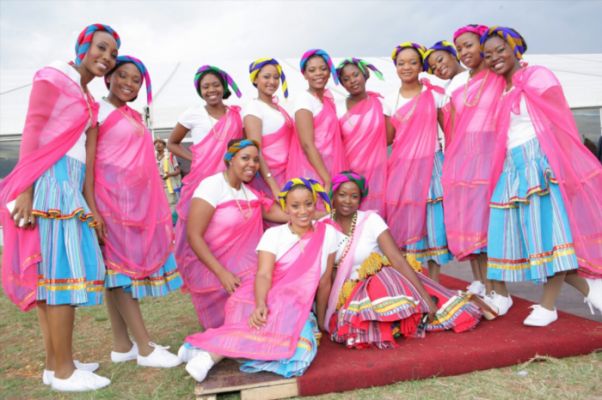
Swazi culture in South Africa’s Mpumalanga province is closely related to the Zulu but maintains a distinct royal cultural identity most powerfully expressed in the Incwala sacred kingship ceremony and the Umhlanga Reed Dance events that draw tens of thousands of participants and represent some of the most intact royal ceremonial traditions of any African culture in the country. Swazi culture places enormous importance on royal pageantry, traditional attire, and the visible performance of cultural identity ceremonies in which traditional dress, African cultural dance, and community participation combine into experiences of extraordinary cultural power.
African Cultures in South Africa — Food as Cultural Expression
What African Food Culture Looks Like in South Africa
Food in African cultures in South Africa is never simply sustenance, it is ceremony, community and ancestral memory served on a single plate. The braai South Africa’s iconic communal barbecue transcends every ethnic boundary in the country, bringing people together around fire and food in a social ritual that is as South African as any cultural tradition, practiced by every community from the Zulu of KwaZulu-Natal to the Sotho of the Free State. Discover the extraordinary diversity of food traditions across African cultures in South Africa through multicultural Afro cuisines a gateway into the continent’s most varied and celebrated culinary heritage.
Traditional African Foods Across South African Cultures
Each African culture in South Africa has developed its own distinctive food traditions shaped by local land, history, and ceremonial practice. Umqombothi a traditional fermented beer made from maize and sorghum is drunk at ceremonies across Zulu, Xhosa, and Sotho cultures as a sacred offering to ancestors and a social bond between community members. Amasi a thick, tangy fermented milk drink is consumed across multiple African cultures in South Africa and is now recognized globally as a probiotic superfood whose health benefits were understood by indigenous communities long before Western nutritional science discovered them.
Signature Foods Across African Cultures in South Africa
- Braai — the communal barbecue tradition shared across every African culture in South Africa
- Umqombothi — traditional fermented beer brewed for ceremonies and ancestral offerings
- Amasi — fermented sour milk drunk across Zulu, Xhosa, and Sotho cultures daily
- Samp and beans — slow-cooked maize and legume dish beloved across Southern African cultures
- Morogo — wild leafy greens eaten across Sotho-Tswana and other cultures as a staple vegetable
- Nyama — grilled and roasted meats central to traditional ceremonial feasting across South African cultures
- Pap — maize porridge eaten daily by millions across every African cultural community in South Africa
African Cultural Dance in South Africa
Dance in African cultures in South Africa is not entertainment, it is the living archive of community history, the physical language of spiritual communication and the most immediate way any culture expresses who it is and what it values. Every major African culture in South Africa has developed its own distinctive dance tradition from the Zulu Indlamu war dance to the Xhosa umngqokolo throat-singing to the Venda tshigombela communal circle dance and all of them share the understanding that movement, music, and community are inseparable. African cultural dance in South Africa is one of the most powerful and accessible entry points into the country’s cultural heritage begin your journey with experienced African dance instructors who carry authentic knowledge of these living traditions.
Dance Traditions Across African Cultures in South Africa
- Zulu Indlamu — war dance performed in full regalia communicating strength, precision and cultural pride
- Xhosa umngqokolo — extraordinary throat-singing technique producing multiple simultaneous pitches
- Ndebele ceremonial dance — performed at initiation ceremonies with elaborate traditional dress
- Venda tshigombela — communal circle dance performed by women at cultural celebrations and ceremonies
- Tsonga xibelani — high-speed spinning grass-skirt dance performed by women at social and ceremonial events
- Sotho mokhibo — female initiation dance performed lying down in rapid rhythmic movement
African Cultural Music in South Africa
From Township Jazz to Amapiano
South Africa’s African cultural music tradition is one of the most prolific and globally influential on the continent, producing styles and genres that have shaped music worldwide. Township jazz of the 1940s and 1950s born in the segregated townships of Johannesburg gave the world artists like Hugh Masekela and Miriam Makeba who carried African cultures in South Africa to international stages during the darkest years of apartheid. Today, amapiano a genre born in Johannesburg’s townships blending deep house, jazz, and lounge music has become one of the fastest-growing global music trends, introducing African cultures in South Africa to audiences who had never previously encountered this cultural world.
Musical Traditions Across South African Cultures
- Isicathamiya — Zulu choral tradition made globally famous by Ladysmith Black Mambazo
- Marabi — township jazz style developed in Johannesburg shebeens in the 1930s
- Mbaqanga — South African township music blending Zulu traditional music with jazz influences
- Kwaito — post-apartheid South African dance music rooted in township youth culture
- Amapiano — the current global phenomenon born from Johannesburg township African cultural creativity
- Venda mbila — xylophone-based sacred music tradition unique among African cultures in South Africa
Language as Cultural Identity in South Africa
South Africa’s 11 official languages are not simply communication tools, they are the containers in which each African culture’s history, philosophy, humor, proverbs, and ways of understanding the world are stored. When a Zulu elder delivers a proverb “Indlela ibuzwa kwabaphambili” (the way forward is asked of those who have gone before), they are transmitting a complete philosophy of learning and respect for elders in a single sentence that English cannot fully translate. Each of South Africa’s African cultures has developed linguistic traditions praise poetry, oral genealogy, ceremonial speech that function as living archives of cultural identity, making language the most intimate and most essential expression of African cultures in South Africa.
- IsiZulu — spoken by 22.7% of South Africans, with praise poetry (izibongo) as its highest art form
- IsiXhosa — famous for click consonants inherited from Khoisan cultural contact over centuries
- Sesotho — spoken across the highveld, with proverbs encoding Basotho philosophy and community values
- Tshivenda — one of South Africa’s most distinct languages, related to Central African Bantu traditions
- Xitsonga — spoken by Shangaan communities across Limpopo and Mpumalanga provinces
Ubuntu — The Philosophy That Connects All African Cultures in South Africa
Across the extraordinary diversity of African cultures in South Africa, one philosophical concept serves as a common thread: Ubuntu the Nguni Bantu philosophy best translated as “I am because we are.” Ubuntu is not simply a slogan or a feel-good phrase, it is a complete worldview that defines identity as fundamentally relational, insisting that a human being exists fully only through their connections to other human beings. Every African culture in South Africa expresses Ubuntu differently through the Zulu practice of communal decision-making, through the Xhosa principle of communal child-rearing, through the Sotho tradition of the kgotla community assembly but all of them are drawing from the same philosophical root. Learn about Ubuntu and the cultural traditions it shapes at the Afro School of Culture.
Heritage Day and Cultural Celebration in South Africa
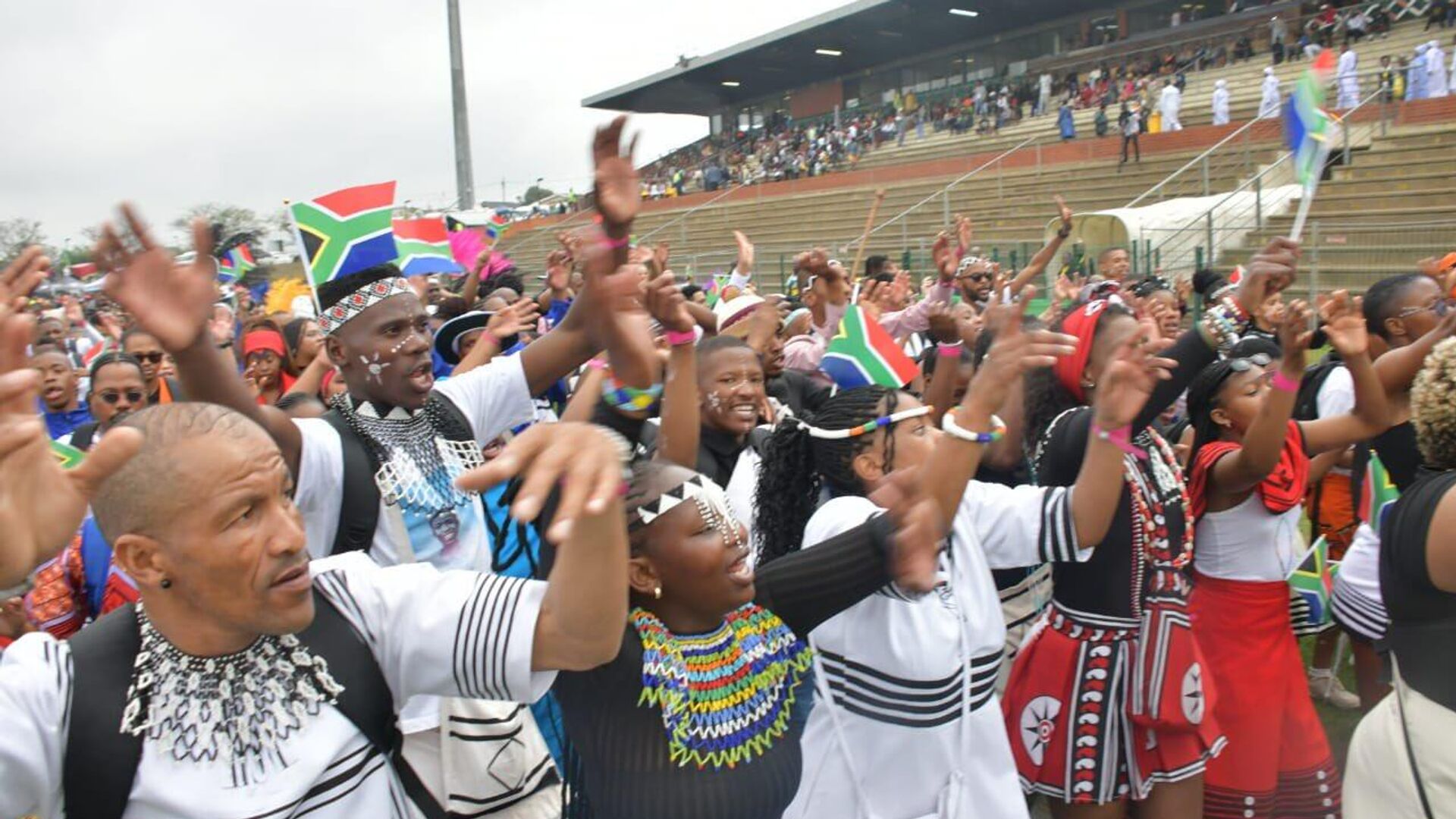
Heritage Day celebrated on September 24th every year is South Africa’s most culturally significant public holiday, a day when people across every African culture in the country are officially encouraged to celebrate their heritage through traditional attire, food, music, and dance. What began as an attempt to acknowledge cultural diversity has evolved into a genuine national celebration of the extraordinary richness of African cultures in South Africa with communities across all nine provinces hosting events, ceremonies, and gatherings that bring their cultural traditions into public view. It is also celebrated as National Braai Day, a recognition that the braai itself is one of the few cultural practices genuinely shared across all African cultures in South Africa.
- Heritage Day — September 24th, South Africa’s celebration of cultural diversity and identity
- Freedom Day — April 27th, marking the first post-apartheid election in 1994
- Cape Town Carnival — annual street festival celebrating the cultural diversity of the Cape
- Umkhosi woMhlanga — annual Zulu Reed Dance drawing thousands of participants
- Incwala — sacred Swazi kingship ceremony performed annually in Mpumalanga

African Cultures in South Africa After Apartheid
The formal end of apartheid in 1994 and the adoption of the 1996 Constitution which guaranteed the rights to culture, language, and heritage of every South African community created the political conditions for the extraordinary cultural renaissance that African cultures in South Africa are currently experiencing. Young South Africans are reclaiming their traditional attire, wearing Zulu beadwork and Ndebele geometric prints to events that previous generations might have attended in Western clothing. African languages are being taught in schools with genuine commitment for the first time. Traditional ceremonies that were suppressed or marginalized under apartheid are now celebrated openly and with pride. Discover and celebrate these living traditions at ILoveAfrica.com.
Frequently Asked Questions
What are the main African cultures in South Africa?
The main African cultures in South Africa include the Zulu, Xhosa, Sotho, Tswana, Pedi, Ndebele, Venda, Tsonga, Swazi, and the Khoisan (San and Khoekhoe). Each carries its own distinct language, ceremonies, music and traditions making South Africa one of the most culturally diverse nations on earth.
What is Ubuntu and why is it important in South African culture?
Ubuntu is the philosophical concept “I am because we are” shared across African cultures in South Africa that defines identity as fundamentally communal rather than individual. It shapes everything from governance and family structure to how communities respond to hardship and is considered one of South Africa’s most important cultural contributions to global philosophy.
What languages do African cultures in South Africa speak?
South Africa has 11 official languages reflecting its African cultural diversity including isiZulu, isiXhosa, Sesotho, Setswana, Sepedi, Tshivenda, Xitsonga, SiSwati, and isiNdebele, alongside Afrikaans and English. The San and Khoekhoe speak Khoisan click languages considered among the oldest human languages still spoken.
What is the role of dance in African cultures in South Africa?
Dance in African cultures in South Africa is never purely entertainment, it marks initiation rites, honours ancestors, communicates social identity, and binds communities together at every major cultural event. Explore authentic South African African cultural dance traditions with experienced African dance instructors.
Where can I learn about African cultures in South Africa?
The Afro School of Culture on ILoveAfrica.com offers structured education on African cultures in South Africa covering dance, food, history and heritage taught authentically by people who carry these living traditions.

