
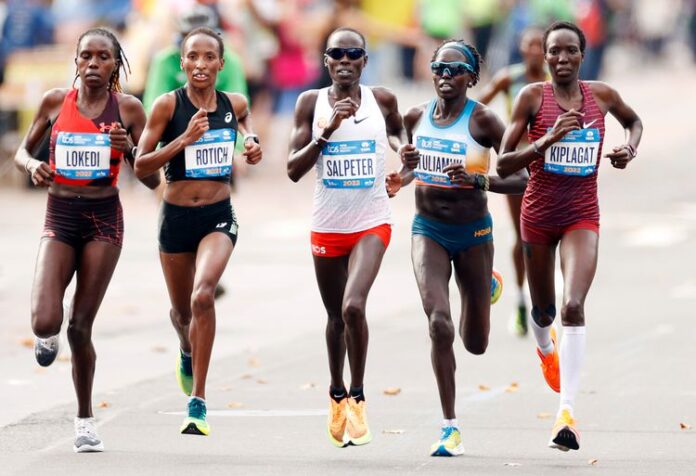
When the gun fires at the start of any major marathon, whether it’s in London, Berlin, Boston, Tokyo, or New York, the rest of the world is essentially competing for third place. For nearly six decades, Kenya and Ethiopia have turned long-distance running into their personal territory, and the stats are staggering enough to make you stop and ask: how is this even possible?
Since 1988, 75% of all male and female winners at major international distance competitions have been East African — overwhelmingly Kenyan or Ethiopian. At the six World Marathon Majors, East African runners don’t just win consistently; they frequently occupy the top five spots simultaneously. In October 2011, 32 Kenyan runners broke the 2-hour-10-minute marathon barrier in a single race — a time that only 17 American men have ever achieved in the entire history of the sport.
This is not luck. This is not a coincidence. And it is certainly not one thing.
Scientists have studied this phenomenon for decades, and what they’ve found is something more fascinating than a single smoking gun: it’s a perfect storm — a collision of altitude, ancestry, culture, biomechanics, diet, and a burning hunger to escape poverty that has been building for over 60 years. Let’s break it all down…
1. Altitude Training in Kenya: Why the Rift Valley Is a Biological Upgrade Factory
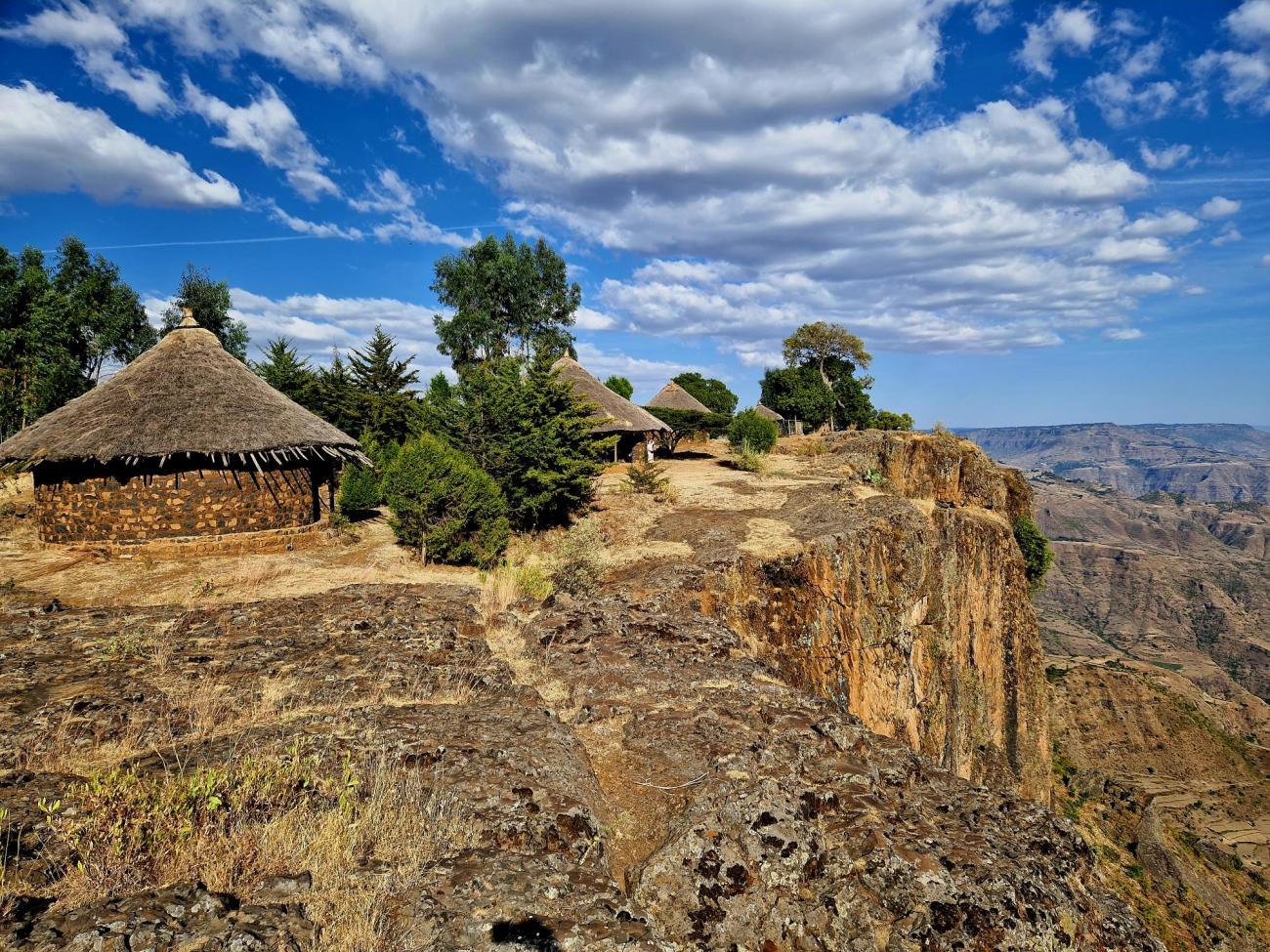
Pull up a map of Kenya’s Rift Valley. Now look at Ethiopia’s highlands. Notice what they have in common: they sit between 6,000 and 9,000 feet above sea level — an altitude where the air contains roughly 25% less oxygen than at sea level.
Living and training in this kind of environment forces the human body to adapt in a very specific way. With less oxygen available, the body responds by producing more red blood cells and higher levels of haemoglobin — the protein that carries oxygen to your muscles. The result? An athlete who trains at altitude and then races at sea level essentially arrives at the starting line with a biological upgrade: their blood carries oxygen more efficiently than almost every competitor around them.
The town of Iten, Kenya — perched at 2,400 metres (nearly 8,000 feet) above sea level on the edge of the Rift Valley — has become so legendary for producing champions that it’s been dubbed the “Home of Champions” by World Athletics. The training camps dotted around Iten and the nearby Kaptagat region, where Eliud Kipchoge trains for 11 months of the year, attract elite runners from Europe, the Americas, and Asia who travel there specifically to absorb some of what makes this place extraordinary.
But here’s the key detail most people miss: altitude training alone doesn’t explain the dominance. Western athletes have altitude tents. Europe has altitude camps in the Alps and the Pyrenees. The altitude advantage is real, but it’s only the first layer.
2. The Kalenjin Tribe Running Phenomenon
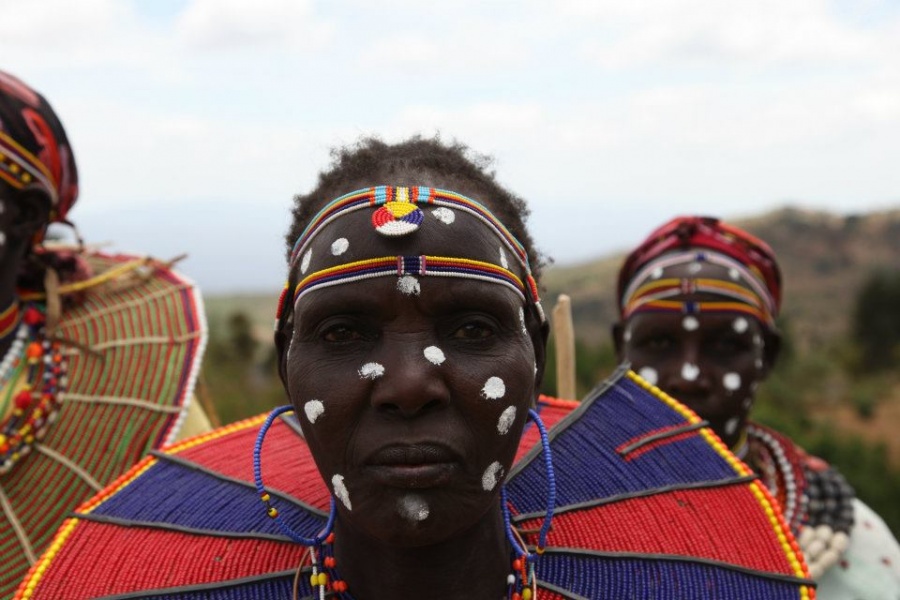
When scientists dug deeper, they discovered something striking: Kenya’s marathon dominance is not a national story — it’s a tribal one.
The Kalenjin people of Kenya’s Rift Valley, a group that makes up just about 5% of Kenya’s total population, have produced over 73% of Kenya’s international long-distance running medals. Eliud Kipchoge — the greatest marathon runner in human history — is Kalenjin. So is Faith Kipyegon, the 1,500m world record holder. So are David Rudisha, Wilson Kipsang, Geoffrey Kamworor, and dozens of other world champions.
The number that truly illustrates how extraordinary this is: the Kalenjin tribe numbers around 5 million people out of a country of 55 million, yet they have dominated a global sport for more than half a century.
In Ethiopia, the story is parallel. Elite Ethiopian distance runners are disproportionately from the Oromo ethnic group, and specifically from two regions: Arsi and Shewa. About 38% of elite Ethiopian marathoners come from the Arsi region alone — an area known for its high-altitude terrain and deeply embedded running culture.
So is it genetic? This is where the science gets careful. Researchers have noted that Kalenjin runners tend to have slender ankles and calves, lean ectomorphic body compositions, and longer legs relative to body size — all of which reduce the energy cost of each stride. Think of it like this: every gram of extra weight carried at the end of a leg increases the energy required to move that leg forward. Kalenjin body structure naturally minimises this. Studies have also found a higher proportion of slow-twitch muscle fibres — the type built for sustained endurance rather than explosive power.
However, the British Journal of Sports Medicine has been clear: no confirmed genetic advantage unique to East African runners has been definitively identified. The same body structure traits are found across other Nilotic populations who are not dominant runners. Genetics may contribute, but it cannot explain the dominance on its own. The story is bigger than DNA.
3. How East African Runners Build Fitness…

Here is the detail that stops every Western sports scientist in their tracks.
86% of elite Kenyan runners reported running to and from school as their primary mode of daily transport — often covering distances of 10 kilometres or more each way, barefoot or in minimal footwear, across hilly terrain, from as young as 6 years old. In Ethiopia, 68% of international marathon runners reported the same.
By the time a Kenyan child from the Rift Valley reaches their teenage years, they have already completed what would be considered elite-level aerobic training in any Western sports program — without ever entering a gym, speaking to a coach, or owning a pair of running shoes.
This is the foundation that no altitude tent or training camp can replicate. It is years of high-volume, low-intensity aerobic work built into the architecture of daily life. Western sports science now recognises this as one of the single most powerful contributors to East African dominance: unstructured, high-volume childhood running at altitude, accumulated over years before formal training even begins.
The culture of Iten reflects this completely. As one visiting runner described it: running in Iten is not a hobby — it is a lifestyle. Local athletes often run two to three sessions daily. The school children who watch Eliud Kipchoge run past on the red dirt roads outside town are not watching a celebrity. They are watching a neighbour. They are watching a version of what they believe they can become.
4. Eliud Kipchoge Training and the 60-Year-Old System
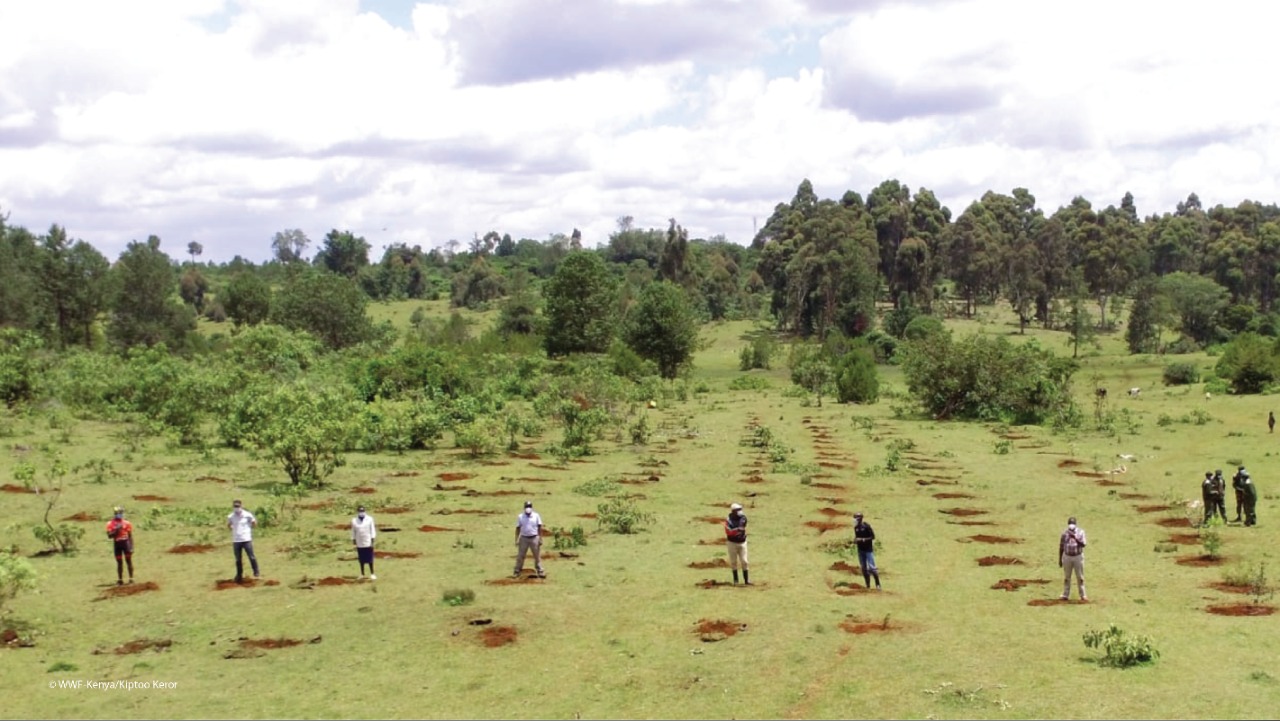
Walk into any elite training camp in Kaptagat or Iten, and you will not find complex analytics dashboards, GPS watches, or heart rate monitors being obsessed over. You will find groups of runners, often 20 to 30 at a time, running on unpaved red-dirt roads through hills and forests, guided by coaches who have been refining the same philosophy for decades.
Brother Colm O’Connell, the Irish Catholic teacher who arrived at St. Patrick’s High School in Iten in 1976 as a geography teacher and went on to coach multiple Olympic champions, including David Rudisha, has perhaps the most quoted line in African running: “The only secret is that there’s no secret.”
The training methodology that has produced champions for six decades is built on a few core principles:
- High mileage at comfortable intensity. Most training runs are done at a pace that feels easy — what coaches call “conversation pace.” This builds an enormous aerobic base without breaking the body down.
- Twice-weekly intense sessions. Threshold runs and track intervals are incorporated, but sparingly.
- Natural surfaces. The unpaved dirt roads around Iten reduce impact on joints, allowing far higher training volumes without injury.
- Group training culture. Runners train together in large groups, creating a competitive environment where the pace naturally lifts everyone. Mo Farah, after training in Iten, described the effect simply: “What opened my eyes was seeing how disciplined they are and how hard they work. It explains everything when you come here and see it for yourself.”
- Simple recovery. Early nights, communal meals, no distractions. The lifestyle in the training camps around Iten is deliberately stripped back.
The result is a training system that has accumulated generational knowledge and institutional wisdom over 60 years — something no other running culture in the world currently possesses at the same scale.
Also read: The Culture of Nigeria Africa — Bold, Ancient, and Taking Over the World
5. The Diet Behind Kenya and Ethiopia Distance Runner Performance

The Kenyan athletic diet would make many Western nutritionists nervous, but the science backs it up completely.
The traditional Kenyan runner’s diet consists of approximately 77% carbohydrates, 10% protein, and 13% fat. Meals are built around ugali (a dense cornmeal staple), sukuma wiki (leafy greens), beans, and milk. It is high in complex carbohydrates, relatively low in processed foods, and calorically dense.
At altitude, where the body is already working harder to process oxygen, a high-carbohydrate diet is specifically advantageous — carbohydrates require less oxygen to metabolise than fats, making them a more efficient energy source in low-oxygen environments. Ethiopian runners follow a similarly carbohydrate-forward diet, built around injera (fermented flatbread) and lentils.
There is no sports nutrition supplement industry propping up these performances. The fuel is traditional, local, and precisely suited to the demands of high-altitude endurance training.
6. Why Economic Hunger Is Part of the East Africa Long Distance Running Equation
It would be incomplete to tell this story without acknowledging one of its most human dimensions.
For many Kenyan and Ethiopian runners, a marathon victory is not just athletic glory — it is economic transformation. A top-three finish at a World Marathon Major carries prize money that, in the context of rural Kenya or Ethiopia, represents years of a family’s income. The motivational structure around running in East Africa is therefore fundamentally different from that of a middle-class Western runner chasing a personal best.
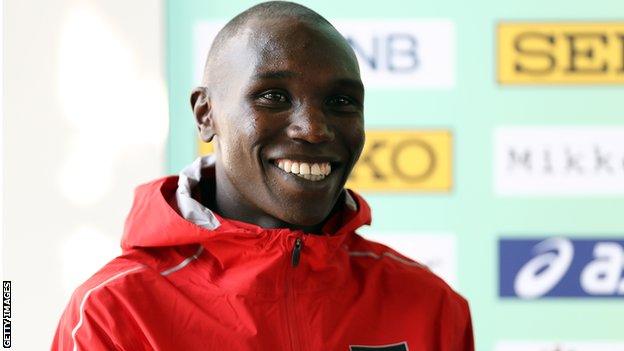
As three-time world half-marathon champion Geoffrey Kamworor put it: “Running is something that comes naturally to us as it’s something that has been part of our lifestyle since we were born.” But for many young runners, it is also the most reliable path out of poverty available to them.
This creates a pipeline of athletes who train with an intensity that is difficult to manufacture in an environment where food, education, and security are already guaranteed. It is not suffering that produces this intensity — it is purpose.
7. The Origin of African Runners’ Dominance
Every era has a starting point.
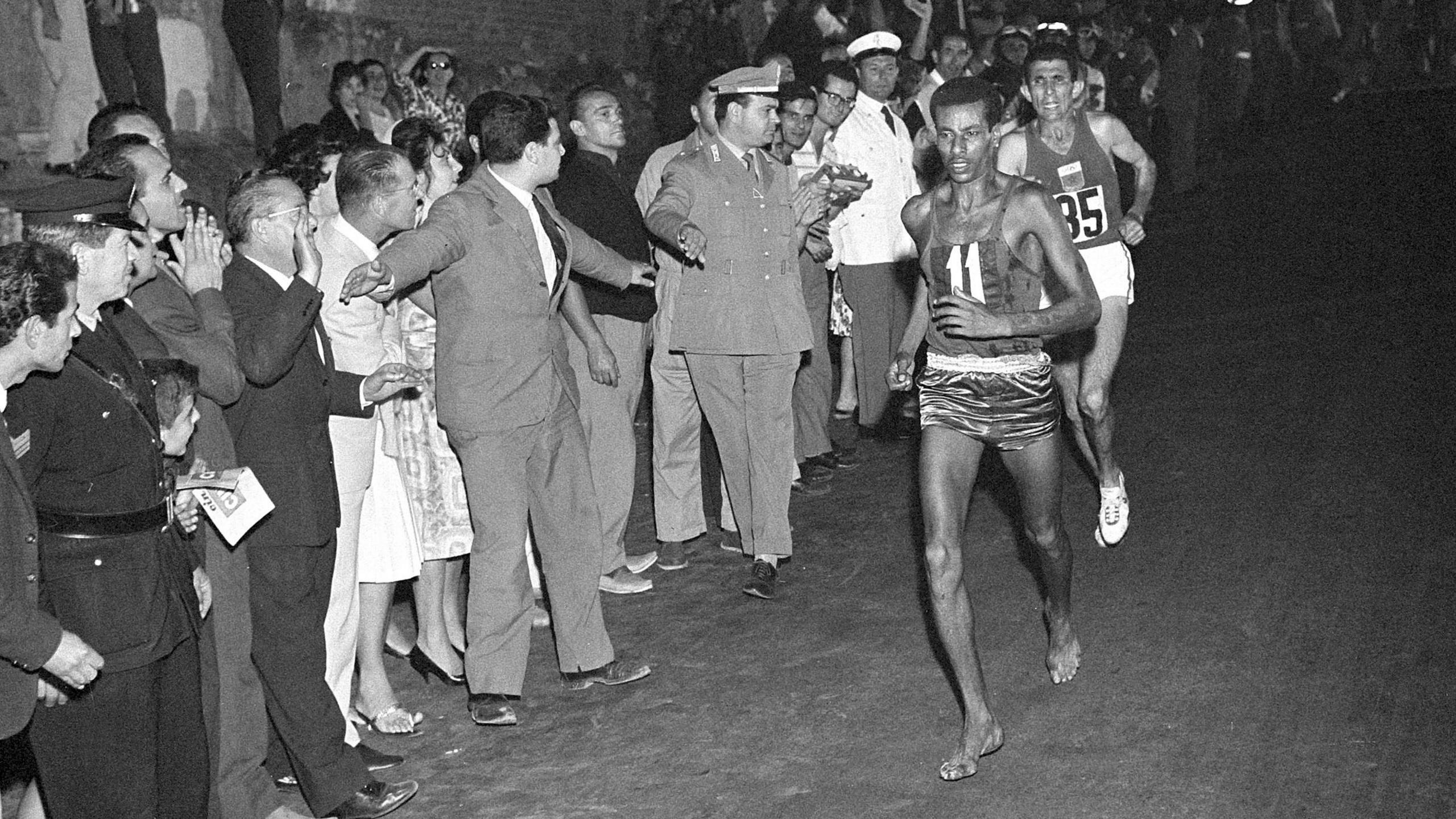
For East African distance running, the world changed at the 1960 Rome Olympics, when a barefoot Ethiopian named Abebe Bikila ran the marathon through streets lit by torches at night and won, setting a world record. No one had seen anything like it. Eight years later in Mexico City, Kipchoge Keino of Kenya’s Kalenjin tribe defeated the world record holder in the 1,500m — despite having been ordered not to run by his doctors, due to a gallbladder infection so painful that breathing at race intensity should have made running impossible. He not only ran. He set an Olympic record.
Those two moments planted a seed that six decades of cultural momentum, institutional knowledge, and infrastructure have turned into the single most dominant dynasty in the history of endurance sports.
The Bottom Line
The dominance of Kenya and Ethiopia in marathon running is not a mystery, a fluke, or a simple genetic story. It is the output of six overlapping advantages that compound on each other across generations:
- Altitude — bodies built for oxygen efficiency from childhood
- Ancestry — specific ethnic groups with biomechanically efficient physiques
- Childhood activity — years of high-volume running baked into daily life
- Training culture — a 60-year-old system of collective, disciplined, simple training
- Diet — high-carbohydrate fuel that is perfectly matched to altitude training demands
- Motivation — economic and cultural stakes that transform running into a life mission
Remove any one of these factors, and the story changes. Together, they have created something the world has never seen in any other sport: an entire region that treats marathon running the way Brazil treats football, Jamaica treats sprinting, or the United States treats basketball.

