
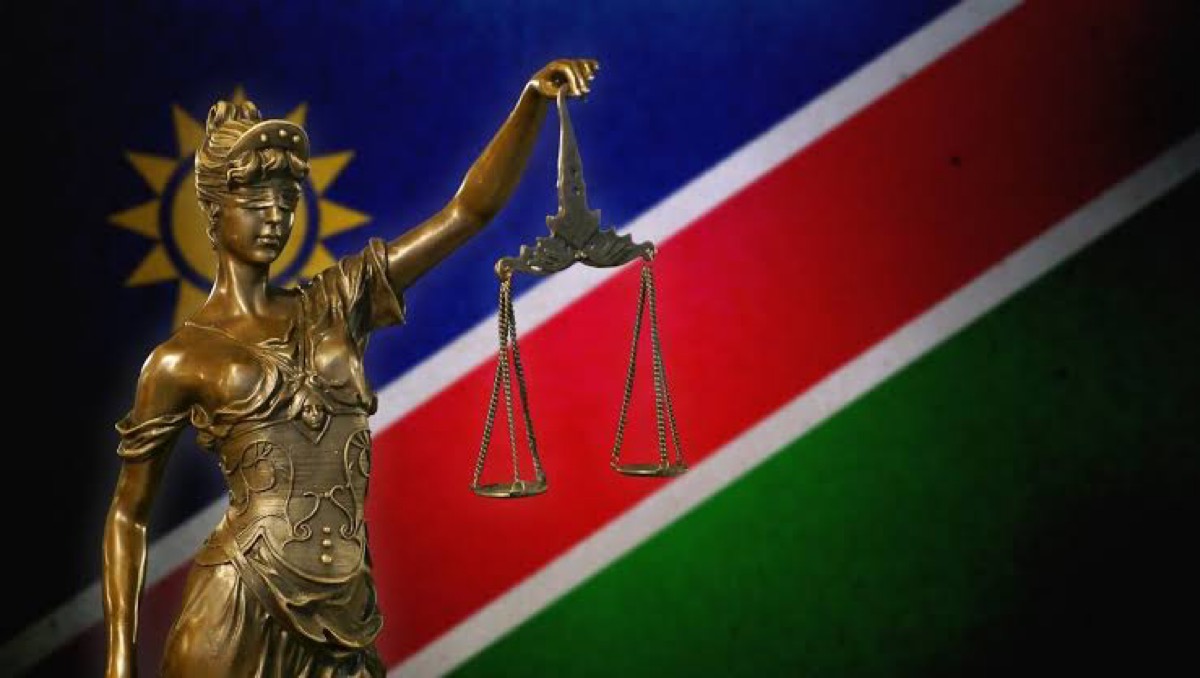
Gender equality campaigners in Namibia have welcomed the appointment of the country’s first female Supreme Court justices.
Association of Women Lawyers of Namibia President Ruth Herunga said the appointment of three women judges for the first time since the country’s independence could be seen as breaking the glass ceiling.
Despite the rise of women to positions of political power, Herunga said, a significant number of African countries still lag behind when it comes to representing women at the highest levels of the judiciary.
“It is now recognized that the contribution of women judges worldwide and their active participation at all levels of decision making is essential to the achievement of equality and democracy. With these appointments, Namibia also joins the ranks of other countries both on the continent as well as the world who have in recent times already appointed women judges to the highest court,” she said.
The country’s justice minister, Yvonne Dausab, welcomed the appointments but said more needs to be done in terms of representation as top leadership in both the Supreme Court and lesser Courts is still male-dominated.
Also, read; Kanye West Donda Academy Sued By Former Teachers Who Allege Students Were Only Fed Sushi
“We anticipate there will be many cases in the coming months, affecting a variety of issues and a variety of people. You want to make sure the seat reflects the demographics that people come from so people have confidence in the system,” she said.
An all-male court in Namibia recently overturned a Supreme Court ruling in favor of a same-sex couple applying for citizenship for a child they claimed was their own – born through surrogacy in South Africa.
On that issue, Supreme Court Justic eEsi Shimming-Chase ruled that the child should be granted citizenship, but the Supreme Court of Appeals overturned that decision.
Shimming-Chaseis now appointed to the High Court alongside Namibian High Court Justice Joanna Prinsloo for a one-year term.
Rita Makarao, Justice of Zimbabwe’s Constitutional Court, is the third new Justice on the Supreme Court.
Namibia’s legal system allows judges from other jurisdictions to work in the country’s High Courts and High Courts. Namibia, South Africa, Zimbabwe and many other countries in the South African Development Community have similar systems and allow lawyers to work across borders as long as they are registered.

