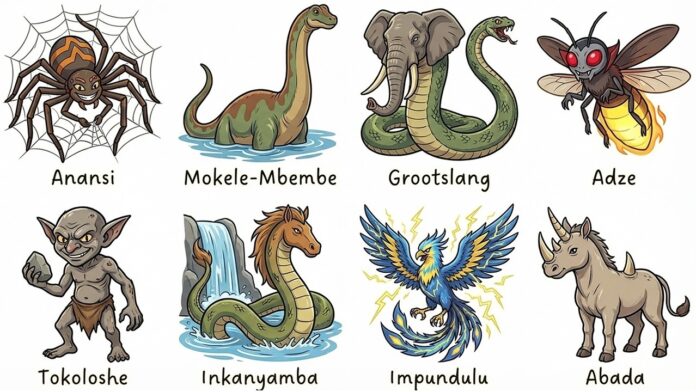
African folklore creatures are among the most fascinating and culturally rich supernatural beings in world mythology. Long before written literature, African communities used stories of spirits, monsters, and shape-shifting beings to explain the unexplainable, teach moral lessons, and pass down ancestral wisdom. These creatures are not simply scary stories; they are living expressions of how African cultures understand the relationship between the human world and the forces that surround it.
What Are African Folklore Creatures?
Definition and Origins
African folklore creatures are supernatural beings’ spirits, monsters, tricksters, and mythical animals that appear in the oral traditions of African ethnic communities across the continent. They emerged from thousands of years of storytelling in communities where oral transmission was the primary method of preserving knowledge, history, and spiritual understanding. Each creature belongs to a specific cultural tradition, with its own origin story, powers, and symbolic meaning tied to the community that created it.
The Importance of Oral Tradition
African folklore creatures exist primarily in oral tradition stories told by elders to children around fires, passed down through generations without being written. This makes them live rather than fixed beings; their characteristics shift subtly between communities and storytellers, reflecting local geography, social concerns, and spiritual beliefs. Understanding these creatures means understanding African traditions and storytelling culture as a sophisticated knowledge system, not merely entertainment.
The Role of Folklore Creatures in African Culture
Teaching Moral Lessons
Many African folklore creatures function as moral teachers encoded in frightening form. The Tokoloshe punishes those who behave badly. The Adze targets greedy and selfish community members. Water spirits reward those who respect rivers and punish those who take more than their share. By attaching moral consequences to supernatural beings, communities created stories that taught children and adults about expected behavior without requiring written law codes.
Explaining Natural Events
Before modern science, folklore creatures explained natural phenomena that communities experienced but could not otherwise understand. Sudden illness, drought, floods, lightning strikes, and unexplained deaths all found explanation in the actions of supernatural beings. The Inkanyamba, a serpentine storm creature of Southern Africa, explained violent cyclones. The Impundulu’s lightning strike explained sudden death. These explanations were not superstitions replacing thought, they were sophisticated attempts to make sense of a complex and often dangerous natural world.
Protecting Community Traditions
Folklore creatures also served as enforcers of community norms and boundaries. Sacred groves were protected by stories of spirit that punished those who cut their trees. Rivers were protected by water spirits that drowned those who overfished or polluted. Children were kept from dangerous areas by stories of creatures that lurked there. In this way, African folklore creatures functioned as an indigenous conservation and social regulation system embedded in cultural narrative.
Famous African Folklore Creatures
Tokoloshe
The Tokoloshe is one of Southern Africa’s most widely known and feared folklore creatures, originating primarily from Zulu and Xhosa traditions. Described as a small, hairy, humanoid being with malevolent intentions, the Tokoloshe is summoned by witches to terrorize or harm enemies entering homes at night to attack sleeping victims. To protect against it, many Southern Africans traditionally placed their beds on bricks to raise them off the ground, keeping them out of the Tokoloshe’s reach. The creature represents community anxiety about witchcraft, jealousy, and the misuse of spiritual power against neighbors as a reflection of very real social tensions in close-knit communities.
Mami Wata
Mami Wata is one of Africa’s most complex and widely distributed supernatural figures a water spirit associated with rivers, lakes, and the sea across West, Central, and Southern Africa, as well as the African diaspora in the Caribbean and Americas. She is typically depicted as a beautiful woman with the lower body of a fish or serpent, sometimes holding a snake. Mami Wata is simultaneously dangerous and generous she can bring wealth, beauty, and healing to those she favors, and madness, illness, or drowning to those who displease her. She represents the ambivalent power of water itself: life-giving and deadly, beautiful and terrifying.
Adze
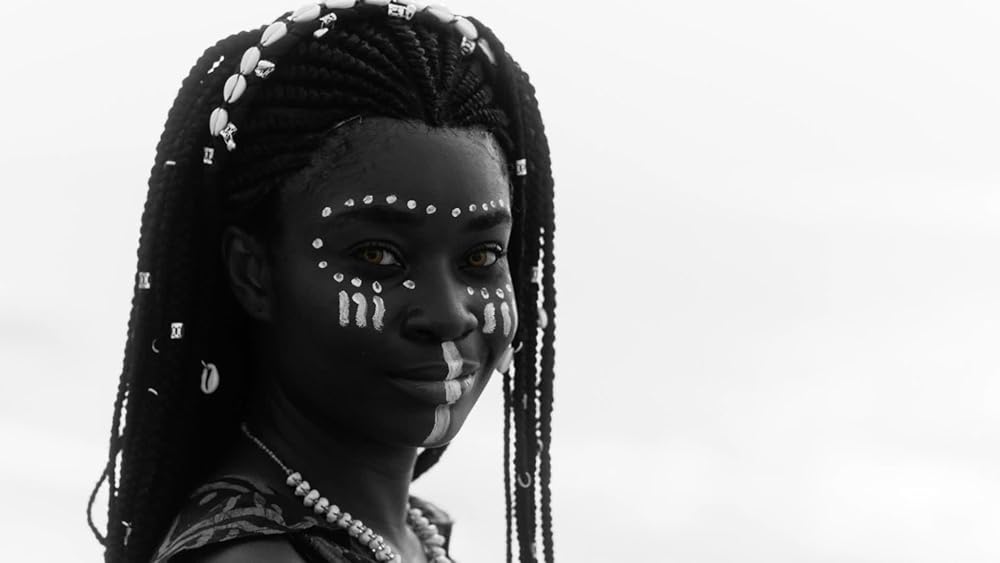
The Adze is a vampire-like creature from Ewe folklore in Ghana and Togo. In its natural form it appears like a firefly, small enough to pass through locked doors and windows. Once inside a home, it transforms into a human-like figure and feeds on the blood of sleeping people particularly children. It is associated with the dark side of communal life: envy, the evil eye, and the fear that members of one’s own community may harbor malice. The Adze’s firefly form reflects actual fireflies in the West African night, making the folklore connection between the ordinary and the supernatural particularly effective.
Popo Bawa
Popo Bawa originates from Zanzibar and parts of coastal East Africa, with reported sightings concentrated in the 1970s and again in the 1990s. It is described as a shape-shifting creature with bat-like wings and one eye, known for attacking people in their sleep. Unlike many folklore creatures with ancient origins, the Popo Bawa has a more recent documented history some scholars link its emergence to social upheaval and political anxiety in post-revolutionary Zanzibar. It represents how folklore creatures continue to evolve and emerge in response to contemporary social stresses, not just ancient ones.
Groot slang
The Groot slang “Great Snake” in Afrikaans is one of Southern Africa’s most dramatic legendary creatures, described as a massive beast combining the features of an elephant and a serpent. According to legend, the gods made an error in creating this creature and split it into elephants and snakes separately, but one original Groot slang escaped and hid in a cave in Richtersveld, South Africa known as the Wonder Hole. Groot slang is said to have an insatiable appetite for elephants and a weakness for precious gems offering Groot slang can reportedly buy escape. The creature reflects indigenous Khoisan and Cape Afrikaner traditions about the natural dangers of the subcontinent’s wild interior.
Impundulu
The Impundulu “Lightning Bird” is a supernatural creature from Zulu, Xhosa, and Pondo folklore, believed to be a large black-and-white bird that summons lightning and thunder. It is closely associated with female witch doctors and witches, who are said to keep Impundulu as a familiar that also takes the form of a handsome young man to seduce women. The Impundulu’s blood is considered extremely dangerous, and its eggs, if found, must be treated with extreme care. The creature connects the community’s experience of lightning sudden, violent, and unpredictable with the broader system of beliefs about witchcraft, spiritual power, and gender in Southern African traditional culture.
Asanbosam
The Asanbosam is a vampire-like creature from the folklore of the Akan people of Ghana and Côte d’Ivoire. Unlike European vampires, the Asanbosam lives in the forest rather than in tombs it waits in trees and drops onto unsuspecting travelers below, gripping them with iron hooks that serve as its feet. It feeds on blood and is particularly associated with the dangers of forest travel at night. The Asanbosam reflects the real dangers of West African forests dangerous animals, disorientation, and the genuine risk of harm transformed into supernatural narrative that reinforced the practical wisdom of avoiding forest travel after dark.
Inkanyamba
The Inkanyamba is a massive serpentine creature from Zulu and Xhosa folklore, said to inhabit waterfalls and deep pools most famously associated with Howick Falls in KwaZulu-Natal, South Africa. It is described as an enormous eel-like creature with a horse-like head, capable of causing violent storms when it flies through the sky seeking a mate. Local communities have reported Inkanyamba sightings for generations, and the creature holds genuine cultural significance as a guardian of sacred water sources. The Inkanyamba represents the intersection of indigenous ecology real giant eels do inhabit some Southern African waters with supernatural belief about the spiritual power of specific landscape features.
African Folklore Creatures by Region
| Region | Key Creatures | Common Traits | Primary Themes |
| West Africa | Adze, Asanbosam, Mami Wata | Shape-shifting, vampiric, water-associated | Witchcraft, envy, forest danger |
| East Africa | Popobawa, Mami Wata | Nocturnal, shapeshifting | Social anxiety, water power |
| Southern Africa | Tokoloshe, Impundulu, Grootslang, Inkanyamba | Witch-associated, elemental | Witchcraft, lightning, water |
| Central Africa | Mami Wata variants, forest spirits | Water-associated, forest-dwelling | Water power, forest danger |
| North Africa | Djinn, Ghoul | Shape-shifting, desert-dwelling | Desert danger, moral consequences |
West African Creatures
West Africa has the richest concentration of documented African folklore creatures, reflecting the region’s extraordinary cultural diversity. The Adze and Asanbosam represent the vampiric tradition, while Mami Wata connects spirituality to water as a source of both power and danger. Trickster figures are particularly prominent here Anansi the spider of Akan tradition spread across the African diaspora to become one of the most widely known African folklore characters in the world.
East African Creatures
East African folklore reflects the region’s ecological diversity and centuries of Indian Ocean trade contact. The Popobawa of Zanzibar combines indigenous belief with social anxiety from rapid political change. Water spirits like Mami Wata appear along the coast, tied to the ocean’s power. Highland communities in Kenya, Uganda, and Tanzania maintain traditions of forest spirits and mountain guardians protecting sacred natural spaces.
Southern African Creatures
Southern Africa has the continent’s richest documented folklore creature tradition. The indigenous communities of South Africa preserve detailed oral traditions about the Tokoloshe, Impundulu, Inkanyamba, and Grootslang that remain culturally active today. Traditional healers sangoma interact with these supernatural forces in active healing practice, making these creatures part of a living spiritual system rather than merely historical legend.
Central African Creatures
Central African folklore centers on forest spirits and water beings tied to the Congo River basin. The Congo River itself is understood as inhabited by powerful supernatural forces in Congolese tradition. Forest spirits protect the rainforest from overexploitation a function paralleling environmental protection mythology found in forest communities worldwide. Shape-shifting beings capable of moving between human and animal form appear frequently, reflecting the region’s extraordinary biodiversity.
Common Types of African Mythical Beings
Water Spirits
Water spirits are among the most universally present supernatural beings across African folklore traditions. From Mami Wata in West and Central Africa to the Inkanyamba of Southern Africa and the Jengu of Cameroon, virtually every African culture with significant water sources has developed supernatural beings associated with them. This universal presence reflects the practical importance of water in agricultural and pastoral African societies; its power to give life and take it makes it a natural site for supernatural belief.
Shape-Shifting Creatures
Shape-shifting creatures appear across African folklore with remarkable consistency. The ability to move between animal and human form or between visible and invisible states reflects deep beliefs about the permeability of the boundary between the human world and the spiritual world. The Adze shifts between firefly and human form. The Popo Bawa transforms between bat-creature and human. Many water spirits can appear as beautiful humans before revealing their true nature. Shape-shifting represents the folklore understanding that dangerous forces often disguise themselves as safe or beautiful before revealing their true character.
Monster Legends
Pure monster legends are powerful creatures without spiritual complexity also feature across the continent. The Grootslang, the Inkanyamba, and various giant serpent legends often have ecological correlates in genuinely dangerous natural features, suggesting that folklore monsters frequently encode practical environmental warnings into memorable supernatural narrative.
Trickster Beings
Trickster figures beings whose power comes from cunning rather than force occupy a special place in African folklore. Anansi the spider of Akan tradition and the Hare of East African folklore are among the most famous examples of clever small beings who outwit larger opponents. These stories taught communities that intelligence and adaptability are forms of power that physical strength cannot always overcome.
Symbolism Behind African Folklore Creatures
African folklore creatures’ function within the spiritual worldview of African traditional religion the understanding that a spirit world coexists with and constantly intersects the physical world. Each creature represents a specific category of spiritual force: malevolent witch familiars, nature spirits attached to specific places, or dangerous transformed ancestral spirits. Their spiritual meanings are serious, not decorative.
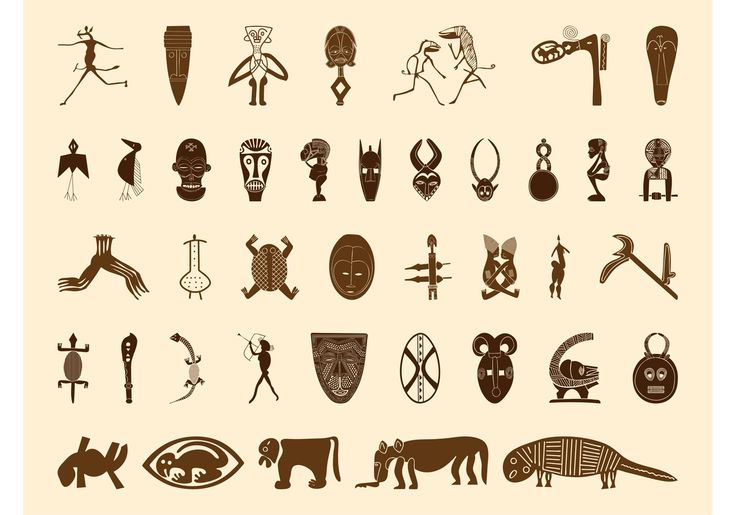
Every major African folklore creature also carries targeted cultural messages. The Tokoloshe warns against jealousy and witchcraft. Mami Wata warns about the danger of easy wealth and beauty. The Adze targets those marked by community envy. And alongside spiritual meaning come practical social lessons: avoid forest travel at night, respect water sources, do not sleep unprotected on the ground. These lessons embedded in supernatural narrative are far more memorable than direct instruction, which is exactly why storytelling was Africa’s primary educational technology for thousands of years.
African Folklore Creatures in Modern Media
African folklore creatures are finding growing audiences across literature, film, and interactive media. Nigerian, South African, and Ghanaian authors have built contemporary fiction around Mami Wata, the Tokoloshe, and various spirits using supernatural elements to explore modern African social realities in ways that challenge Western fantasy’s near-exclusive reliance on European mythology. Nigerian Nollywood, the world’s second-largest film industry by volume, regularly features traditional supernatural beings in contemporary drama. South African horror films draw extensively on Tokoloshe mythology. The global success of Black Panther demonstrated that African mythological depth resonates powerfully with international audiences when treated seriously. African video game development is also expanding the use of indigenous folklore creatures in interactive media, with studios increasingly drawing on authentic traditional sources for character and world design.
Comparison Table of African Folklore Creatures
| Creature | Region | Type | Primary Trait | Associated Fear |
| Tokoloshe | Southern Africa | Witch familiar | Nocturnal attack | Witchcraft, jealousy |
| Mami Wata | West, Central Africa | Water spirit | Beauty, wealth, danger | Drowned by water spirits |
| Adze | West Africa (Akan) | Vampire | Firefly form, blood-drinking | Envy, night attack |
| Popobawa | East Africa (Zanzibar) | Shape-shifter | Bat creature, night terror | Social anxiety, night attack |
| Grootslang | Southern Africa | Monster | Elephant-snake hybrid | Cave dangers, greed |
| Impundulu | Southern Africa | Witch familiar | Lightning bird | Lightning, witchcraft |
| Asanbosam | West Africa (Akan) | Vampire | Iron hooks, tree-dweller | Forest danger at night |
| Inkanyamba | Southern Africa | Water monster | Storm serpent | Storms, sacred water |
Frequently Asked Questions
What is the most famous African folklore creature?
Mami Wata is arguably the most widely distributed African folklore creature, with versions appearing across West Africa, Central Africa, Southern Africa, and throughout the African diaspora in the Americas and Caribbean. The Tokoloshe is probably the most widely known within Southern Africa specifically, remaining culturally active in contemporary South African life.
Is the Tokoloshe real in African folklore?
The Tokoloshe is understood as a real supernatural being within Zulu and Xhosa traditional belief systems not a fictional character but an actual spiritual threat that people take protective measures against. Many South Africans, including urban, educated individuals, continue to raise their beds on bricks as traditional protection. Whether one believes in the Tokoloshe or not, its cultural reality is demonstrated by its continued presence in daily life and decision-making.
Who or what is Mami Wata?
Mami Wata is a water spirit rather than a goddess in the strict sense, though the distinction is not always meaningful in African spiritual traditions. She is understood as a powerful supernatural being associated with bodies of water, capable of granting wealth and beauty to devotees while also causing madness and drowning in those who displease her. She has priestesses and cult followers across West and Central Africa who maintain active ritual relationships with her.
Which African folklore creature is most like a vampire?
Both the Adze and the Asanbosam from Akan folklore in Ghana and Côte d’Ivoire share characteristics with vampire legends; they feed on blood, attack sleeping victims, and have supernatural abilities. The Adze’s firefly form and ability to pass through solid barriers makes it arguably more creative than the European vampire tradition. The Asanbosam’s tree-dwelling ambush technique reflects specifically West African forest ecology rather than European castle and coffin imagery.
Are African folklore creatures still relevant today?
Absolutely. African folklore creatures remain culturally active in ways that European mythological creatures generally are not. Traditional healers incorporate belief in creatures like the Impundulu and Tokoloshe into healing practice. Communities still observe protective customs related to water spirits. Nollywood films feature folklore creatures regularly. And new creatures like the Popobawa continue to emerge in response to contemporary social conditions. African folklore is not a museum exhibit; it is a living cultural system.
Explore More African Culture and Heritage
African folklore creatures are doorways into one of the world’s richest and most complex cultural traditions. Behind every supernatural being is a community’s history, ecology, spiritual worldview, and accumulated wisdom about how to live together and make sense of the world. These stories deserve to be understood with the same seriousness given to Greek myths or Norse legends.
Explore more at ILoveAfrica.com and discover the full depth of Africa’s living cultural heritage.

