African outfits for women are some of the most vibrant, versatile, and culturally rich clothing traditions in the world. From bold Ankara prints to elegant Kente cloth and flowing Boubou gowns, African fashion covers every occasion, every body type, and every personal style. Whether you are dressing for a wedding, a casual day out, or a formal event, there is an African outfit that fits beautifully.
What Are African Outfits for Women?
The Cultural Importance of African Fashion
African fashion is not merely about aesthetics; it is a living expression of identity, heritage, and community. Each fabric, pattern, and garment style carries cultural meaning tied to the ethnic tradition it comes from. Understanding traditional African clothing reveals how deeply fashion is woven into ceremonies, social roles, and daily life across the continent. When a woman wears Kente cloth or wraps herself in Adire, she is connecting to a tradition that stretches back centuries.
How African Fashion Has Evolved
African fashion has moved confidently from local tradition to global runway over the past two decades. Contemporary African designers in Lagos, Accra, Nairobi, and Johannesburg are blending traditional fabrics and techniques with modern silhouettes, creating outfits that work in both cultural and international fashion contexts. The result is a fashion ecosystem that is simultaneously rooted and forward-looking honoring heritage while fully embracing the present.
Most Popular Types of African Outfits for Women
Ankara Dresses
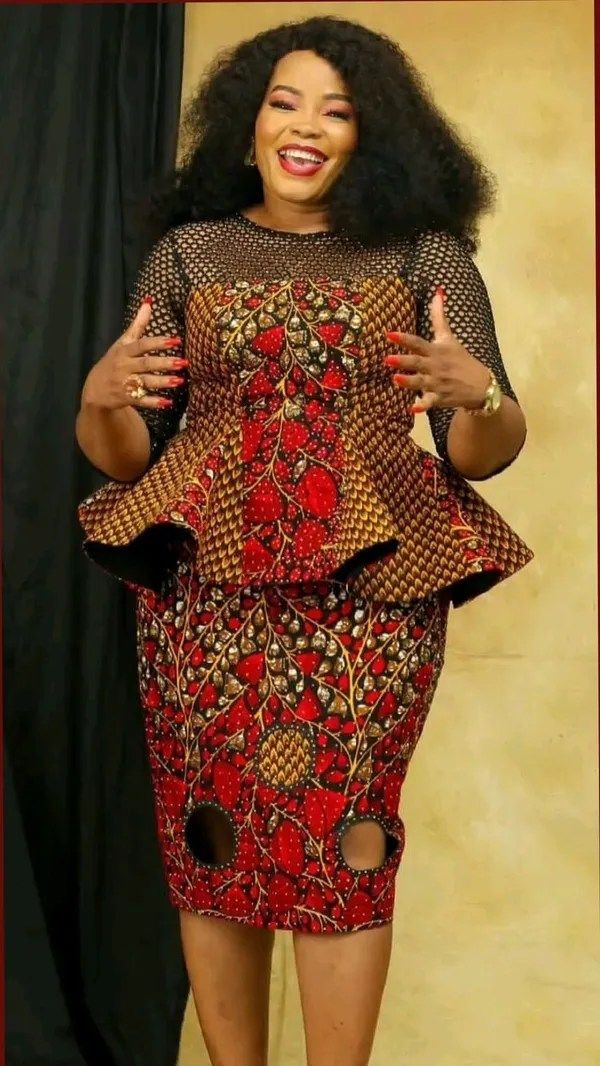
Ankara is the most widely worn African print fabric in the world, characterized by its bold geometric patterns, vivid colors, and wax-resist dyeing technique. Originally produced in the Netherlands for West African markets, Ankara was adopted so enthusiastically that it became the defining fabric of West African fashion identity. Today it appears in everything from fitted body-con dresses to flowing maxi gowns and structured blazers.
Popular Ankara dress styles:
- Off-shoulder Ankara maxi dresses
- Ankara wrap dresses with belt detail
- Peplum Ankara tops with matching skirts
- Ankara jumpsuits for parties and events
- Ankara midi dresses for office and church
Kente Outfits
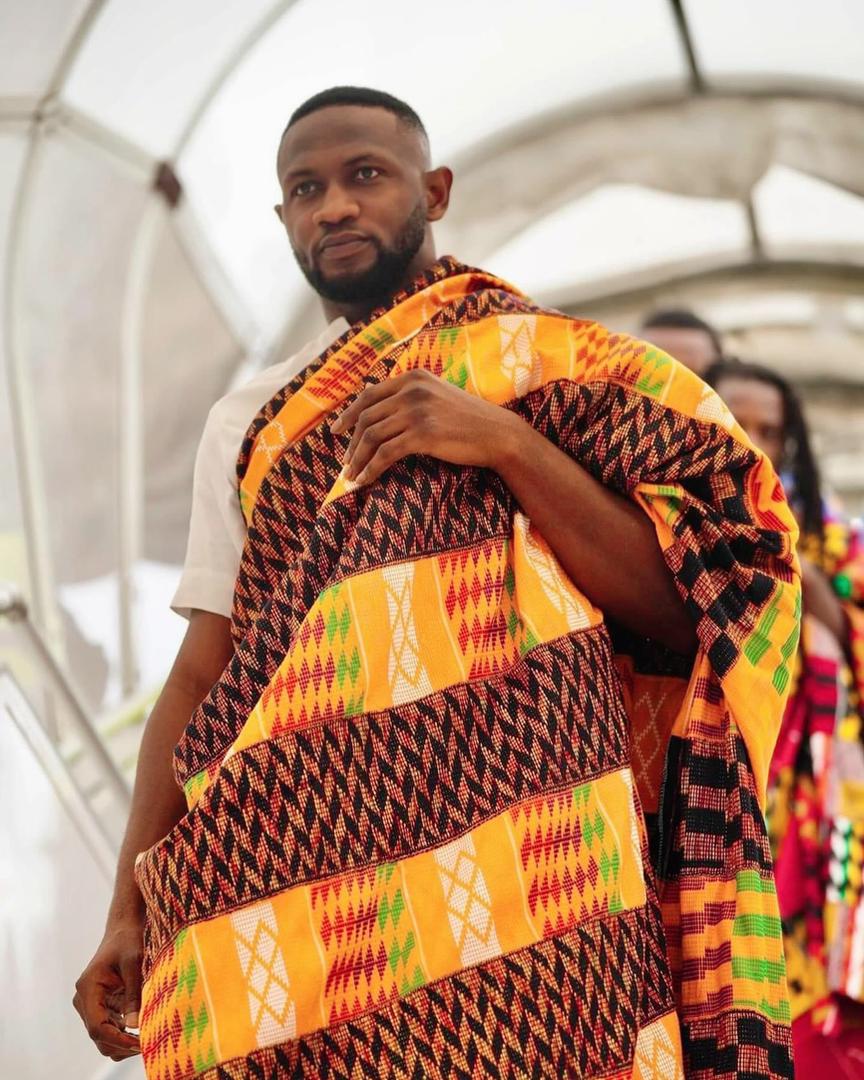
Kente cloth originates from the Ashanti Kingdom of Ghana and is woven in narrow strips of silk and cotton before being sewn into larger garments. The colors carry specific meanings gold for wealth and royalty, green for growth, black for spiritual maturity. Kente outfits for women range from full Kente gowns worn at traditional ceremonies to modern dresses, skirts, and even accessories that incorporate Kente fabric as a statement element.
Dashiki Dresses
The Dashiki is a loose-fitting, brightly colored garment originally from West Africa that became a global symbol of African cultural pride during the 1960s civil rights movement. For women, Dashiki styles range from simple oversized tops to tailored Dashiki dresses with V-neck embroidery, matching trousers, and fitted cuts. The fabric’s comfort and bold aesthetic make it equally at home at cultural festivals and casual weekend outings.
Kitenge Styles
Kitenge is East Africa’s answer to Ankara a similar wax-print cotton fabric widely used in Kenya, Tanzania, Uganda, and Rwanda. Kitenge outfits tend to incorporate the fabric’s bold prints into contemporary silhouettes: bodycon dresses, pencil skirts, tailored blazers, and fitted tops that blend African textile tradition with modern fashion sensibility. Kitenge fashion has produced some of East Africa’s most celebrated contemporary designers.
Adire Fashion
Adire is a Yoruba hand-dyed indigo fabric from southwestern Nigeria, produced using tie-dye and batik resist-dyeing techniques that create distinctive blue-and-white patterns. Adire fashion has experienced a major revival in recent years, with contemporary designers using the traditional fabric in modern silhouettes midi dresses, co-ord sets, and structured blazers that bring indigenous textile craft into contemporary wardrobes.
Kaftans
The African kaftan a long, flowing robe-style dress is one of the most elegant and universally flattering garments in African women’s fashion. Kaftans appear across West and North Africa, made from luxurious fabrics including silk, brocade, and embroidered cotton. They are equally appropriate for formal occasions, cultural ceremonies, and relaxed home entertaining, making them one of the most versatile options in any African wardrobe.
Boubou Dresses
The Boubou is a wide, flowing robe worn across West Africa, particularly in Senegal, Mali, Guinea, and The Gambia. For women, the grand boubou is a statement garment voluminous, beautifully embroidered at the neckline and cuffs, and worn with a matching headwrap. It is the formal dress of choice for important ceremonies, religious celebrations, and official occasions across the Sahel and West African coast.
Lace African Dresses
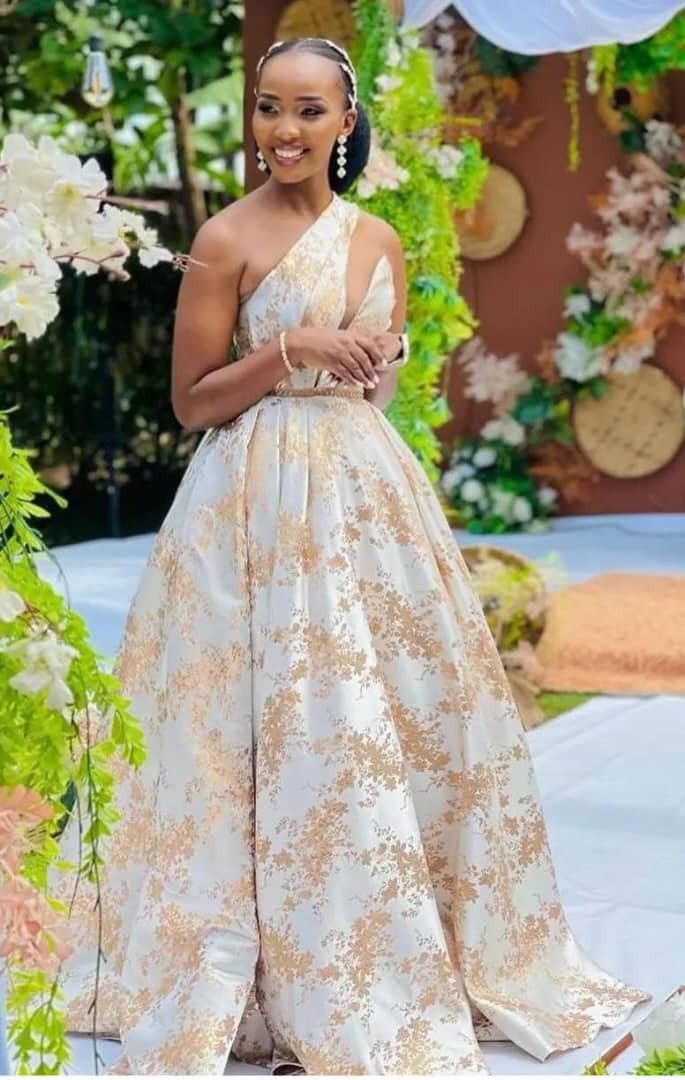
African lace dresses blend imported lace fabric with African tailoring traditions to create elegantly textured garments most popular for weddings, church services, and formal celebrations. Nigerian lace fashion has developed into a sophisticated design tradition, with aso-ebi (coordinated group fabric choices for events) driving the creation of elaborate lace gowns, two-piece sets, and formal wear that combine lace with Ankara or Kente accents.
African Outfits by Occasion
| Occasion | Recommended Outfit | Recommended Fabric |
| Wedding guest | Ankara maxi dress or lace gown | Ankara, lace, Kente |
| Traditional ceremony | Grand Boubou or Kente gown | Kente, brocade, Boubou fabric |
| Casual everyday | Kitenge midi dress or Dashiki top | Kitenge, Ankara cotton |
| Office wear | Ankara blazer with trousers | Ankara, Adire |
| Church | Lace dress or kaftan | Lace, embroidered fabric |
| Party and evening | Sequined Ankara or bodycon dress | Ankara, velvet, sequin |
Wedding Guest Outfits
African weddings are fashion events as much as celebrations, and the expectation for wedding guest outfits is high. Ankara maxi dresses in complementary colors, lace gowns with bold headwraps, and Kente-accented two-piece sets are the most popular choices. Many Nigerian and Ghanaian weddings use aso-ebi a coordinated fabric that all guests on one side of the family wear, creating stunning visual unity across the celebration.
Traditional Ceremonies
Traditional ceremonies demand garments that honor heritage. Full Kente cloth gowns for Ghanaian ceremonies, Grand Boubou dresses for Senegalese and Malian celebrations, and embroidered Agbada-style gowns for Nigerian traditional events are the gold standard. These are occasions where the cultural significance of the fabric matters as much as the aesthetic.
Casual Everyday Wear
African fashion works beautifully for everyday casual wear when scaled back in formality. A Kitenge wrap skirt with a simple top, an Adire midi dress with flat sandals, or an Ankara shirt dress worn open over jeans are all relaxed, stylish choices that bring African textile tradition into daily life. The key is choosing lighter-weight fabrics and simpler silhouettes that move easily through the day.
Office Wear
African print workwear has become significantly more mainstream as workplace dress codes have evolved. Ankara blazers over neutral trousers, structured Kitenge pencil skirts with plain blouses, and tailored Dashiki-inspired shirts all bring African print into professional contexts without sacrificing the formality the office requires. The trick is treating African fabric the same way you would treat any other professional textile fit and tailoring matter more than the print itself.
Church Outfits
Church dress in many African communities is among the most fashion-forward regular occasion wear. Long-sleeved lace dresses, embroidered kaftans, and full Boubou gowns with matching headwraps are all popular choices. Nigerian Pentecostal church fashion has developed its own highly sophisticated aesthetic around structured lace gowns and coordinated accessories.
Party and Evening Looks
Evening and party African outfits are where creativity gets fullest expression. Bodycon Ankara dresses with statement jewelry, sequined Kitenge maxi skirts with simple tops, and off-shoulder Adire gowns with heeled sandals all deliver maximum visual impact. Bold earrings, a sculptural headwrap, and a beaded clutch complete an evening African look that competes with any global fashion aesthetic.
Modern African Fashion Trends for Women in 2026
Two-Piece Sets
African print co-ord sets matching crop top and wide-leg trousers, or structured blazer and skirt in the same Ankara or Kitenge print have become one of the dominant fashion trends across the continent and diaspora. They offer outfit-building simplicity with maximum visual impact and work across casual, party, and semi-formal contexts depending on how they are styled.
Maxi Dresses
The African maxi dress remains a cornerstone of women’s African fashion for 2026. Floor-length Ankara and Kitenge maxi dresses in bold prints with structured bodies, interesting necklines, and dramatic sleeves offer effortless elegance for both everyday and occasion wear. The key 2026 direction is elevated tailoring maxi dresses with corseted waists, asymmetric hems, and sculptural sleeve details.
Statement Sleeves
Dramatic sleeve details balloon sleeves, bishop sleeves, puff sleeves, and flutter sleeves in bold African prints are among the defining fashion statements of 2026 African women’s fashion. These silhouettes photograph beautifully, honor the dramatic textile traditions of African fashion, and create memorable looks without requiring complex styling.
Sustainable African Fashion
Sustainable fashion and African textile tradition are natural allies. Hand-dyed Adire, hand-woven Kente strips, and naturally dyed Mud Cloth are produced using traditional techniques that are inherently low-impact. A growing movement of African designers is centering sustainability explicitly using natural dyes, recycled fabrics, and slow-fashion production models that honor both environmental responsibility and craft tradition.
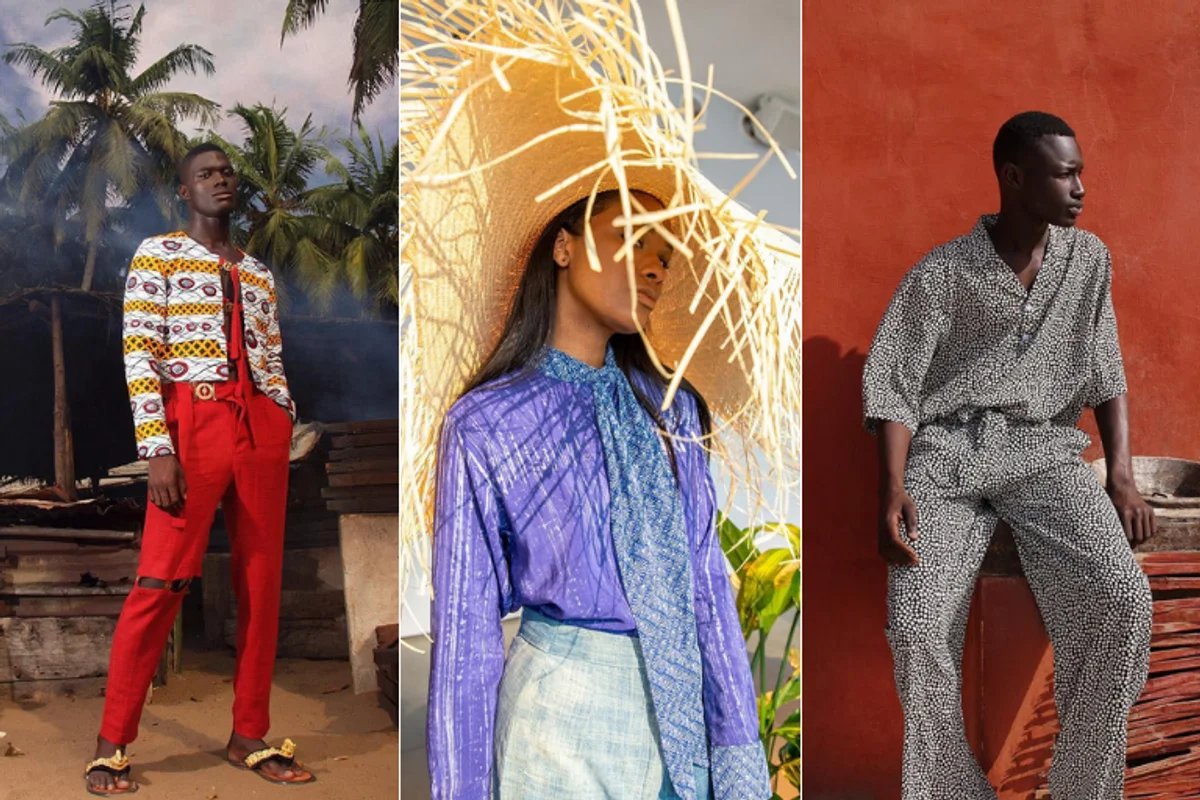
African Outfits by Body Type
| Body Type | Recommended Styles | What to Emphasize |
| Petite | A-line midi dresses, vertical prints | Height and length |
| Curvy | Wrap dresses, belted kaftans | Natural waist |
| Plus size | Empire waist maxi dresses, flowing kaftans | Comfort and confidence |
| Tall | Bold maxi dresses, wide-leg trousers | Proportional balance |
Petite women look best in A-line Ankara midi dresses with vertical print direction and a defined waist high-waisted Kitenge skirts with cropped tops also create elegant proportion. Curvy women are served brilliantly by wrap dresses, whose adjustable waist ties create natural definition while the skirt flows gracefully over the hips; belted kaftans and peplum tops celebrate curves confidently. Plus size women should embrace bold Ankara and Kitenge prints fully African fashion’s celebration of color and pattern works magnificently at any size, with empire waist maxi dresses offering both comfort and style. Tall women carry floor-length maxi dresses and wide-leg Ankara trousers with extraordinary elegance and can wear the more voluminous Boubou and Grand Kaftan silhouettes that overwhelm shorter frames.
Popular African Fabrics Explained
| Fabric | Origin | Defining Feature | Best For |
| Ankara | West Africa | Wax-printed bold geometric patterns | Every day, party, formal |
| Kente | Ghana (Ashanti) | Strip-woven silk and cotton | Ceremonies, celebrations |
| Kitenge | East Africa | Wax-print cotton, bright colors | Casual, every day, office |
| Dashiki | West Africa | Embroidered V-neck, loose fit | Casual, cultural events |
| Adire | Nigeria (Yoruba) | Indigo tie-dye, blue-white patterns | Casual, contemporary fashion |
| Batik | West/Central Africa | Wax resist dyeing, fluid patterns | Casual wear, beach fashion |
Ankara is the most globally recognized African fabric bold, affordable, and available in thousands of print combinations. Kente is the prestige fabric of Ghanaian culture, reserved for significant occasions and made with strip-weaving techniques that require skilled craftsmanship. Kitenge is East Africa’s everyday workhorse fabric similar in technique to Ankara but with its own distinct regional print aesthetic. Adire represents the revival of Yoruba craft tradition and has become the fabric of choice for fashion-conscious women seeking something distinctively artisanal. Understanding African traditional clothing traditions gives deeper appreciation for why these fabrics carry the cultural weight they do.
How to Style African Outfits
Footwear Choices
Footwear can transform an African outfit from casual to formal with a single swap. Strappy heeled sandals in gold or nude elevate an Ankara maxi dress to evening-wear status instantly. Flat leather sandals in tan or cognac bring a Kitenge midi dress into relaxed daywear territory. Block heels work beautifully with structured two-piece Ankara sets for semi-formal occasions, offering comfort without sacrificing height.
Footwear guide for African outfits:
- Gold strappy heels: evening Ankara gowns and lace dresses
- Flat leather sandals: casual Kitenge and Adire daywear
- Block heeled mules: office Ankara blazer sets
- Embellished flats: church and afternoon event outfits
- White sneakers: casual Dashiki tops and Ankara shirt dresses
Jewelry Pairings
African fashion and bold jewelry are natural partners. Large statement earrings in gold, beaded clusters, or carved wood complement Ankara and Kitenge prints without competing with them. Beaded necklaces and bangles from West and East African craft traditions add cultural layering to contemporary African outfits. The general rule is to choose one statement jewelry piece and keep the rest minimal letting the fabric and the statement piece share the visual attention equally.
Headwrap Styling
The headwrap called gele in Nigeria, dhuku in Zimbabwe, or duku in Ghana is one of African women’s fashion’s most powerful styling tools. A well-tied gele in a complementary fabric can elevate a simple Ankara dress to full ceremonial elegance. Headwraps can be tied in dozens of styles, high sculptural shapes for formal occasions, relaxed twisted styles for casual wear, and simple knot wraps for everyday comfort. Learning to tie a headwrap is one of the most rewarding investments a woman can make in her African fashion repertoire.
Handbags and Accessories
African fashion accessories have developed their own sophisticated market. Beaded clutch bags from Nigerian and Kenyan craft traditions, woven straw bags from West Africa, and structured mini bags in Ankara fabric all complement African outfits with cultural consistency. Minimal structured handbags in neutral leather also work well, letting the outfit carry the visual weight while the bag provides practical function.
Regional African Fashion Styles
West African Fashion
West African fashion is the most globally influential regional African style, driven by Nigerian and Ghanaian designers who have built international audiences. The aesthetic is bold, maximalist, and celebratory vivid Ankara prints, elaborate lace gowns, structured Kente cloth, and dramatic headwraps. Nigerian Afrobeats culture has given West African fashion global visibility, with musicians and their fashion choices setting trends across the diaspora.
East African Fashion
East African fashion has a more restrained palette than West African style, with Kitenge prints appearing in structured, tailored silhouettes shaped by Indian Ocean trade tradition. The Swahili coast blends African, Arab, and Indian textile influences visible in embroidered kanga wraps and kanzu garments of coastal Kenya and Tanzania. Nairobi has emerged as a significant African fashion hub with designers creating work that bridges East African aesthetics and international fashion.
Southern African Fashion
Southern African fashion draws on the region’s extraordinary beadwork traditions from Ndebele and Zulu clothing culture. Contemporary South African designers blend indigenous craft elements geometric beading, natural materials, bold color blocking with international fashion structures. Cape Town and Johannesburg support growing fashion communities producing work that competes globally while remaining distinctively South African in cultural reference.
North African Fashion
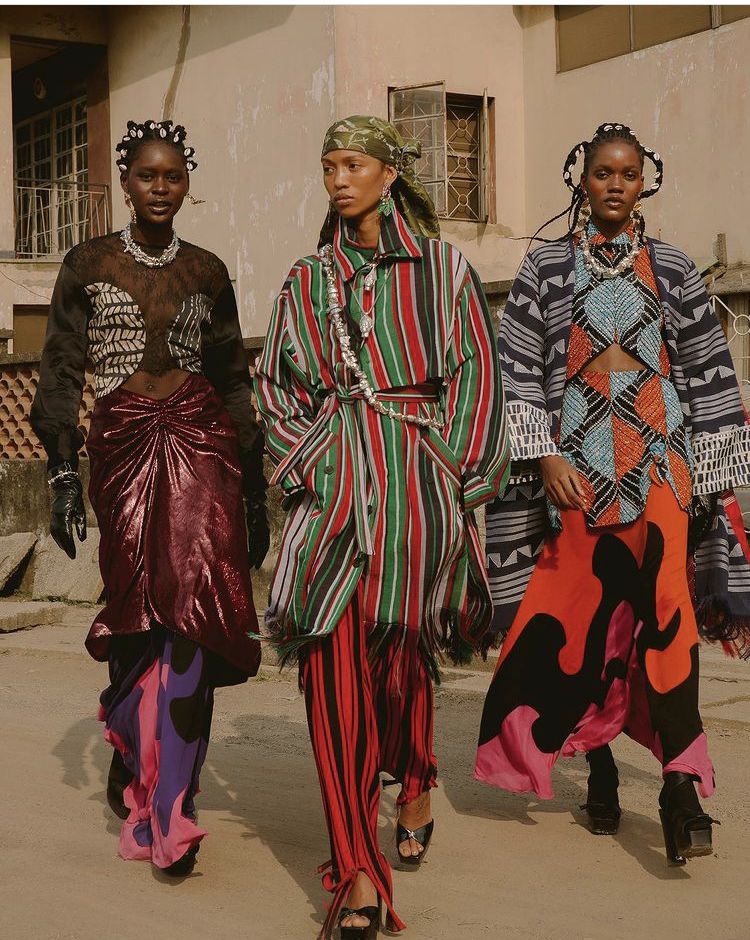
North African fashion reflects the region’s Arab-Berber-African heritage, characterized by flowing kaftans, embroidered djellabas, and silk takchita dresses for formal occasions. Moroccan fashion has developed international recognition through its elaborate embroidery traditions, luxury fabric choices, and artisanal textile craftsmanship. The cultural traditions of North Africa produce fashion that is simultaneously deeply traditional and effortlessly sophisticated.
Tips for Choosing the Perfect African Outfit
Choosing the right African outfit becomes easier once you understand a few key principles:
- Match the occasion to the fabric formality. Kente and brocade for ceremonies, Ankara cotton for casual the fabric signals the event level.
- Invest in good tailoring. African prints look infinitely better when cut to fit your body precisely. Off-the-rack African outfits often need adjustment to reach their full potential.
- Start with one statement piece. If you are new to African fashion, begin with one Ankara dress or Kitenge skirt rather than a full coordinated set.
- Learn your regional fabrics. Understanding which fabrics come from which traditions help you choose authentically and dress with cultural awareness.
- Mix African prints with neutrals confidently. An Ankara top with white linen trousers or a Kitenge skirt with a plain white shirt are entry-level combinations that work every time.
- Use accessories to complete the look. A plain Ankara dress with the right earrings and headwrap becomes a complete cultural fashion statement.
Frequently Asked Questions
What are the most popular African outfits for women?
Ankara dresses are the most widely worn African outfits for women globally, followed by Kitenge styles in East Africa and Kente cloth garments in Ghana. Lace gowns are extremely popular for weddings and formal events across West Africa. Kaftans and Boubou dresses are the preferred formal wear across North and West African traditions.
Can African prints be worn to formal events?
Absolutely. Kente cloth gowns, elaborate lace dresses, and structured Ankara formal wear are standard choices for African weddings, cultural ceremonies, and official events. The key is choosing well-tailored silhouettes in higher-quality fabrics and pairing them with appropriate accessories. African print formal wear is as sophisticated as any Western formal fashion when executed with good tailoring.
What shoes go best with African dresses?
Strappy heeled sandals in gold or nude are the most versatile choice for African dresses across formal and semi-formal occasions. Flat leather sandals work beautifully for casual Kitenge and Adire styles. Block heels complement structured Ankara two-piece sets. Embellished flats are ideal for church and afternoon events where comfort matters as much as style.
How do I style a headwrap with an African outfit?
Match the headwrap fabric to your outfit either the same Ankara or Kitenge print for a fully coordinated look, or a complementary solid color that picks up one of the colors in your print. Practice basic tying styles before the event rather than attempting elaborate styles without practice. The headwrap should feel secure and comfortable if you are tugging at it throughout the day, the style needs adjustment.
Which African fabric should I buy first?
Ankara is the best starting point for anyone new to African fashion. It is widely available, affordable, works across dozens of silhouettes, and comes in an almost infinite variety of color and pattern combinations. Once you understand how Ankara works for your body and style, exploring Kitenge, Adire, and eventually Kente becomes a natural progression.
Key Takeaways
- African outfits for women span traditional ceremonial wear, contemporary everyday fashion, and everything between
- Ankara, Kente, Kitenge, Dashiki, Adire, and Boubou are the most important fabric and style categories to understand
- The right African outfit depends on occasion, body type, and regional tradition as much as personal preference
- Good tailoring transforms African print outfits from ordinary to extraordinary
- Headwraps, bold jewelry, and beaded accessories complete African looks with cultural authenticity
- 2026 trends include two-piece sets, statement sleeves, maxi dresses, and sustainable fashion rooted in artisanal textile traditions
- African fashion is globally influential, regionally diverse, and endlessly creative
Explore More African Culture and Style
African outfits for women are the most visible expression of a cultural heritage that runs deep across every aspect of life on the continent. Behind every bold print and carefully tied headwrap is a tradition, a community, and a story worth knowing.
Explore more at ILoveAfrica.com to discover the full richness of African culture, heritage, and living tradition.

