
African tribal clothing is one of the most visually striking and culturally rich subjects in the study of world heritage. Across 54 countries and thousands of ethnic communities, traditional garments tell stories of identity, status, spirituality, and belonging that go far deeper than their colors and patterns suggest. Understanding African tribal clothing means understanding how African communities have communicated who they are to each other and to the world for thousands of years.
What Is African Tribal Clothing?
Definition
African tribal clothing refers to the traditional garments, body adornments, and textile traditions developed and worn by indigenous African communities as expressions of cultural identity. These are not historical costumes many are living, actively worn traditions that continue to mark ceremonies, celebrations, and daily life across the continent. The term “tribal” in this context refers to ethnically specific traditions, not a generic or simplified category.
Cultural Importance
In African communities, clothing is rarely just covering. What you wear communicates your age, marital status, social rank, spiritual condition, and community membership often simultaneously. A Maasai warrior’s red shuka, a Zulu bride’s beaded ceremonial apron, and an Ashanti king’s Kente cloth all function as visual language that every member of that community can read. Understanding traditional African clothing means understanding an entire communication system built into fabric, color, and craft.
How Tribal Clothing Differs Across Africa
Africa’s extraordinary ethnic diversity means that no single clothing tradition defines the continent. The indigo-dyed robes of Tuareg nomads in the Sahara share almost nothing visually with the brightly beaded aprons of Ndebele women in South Africa, yet both are equally sophisticated expressions of cultural identity. Regional ecology shapes clothing traditions profoundly communities in tropical climates developed lighter bark cloth and cotton garments while those in cooler highland regions favored heavier animal skin cloaks and wool blankets.
History of African Tribal Clothing
Early Clothing Traditions
The history of African tribal clothing stretches back tens of thousands of years. Archaeological evidence from sites across sub-Saharan Africa reveals shell beads used for personal adornment dating to at least 75,000 years ago making African body decoration among the earliest known human artistic expression. Early garments were made from plant fibers, animal skins, and bark processed into flexible cloth, with the specific materials varying by the ecological resources available to each community.
Natural Materials Used
Before trade networks brought new textiles, African communities developed sophisticated clothing from locally available materials. Bark cloth, made by pounding the inner bark of fig trees, was produced across Central and East Africa and used for both every day and ceremonial garments. Animal skins treated with fat and ash into supple leather provided warmth and protection in grassland and highland communities. Woven grasses, palm leaves, and plant fibers created lightweight coverings for tropical communities. Each material carried practical and symbolic weight.
Evolution Through the Centuries
Trans-Saharan and Indian Ocean trade routes introduced new textiles, dyes, and weaving techniques that were absorbed into existing traditions without replacing them. Arab traders brought indigo dyeing techniques to West Africa. Cotton cultivation spread across the continent, enabling more complex weaving. The Kente cloth of the Ashanti, now one of Africa’s most iconic textiles, developed its distinctive strip-weaving technique from traditions that evolved over centuries of cultural exchange. African textile traditions have always been dynamic, absorbing new influences while maintaining their cultural core.
Key Features of African Tribal Clothing
Colors and Their Meanings
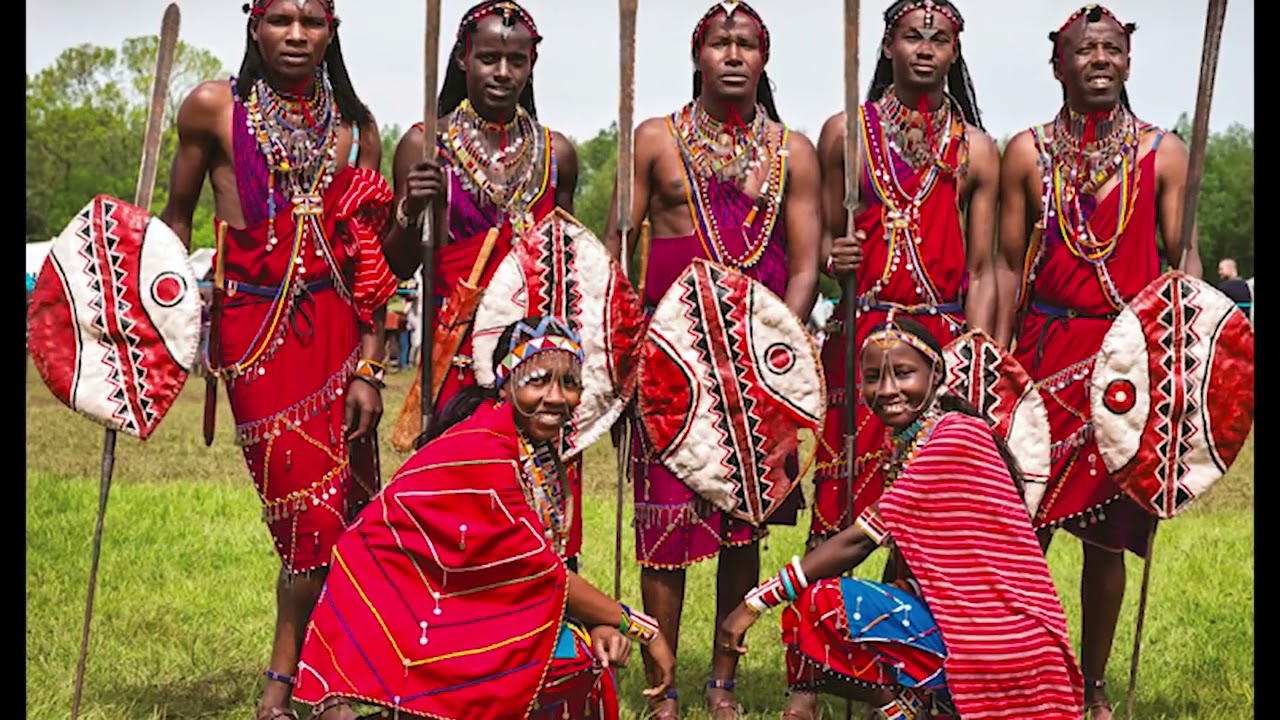
Color in African tribal clothing is a precise language, not a decorative choice. Among the Maasai, red is the color of warriors, it signifies bravery, strength, and the blood of cattle that sustains the community. In Kente cloth, gold symbolizes royalty and wealth, green represents growth and renewal, and black signifies aging and spiritual maturity. White appears in mourning and spiritual ceremonies across several Southern African communities. These are not universal color meanings are community-specific, which is part of what makes African clothing such a complex and regionally varied subject.
Patterns and Symbols
Geometric patterns in African tribal clothing carry encoded information about the wearer and their community. The angular patterns of Kente cloth identify the specific royal house that commissioned it. Adinkra symbols stamped onto Ghanaian cloth represent philosophical concepts like resilience, unity, and the importance of learning from the past. The triangular and diamond motifs in Ndebele beadwork identify the wearer’s age group and marital status. Reading an African textile tradition fluently requires learning the specific grammar of that community’s visual language.
Beadwork and Adornments
Beadwork is arguably the most sophisticated and regionally varied form of adornment in African tribal dress. The Maasai, Zulu, Ndebele, Samburu, and Xhosa peoples have each developed beadwork traditions of extraordinary complexity and beauty. Beads communicate age, gender, social status, marital stage, and clan affiliation sometimes all at once on a single piece. The introduction of glass trade beads from Europe and Asia expanded the color palette available to African beadworkers without displacing the symbolic systems they had developed with locally made beads.
Textiles and Craftsmanship
The craft knowledge embedded in African textile traditions represents generations of accumulated expertise. Kente weavers in Ghana serve apprenticeships that can last years before they are trusted to handle royal commissions. Mud cloth artisans in Mali where the tradition is called bogolanfini follow processes involving multiple stages of dyeing, painting with fermented mud, and washing that require deep knowledge of local plants and soils. This level of craftsmanship is one reason why traditional African clothing traditions are recognized internationally as significant cultural heritage.
African Tribal Clothing by Region
| Tribe / People | Region | Key Garment | Key Materials | Defining Feature |
| Maasai | East Africa | Shuka wrap | Cotton | Red color, beaded jewelry |
| Samburu | East Africa | Isiolo wrap | Cotton, beads | Heavy beaded necklaces |
| Yoruba | West Africa | Agbada, gele | Aso-oke fabric | Flowing robes, elaborate headwear |
| Ashanti | West Africa | Kente cloth | Silk, cotton strips | Strip-woven multicolor cloth |
| Zulu | Southern Africa | Isicholo, amabheshu | Leather, beads | Married women’s hat, men’s skin apron |
| Xhosa | Southern Africa | Umbhaco dress | Cotton, beads | Ochre clay, blue-white beadwork |
| Ndebele | Southern Africa | Beaded aprons, neck rings | Beads, brass | Geometric beadwork, neck rings |
| Tuareg | North Africa | Tagelmust veil | Indigo cotton | Men’s face veil, blue-stained skin |
| Himba | Southern Africa | Otjize-covered skin | Animal skin, ochre | Red clay body covering |
| Kuba | Central Africa | Raffia skirt | Raffia fiber | Embroidered geometric patterns |
East African Tribal Clothing
Maasai Attire
The Maasai of Kenya and Tanzania are perhaps Africa’s most recognizable tribal dressers internationally. Their signature garment, the shuka, a rectangular cloth usually in red checks or solid red is wrapped around the body and worn with elaborate beaded jewelry that covers the neck, ears, wrists, and ankles. Red is central because it symbolizes Maasai warrior identity and acts as a deterrent against predators. Younger warriors wear more elaborate beaded jewelry, while elders shift toward simpler adornments, creating a visual timeline of a person’s life journey visible immediately.
Samburu Clothing
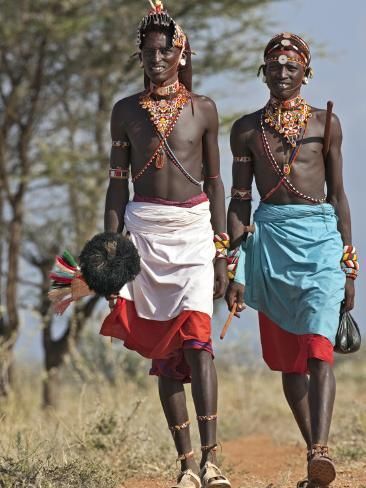
The Samburu people of northern Kenya are closely related to the Maasai but have developed distinct clothing and adornment traditions. Samburu women are famous for their towering, beaded necklaces stacked rings of brightly colored beads that can extend from the collarbone to the chin. The number, color arrangement, and style of these necklaces communicate marital status, age, and social position within the community. Samburu men wear similar red wraps to the Maasai but with regional variations in color combination and jewelry style.
West African Tribal Clothing
Yoruba Garments
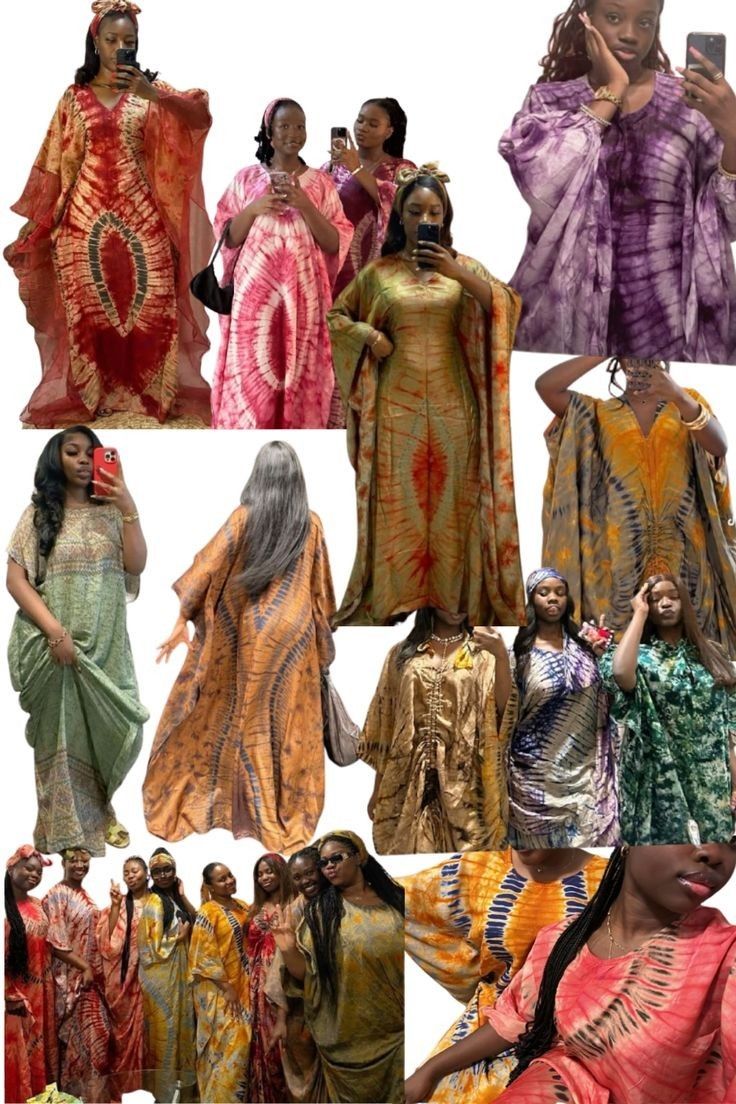
The Yoruba people of Nigeria have one of West Africa’s most elaborate textile traditions. Men’s formal dress centers on the agbada, a wide-sleeved flowing robe worn over a matching shirt and trousers, often in richly embroidered aso-oke fabric. Women’s formal dress features the iro (wrap skirt), buba (blouse), and gele (headwrap) in coordinated aso-oke fabric. The gele is a particularly impressive art form elaborate structured headwraps that can take significant skill to tie correctly and serve as a visual centerpiece of any formal occasion. The cultural traditions of Nigeria around dress are among West Africa’s most sophisticated and widely celebrated.
Ashanti Traditions
The Ashanti of Ghana are the originators of Kente cloth one of Africa’s most globally recognized textiles. Kente was originally reserved exclusively for Ashanti royalty and worn only on the most important ceremonial occasions. The cloth is woven in narrow strips on horizontal looms and then sewn together into large garments in patterns that identify specific royal houses and ceremonial occasions. Today Kente has spread far beyond Ashanti royalty and is worn by Ghanaians of all backgrounds as a symbol of Ghanaian and pan-African identity including by African diaspora communities worldwide.
Southern African Tribal Clothing
Zulu Dress
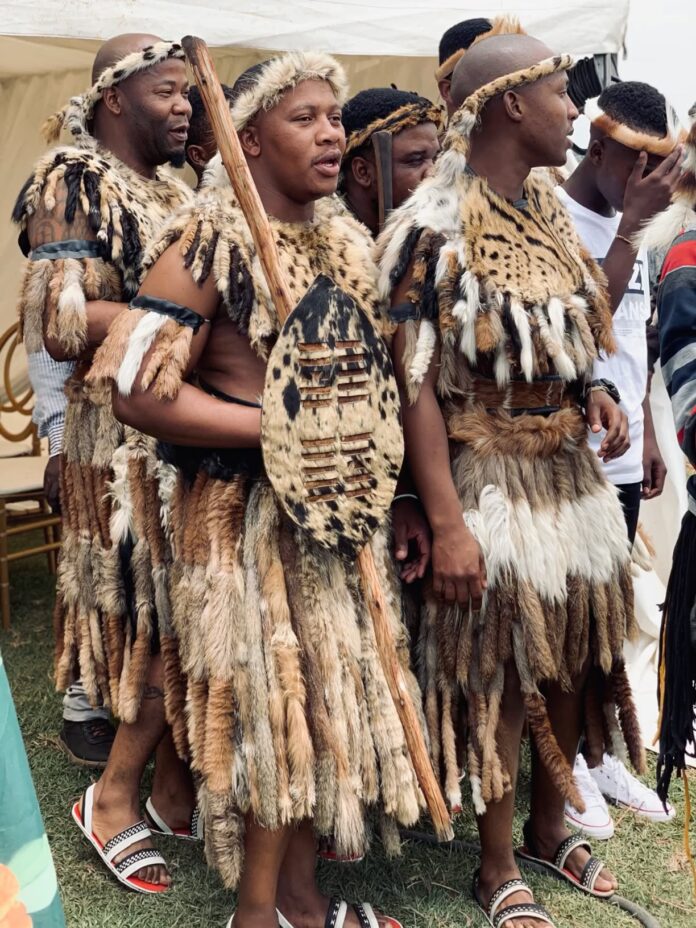
Zulu traditional dress is among Southern Africa’s most distinctive and ceremonially significant clothing traditions. Married Zulu women traditionally wear the isicholo, a wide-brimmed hat made of woven grass and cotton that signals their status as wives. Men wear the amabheshu an animal skin apron traditionally made from cowhide during ceremonial occasions. Zulu beadwork, which women produce with extraordinary skill, uses color and pattern to communicate messages between young men and women during courtship, creating what anthropologists have called a “love letter” system encoded in beads.
Xhosa Clothing
Xhosa traditional dress is most associated with the striking use of ochre clay applied to both skin and clothing as a ceremonial marking, and with the community’s distinctive blue-white beadwork tradition. Xhosa women’s ceremonial dress, the umbhaco features richly embroidered cloth with geometric patterns in black and white, combined with beaded jewelry and the distinctive white clay face painting worn during initiation and other major ceremonies. Nelson Mandela’s use of traditional Xhosa dress at significant ceremonial moments during his presidency was a deliberate statement about the continuing relevance of indigenous clothing traditions in modern Africa.
Central African Tribal Clothing
Indigenous Forest Communities
The indigenous forest communities of Central Africa, including the Aka and Bayaka peoples, developed clothing traditions adapted to rainforest life using bark cloth, plant fibers, and minimal animal skin coverings appropriate to the equatorial climate. Body painting with plant-derived pigments plays a significant role in ceremonial adornment, with specific patterns applied for initiation, healing ceremonies, and community celebrations. The Kuba Kingdom of present-day Democratic Republic of Congo developed particularly sophisticated raffia cloth with embroidered geometric patterns that influenced artists worldwide, including Henri Matisse, who collected Kuba textiles.
North African Tribal Clothing
Tuareg Clothing
The Tuareg people of the Sahara are famous for the tagelmust a long indigo-dyed cotton cloth wrapped around the head and face worn by men, leaving only the eyes visible. The indigo dye bleeds onto the skin with use, giving Tuareg men their historical description as the “blue men of the desert.” The tagelmust serves practical purposes in the desert environment protecting from sun, sand, and dust but also carries deep cultural significance as a mark of adult male dignity. Tuareg women, by contrast, go unveiled, which reverses the convention found in many neighboring cultures.
Famous African Tribal Clothing Styles
Kente Cloth
Kente cloth is the most internationally recognized African textile, originating from the Ashanti kingdom in present-day Ghana. Woven in brilliant strips of silk and cotton in patterns that carry specific royal and ceremonial meanings, it has become a symbol of African heritage worldwide. Kente worn at African American graduation ceremonies, diplomatic events, and cultural celebrations represents a conscious reconnection to West African heritage by diaspora communities.
Mud Cloth
Bogolanfini, known internationally as mud cloth, is a hand-woven cotton fabric from Mali painted with patterns using fermented mud in a multi-stage process that produces distinctive dark geometric designs on a cream or yellow background. Specific patterns belong to specific families and communities, and the cloth has traditionally been worn by hunters for protection and by women during significant life transitions including childbirth and marriage. Mali’s mud cloth tradition is recognized by UNESCO as Intangible Cultural Heritage.
Animal Skin Garments
Animal skin clothing remains ceremonially important across Southern and East Africa, particularly among the Zulu, Xhosa, Ndebele, and Maasai communities. Leopard skin is associated with leadership and royalty in several Southern African traditions. Cowhide is central to Zulu men’s ceremonial dress. These garments are not relics, they appear at weddings, initiation ceremonies, and political events as deliberate statements of cultural continuity and pride.
Beaded Clothing
African beaded clothing represents some of the world’s most labor-intensive and symbolically dense textile art. Ndebele women’s ceremonial beaded aprons made in brilliant geometric patterns of blue, green, yellow, and red take months to complete and are passed down through generations. Maasai beaded collars, produced by women as gifts for warriors, encode specific messages about the relationship between maker and wearer. Zulu beaded “love letters” panels of beadwork given during courtship use a color code that allows young people to communicate feelings that social convention does not allow them to express directly.
Symbolism in African Tribal Clothing
Identity
The most fundamental function of African tribal clothing is to identify the wearer as a member of a specific community. Walking into a gathering wearing Maasai beadwork or Ashanti Kente immediately communicates cultural belonging in ways that words alone cannot achieve. This is why traditional dress becomes particularly important during diaspora experiences wearing ancestral clothing is an act of cultural maintenance and identity affirmation.
Age and Status
African tribal clothing changes as the wearer progresses through life stages. Among the Maasai, boys, junior warriors, senior warriors, and elders each wear distinct styles and colors. Zulu girls, unmarried women, newly married women, and mothers of children each wear different combinations of beadwork and garments that publicly communicate their life stage. This visual life-stage marking makes individual experience legible to the entire community without a word being spoken.
Marriage and Family
Marriage transforms what a person wears in most African tribal traditions. Zulu women adopt the isicholo hat upon marriage. Xhosa brides wear specific beaded styles that unmarried women do not. Himba women in Namibia change their hairstyle and ochre body covering patterns at marriage. Traditional African wedding attire carries layers of meaning about family relationships, community membership, and the new social role the wearer is entering.
Leadership and Authority
Across Africa, leadership is expressed through clothing with remarkable consistency. Leopard skin, gold ornamentation, elaborate embroidery, and specific reserved colors or textiles mark chiefs, kings, and religious leaders in communities from Senegal to Zimbabwe. The Ashanti king’s Kente robes, the Zulu inkosi’s leopard skin, and the North African sultan’s embroidered djellaba all communicate authority through a visual vocabulary their communities have developed and refined over centuries.
Clothing for Ceremonies and Rituals
Weddings
African wedding ceremonies are among the most visually rich occasions for traditional dress. Both bride and groom typically wear community-specific garments that honor their family heritage while marking the transition into married life. In many communities, the wedding dress is not chosen by the couple alone, it reflects negotiations between families about heritage, status, and the visual statement the union should make to the community. For a deeper look at how clothing transforms during these ceremonies, exploring traditional African wedding attire reveals just how much meaning is sewn into every garment.
Festivals
Cultural festivals across Africa are occasions for the most elaborate display of traditional clothing. The Durbar festivals of Northern Nigeria feature elaborately dressed horsemen in embroidered robes and turbans. The Reed Dance of Eswatini involves thousands of young women in traditional beaded skirts. The Homowo harvest festival in Ghana brings out traditional Kente and adinkra-printed cloth across Accra. Festivals function as living showcases of textile traditions, keeping craft knowledge visible and socially valued.
Initiation Ceremonies
Initiation ceremonies marking the transition from childhood to adulthood involve some of the most significant clothing transformations in African cultural life. Boys entering initiation among the Xhosa don white clay and specific garments that they wear throughout the seclusion period; when they emerge as men, these garments are burned and new adult clothing is worn for the first time. This physical transformation of dress is not symbolic; it is the ceremony. The clothing change IS the passage.
Spiritual Practices
Many African spiritual traditions involve specific garments associated with spirits, deities, or ceremonial roles. Yoruba Egungun masquerade costumes elaborate fabric constructions that completely cover the performer are considered not costumes but the physical presence of ancestral spirits. Traditional healers across Southern Africa wear specific beadwork and animal skin combinations associated with their healing authority. The spiritual power is understood to reside partly in the garment itself, not only in the person wearing it.
Traditional vs Modern African Tribal Clothing
| Aspect | Traditional Tribal Clothing | Modern Adaptation |
| Materials | Animal skin, bark cloth, handwoven cotton | Machine-woven Ankara, mixed fabrics |
| Production | Hand-crafted by community artisans | Factory-produced prints available globally |
| Occasion | Ceremonies, initiation, daily community wear | Formal events, cultural celebrations, fashion |
| Symbolism | Strict community-specific meanings | Broader cultural pride and heritage statement |
| Availability | Community-made, locally sourced | Internationally available, commercially produced |
Contemporary Adaptations
Modern African fashion designers are doing something remarkable taking traditional tribal textiles and techniques into international fashion markets without stripping away their cultural significance. Designers working with Kente cloth, mud cloth, Ankara prints, and traditional beadwork are creating garments that work in contemporary contexts while educating global audiences about the traditions behind the fabrics. This is not cultural dilution; it is cultural expansion.
Influence on Global Fashion
African tribal textiles have influenced global fashion in waves throughout the 20th and 21st centuries. The geometric patterns of West African cloth influenced Bauhaus design. Kente cloth became a symbol of Black identity and pride during the American civil rights era. Today, Ankara fabric appears in high-street fashion worldwide. The challenge is ensuring that this influence comes with appropriate attribution and economic benefit to the communities whose knowledge and craft make these textiles possible.
Cultural Preservation
Preservation of traditional textile knowledge is one of the most urgent challenges facing African cultural heritage. Master weavers, dyers, and beadworkers are aging, and the intensive craft knowledge they carry is not automatically transmitted to younger generations attracted to urban economies. Organizations working on textile preservation from the Smithsonian’s African collections to local craft cooperatives in Ghana, Mali, and South Africa are working to document techniques, support artisan livelihoods, and create markets that make traditional textile production economically viable.
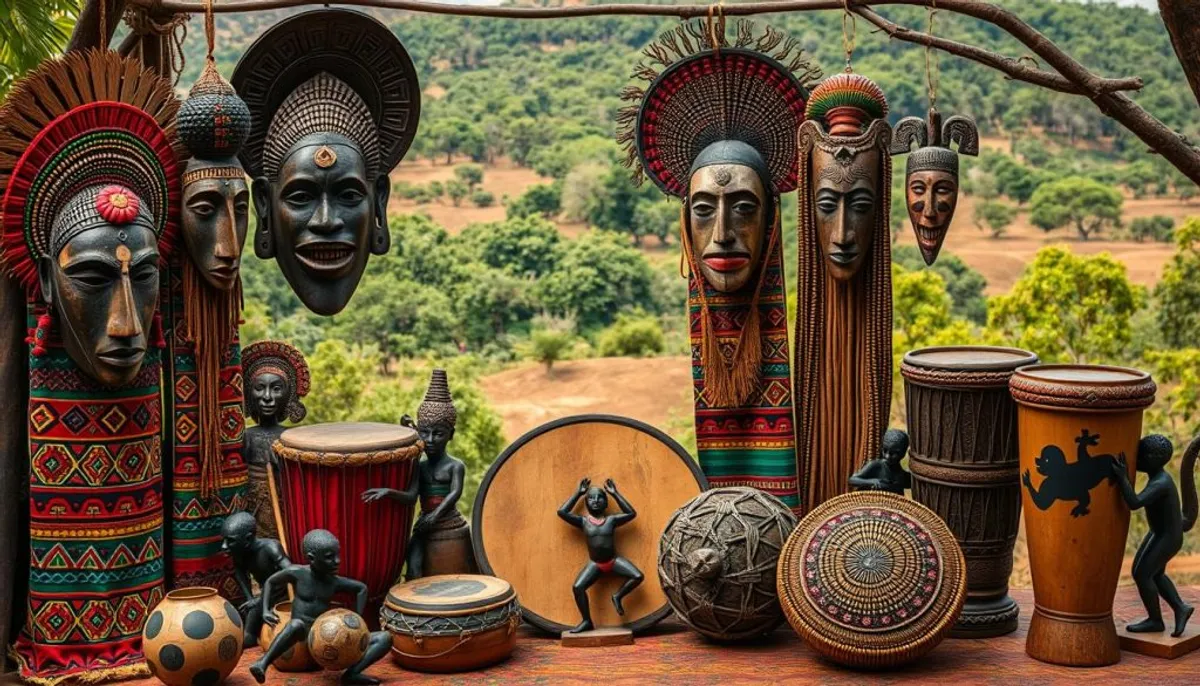
Challenges and Preservation Efforts
Globalization
Mass-produced synthetic fabrics and Western-style clothing have displaced traditional garments in many urban African contexts. In Lagos, Nairobi, or Accra, traditional clothing is often reserved for ceremonies and special occasions rather than daily wear. This shift is not inherently negative communities adapt but it creates pressure on the transmission of craft knowledge and the economic sustainability of traditional artisans.
Textile Preservation
The physical preservation of historic African textiles is itself a challenge. Organic materials bark cloth, plant-dyed cotton, leather deteriorate without careful storage conditions. African museum collections often lack the resources for proper conservation, and many of the finest examples of African tribal clothing sit in European museum archives rather than in African institutions. Repatriation of these collections is an ongoing and increasingly urgent conversation in the international museum world.
Cultural Heritage Projects
Across Africa, communities, governments, and international organizations are investing in the preservation and revival of traditional textile traditions. Ghana’s National Cultural Centre in Kumasi supports Kente weavers and maintains archives of traditional patterns. UNESCO’s Intangible Cultural Heritage listings for traditions like Malian mud cloth provide international recognition that supports funding and protection. Community-run craft cooperatives in Kenya, South Africa, and Nigeria are creating sustainable markets that allow traditional artisans to earn livelihoods while passing their skills to younger generations. The rich fabric of African customs and traditions is being actively protected by communities who understand that these traditions are not just heritage, they are living identity.
Frequently Asked Questions
What is African tribal clothing?
African tribal clothing refers to the traditional garments and body adornments developed by indigenous African communities as expressions of cultural identity. These traditions vary significantly by ethnic group and region, with each community having specific garments, colors, and materials that communicate social status, age, marital status, and community membership.
Why is beadwork so important in African tribal clothing?
Beadwork functions as a visual language in many African communities, encoding information about the wearer’s age, marital status, social rank, and clan identity. Among the Zulu, Maasai, Ndebele, and Xhosa, beadwork is both artistic achievement and communication system. The patterns, colors, and arrangements are community-specific codes that members of that community can read as clearly as written text.
What materials are traditionally used in African tribal clothing?
Traditional materials vary by region and ecology. Animal skins, bark cloth, plant-fiber weaves, and handwoven cotton are the most widespread. Beads originally made from shells, seeds, bone, and clay became more colorful with the introduction of glass trade beads. Indigo, ochre, and plant-derived dyes create the characteristic colors of specific regional traditions.
Which African tribe is most famous for traditional clothing?
The Maasai of Kenya and Tanzania are internationally the most recognized, largely due to their striking red clothing and elaborate beadwork. The Ashanti of Ghana are most famous for Kente cloth. The Ndebele of South Africa are celebrated for their geometric beadwork and painted house designs. The Yoruba of Nigeria are noted for their sophisticated woven Aso-oke fabrics and elaborate gele headwraps.
Is African tribal clothing still worn today?
Yes, actively. Traditional clothing is worn at weddings, initiation ceremonies, festivals, funerals, and cultural celebrations across Africa. In many communities, traditional dress is also worn during important political and civic occasions as a statement of cultural identity. Modern African designers are also incorporating traditional textiles into contemporary fashion, expanding the contexts in which these traditions appear.
How does tribal clothing communicate social status?
In African tribal clothing traditions, specific colors, materials, and garment types are reserved for people of status. Among the Ashanti, certain Kente patterns are exclusively royal. Leopard skin appears in leadership contexts across Southern Africa. The complexity and quality of beadwork in Zulu and Ndebele traditions reflects the maker’s skill and the wearer’s social position. Clothing is a public declaration of where someone stands in their community’s social order.
Key Takeaways
- African tribal clothing is a living communication system, not merely a decorative tradition
- Color, pattern, beadwork, and material all carry specific cultural meanings that vary by community and region
- Tribal clothing changes with life stages marking transitions from childhood to adulthood, and from single to married life
- Famous textile traditions include Kente cloth, mud cloth, Maasai beadwork, Zulu ceremonial dress, and Tuareg indigo robes
- African tribal textiles have directly influenced global fashion, from Bauhaus design to contemporary streetwear
- Preservation efforts are actively protecting traditional craft knowledge through cooperatives, UNESCO recognition, and digital archives
- Each African community’s clothing tradition is distinct, there is no single “African tribal clothing” but hundreds of specific, meaningful traditions
Explore More African Cultural Heritage
African tribal clothing is one of the most visible and beautiful expressions of a cultural world that rewards deeper exploration. Behind every beaded necklace, woven strip, and dyed cloth lies a community’s history, values, and identity stories that deserve to be understood rather than simply admired from a distance.
Explore more at ILoveAfrica.com and go deeper into the traditions, ceremonies, and communities that make African cultural heritage one of the world’s most extraordinary subjects.

