
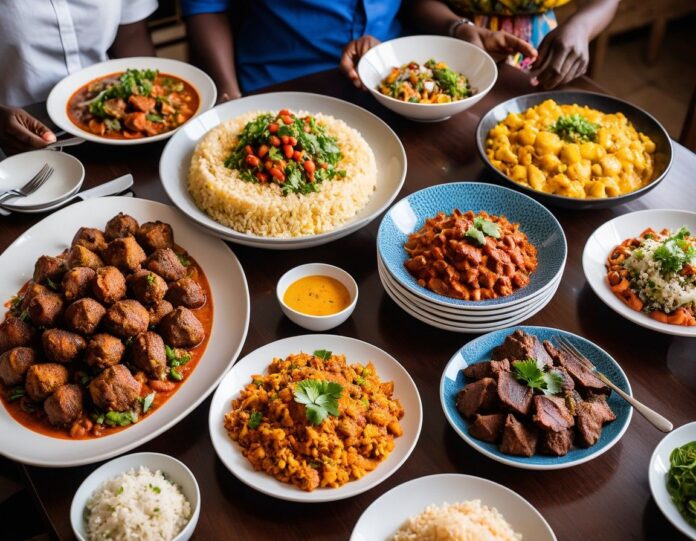
Traditional African food is one of the world’s most diverse and underappreciated culinary traditions. Across 54 countries and thousands of ethnic communities, African cuisine tells stories of history, trade, agriculture, and community that go far deeper than any single dish. Whether you are a food enthusiast, a traveler, or simply curious about authentic African culture, this guide covers everything you need to know.
What Is Traditional African Food?
Definition of Traditional African Cuisine
Traditional African food refers to the dishes, ingredients, and cooking methods developed by African communities over centuries using locally available resources. It is not a single cuisine but a vast collection of regional food cultures, each shaped by climate, agriculture, trade history, and ethnic tradition. What unites them is a shared emphasis on whole ingredients, communal preparation, and food as an expression of cultural identity and hospitality.
Why African Food Is So Diverse
Africa’s culinary diversity is a direct product of its geographic and cultural diversity. The Sahara Desert, tropical rainforests, highland plateaus, coastal fishing communities, and semi-arid savannas each produce different agricultural systems and ingredient bases. African village life has always been shaped by what the land provides and what the land provides varies enormously from one region to the next. Add centuries of trade, migration, and cultural exchange, and the result is a food culture of extraordinary breadth.
The History of Traditional African Food
Indigenous Food Traditions
African food traditions predate written history. Indigenous farming communities across the continent domesticated crops that are now global staples sorghum, millet, teff, cowpeas, and African rice were all cultivated in Africa thousands of years before they appeared elsewhere. Pastoralist communities developed sophisticated milk preservation and fermentation techniques. Forest communities-built diets around roots, fruits, and wild games adapted to rainforest ecosystems. These indigenous food systems represent millennia of accumulated agricultural and culinary knowledge.
Influence of Trade Routes
The trans-Saharan trade routes and Indian Ocean networks that powered ancient African civilizations also transformed African food. Arab traders introduced spices, rice, and citrus to East Africa. North African trade brought new cooking techniques and ingredients into the Sahel. The Swahili coast developed a cuisine blending African, Arab, and Indian influences that persists distinctively today. Food has always traveled with trade, and Africa’s position at the center of ancient global commerce left lasting marks on its culinary traditions.
Colonial and Modern Influences
The colonial period introduced new crops tomatoes, maize, chili peppers, and cassava from the Americas arrived in Africa through Portuguese and other European traders from the 16th century onward. Maize transformed food systems across sub-Saharan Africa so completely that it is now considered a traditional staple in many communities, despite being a relatively recent introduction. Colonial disruption also suppressed some indigenous food traditions while creating the urban food cultures that today blend traditional and modern influences in the continent’s growing cities.
Traditional African Food by Region
| Region | Signature Dish | Key Staple | Defining Flavor |
| West Africa | Jollof Rice | Rice, cassava, yam | Bold, tomato-based, spiced |
| East Africa | Injera | Teff, ugali | Tangy, fermented, earthy |
| North Africa | Couscous | Semolina, bread | Aromatic, herb-spiced |
| Southern Africa | Bobotie | Maize, legumes | Sweet-savory, Cape Malay |
| Central Africa | Moambe Chicken | Cassava, plantain | Palm oil, rich, hearty |
West African Cuisine
West Africa has the most globally recognized African food culture, driven by the worldwide spread of the West African diaspora. The cuisine is bold, deeply spiced, and built around tomato-based stews, starchy accompaniments, and slow-cooked proteins. Groundnut oil and palm oil are the primary cooking fats. Fermented locust beans called dawadawa or iru add a pungent umami depth to soups and stews that is one of West African cooking’s most distinctive flavors.
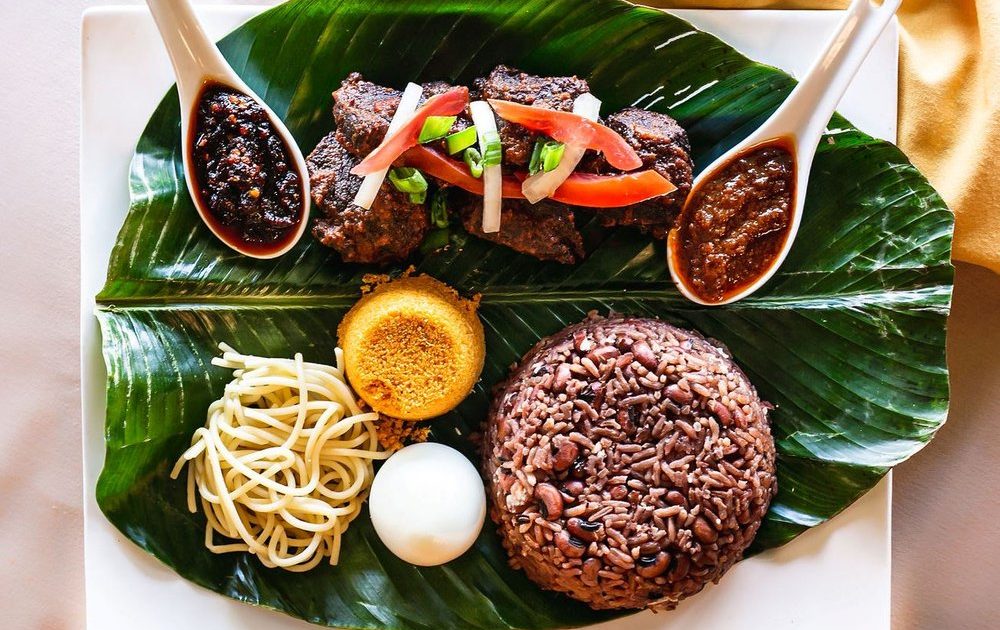
Jollof Rice
Jollof rice is West Africa’s most famous and fiercely debated dish. Cooked in a rich base of tomatoes, onions, and peppers with chicken stock and spices, it produces rice with a distinctive smoky, deeply flavored character. Nigeria and Ghana claim competing versions; a debate that has generated genuine international attention and friendly rivalry. Nigerian Jollof typically uses more peppers and long-grain parboiled rice; Ghanaian Jollof tends toward a slightly sweeter tomato base. Both are outstanding.
Fufu
Fufu is a starchy staple made by boiling and pounding cassava, yam, or plantain into smooth, elastic dough. It is eaten by pulling off a small piece, forming a dent with the thumb, and using it to scoop stew or soup. In Nigeria, Ghana, Cameroon, and across West and Central Africa, fufu accompanies egusi soup, groundnut soup, and palm nut soup. It requires no utensils eating fufu is a tactile, communal experience that connects food directly to cultural identity.
Egusi Soup
Egusi soup is one of West Africa’s most beloved dishes, a thick, rich stew made from ground melon seeds fried in palm oil with tomatoes, onions, leafy vegetables, and assorted proteins including fish, beef, or goat. The ground egusi seeds dissolve into the stew, thickening it and adding a nutty, slightly bitter flavor that is completely distinctive. It is the dish many Nigerians and Ghanaians describe as the taste of home.
Suya
Suya is West Africa’s iconic street food thin strips of beef, chicken, or ram marinated in a spiced groundnut paste and grilled over open charcoal fire. The spice blend, called yaji, typically includes ground groundnuts, ginger, garlic, paprika, and a blend of dried spices that varies by the suya maker. Hot eaten off the grill wrapped in newspaper with sliced onions and tomatoes, suya is the kind of food that defines a city’s street food culture. It originates from the Hausa-Fulani communities of Northern Nigeria but is now eaten across West Africa.
East African Cuisine
East African cuisine reflects the region’s extraordinary ecological diversity and its centuries of Indian Ocean trade. Ethiopian and Eritrean food have global recognition. Swahili coastal cuisine blends African, Arab, and Indian influences. Ugandan, Tanzanian, and Kenyan cooking share a foundation of starchy staples paired with stews and grilled meats, with significant variation by community and proximity to the coast.
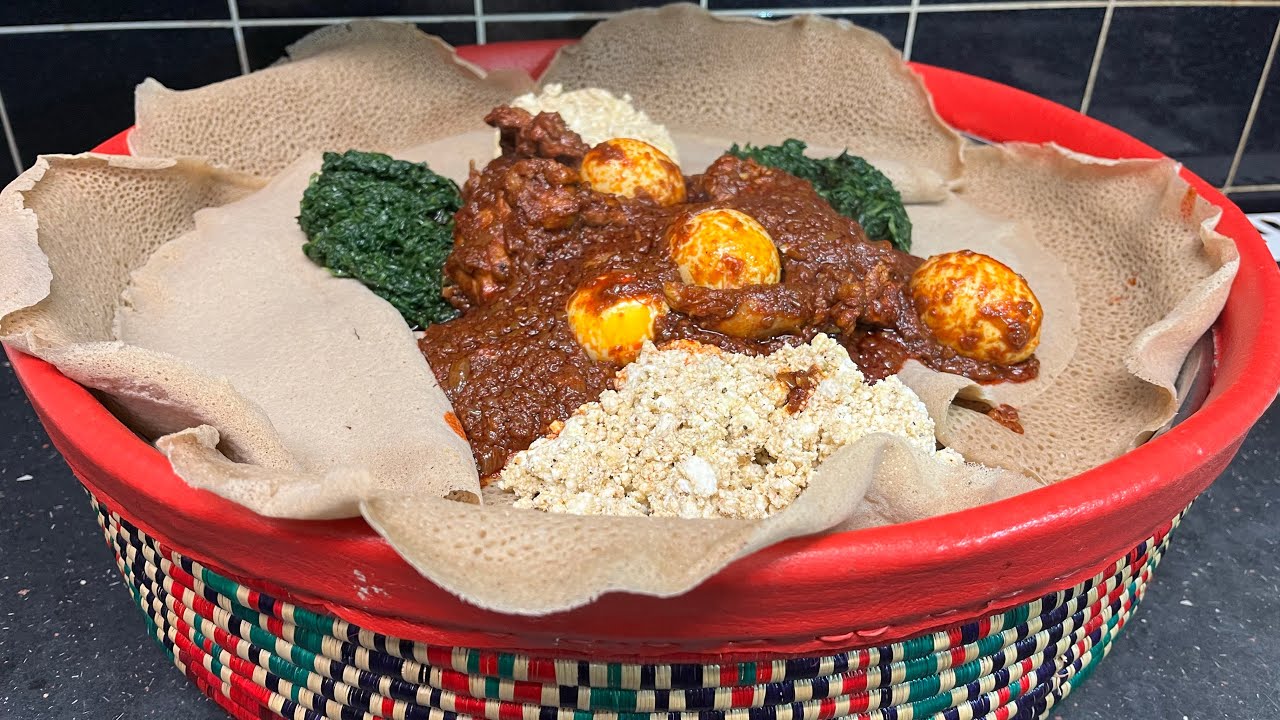
Injera
Injera is Ethiopia’s national bread and one of the world’s most distinctive foods. Made from fermented teff batter poured onto a large round griddle, it produces a spongy, slightly sour flatbread used as both plate and utensil dishes are placed directly on the injera and eaten by tearing pieces to scoop the food. The fermentation process, which takes two to three days, gives injury to its characteristic tangy flavor and light, porous texture. Teff, the grain from which injera is made, is indigenous to Ethiopia and among the world’s most nutritionally dense grains.
Doro Wat
Doro Wat is Ethiopia’s most celebrated stew chicken slow cooked in a deeply spiced berbere sauce built on onions cooked in clarified butter (niter kibbeh) until they almost dissolve, then layered with Ethiopia’s signature spice blend of chili, fenugreek, cardamom, coriander, and many other spices. A hard-boiled egg is added to absorb the sauce in the final cooking stage. Doro Wat is the dish Ethiopians prepare for celebrations and honored guests, its depth of flavor reflects hours of careful, layered cooking that cannot be rushed.
Pilau
Pilau is the fragrant spiced rice dish of the Swahili coast, perfected in Zanzibar and coastal Kenya over centuries of Arab and Indian trade influence. Whole spices cardamom, cloves, cinnamon, black peppercorns, and cumin bloom before the rice is added, producing a deeply aromatic dish that has become the celebration food of choice for Swahili communities. Zanzibar’s pilau, cooked with coconut milk and often featuring meat or seafood, is one of East Africa’s great culinary achievements.
Ugali
Ugali is the cornerstone of everyday eating across Kenya, Tanzania, Uganda, and much of the Great Lakes region. Made by stirring maize flour into boiling water until it forms a firm, smooth porridge, it is the starchy accompaniment to virtually every meal. It requires skill to make well the texture should be smooth and firm enough to hold its shape when portioned, not lumpy or loose. Ugali is eaten with stewed vegetables, sukuma wiki (collard greens), fried fish from Lake Victoria, or nyama choma (grilled meat) depending on the occasion and region.
North African Cuisine
North African cuisine sits at the intersection of indigenous Berber food traditions, Arab culinary influence, and Mediterranean ingredients. It is characterized by aromatic spicing, slow-cooked stews, preserved ingredients, and some of the world’s most sophisticated bread traditions. The preserved lemon, the spice blend ras el hanout, and the slow-cooking tagine pot are North Africa’s most distinctive contributions to global culinary culture.
Couscous
Couscous is North Africa’s most internationally known dish tiny, steamed semolina granules served beneath a richly spiced stew of vegetables, chickpeas, and meat. In Morocco, Algeria, and Tunisia, couscous preparation is a Friday tradition families gather for a shared couscous lunch that serves the same social function as Sunday roast in British culture. Properly made couscous is steamed multiple times over the stew it will accompany, absorbing the fragrant vapor and becoming impossibly light and fluffy.
Tagine
A tagine is both a dish and the distinctive conical clay pot it is cooked in. The pot’s shape circulates steam continuously during the long, slow cooking process, producing meat so tender it falls from the bone and vegetables that melt into intensely flavored sauces. Moroccan tagines combine unexpected flavor pairings lamb with prunes and almonds, chicken with preserved lemon and olives, beef with quince that reflect the sophistication of a culinary tradition refined over centuries.
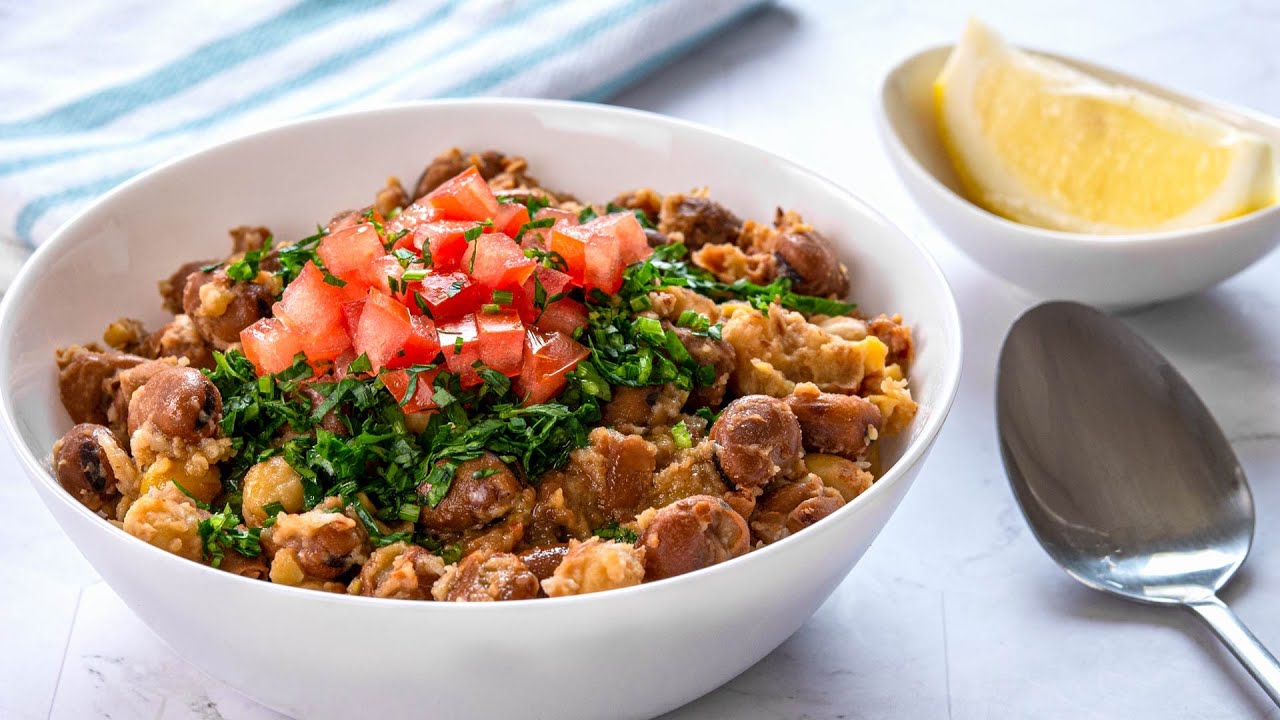
Ful Medames
Ful medames slow-cooked fava beans dressed with olive oil, lemon juice, garlic, and cumin is one of the ancient world’s oldest recorded dishes and the breakfast of millions across Egypt, Sudan, and the broader Middle East and North Africa region. It is simple, filling, deeply nutritious, and evidence that some of the world’s best foods require nothing more than good ingredients treated with care.
Southern African Cuisine
Southern African cuisine reflects the region’s complex cultural history indigenous Nguni and Sotho food traditions, Cape Malay cooking brought by enslaved people from Southeast Asia, Dutch and British colonial influences, and the contemporary food cultures of modern South Africa, Zimbabwe, Mozambique, and Botswana.
Bobotie
Bobotie is South Africa’s national dish, a Cape Malay-origin baked minced meat casserole seasoned with curry spices, dried fruit, and topped with a savory egg custard. Its combination of sweet and savory, the dried apricots softening into the spiced meat, is characteristic of Cape Malay cooking’s sophisticated flavor philosophy. It is typically served with yellow rice cooked with turmeric and raisins and a fresh banana on the side, an unusual combination that works brilliantly.
Bunny Chow
Bunny Chow is Durban’s most famous contribution to world food a hollowed-out half loaf of white bread filled with curry, developed by the Indian South African community of KwaZulu-Natal. It is street food of genius: the bread serves as bowl, utensil, and final course simultaneously, as the curry-soaked interior is eaten last. Lamb, chicken, and bean versions are all common, with the Durban curry style fiery, fragrant, and distinctively aromatic unlike any other curry tradition in the world.
Chakalaka
Chakalaka is South Africa’s beloved spicy vegetable relish a quick-cooked mixture of onions, tomatoes, peppers, carrots, beans, and curry spices that accompanies braai (barbecue) across the country. It is one of South Africa’s most democratic dishes, eaten across all communities and social classes, and the subject of family recipe pride as intense as any holiday dish. Good chakalaka can transform a simple meal into something memorable.
Central African Cuisine
Moambe Chicken
Moambe chicken is the national dish of the Democratic Republic of Congo and widely eaten across Central Africa. Chicken is slowly cooked in palm butter, a thick, rich paste made from pressed palm nuts with onions, garlic, and spices to produce a stew of extraordinary richness and depth. The palm butter gives it an orange-red color and a flavor that is simultaneously nutty, savory, and deeply satisfying. It is typically served with fufu, rice, or plantains.
Cassava Dishes
Cassava is Central Africa’s foundational ingredient boiled, pounded, fermented, and eaten in dozens of forms across the region. Chikwanga, cassava wrapped in leaves and steamed, is a street food and staple across Congo and neighboring countries. Gari fermented, dried, and granulated cassava is eaten across West and Central Africa as a porridge or mixed with water and eaten as a quick meal. Cassava leaves cooked with palm oil and spices are as important as the root itself in many Central African food cultures.
Essential Ingredients in Traditional African Food
| Ingredient | Primary Region | Main Uses |
| Cassava | West, Central Africa | Fufu, gari, leaves, flour |
| Teff | Ethiopia, Eritrea | Injera, porridge |
| Sorghum | Sahel, Southern Africa | Porridge, beer, flour |
| Millet | West Africa, Sahel | Porridge, flatbread |
| Plantains | West, Central Africa | Fried, boiled, stewed |
| Yams | West Africa | Pounded yam, stew |
| Okra | West, East Africa | Soup thickener, stew |
| Groundnuts | West Africa | Soup, suya spice, oil |
Key Ingredients briefly
Cassava feeds hundreds of millions daily across sub-Saharan Africa. Drought-tolerant, high-yield, and extraordinarily versatile both roots and leaves are eaten, and fermented forms like gari extend their culinary range further. Teff, cultivated in the Ethiopian highlands for thousands of years, is among the world’s most nutritionally complete grains and the foundation of injera. Sorghum and millet are the ancient grains of drier regions the basis of porridges, flatbreads, and fermented beverages that have sustained Sahelian communities for millennia. Plantains are fried, boiled, grilled, and stewed across West and Central Africa as both staple and street food. Groundnuts are West Africa’s most versatile ingredient pressed into oil, ground into spice pastes for suya, and cooked into the deeply satisfying groundnut soup eaten across the region.
Traditional African Cooking Methods
African cooking methods are as distinctive as the dishes themselves. Open fire cooking over three-stone fires with clay pots produces smoky depth that gas and electric cooking cannot replicate the char on suya and the smokiness of Jollof rice both depend on fire as a flavor ingredient. Slow stewing defines the continent’s most celebrated dishes Doro wat, egusi soup, tagine where patience extracts layered complexity that shortcuts destroy. Fermentation is one of Africa’s greatest culinary innovations: injera’s tanniness, Dawa Dawa’s umami, and preserved lemons all reflect sophisticated knowledge of how fermentation transforms flavor and nutrition simultaneously. Grilling traditions niyama Choma, suya, braai is as many social occasions as cooking methods, with the communal gathering around the fire as important as the meat itself.
The Cultural Importance of African Food
Family Gatherings
In African food culture, cooking and eating together is the primary expression of family bonds. Large pots, communal serving platters, and shared meals eaten with hands rather than individual place settings reflect a food philosophy where eating is a collective act rather than an individual one. The preparation of food for family gatherings is itself a form of love and community maintenance.
Festivals and Celebrations
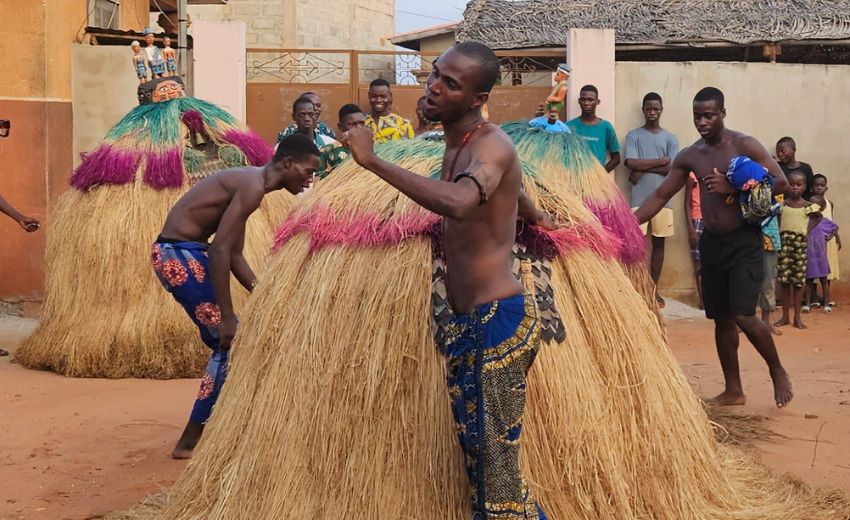
Every major African celebration center on food. Harvest festivals give thanks through communal feasting. Wedding celebrations involve days of cooking for hundreds of guests. Naming ceremonies, funerals, and initiation rites all have specific foods associated with them. Understanding African customs and traditions means understanding that food is never merely sustenance, it is ceremony, symbol, and social glue.
Food and Community
African food traditions reflect the communal values that define African cultural life more broadly. The sharing of food with neighbors, the preparation of extra quantities for unexpected guests, and the social expectation of hospitality expressed through feeding visitors are not optional courtesies; they are foundational cultural obligations that maintain community bonds.
Traditional Hospitality
African hospitality is expressed primarily through food. A visitor in an African home will be fed; this is non-negotiable across virtually every African cultural tradition. The quality and generosity of the food offered reflects directly on the host’s character and the relationship between host and guest. Refusing offered food is a social slight that requires careful handling. This food-as-hospitality tradition is one of Africa’s most universally shared cultural values.
Traditional African Food vs Modern African Cuisine
| Aspect | Traditional | Modern |
| Ingredients | Indigenous, locally sourced | Global ingredients incorporated |
| Cooking method | Open fire, clay pots, hand-ground | Gas, electricity, blenders, processors |
| Preparation time | Long, slow, hands-on | Faster adaptations available |
| Occasion | Ceremonial, communal, daily home cooking | Restaurant, street food, global fusion |
| Preservation | Fermentation, drying, smoking | Refrigeration, packaging |
Modern African cuisine is not replacing traditional food; it is evolving it. African restaurants in London, New York, Paris, and Lagos are bringing traditional dishes to global audiences while chefs’ experiment with new techniques and ingredient combinations. The best of this new African dining scene uses traditional flavors and ingredients as its foundation while adapting presentation and technique for contemporary contexts.
Is Traditional African Food Healthy?
Nutritional Benefits
Traditional African food is overwhelmingly built on whole, minimally processed ingredients. Legumes provide plant protein and fiber. Leafy vegetables are used daily across all regional traditions. Ancient grains like teff, sorghum, and millet have exceptional nutritional profiles compared to processed modern grains. Fermented foods contribute probiotics. The traditional African diet, before industrialization, was nutritionally sophisticated by any measure.
Whole Foods and Natural Ingredients
The move away from traditional African diets toward processed foods in urban Africa is one of the continent’s significant public health challenges. Increased consumption of refined flour, sugar, and processed fats is driving rising rates of diabetes and cardiovascular disease in urban populations that previously had very low rates of these conditions. This makes the preservation and celebration of traditional African food not just a cultural priority but a genuine public health one.
Frequently Asked Questions
What is the most popular traditional African food?
Jollof rice is arguably the most internationally recognized African dish, with devoted followings across West Africa and the global African diaspora. Within the continent, fufu, ugali, injera, and couscous are each the defining staple foods of their respective regions with massive daily consumption.
Is traditional African food spicy?
Spice levels vary significantly by region. West African food particularly Nigerian and Ghanaian cuisine uses substantial chili heat. Ethiopian berbere spice blend is intensely spiced. North African cuisine uses aromatic spices like cumin, coriander, and cinnamon but is less chili-forward. Southern African traditional food tends to be milder. Spiciness is a regional characteristic, not a continental one.
What are the main staple foods in Africa?
The main staples vary by region. Maize is the most widely consumed staple across sub-Saharan Africa, forming the base of ugali, nsima, and sadza. Cassava is the primary caloric staple across Central and parts of West Africa. Teff is Ethiopia’s foundational grain. Rice is central in West African coastal regions and coastal East Africa. Sorghum and millet dominate drier Sahelian regions.
How has African food influenced global cuisine?
African food’s global influence is substantial but often unattributed. The okra in Louisiana gumbo, the black-eyed peas of American Southern cooking, the rice cultivation techniques of the American South, and the barbecue traditions of the Americas all trace directly to West and Central African food traditions carried by enslaved Africans. Modern Afrobeats culture has also driven global interest in West African cuisine specifically.
Which African country has the most diverse food culture?
Nigeria and Ethiopia are frequently cited as having the most complex and diverse food cultures on the continent. Nigeria’s 250-plus ethnic groups each contribute distinct food traditions to a national cuisine of extraordinary variety. Ethiopia’s ancient civilization and unique ingredients particularly teff and the berbere spice tradition produce a food culture unlike anything else in Africa or the world.
Explore More African Culture and Heritage
Traditional African food is one entry point into a cultural world of extraordinary depth. Behind every dish is a community, a history, an agricultural tradition, and a set of values about what it means to eat together. Africa’s culinary heritage deserves to be understood, celebrated, and tasted.
Explore more at ILoveAfrica.com to discover the full richness of African culture, traditions, and heritage.

