
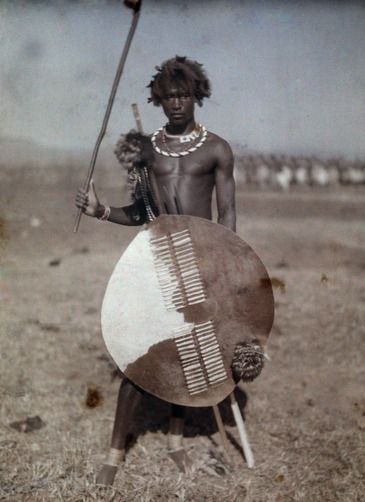
African warrior tribes shaped the course of history across the continent for thousands of years. Through disciplined military systems, sophisticated battle tactics, and warrior cultures built into the fabric of community life, these societies defended their people, expanded their kingdoms, and created legacies that still resonate in modern African identity. This is not simply military history; it is cultural history, deeply human and endlessly compelling.
What Were African Warrior Tribes?
Definition of Warrior Tribes
African warrior tribes were ethnic communities that maintained organized, trained fighting forces as a central institution of social and political life. These were not random groups of fighters; they were societies with structured military systems, formal warrior classes, initiation requirements, specialized weapons, and codes of conduct. Warrior status carried enormous social prestige and was often the primary pathway to leadership, marriage eligibility, and full adult membership in the community.
Role of Warriors in African Societies
Warriors in African communities served multiple roles simultaneously defending territory, protecting trade routes, enforcing community law, and serving as the physical embodiment of ancestral honor. In many traditions, the warrior class also held spiritual responsibilities, performing rituals before battle and maintaining protective relationships with ancestral spirits. Understanding African traditions reveals how deeply warrior culture was integrated into every aspect of community life, not compartmentalized as a separate military function.
Warriors typically fulfilled these core roles:
- Territorial defense against neighboring communities
- Protection of livestock, particularly cattle
- Escort and security for trade caravans
- Enforcement of community law and elder decisions
- Spiritual guardianship during ceremonies and transitions
Why Warrior Traditions Were Important in Africa
Defense of Communities
The primary function of warrior traditions across Africa was defense against real, constant threats. Communities faced competition for land, water, and cattle from neighboring groups, and organized warrior classes provided the trained, disciplined response that improvised defense could not. The Maasai Moran system, the Zulu regimental structure, and the Ashanti military organization all developed in response to security environments that required professional not occasional fighting capacity.
Protection of Trade Routes
African warrior traditions were inseparable from the continent’s economic life. The trans-Saharan trade routes that made Mali, Ghana, and Songhai wealthy required armed protection against raiders, and the Tuareg warriors both raided caravans and protected them under different political arrangements. East African trade corridors to the Swahili coast required warrior escorts at every stage. The military and the economic were never fully separate ancient African civilizations depended on military power to sustain the trade wealth that made them great.
Expansion of Kingdoms
Africa’s great empires were built by warrior societies with political ambition to match their military skill. Shaka Zulu transformed a minor clan into Southern Africa’s dominant regional power through military innovation. The Ashanti Empire expanded across the Gold Coast on the strength of disciplined armies that acquired and used firearms effectively. The Ethiopian Empire under Menelik II defeated a full Italian colonial army at Adwa in 1896 one of the most significant military victories in African history.
The Most Famous African Warrior Tribes
| Tribe | Region | Peak Period | Military Specialty |
| Zulu | Southern Africa | 1816-1879 | Encirclement tactics, regimental system |
| Maasai | East Africa | 1700s-present | Individual warrior excellence, cattle raiding |
| Ashanti | West Africa | 1700-1900 | Guerrilla warfare, disciplined armies |
| Dahomey (Agojie) | West Africa | 1600-1894 | Elite female regiment |
| Tuareg | North/Saharan Africa | Medieval-present | Camel cavalry, desert warfare |
| Berber | North Africa | Ancient-Medieval | Mountain warfare, cavalry |
| Oromo | East Africa | 1500s onward | Age-grade military system |
| Ethiopian | East Africa | Ancient-1900s | Cavalry, disciplined armies |
| Fulani | West Africa | 1700-1900 | Cavalry-led jihad campaigns |
| Kanem-Bornu | Central Africa | 800-1900 CE | Heavy cavalry, iron weapons |
Zulu Warriors
The Zulu warriors of Southern Africa are among the most famous military forces in African history, built on the military revolution engineered by Shaka Zulu in the early 19th century. Beginning as a small Nguni clan in present-day KwaZulu-Natal, the Zulu Kingdom expanded dramatically through military innovation, strategic alliance-building, and the absorption of defeated neighboring groups into its regimental system. Within a decade of Shaka’s rise, the Zulu had become Southern Africa’s dominant military power.
Military Innovations
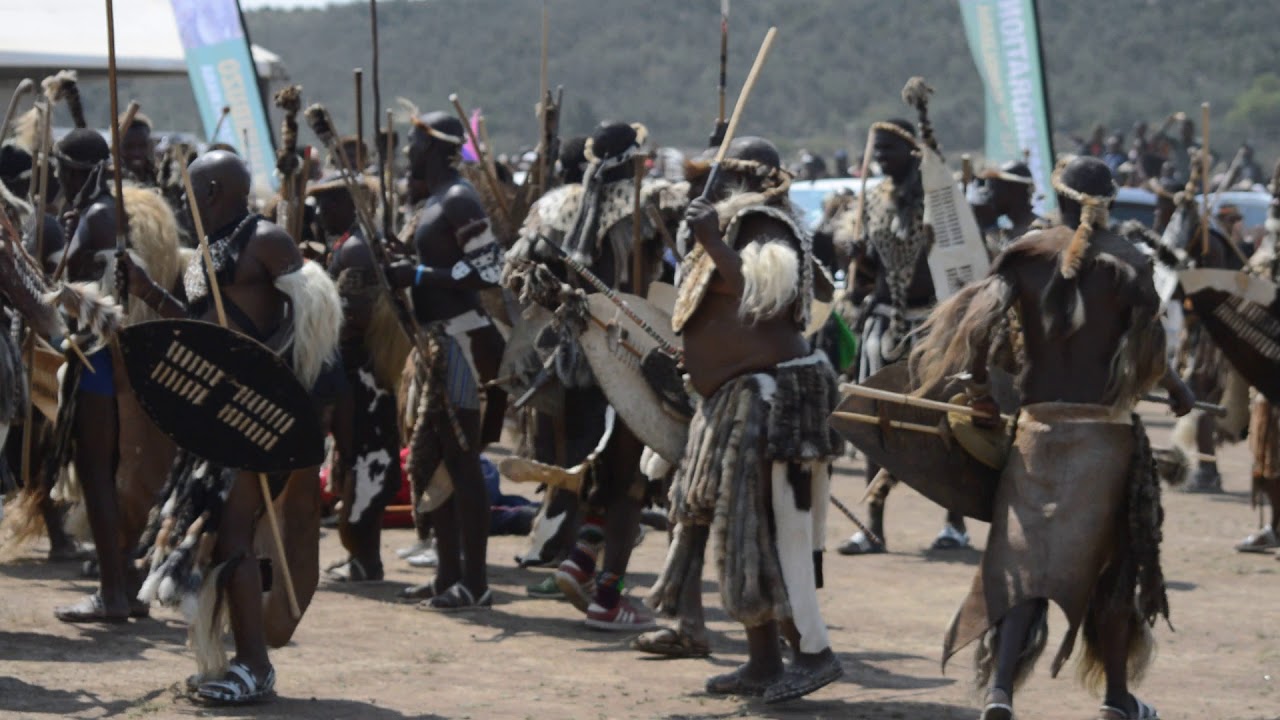
Shaka replaced the throwing spear with the iklwa a short stabbing spear forcing combat to close quarters where Zulu training gave maximum advantage. He also developed the “bull horn” encirclement formation (impondo zankomo), where a central “chest” engaged the enemy directly while two fast-moving “horns” swept around both flanks to surround and destroy the opponent. This tactical system made Zulu forces dramatically more effective than any opponent fighting in traditional styles.
Key Zulu military innovations:
- Iklwa short stabbing spear replacing the long throwing assegai
- Bull horn (impondo zankomo) flanking encirclement formation
- Age-grade regimental system with distinct roles and shields
- Shield-on-shield disarming technique for close combat
- At Isandlwana (1879), 20,000 Zulu warriors destroyed over 1,300 British soldiers
Weapons and Tactics
The standard Zulu warrior carried the iklwa, a large cowhide shield, and sometimes a throwing spear for the approach. Warriors trained in shield combat techniques that could disarm an opponent using the shield edge against their weapon arm. Regimental organization gave Zulu armies the kind of coordinated battlefield discipline that individual-combat-focused opponents simply could not match.
Maasai Warriors
The Maasai of Kenya and Tanzania have maintained one of Africa’s most enduring and culturally sophisticated warrior traditions the Moran for centuries. Young men who pass through circumcision initiation enter the warrior age-grade and live in warrior settlements (manyatta) outside main village compounds, responsible for herding cattle, defending territory, and demonstrating the qualities expected of Maasai adults. The Moran period typically lasts 10 to 15 years before warriors’ transition to elder status.
Warrior Training
Maasai warrior training emphasizes endurance, courage, and individual fighting excellence over formal military formation. Warriors develop through long-distance running, cattle herding over vast distances, and practice with the rungu (throwing club), spear, and short sword. The tribal clothing traditions of Maasai Moran red Shuka, elaborate beadwork, ochre-dyed hair publicly mark warrior status and communicate age-grade identity across the community.
Maasai warrior markers and tools:
- Red Shuka cloth and ochre body decoration identifying Moran status
- Rungu throwing club for ranged attack
- Long spear for herding protection and combat
- Adumu jumping dance as a warrior display of strength
- Beadwork jewelry communicating age-grade and social position
Ashanti Warriors
The Ashanti of present-day Ghana built one of West Africa’s most powerful military machines, enabling the expansion of their empire across the Gold Coast and its interior. Their army combined a professional standing force with a broader citizen militia and was one of the first in West Africa to systematically acquire and deploy firearms through gold-for-guns trade with European merchants. They successfully resisted British colonial efforts across four separate wars between 1823 and 1900.
Expansion of the Empire
By the 18th century, Ashanti controlled access to coastal trade routes that made their gold trade the most valuable in West Africa. Yaa Asantewaa the Queen Mother of Ejisu led the final resistance in the 1900 War of the Golden Stool, one of Africa’s most celebrated acts of military leadership against colonial rule. The Ashanti military tradition is inseparable from West African resistance to colonial domination and remains a source of fierce cultural pride today.
Dahomey Warriors and the Agojie
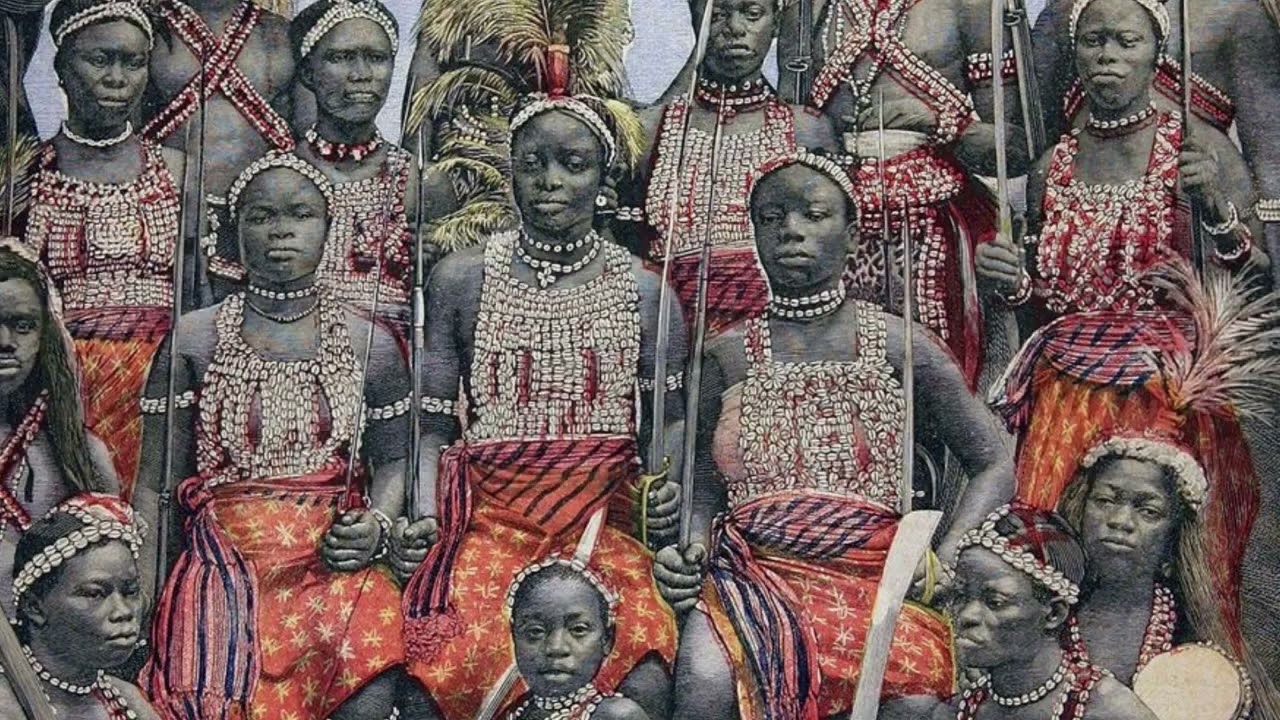
The Kingdom of Dahomey in present-day Benin is famous for the Agojie an all-female regiment of elite soldiers who served as the king’s personal bodyguard and frontline shock troops. They were professional soldiers who trained from adolescence in weapons handling, physical combat, and military discipline. At their peak in the 19th century, the Agojie numbered between 1,000 and 6,000 and constituted a significant portion of Dahomey’s most effective fighting force.
Military Achievements
European soldiers who encountered the Agojie in battle consistently reported their ferocity, discipline, and effectiveness often surpassing that of male Dahomey troops. They participated in slave-raiding campaigns against neighboring kingdoms and fought two significant wars against French colonial forces in 1890 and 1892, inflicting real casualties before being overcome by superior firepower. The 2022 film The Woman King brought their extraordinary story to global audiences with the serious dramatic treatment it deserves.
Tuareg, Berber, Oromo, Fulani, Ethiopian, and Kanem-Bornu Warriors
These warrior traditions represent Africa’s military breadth beyond Southern and West Africa. Berber cavalry particularly the Numidian horsemen who rode with Hannibal against Rome were among antiquity’s finest light cavalry. The Oromo Gadaa age-grade system, recognized by UNESCO, organized the entire male population into rotating warrior classes and drove major political expansion across the Horn of Africa in the 16th century. The Fulani established the Sokoto Caliphate through cavalry-led jihad campaigns across the Sahel. Ethiopian armies defeated Italy at Adwa in 1896 using combined cavalry, infantry, and strategically acquired modern firearms. The Kanem-Bornu Empire sustained armored heavy cavalry for over a thousand years in the Lake Chad basin one of Africa’s most remarkable feats of military longevity.
Traditional Weapons Used by African Warrior Tribes
| Weapon | Primary Users | Combat Role |
| Iklwa (short spear) | Zulu | Close-quarters stabbing |
| Assegai (throwing spear) | Nguni peoples | Ranged attack |
| Rungu (throwing club) | Maasai, East Africa | Ranged and close combat |
| Seme (short sword) | Maasai | Close-quarters combat |
| Bow and arrow | Khoisan, forest communities | Ranged combat, hunting |
| Cavalry lance | Fulani, Kanem-Bornu | Mounted combat |
| Takouba sword | Tuareg | Close combat, status symbol |
| Musket (acquired) | Ashanti, Dahomey | Ranged firepower |
Spears were the most universal weapon, appearing in dozens of regional forms the Zulu iklwa for close combat, longer throwing assegai for ranged engagement, and slender East African spears for open savanna fighting. Shields were tactical weapons as much as defensive tools, used by Zulu warriors to hook and expose an opponent’s weapon arm before striking. Bows and poisoned arrows made Khoisan hunters among the most effective individual fighters relative to group size in African military history. Swords developed most strongly in North and West Africa through Islamic trade, while the Ashanti and Dahomey effectively integrated muskets into their existing military systems.
Warrior Training and Initiation Rites
Coming of Age Rituals
In most African warrior traditions, the transition from youth to warrior was marked by formal initiation ceremonies that were physically demanding, spiritually significant, and socially transformative. Zulu boys entered an age-grade regiment system moving them through defined stages toward full warrior status. Maasai circumcision initiated young men into the Moran warrior grade with responsibilities they would carry for over a decade. These transitions were among the most significant events in a community member’s life marking the assumption of adult duty and the warrior’s obligations to the community.
Common initiation elements across African warrior traditions:
- Physical endurance tests and pain tolerance challenges
- Isolation from the community during the transition period
- Instruction in weapons handling, tactics, and warrior code
- Spiritual ceremonies invoking ancestral protection
- Ceremonial dress and new identity markers upon completion
Physical Training and Mental Discipline
African warrior training was systematic, demanding, and designed to build character as much as combat skill. Zulu warriors trained in shield combat, formation movement, and long-distance running. Maasai Moran built endurance through years of cattle herding combined with weapons practice. Alongside physical preparation, African warrior traditions equally emphasized mental and spiritual readiness ancestors were invoked before battle, protective medicines applied, and warriors trained to maintain discipline and prioritize collective mission over individual survival.
Female Warriors in African History
Dahomey Amazons
The Agojie of Dahomey represent the most documented and organized female military force in African history professional soldiers who trained continuously, fought in major campaigns, and suffered combat casualties alongside male units. Their combat record against both African neighboring kingdoms and French colonial forces demonstrates professional military capability that few historical female military units anywhere in the world can match. They were not symbolic figures; they were a functional and feared military institution.
Female Military Leaders
Individual female military leaders appear throughout African history beyond the Agojie. Yaa Asantewaa of the Ashanti led the 1900 War of the Golden Stool after male chiefs were deported by the British. Amani Renas of Kush led campaigns against Roman Egypt in 24 BCE and negotiated a favorable peace treaty from a position of military strength. Nzinga of Ndongo and Matamba fought Portuguese colonial forces for decades in the 17th century, becoming one of Central Africa’s most celebrated military figures.
Notable African female military leaders:
- Yaa Asantewaa : Ashanti Queen Mother, led final war against British colonial rule (1900)
- Amanirenas : Kushite warrior queen who fought Rome to a favorable treaty (24 BCE)
- Nzinga of Angola : Resisted Portuguese colonialism for decades in the 17th century
- Agojie regiment : Elite Dahomey female soldiers numbering up to 6,000 at peak
Women in Tribal Defense
Beyond formal military roles, women across African communities contributed to defense through intelligence gathering, supply networks, and direct participation in village defense when needed. The Agojie’s formal military status should not obscure the broader reality that African women’s defense contributions were integral across many traditions; the formal and informal often differing in recognition more than in actual contribution.
Comparison of Major African Warrior Tribes
| Tribe | Greatest Strength | Primary Limitation |
| Zulu | Formation tactics, close-quarters combat | Infantry only, no cavalry |
| Maasai | Individual excellence, terrain knowledge | Less effective in formal formation warfare |
| Ashanti | Firearms acquisition, guerrilla tactics | Vulnerable to superior European firepower |
| Dahomey (Agojie) | Elite discipline, ferocity | Smaller numbers than male forces |
| Tuareg | Desert mobility, camel cavalry | Less effective against fortified positions |
| Ethiopian | Combined arms, modern weapon acquisition | Geographic isolation from arms suppliers |
African warrior military organization ranged from the highly formal Zulu regimental system to the decentralized individual excellence model of the Maasai Moran. The Ashanti combined professional standing forces with a mobilizable citizen militia, while the Oromo Gadaa rotated military responsibility through the entire male population systematically. Each model reflected its community’s specific needs and each produced fighters who were formidable within their specific context.
The Legacy of African Warrior Tribes Today
African warrior traditions are not frozen in the past; they are living cultural institutions that continue to shape identity across the continent. African village life in Maasai and Zulu communities still organizes young men through warrior age grades with adapted responsibilities. Initiation ceremonies remain central life transitions. Warrior heritage has also become a significant dimension of cultural tourism Maasai warrior demonstrations, Zulu cultural villages, and battle sites like Isandlwana and Adwa attract global visitors and keep these stories in active public memory.
How warrior traditions survive today:
- Maasai moran age-grade system continues as a recognized cultural institution
- Zulu warrior dances performed at ceremonies and cultural events
- Warrior battle sites (Isandlwana, Adwa) as major heritage tourism destinations
- Film representation; The Woman King (2022) brought the Agojie to global audiences
- African historians leading academic scholarship on African military history
Frequently Asked Questions
Who were the most powerful African warrior tribes?
The Zulu under Shaka are widely considered the most militarily innovative, transforming tactical doctrine in ways that still impress military historians. The Ashanti maintained one of West Africa’s most effective armies for nearly two centuries. The Ethiopians achieved the most significant African military victory over European colonialism at Adwa in 1896. Power depends on context and each society’s excellence was adapted to its specific environment.
Did African tribes have professional armies?
Yes, many did. The Zulu regimental system was a full-time professional standing army. The Dahomey Agojie were professional soldiers living in the royal compound and training continuously. The Ashanti maintained a standing professional force alongside a citizen militia. Professionalism in African military history predates European contact by centuries.
Were there female warriors in African history?
Definitively yes. The Dahomey Agojie are the most documented, but female military leaders appear across African history Yaa Asantewaa led the Ashanti’s final resistance against British rule, Amanirenas of Kush fought Rome to a favorable treaty, and Nzinga of Angola resisted Portuguese colonialism for decades. Female participation in African warfare was more widespread than mainstream history has acknowledged.
What weapons did African warriors typically use?
Spears were the most common; the Zulu iklwa for close combat, longer throwing spears for ranged attack. Shields, clubs, and bows also featured widely. Swords were more common in North and West Africa through Islamic trade influence. Ashanti and Dahomey forces effectively integrated muskets into their military systems against both African and European opponents.
Are African warrior traditions still practiced today?
Yes, in living cultural form. Maasai Moran warrior traditions continue as a recognized age-grade institution in Kenya and Tanzania. Zulu warrior dances and ceremonial traditions remain active in South Africa. Initiation ceremonies marking the transition to warrior status continue across many African communities; these are living practices adapted to modern conditions, not historical reenactments.
Explore More African History and Culture
African warrior tribes are one chapter in a much larger story of African civilization, governance, and cultural achievement. Behind every warrior tradition is a community’s full history; its agriculture, its spiritual life, its governance systems, and its understanding of what it means to be a full human being in community with others.
Explore more at ILoveAfrica.com to discover the complete depth of Africa’s extraordinary historical and cultural heritage.

