Disney African stories have come a long way from stock footage of lions and generic jungle backdrops. Over the past three decades, Disney has moved from loosely Africa-inspired productions to genuine partnerships with African creators, authentic cultural storytelling, and original animated series built specifically for and by African communities. This guide covers the full journey from The Lion King to Iwájú and explores what Disney has done well, what it has gotten wrong, and where African storytelling on the world’s biggest entertainment platform is heading next.
What Is Disney African Stories?
Defining African Storytelling in Disney
Disney African stories encompass any Disney production that is set in Africa, inspired by African culture, draws on African folklore or mythology, or was created in collaboration with African writers, directors, and studios. This is a deliberately broad category because the range is genuinely wide from The Lion King’s East African savanna setting to Iwájú’s futuristic Lagos, from documentary wildlife films to Afrofuturist animated anthologies. The common thread is Africa as a source of narrative inspiration rather than simply a scenic backdrop.
Why African Representation Matters
Africa is the world’s second-largest continent by both land area and population, home to over 1.4 billion people across 54 countries and thousands of distinct cultural traditions. For decades, mainstream global entertainment including Disney represented this extraordinary diversity as a single undifferentiated “Africa” of savanna wildlife and tribal aesthetics. The shift toward authentic, specific, creator-led African storytelling matters because representation shapes how the world understands Africa, and how African children understand themselves. Understanding African cultures and traditions makes clear just how much rich storytelling material has historically been left untouched.
A Timeline of African Stories in Disney
| Year | Project | Significance |
| 1955 | The African Lion | Early Disney True-Life Adventure documentary |
| 1994 | The Lion King | Africa-inspired animated classic, most profitable Disney film of the 1990s |
| 1999 | Tarzan | Africa as setting, limited cultural specificity |
| 2005 | African Cats | Nature documentary feature |
| 2018 | Black Panther (Marvel/Disney) | First major African-inspired superhero narrative |
| 2020 | Black Is King | Beyoncé visual album on Disney+, celebrating African diaspora |
| 2022 | Kizazi Moto: Generation Fire | First pan-African anthology animation on Disney+ |
| 2024 | Iwájú | First Disney+ original series made in collaboration with an African studio |
| 2024 | Eyes of Wakanda | Animated series expanding the Black Panther universe |
Early African-Themed Disney Productions
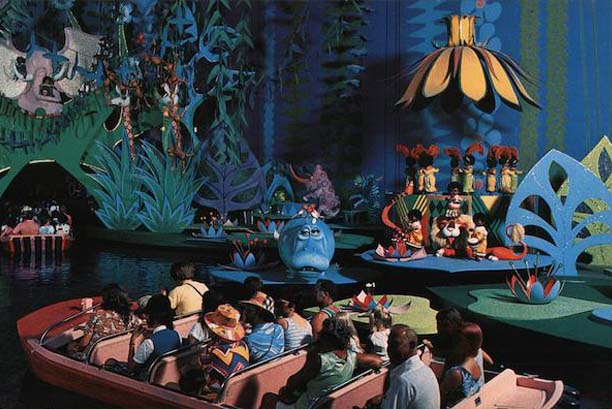
Disney’s earliest Africa engagement was primarily documentary wildlife films like The African Lion (1955) captured spectacular natural world imagery without meaningful engagement with African human cultures. These technically accomplished films established a visual template of Africa as wildlife spectacle rather than human civilization, a frame that would take decades to overcome.
The Rise of Modern African Representation
The Lion King in 1994 marked Disney’s first serious attempt at an Africa-inspired narrative feature, and its extraordinary commercial success over $400 million at the global box office on its original release demonstrated the storytelling potential of African settings and themes. The 2018 arrival of Black Panther, produced under the Disney-owned Marvel umbrella, represented a qualitative leap: a superhero narrative built on specific African cultural references, designed with input from scholars of African history and material culture, and featuring a majority Black cast in a story of African technological achievement and political complexity.
Disney+ and African Storytelling
The launch of Disney+ created a new platform for African-specific content that traditional theatrical release models could not support. Kizazi Moto: Generation Fire (2022) was produced specifically for Disney+ as a pan-African animated anthology ten short films created by African animators from six different countries representing a diversity of African storytelling traditions that no single film could contain. Iwájú (2024) went further, being co-created by Disney Animation and Kugali Media, a pan-African comic storytelling studio the first time Disney Animation had collaborated with an African studio on a full original series.
The Lion King and Disney’s Most Famous African Story
African Inspirations Behind the Lion King
The Lion King draws on multiple storytelling traditions simultaneously. Its plot structure mirrors Shakespeare’s Hamlet, a prince who must avenge his murdered father and reclaim his kingdom. Its visual world is unmistakably East African, drawing on the landscapes of the Serengeti, Maasai Mara, and Kilimanjaro region. Its spiritual themes particularly the concept of ancestors communicating with and guiding the living directly reflect African traditional religion and ancestor veneration practices widespread across sub-Saharan Africa. The presentation of Mufasa’s spirit in the clouds guiding Simba is, whether intentionally or not, a fairly accurate representation of how ancestral communication is understood in many African spiritual traditions.
Wildlife and African Landscapes
The Lion King’s visual achievement was extraordinary for its time creating a fully realized African ecosystem with geographic and ecological accuracy that the Disney animators achieved through extensive research trips to Kenya. The film normalized the idea that African landscapes were settings for emotionally complex, dramatically rich human (and animal) stories rather than simply nature documentary material. The 2019 photorealistic remake extended this visual achievement using the same technology that would later power documentary-style wildlife filmmaking, creating something genuinely unprecedented in mainstream animation.
Cultural Themes and Criticisms
The Lion King attracted legitimate cultural criticism alongside its enormous popular success. The villain Scar and his hyena allies were voiced by actors with more ethnically diverse or “othered” vocal characteristics compared to the heroic Simba and Mufasa, raising questions about the racial coding embedded in the film’s vocal casting. The Swahili language was used superficially in character names (Simba means “lion,” Nala means “successful”) without deeper engagement with Swahili cultural traditions. These criticisms do not diminish the film’s achievement, but they do illustrate the gap between Africa as aesthetic inspiration and Africa as the source of authentic cultural storytelling.
Disney Movies and Shows Inspired by Africa
Tarzan and African Cats
Tarzan (1999) uses Central African rainforest as its setting but is fundamentally a story about a white European raised by apes a colonial-era narrative that positions Africa as wilderness backdrop rather than a place with its own human stories worth telling. African Cats (2012), narrated by Samuel L. Jackson, presents Africa’s extraordinary natural world with genuine beauty but maintains the tradition of Africa-as-wildlife-spectacle without engaging African cultural representation. Both films represent the model that subsequent Disney African stories have progressively moved away from.
Black Panther
Black Panther (2018) changed the conversation about African representation in global entertainment permanently. Set in the fictional African nation of Wakanda imagined as a technologically advanced civilization that successfully resisted colonization the film drew extensively on specific African cultural references. The costumes incorporated Ndebele, Maasai, Zulu, and Himba visual traditions. The Wakandan political system reflected real African governance structures. The Dora Milaje female warrior elite connected to the tradition of female warriors in African history. Ruth E. Carter’s Oscar-winning costume design was built on months of research into actual African textile and adornment traditions.
Black Is King
Black Is King (2020) is Beyoncé’s visual album released on Disney+, accompanying The Lion King: The Gift album. It is simultaneously a celebration of African diaspora identity, a meditation on ancestry and return, and one of the most visually spectacular productions in Disney+ history. Filmed across multiple African countries with African designers, directors, and artists centrally involved, it represents an approach to African cultural celebration that prioritizes authentic collaboration over inspiration from a distance. Its success demonstrated significant audience appetite for African cultural content on the platform.
Kizazi Moto: Generation Fire
Kizazi Moto: Generation Fire (2022) is the most formally ambitious Disney African storytelling project to date a ten-episode animated anthology produced entirely by African animators and directors from South Africa, Nigeria, Kenya, Zimbabwe, Uganda, and Egypt. Each episode tells a distinct story in a distinct visual style, with settings ranging from futuristic African cities to reimagined African mythological landscapes. The anthology format specifically resists the homogenization of “Africa” into a single aesthetic each episode makes clear that African storytelling traditions are as diverse and distinct as the continent’s cultures. It is available on Disney+ and represents what authentic pan-African storytelling at scale can look like.
Eyes of Wakanda
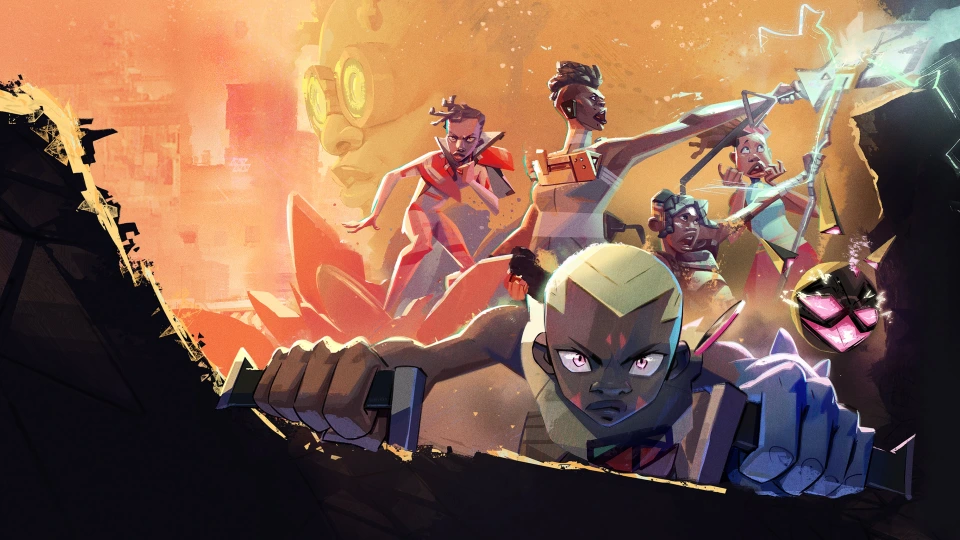
Eyes of Wakanda (2024) is an animated series on Disney+ expanding the Black Panther universe across African history, following Wakandan agents throughout different historical periods. Its structure allows genuine engagement with specific historical African settings and periods in a way that the theatrical films could not sustain within their runtime constraints. The series draws on research into ancient African civilizations and kingdoms to ground its fictional Wakandan history in authentic African historical reference.
Iwájú and Disney’s New Era of African Storytelling
Story Overview
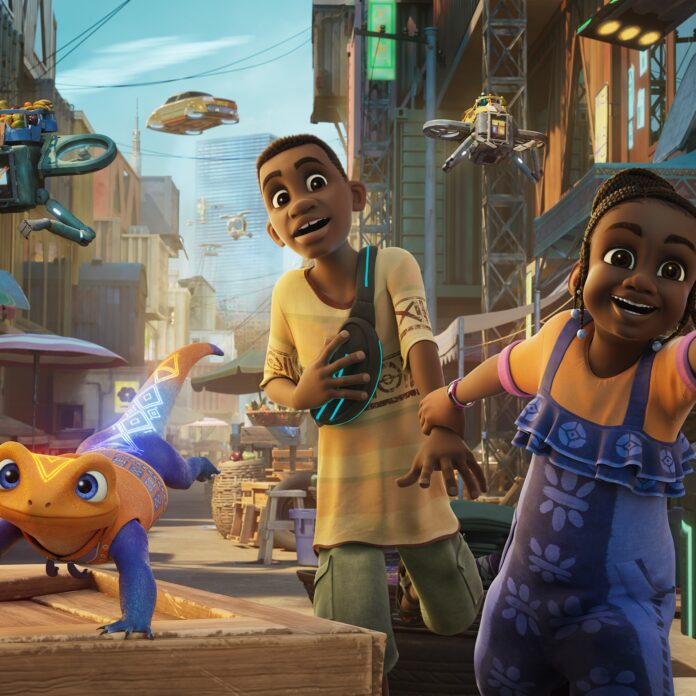
Iwájú (2024) is a Disney+ animated series set in a futuristic Lagos, Nigeria the first Disney Animation original series created in direct partnership with an African studio. The story follows Tola, a privileged girl from Lagos Island, and Kole, a young man from the mainland, as they navigate a city divided by technology and social inequality. The series draws on Yoruba culture, Nigerian contemporary life, and Lagos’s specific urban geography and social dynamics in ways that reflect genuine insider knowledge rather than external inspiration.
Lagos as a Futuristic Setting
The choice of Lagos as the setting for a futuristic animated series is itself a significant creative and political statement. Lagos is one of the world’s fastest-growing megacities projected to become one of the world’s largest cities by 2100 and its energy, creativity, and complexity make it a natural setting for Afrofuturist storytelling. Iwájú presents Lagos not as a developing-world struggle story but as a vibrant, technologically sophisticated urban future a representation of African cities that their residents recognize but global entertainment has rarely provided.
Collaboration with African Creators
Iwájú was co-created by Ziki Nelson of Kugali Media, a pan-African comic storytelling studio founded in Nigeria. The Disney-Kugali collaboration model is genuinely different from earlier Disney African projects: African creators held creative authority rather than serving as consultants to a Western production. The Yoruba language features in the series, Nigerian cultural references are embedded throughout, and the social commentary is drawn from lived in Lagos experience. This collaboration model is the template that makes authentic Disney African stories possible at scale.
Key facts about Iwájú:
- First Disney Animation original series co-created with an African studio (Kugali Media)
- Set in futuristic Lagos, Nigeria
- Features Yoruba language and Nigerian cultural references throughout
- Explores themes of inequality, technology access, and social mobility in an African urban context
- Represents the Afrofuturist tradition of imagining African futures on African terms
Kizazi Moto and African Futurism
What Makes It Unique
Kizazi Moto: Generation Fire stands apart from every previous Disney Africa project because its creative authority rests entirely with African creators. The anthology’s ten directors are all from African countries, working in their own visual traditions, referencing their own cultural knowledge, and telling stories that emerged from their own creative imaginations rather than from external market research about what Western audiences want from “African” stories.
Pan-African Storytelling
The anthology’s pan-African scope is both its greatest achievement and its most important statement. By including episodes from South Africa, Nigeria, Kenya, Zimbabwe, Uganda, and Egypt in styles ranging from cyberpunk to mythological fantasy to social realism Kizazi Moto demonstrates that there is no single African aesthetic, no single African story tradition, and no single African futurism. The diversity within the series mirrors the actual diversity of African creative culture, which is precisely what most Western representations of Africa have historically failed to capture.
African storytelling traditions represented in Kizazi Moto:
- South African urban future settings combining township culture with advanced technology
- Nigerian Yoruba mythological creatures in science fiction contexts
- East African wildlife and landscape in speculative futures
- Egyptian ancient history reimagined in futuristic settings
- Zimbabwean folklore in digital animated form
African Sci-Fi Traditions
Kizazi Moto sits within a broader Afrofuturist tradition that has been developing in African literature, music, and visual art for decades. Afrofuturism imagines African futures on African terms drawing on indigenous knowledge systems, African philosophical traditions, and the specific technological and social contexts of African cities and communities. This tradition connects to African folklore creatures and mythology that provide rich source material for speculative fiction, and to the African music traditions that have always expressed visions of African possibility and identity.
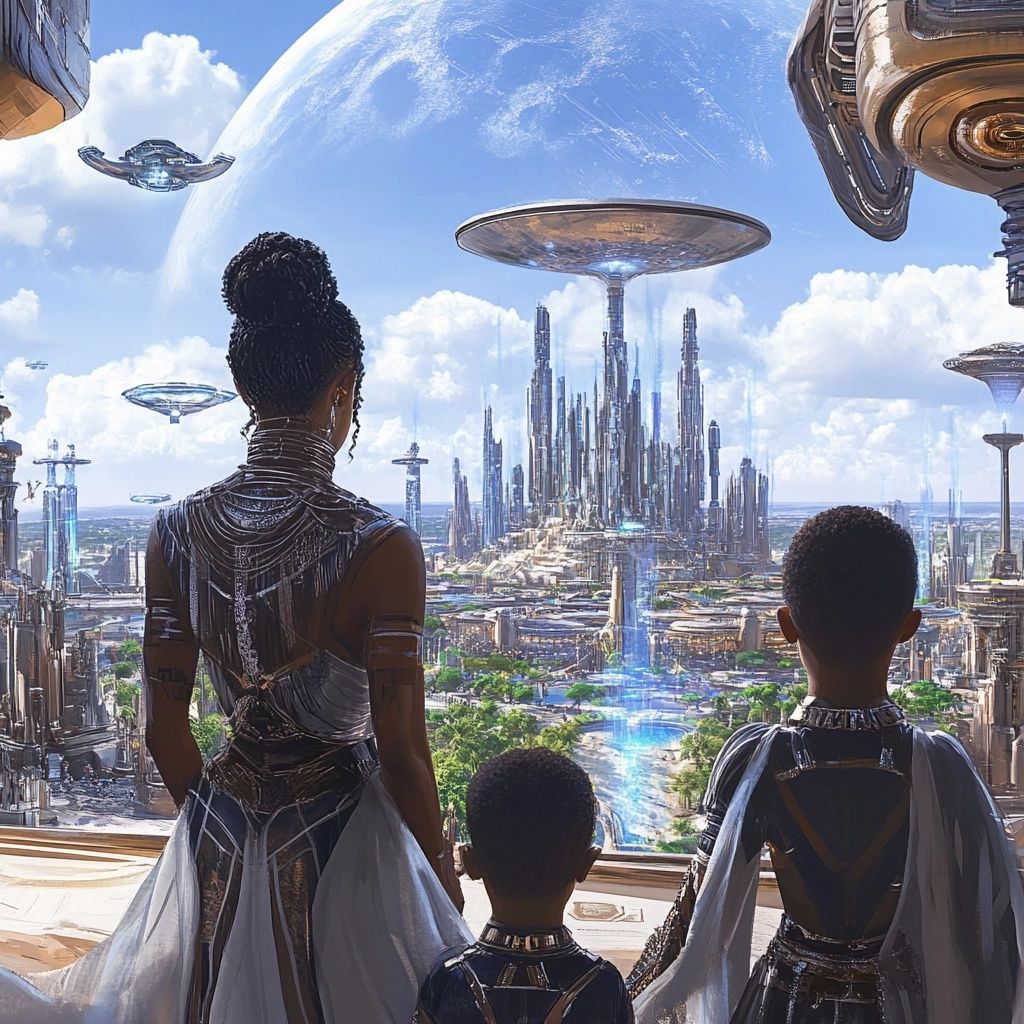
African Folklore and Legends Disney Has Yet to Adapt
| Folktale / Mythology | Country/People | Adaptation Potential |
| Anansi the Spider | Akan (Ghana) | High — trickster narrative, global diaspora recognition |
| Mami Wata | West/Central Africa | High — visual spectacle, spiritual depth |
| Sundiata Keita | Mali | Very High — epic founding narrative, Lion King scale |
| Zulu legends (Inkanyamba) | Zulu (South Africa) | Moderate — dramatic creature mythology |
| Yoruba Orisha mythology | Yoruba (Nigeria) | Very High — rich pantheon, existing diaspora familiarity |
| Anansi Boys | Pan-African diaspora | High — already adapted in literature by Neil Gaiman |
| Lalibela’s story | Ethiopia | Moderate, historical epic potential |
Anansi the Spider
Anansi is the most globally recognized figure in African folklore a spider trickster from Akan tradition in Ghana whose stories spread across the African diaspora to become embedded in Caribbean and African American folklore. An Anansi film would connect African oral tradition directly to diaspora cultural memory in ways The Lion King never attempted. The trickster narrative structure in which a small, clever being consistently outsmarts larger and more powerful opponents is a proven crowd-pleasing formula that also carries genuine cultural depth.
Mami Wata and Yoruba Orisha Mythology
Mami Wata, the water spirit of West and Central African tradition, offers extraordinary visual potential a powerful supernatural being simultaneously beautiful and dangerous, associated with wealth, healing, and the unpredictable power of water. The visual possibilities of Mami Wata’s underwater world could produce animation of extraordinary beauty, with built-in diaspora audience recognition. The Yoruba religious tradition offers Disney its richest untapped African narrative material the Orisha pantheon’s divine beings have rich personalities, complex relationships, and dramatic origin stories that animation could bring to global audiences. The tradition’s spread through Candomblé in Brazil, Santeria in Cuba, and Orisha communities in Trinidad and the United States has already given it global diaspora familiarity. African traditional religion and mythology represents perhaps the deepest and least tapped resource for future Disney African stories.
The Epic of Sundiata
The story of Sundiata Keita the founder of the Mali Empire who overcame childhood disability to defeat the Sosso king Suman guru Kante and establish one of Africa’s greatest civilizations is one of history’s great founding epics. Its narrative arc (disabled child achieves destiny against all odds, defeats evil ruler, builds great kingdom) maps perfectly onto Disney’s proven narrative formula while offering specific historical grounding in one of Africa’s most extraordinary civilizations. It is arguably the most obvious major Disney African story waiting to be made.
How Accurate Are Disney’s African Stories?
Disney’s most authentic productions succeed when African creators hold creative authority Kizazi Moto and Iwájú being the clearest examples and when cultural research is specific rather than atmospheric, as in Black Panther’s Oscar-winning costume design. The most consistent criticism remains the gap between Africa as aesthetic inspiration and genuine cultural specificity: The Lion King’s Swahili names without Swahili cultural depth, Tarzan’s colonial positioning of Africa as wilderness backdrop, and the early documentaries’ reduction of Africa to wildlife spectacle all reflect the same underlying problem. The clearest lesson Disney has absorbed is that authentic representation requires African creative authority, not just African aesthetic inspiration and the Kugali-Disney collaboration model for Iwájú demonstrates that this lesson has genuinely been internalized. The question is whether it becomes the standard rather than the exception.
The Future of African Stories at Disney
Growing Demand and New African Creators
Global streaming audiences have shown consistent appetite for authentic African content, and the Afrobeats music phenomenon has demonstrated that global audiences embrace African creative culture when it is presented with confidence. African music artists driving this global wave create cultural context that makes African animated storytelling more commercially viable than ever before. A generation of African animators, writers, and directors developed through Kizazi Moto and Iwájú now have Disney production credits, international industry relationships, and the technical skills to lead major productions. African animation studios in Lagos, Nairobi, Cape Town, and Cairo are growing rapidly the infrastructure for ambitious African storytelling now exists in ways it did not a decade ago.
Potential Future Adaptations
The most likely near-term directions include Wakanda universe expansion with historically grounded settings, original Lagos-based storytelling building on Iwájú’s foundation, and an Anansi adaptation drawing on Akan tradition and diaspora familiarity. Yoruba mythological material connecting to global Afrobeats-driven interest in Nigerian culture represents perhaps the highest-potential untapped resource. The rich traditions of African dance, village life, and ancient civilizations all provide source material Disney has barely begun to explore.
Frequently Asked Questions
What is Disney African stories?
Disney African stories include any Disney production set in Africa, inspired by African culture or folklore, or created in collaboration with African writers and studios. They range from The Lion King (1994) and African wildlife documentaries to modern Disney+ originals like Iwájú and Kizazi Moto: Generation Fire, as well as the Marvel-Disney Black Panther universe.
Which Disney movie best represents African culture?
Kizazi Moto: Generation Fire (2022) on Disney+ represents the most authentic African storytelling because it was created entirely by African animators and directors from six different African countries. Iwájú (2024) is the most authentic Disney Animation original, being co-created with Kugali Media in direct African collaboration. Black Panther, while Marvel rather than traditional Disney Animation, is the most culturally researched major production.
What is Iwájú?
Iwájú is a Disney+ animated series set in a futuristic Lagos, Nigeria, co-created by Disney Animation and Kugali Media, a pan-African comic storytelling studio. It follows Tola and Kole navigating a technologically divided city, drawing on Yoruba culture and Nigerian urban life. Released in 2024, it is the first Disney Animation original series made in direct partnership with an African studio.
Is The Lion King based on African folklore?
The Lion King draws on African inspiration East African landscapes, Swahili language for character names, and spiritual themes of ancestral communication that reflect real African spiritual traditions. However, its primary narrative structure follows Shakespeare’s Hamlet rather than a specific African folktale. It uses Africa as aesthetic and thematic inspiration rather than being an adaptation of a specific African story.
What African folklore could Disney adapt next?
The highest-potential adaptations include the Anansi spider trickster stories from Akan (Ghana) tradition already globally recognized through diaspora spread the Epic of Sundiata from Mali, which maps naturally onto Disney’s proven narrative formula, and Yoruba Orisha mythology from Nigeria, which offers a rich divine pantheon with global diaspora familiarity through Candomblé, Santeria, and Trinidadian Orisha traditions.
Key Takeaways
- Disney African stories have evolved dramatically from wildlife documentaries and loosely Africa-inspired narratives to authentic African creator-led productions
- The Lion King remains Disney’s most famous African-inspired story, drawing on East African landscapes, Swahili language, and African spiritual themes despite its Hamlet-derived plot structure
- Kizazi Moto: Generation Fire (2022) is the most genuinely pan-African Disney production, created entirely by African animators from six countries
- Iwájú (2024) represents a new collaborative model, Disney Animation working directly with African studio Kugali Media on an original Lagos-set series
- Black Panther’s deep cultural research into specific African traditions set a new standard for African representation in mainstream global entertainment
- African folklore including Anansi, Mami Wata, Yoruba Orisha mythology, and the Epic of Sundiata represent major untapped storytelling potential
- The trajectory of Disney African stories points clearly toward more authentic, creator-led African content as the commercial and cultural demand for it grows
Explore More African Culture and Heritage
Disney African stories are an entry point into African cultural traditions that are richer, deeper, and more diverse than any single film or series can capture. The African folklore creatures, mythological traditions, ancient civilizations, and living cultural practices that Disney is only beginning to explore represent a lifetime of discovery for anyone curious enough to go beyond the screen.
Explore more at ILoveAfrica.com to go deeper into the real African traditions, histories, and cultures that inspire the stories Disney is finally beginning to tell.

